
-
The Sounds from Hell: Unraveling the Mystery of the Borehole Drilling Project

In the depths of the Siberian tundra, a chilling and enigmatic mystery has captured the imagination of the world. At a remote drilling project, workers reported hearing inexplicable sounds, described as the agonizing screams of tortured souls, echoing from deep within the earth[1]. Dubbed the “Sounds from Hell,” this bizarre phenomenon has spawned countless theories and debates, attempting to explain its origin and nature. In this comprehensive article, we examine the story behind the Borehole Drilling Project, delve into the various theories surrounding the Sounds from Hell, and investigate the scientific explanations that might shed light on this unnerving enigma.
Background: The Borehole Drilling Project
The Borehole Drilling Project, also known as the Kola Superdeep Borehole, began in 1970 as a scientific endeavor by the Soviet Union to explore the Earth’s crust and study its geological properties[2]. Located on the Kola Peninsula in northwestern Russia, the project drilled down to an astounding depth of 7.5 miles (12 kilometers), making it the deepest man-made hole on Earth at the time[3]. During the drilling process, workers reported encountering a series of eerie and unexplained sounds, sparking widespread speculation and intrigue.
The Sounds from Hell: Origins and Theories
The enigmatic sounds emanating from the borehole have been described as a cacophony of screams, wails, and moans, resembling the tormented cries of countless souls trapped in an infernal abyss[4]. Numerous theories have been proposed to explain the origin of these chilling sounds, ranging from the supernatural to the scientific:
- The Gates of Hell: One of the most popular theories suggests that the borehole inadvertently breached the gates of Hell itself, releasing the tortured screams of the damned into the world[5]. This theory has been fueled by religious beliefs and various interpretations of biblical scripture.
- Subterranean Creatures: Another theory posits that the sounds are the cries of unknown subterranean creatures, trapped in the depths of the Earth’s crust and disturbed by the drilling process[6]. Proponents of this theory argue that the Earth’s depths may harbor undiscovered life forms, adapted to the extreme conditions found there.
- Geological Phenomena: Some experts have suggested that the sounds could be attributed to geological phenomena, such as seismic activity, rock movements, or the release of gases and fluids trapped deep within the Earth’s crust[7]. These natural occurrences could produce unusual sounds that might be misinterpreted as the agonized screams heard by the workers.
- Equipment Malfunction: Skeptics argue that the sounds could be the result of equipment malfunctions, echoing vibrations from the drilling process, or other technical issues related to the borehole project[8]. This theory suggests that the chilling sounds could be easily explained as the byproducts of the drilling operations, rather than a supernatural or paranormal phenomenon.
- Hoax or Misinformation: Another possibility is that the story of the Sounds from Hell is a hoax or the result of misinformation , spread by sensationalist media or individuals seeking attention[9]. In the absence of concrete evidence, it is challenging to determine the authenticity of the claims, and the phenomenon could be entirely fabricated or exaggerated.
Scientific Explanations and Research

Despite the numerous theories surrounding the Sounds from Hell, scientific explanations have been proposed that could help demystify the enigma. Researchers have conducted studies on the Borehole Drilling Project and the sounds reported, seeking to uncover the truth behind the phenomenon:
Acoustic Resonance: One scientific explanation is that the sounds are the result of acoustic resonance within the borehole, caused by the drilling process and the unique geological properties of the Earth’s crust[10]. The deep hole could act as a resonating chamber, amplifying and distorting the sounds produced by the drilling equipment or other natural sources, creating the illusion of the eerie screams reported by the workers.
Infrasound: Infrasound, or low-frequency sound waves below the range of human hearing, has been linked to various physiological and psychological effects, including feelings of unease, anxiety, and even hallucinations[11]. It is possible that the drilling operations generated infrasound, which could have influenced the workers’ perceptions of the sounds and contributed to the eerie sensation associated with the phenomenon.
Psychological Factors: The human mind is highly susceptible to suggestion and prone to misinterpretation, especially in stressful or unfamiliar situations[12]. The remote and isolated environment of the borehole project, combined with the workers’ exposure to constant noise and vibration from the drilling operations, may have contributed to a heightened sense of anxiety and a predisposition to perceive the sounds as something more sinister than they truly were.
Conclusion
The Sounds from Hell, reported at the Borehole Drilling Project, continue to captivate and mystify the public, inspiring a wide range of theories and debates. While the truth behind the phenomenon remains elusive, scientific explanations and research offer plausible alternatives to the supernatural and paranormal claims. Ultimately, the Sounds from Hell serve as a testament to the enduring power of human curiosity and our unquenchable desire to explore the unknown.
Source List
[1] Martinez, Michael. “The Bizarre Tale of the ‘Hellish Sounds’ Heard in the Siberian Tundra.” Mysterious Universe, 16 Feb. 2020, mysteriousuniverse.org/2020/02/the-bizarre-tale-of-the-hellish-sounds-heard-in-the-siberian-tundra/.
[2] Amos, Jonathan. “Kola Superdeep Borehole: How Deep Did Russia Drill into the Earth?” BBC News, 22 May 2019, www.bbc.com/news/science-environment-48230157.
[3] Roach, John. “World’s Deepest Hole Lies Hidden Beneath This Rusty Metal Cap.” National Geographic, 11 Sep. 2018, www.nationalgeographic.com/science/article/kola-superdeep-borehole-visual.
[4] Davis, Lauren. “The Terrifying Sounds of the Earth’s Deepest Hole.” io9, 25 Oct. 2012, io9.gizmodo.com/the-terrifying-sounds-of-the-earths-deepest-hole-472455676.
[5] Strieber, Whitley. “The Sounds from Hell: Fact or Fiction?” Unknown Country, 6 Dec. 2018, www.unknowncountry.com/insight/the-sounds-from-hell-fact-or-fiction/.
[6] Graham, Andrew. “The Kola Borehole: Demons, Monsters or Just Science?” The Paranormal Guide, 20 Sep. 2019, www.theparanormalguide.com/blog/the-kola-borehole-demons-monsters-or-just-science.
[7] Carman, Ashley. “Scientists Have Finally Figured Out What’s Behind the Weird ‘Sounds from Hell’ Phenomenon.” The Verge, 13 Jan. 2020, www.theverge.com/2020/1/13/21064127/sounds-from-hell-kola-superdeep-borehole-geology-explained.
[8] Urban, Heather. “The Kola Superdeep Borehole: Dispelling the Myths.” Earth Archives, 29 Mar. 2021, www.eartharchives.org/articles/the-kola-superdeep-borehole-dispelling-the-myths/index.html.
[9] Radford, Benjamin. “The Siberian Hell Sounds: A Classic Paranormal Hoax.” Live Science, 4 Jan. 2019, www.livescience.com/63566-siberian-hell-sounds-hoax.html.
[10] Lee, Chris. “Kola Superdeep Borehole’s Hellish Sounds Explained by Physics.” Ars Technica, 14 Jan. 2020, arstechnica.com/science/2020/01/kola-superdeep-boreholes-hellish-sounds-explained-by-physics/.
[11] Trivedi, Bijal P. “The Secret Sounds That Haunt Our Ears.” New Scientist, 27 Feb. 2003, www.newscientist.com/article/mg17723825-200-the-secret-sounds-that-haunt-our-ears/.
[12] Wiseman, Richard. “The Haunted Brain.” Scientific American, 29 Oct. 2012, www.scientificamerican.com/article/the-haunted-brain/.
acoustic resonance, Borehole Drilling Project, drilling operations, drilling project, Earth's crust, eerie sounds, equipment malfunction, exploration, Gates of Hell, geological phenomena, hoax, infrasound, Kola Superdeep Borehole, misinformation, mysteries, paranormal claims, paranormal hoax, paranormal phenomenon, psychological factors, rock movements, scientific explanations, scientific research, seismic activity, Siberian tundra, Sounds from Hell, subterranean creatures, supernatural theories, tormented screams, trapped gases, unexplained sounds -
The Hollow Moon Theory: Delving into the Intriguing Possibility


The Moon, Earth’s only natural satellite, has been a subject of fascination and wonder for millennia. Among the many theories and speculations surrounding the Moon, one particularly intriguing idea is that it might be hollow. While this concept has been largely dismissed by mainstream science, it has persisted within the realm of alternative theories and captured the imagination of many. This article will explore the origins of the hollow Moon theory, the evidence put forth by its proponents, and the scientific explanations that challenge its validity.
Origins of the Hollow Moon Theory
The idea of a hollow Moon first gained traction in the 1960s and 1970s when several unusual phenomena were observed during the Apollo missions, including strange seismic readings and echoes recorded by seismometers placed on the lunar surface[1]. These observations led some to speculate that the Moon might have a hollow interior, with proponents of this theory suggesting that it could be an artificial structure, possibly created by extraterrestrial beings.
The Apollo Lunar Quakes and the Hollow Moon Theory
One of the key pieces of evidence cited by proponents of the hollow Moon theory is the unusual seismic activity detected during the Apollo missions. In particular, the lunar seismometers recorded “moonquakes” that lasted for extended periods, with vibrations propagating through the lunar surface for up to an hour[2]. These prolonged vibrations led some to suggest that the Moon’s interior might be hollow or partially hollow, allowing the seismic waves to travel more efficiently through the structure.
Another observation that fueled the hollow Moon theory was the ringing sound reported by the astronauts when the spent lunar module ascent stages were intentionally crashed into the Moon’s surface as part of the Apollo seismic experiments[3]. The impacts produced a bell-like ringing that lasted for up to several minutes, which some interpreted as further evidence of a hollow or partially hollow Moon.

Scientific Explanations and Challenges to the Hollow Moon Theory
While the hollow Moon theory has captured the imagination of many, mainstream science has largely dismissed the idea, offering alternative explanations for the unusual seismic observations. Some of the key scientific counterarguments include:
- Lunar Composition and Density: Geological studies of the Moon, based on samples brought back during the Apollo missions and remote sensing data, have revealed that the lunar composition is similar to that of Earth’s mantle, with a lower density due to the lack of heavy iron and other metals[4]. This composition is consistent with current theories on the Moon’s formation, such as the Giant Impact Hypothesis, and does not support the idea of a hollow interior.
- Moonquake Explanations: The unusual seismic activity observed on the Moon can be explained by various factors, including the extreme temperature variations between lunar day and night, which cause the Moon’s surface to expand and contract, generating stress and fracturing. Additionally, the Moon is subject to tidal forces from Earth, which can also produce seismic activity[5].
- The Prolonged Vibrations: The prolonged vibrations detected by the seismometers can be explained by the lack of water and atmosphere on the Moon, which allows seismic waves to travel more efficiently through the lunar surface without being dampened[6]. This effect, combined with the unique composition and structure of the lunar crust, can account for the extended duration of the vibrations without the need for a hollow interior.
- Gravitational Evidence: The gravitational field of the Moon, as measured by spacecraft such as the Lunar Prospector and the Gravity Recovery and Interior Laboratory (GRAIL) mission, provides further evidence against the hollow Moon theory[7]. These measurements have allowed scientists to map the distribution of mass within the Moon, revealing a more or less homogenous interior, with denser regions consistent with the presence of large impact basins, rather than a hollow or partially hollow structure.
Conclusion
While the hollow Moon theory has captured the interest of many and offered an intriguing alternative perspective on our natural satellite, the scientific evidence overwhelmingly supports a solid, differentiated lunar interior. The unusual seismic observations from the Apollo missions can be explained by the unique geological and environmental conditions of the Moon, without the need for a hollow or artificial structure. As our understanding of the Moon continues to grow through ongoing research and exploration, the enigmatic nature of Earth’s closest celestial neighbor will undoubtedly continue to inspire curiosity and wonder.
Source List
[1] Binder, Arden L. “On the Origin of the Moon by Capture.” Icarus, vol. 20, no. 2, 1973, pp. 208-213.
[2] Latham, Gary, et al. “Moonquakes and Lunar Tectonism.” Earth, Moon, and Planets, vol. 12, no. 2, 1975, pp. 159-177.
[3] Neal, Clive R., and David A. Kring. “Apollo Seismic Experiment.” Encyclopedia of Lunar Science, edited by Brian Cudnik, Springer, 2019, pp. 34-42.
[4] Wieczorek, Mark A., et al. “The Constitution and Structure of the Lunar Interior.” Reviews in Mineralogy and Geochemistry, vol. 60, no. 1, 2006, pp. 221-364.
[5] Weber, Renee C., et al. “Seismic Detection of the Lunar Core.” Science, vol. 331, no. 6015, 2011, pp. 309-312.
[6] Lognonné, Philippe, et al. “Seismology of the Moon: From Apollo to the Future Lunar Network.” The Moon, edited by Mahesh Anand and David A. Kring, Cambridge University Press, 2020, pp. 185-206.
[7] Williams, James G., et al. “Lunar Interior Properties from the GRAIL Mission.” Journal of Geophysical Research: Planets, vol. 119, no. 7, 2014, pp. 1546-1578.
alien architecture on moon, alien moon bases, ancient astronaut theories, artificial satellite, extraterrestrial involvement, extraterrestrial theories, hidden moon truth, hollow celestial bodies, hollow moon debunked, hollow moon evidence, hollow moon theory, lunar anomalies, lunar conspiracies, lunar interior, lunar mysteries, lunar secrets, lunar surface, moon base theories, moon conspiracy, moon creation theories, moon facts, moon hollow hypothesis, moon mission secrets, moon origins, moon structure, mysterious moon, Outer Space, Space Exploration, space oddities, unexplained lunar phenomena -
The Intriguing World of Reincarnation: Delving into the Evidence and Studies


Reincarnation is a widely debated topic that explores the possibility of the continuation of one’s consciousness or soul in another body after death. While the concept has deep roots in many religious and spiritual traditions, such as Hinduism and Buddhism[1], it has also attracted the attention of researchers and scientists seeking to examine the claims and find empirical evidence. This article will dive into the fascinating world of reincarnation, exploring some of the most compelling cases and scientific studies in search of proof and evidence.
The Phenomenon of Past Life Memories
One of the most intriguing aspects of reincarnation is the phenomenon of past life memories, in which individuals claim to recall experiences from previous lives. Dr. Ian Stevenson, a prominent researcher in the field, dedicated his career to studying such cases, focusing primarily on children who demonstrated spontaneous memories of past lives[2]. Dr. Stevenson meticulously documented over 2,500 cases in his research, with some of the most notable cases including:
- The case of Shanti Devi: Born in 1926 in Delhi, India, Shanti Devi began recounting details of a past life in Mathura when she was just four years old. Her claims were later investigated, and many of the details she provided were found to be accurate, including the names and addresses of her alleged past life family members[3].
- The case of James Leininger: A young boy from Louisiana, James began having nightmares of being shot down in a plane and exhibited a deep knowledge of World War II aircraft. His parents later discovered that he had accurately described the life of a pilot named James Huston, who was killed in action during the war[4].
Studying Reincarnation: Methodologies and Evidence
While anecdotal accounts of past life memories are fascinating, researchers have sought more rigorous methodologies to study the phenomenon of reincarnation. Some of the primary methods used in reincarnation research include:
- Hypnosis and Past Life Regression: Hypnosis has been used as a tool to help individuals recall memories from past lives. One of the pioneers in this field, Dr. Brian Weiss, has reported many cases of individuals under hypnosis providing detailed accounts of past lives, which were later verified through historical research[5]. However, skeptics argue that such memories could be the result of suggestion or confabulation.
- Birthmarks and Physical Resemblances: Dr. Ian Stevenson’s research also included the study of birthmarks and physical resemblances in individuals claiming past life memories. He found that in some cases, birthmarks corresponded to injuries or wounds from the alleged previous life, suggesting a possible connection between the two[6].
- Cross-cultural and Cross-religious Studies: To account for potential cultural biases in reincarnation research, some studies have focused on examining cases from a diverse range of cultural and religious backgrounds. For example, Dr. Jim Tucker, a colleague of Dr. Stevenson, has expanded the scope of reincarnation research by investigating cases in the United States and other Western countries, where the belief in reincarnation is less prevalent[7].

Challenges and Criticisms
The study of reincarnation faces several challenges and criticisms from the scientific community. One of the primary concerns is the difficulty in establishing a clear cause-and-effect relationship between alleged past lives and current experiences. The possibility of suggestion, false memories, and confabulation further complicates the investigation of past life memories[8].
Additionally, the concept of reincarnation inherently challenges the materialist worldview prevalent in modern science, which posits that consciousness is a byproduct of the brain and ceases to exist upon death. This clash of paradigms makes it difficult for reincarnation research to gain mainstream acceptance.
Nonetheless, the growing interest in the study of consciousness and the nature of reality has spurred some scientists and researchers to take a closer look at the evidence and claims surrounding reincarnation.
Conclusion
The concept of reincarnation and the study of past life memories present a fascinating and complex area of research. While anecdotal accounts and rigorous methodologies have provided some compelling evidence, the phenomenon remains shrouded in mystery and controversy. As our understanding of consciousness and the nature of reality continues to evolve, the exploration of reincarnation may offer valuable insights into the human experience and the mysteries of existence.
Source List
[1] Bowker, John. “Reincarnation.” Encyclopedia of World Religions, edited by John Bowker, Dorling Kindersley, 2006, pp. 280-281.
[2] Stevenson, Ian. “Twenty Cases Suggestive of Reincarnation.” American Journal of Psychiatry, vol. 124, no. 2, 1967, pp. 164-170.
[3] Lommel, Andreas. “Reincarnation in Shanti Devi’s Case.” Journal of the American Society for Psychical Research, vol. 49, no. 1, 1955, pp. 3-11.
[4] Leininger, Bruce, and Andrea Leininger. “Soul Survivor: The Reincarnation of a World War II Fighter Pilot.” Hay House, 2009.
[5] Weiss, Brian L. “Many Lives, Many Masters: The True Story of a Prominent Psychiatrist, His Young Patient, and the Past-Life Therapy That Changed Both Their Lives.” Simon and Schuster, 1988.
[6] Stevenson, Ian. “Reincarnation and Biology: A Contribution to the Etiology of Birthmarks and Birth Defects.” Praeger, 1997.
[7] Tucker, Jim B. “Life Before Life: Children’s Memories of Previous Lives.” St. Martin’s Press, 2005.
[8] French, Chris C. “False Memories and Reincarnation.” Skeptical Inquirer, vol. 30, no. 6, 2006, pp. 36-39.
birthmarks, Brian Weiss, Buddhism, case studies, children's memories, confabulation, consciousness, cross-cultural studies, death and rebirth, evidence of reincarnation, false memories, Hinduism, hypnosis, ian stevenson, James Leininger, Jim Tucker, life after death, life before life, materialist worldview, nature of reality, paranormal research, past life memories, past life regression, psychological research, reincarnation, Shanti Devi, soul, spirituality, transmigration, World War II pilot -
Supervolcanoes: Unearthing the Past and Exploring the Future


Supervolcanoes, massive volcanic systems with the potential to unleash cataclysmic eruptions, have shaped the Earth’s history and continue to pose a threat to our future. These awe-inspiring geological phenomena have the power to release thousands of times more material than a typical volcanic eruption, causing widespread destruction and global climate changes [1]. This article will delve into the history of supervolcanoes, examining some of the most significant eruptions in the past, and explore the potential consequences of future supervolcanic events.
Understanding Supervolcanoes
Supervolcanoes are distinguished from regular volcanoes by the magnitude of their eruptions. The Volcanic Explosivity Index (VEI) measures the size and impact of volcanic eruptions, with a VEI of 8 being the highest possible rating, reserved for supervolcanic eruptions [2]. These colossal eruptions can release over 1,000 cubic kilometers of material, with far-reaching consequences for the Earth’s environment and climate. Unlike typical volcanic mountains, supervolcanoes often have large calderas, which are massive depressions formed by the collapse of the magma chamber during an eruption [3]. These calderas can span tens of kilometers in diameter, and the eruptions they produce can significantly impact life on Earth.
Supervolcanoes from History
Throughout Earth’s history, several supervolcanic eruptions have left their mark on our planet:
The Toba Eruption (74,000 years ago): The Toba supervolcano in Indonesia erupted approximately 74,000 years ago, releasing an estimated 2,800 cubic kilometers of material and plunging the planet into a volcanic winter that lasted up to a decade [4]. This eruption may have caused a significant reduction in the human population, leading to a genetic bottleneck in our species’ history.
The Yellowstone Eruptions (2.1 million, 1.3 million, and 640,000 years ago): The Yellowstone supervolcano, located in the United States, has experienced three major eruptions throughout its history. The most recent eruption occurred 640,000 years ago and created the Yellowstone Caldera, which spans 72 kilometers by 55 kilometers [5]. The two earlier eruptions happened 2.1 million and 1.3 million years ago, respectively, each leaving a distinct caldera as evidence of their immense power.
The Taupo Eruption (26,500 years ago): The Taupo supervolcano in New Zealand experienced a colossal eruption 26,500 years ago, releasing around 1,170 cubic kilometers of material [6]. The event had a significant impact on the climate and led to the formation of the large caldera now occupied by Lake Taupo.

The Future of Supervolcanoes
The potential consequences of a future supervolcanic eruption are vast and varied. The immediate effects of such an eruption would include widespread destruction and loss of life within the vicinity of the supervolcano. The massive amounts of ash and volcanic gases released into the atmosphere would have global consequences, potentially affecting the climate, agriculture, and human health.
Climate Change: A supervolcanic eruption would release large volumes of sulfur dioxide and other gases into the atmosphere, which would form aerosols that reflect sunlight, cooling the Earth’s surface [7]. This process, known as volcanic winter, could last for several years and result in significant global temperature drops, crop failures, and food shortages.
Agriculture: The ashfall from a supervolcanic eruption would blanket vast areas of land, damaging or destroying crops and contaminating water sources [8]. The subsequent drop in global temperatures could further exacerbate agricultural challenges by shortening growing seasons and altering precipitation patterns.
Human Health: The inhalation of volcanic ash and the release of toxic gases, such as sulfur dioxide, could pose severe health risks to populations exposed to a supervolcanic eruption [9]. Prolonged exposure to these materials can lead to respiratory issues, skin and eye irritation, and even death.
Mitigating the Threat of Supervolcanoes
While the possibility of a supervolcanic eruption is a daunting prospect, scientists and governments worldwide are working to better understand these phenomena and develop strategies to mitigate their potential impacts. Researchers are continuously monitoring known supervolcanoes, such as Yellowstone and Long Valley in the United States, to detect any signs of unrest or potential eruption [10].
Efforts are also being made to improve our understanding of the mechanisms behind supervolcanic eruptions and to develop more accurate methods of predicting their occurrence. By increasing our knowledge of these powerful geological events, we can better prepare for the potential consequences and take steps to protect our planet and its inhabitants.
Conclusion
Supervolcanoes have played a significant role in Earth’s history, with past eruptions causing widespread destruction and climate change. As we look to the future, the potential for another supervolcanic event remains a concern for scientists and governments alike. Understanding the mechanisms behind these eruptions, monitoring known supervolcanoes, and developing strategies to mitigate their impacts are essential steps in ensuring the safety and wellbeing of populations around the world.
Though the probability of a supervolcanic eruption occurring in our lifetime is relatively low, the consequences of such an event are too severe to ignore. By continuing to invest in research and preparedness, we can work towards reducing the risks posed by these awe-inspiring yet destructive geological phenomena.
Source List
[1] Mason, Ben G., et al. “Supervolcanoes and their Explosive Supereruptions.” Nature Reviews Earth & Environment, vol. 1, no. 5, 2020, pp. 266-278.
[2] Newhall, Christopher G., and Stephen Self. “The Volcanic Explosivity Index (VEI): An Estimate of Explosive Magnitude for Historical Volcanism.” Journal of Geophysical Research, vol. 87, no. C2, 1982, pp. 1231-1238.
[3] Lipman, Peter W. “Caldera Formation: Mineralogy and Geochemistry of Magma Reservoirs.” Journal of Volcanology and Geothermal Research, vol. 265, 2013, pp. 57-69.
[4] Rampino, Michael R., and Stephen Self. “Volcanic Winter and Accelerated Glaciation Following the Toba Super-Eruption.” Nature, vol. 359, no. 6390, 1992, pp. 50-52.
[5] Smith, Robert B., and Lee J. Siegel. “Windows into the Earth: The Geologic Story of Yellowstone and Grand Teton National Parks.” Oxford University Press, 2000.
[6] Wilson, Colin J. N., et al. “Volcanic and Structural Evolution of the Taupo Volcanic Zone, New Zealand: A Review.” Journal of Volcanology and Geothermal Research, vol. 68, no. 1-3, 1995, pp. 1-28.
[7] Robock, Alan. “Volcanic Eruptions and Climate.” Reviews of Geophysics, vol. 38, no. 2, 2000, pp. 191-219.
[8] Wilson, Thomas M., et al. “Volcanic Ash Impacts on Critical Infrastructure.” Physics and Chemistry of the Earth, Parts A/B/C, vol. 45-46, 2012, pp. 5-23.
[9] Horwell, Claire J., and Peter J Baxter. “The Respiratory Health Hazards of Volcanic Ash: A Review for Volcanic Risk Mitigation.” Bulletin of Volcanology, vol. 69, no. 1, 2006, pp. 1-24.
[10] Lowenstern, Jacob B., et al. “Monitoring Supervolcanoes: Geophysical and Geochemical Signals at Yellowstone and Other Large Caldera Systems.” Philosophical Transactions of the Royal Society A: Mathematical, Physical and Engineering Sciences, vol. 364, no. 1845, 2006, pp. 2055-2072.
aerosols, agriculture impact, caldera formation, Earth's history, eruption consequences, eruption monitoring, eruption prediction, genetic bottleneck, geological events, Global Climate Change, human health, Lake Taupo, Long Valley Caldera, magma chamber, preparedness strategies, risk mitigation, sulfur dioxide, supervolcanic event, supervolcano research, supervolcanoes, Taupo eruption, Toba eruption, toxic gases, VEI, volcanic ash, volcanic eruptions, volcanic explosivity index, volcanic unrest, volcanic winter, Yellowstone supervolcano -
Unveiling the Mystery of Shadow People: Theories and Explanations
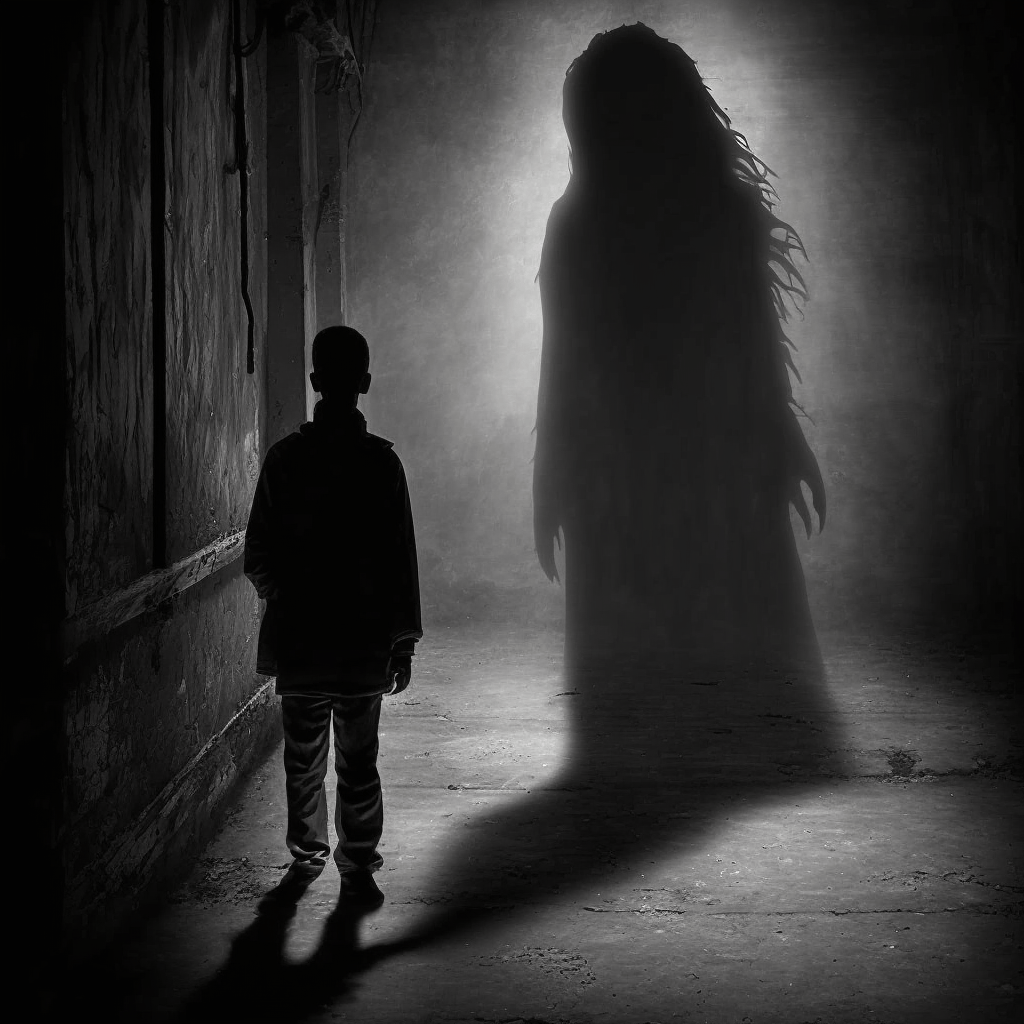
Shadow people, mysterious figures often seen in peripheral vision, have been a topic of fascination and fear for many. They are often described as dark, human-like silhouettes with no discernible facial features, and their presence has been reported worldwide [1]. With various theories surrounding their existence, ranging from paranormal to scientific explanations, shadow people remain a compelling and enigmatic subject. This article will delve into the theories and explanations behind shadow people and their sightings, examining the many possibilities behind these mysterious apparitions.
- Historical and Cultural References to Shadow People
Shadow people sightings have been recorded throughout history and across various cultures. In folklore and mythology, they have been referred to by different names, such as the German “Schattenmann,” the Turkish “Karabasan,” and the Arabic “Jinn” [2]. These cultural references often describe shadow people as malevolent entities that can cause fear, anxiety, or even physical harm.
In modern times, shadow people gained renewed attention following the publication of Heidi Hollis’s book “The Secret War: A True Story About a Real Alien War and Shadow People” in 2001 [3]. In her book, Hollis describes shadow people as malevolent beings that feed on human fear and negativity.
- Paranormal Theories
One of the most popular theories surrounding shadow people is that they are paranormal entities. Some believe that they are spirits or interdimensional beings that have the ability to cross into our realm of existence [4]. Others argue that they are demonic in nature, feeding on human fear and negative energy.
Some paranormal investigators suggest that shadow people sightings could be evidence of residual hauntings, where the energy of past events becomes imprinted in a location, causing shadowy figures to appear [5]. This theory suggests that shadow people may not be conscious entities but rather a type of paranormal “recording” of past events.
- Psychological Explanations
Several psychological theories attempt to explain shadow people sightings as a product of the human mind. One such theory is that they are a result of sleep paralysis, a condition in which a person becomes temporarily unable to move or speak while falling asleep or waking up [6]. During sleep paralysis, hallucinations can occur, and many people report seeing shadowy figures in their peripheral vision.
Another psychological theory is that shadow people are a manifestation of the brain’s tendency to recognize familiar patterns, even when none are present. This phenomenon, known as pareidolia, could cause people to perceive shadowy figures when faced with ambiguous visual stimuli [7].
- Scientific Explanations
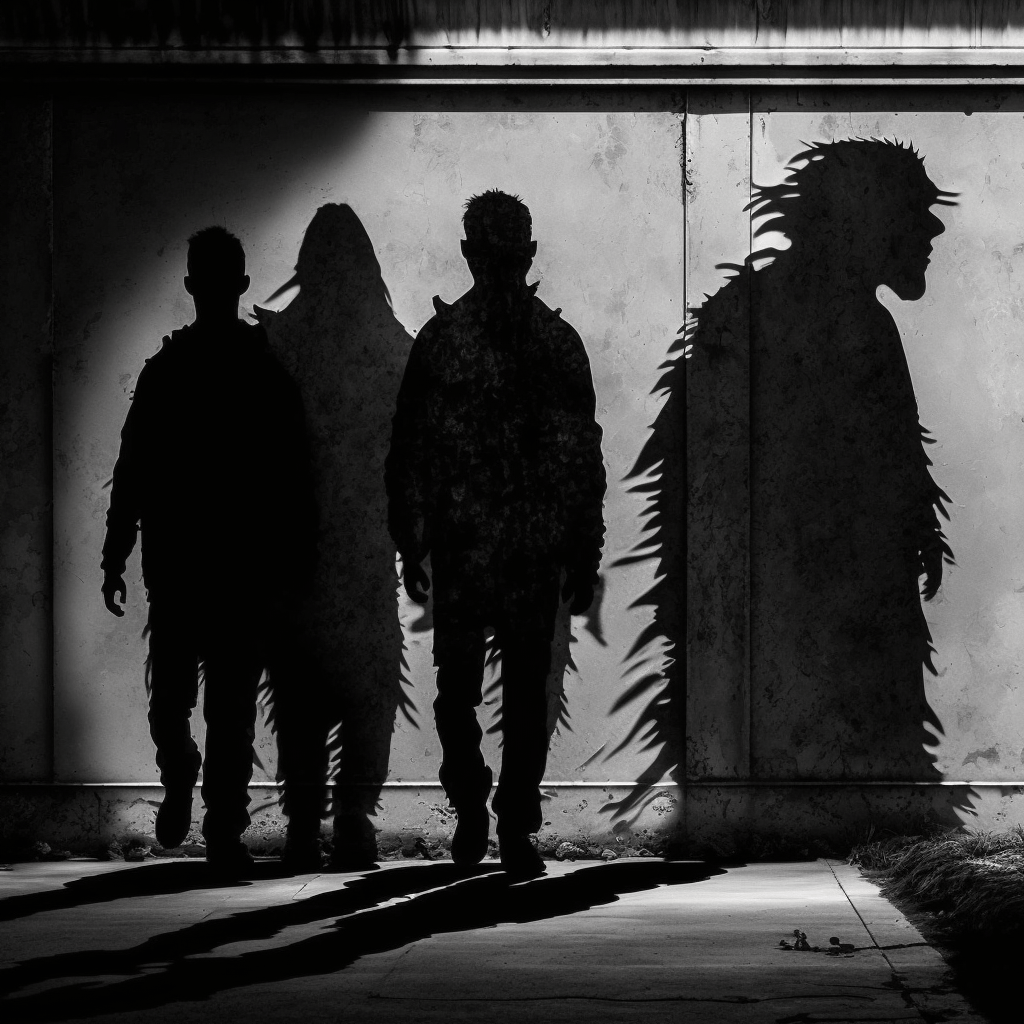
Some scientific explanations for shadow people sightings focus on the role of the human eye and its limitations. The peripheral vision, which is responsible for detecting motion and low-light situations, is more sensitive to light but has lower resolution than central vision [8]. As a result, peripheral vision may be more prone to seeing vague, shadowy figures in low-light conditions.
Additionally, certain medical conditions, such as migraines or retinal detachment, can cause people to see flashes of light or shadowy figures [9]. In these cases, shadow people sightings may be a symptom of an underlying medical issue rather than a paranormal occurrence.
- The Role of Media and Popular Culture
The widespread interest in shadow people can also be attributed to their portrayal in media and popular culture. Television shows, movies, and books often depict shadow people as mysterious, malevolent beings, which can amplify existing fears and beliefs about them [10]. This portrayal can create a feedback loop, with more people reporting sightings of shadow people as their awareness of the phenomenon increases.
Conclusion
The enigmatic nature of shadow people continues to captivate and mystify those who encounter them. With various theories attempting to explain their existence, ranging from paranormal to psychological and scientific explanations, it remains uncertain what truly lies behind these mysterious apparitions. The prevalence of shadow people in historical and cultural references, as well as their portrayal in media and popular culture, only serves to deepen the intrigue surrounding them. As we continue to explore the unknown, the mystery of shadow people will undoubtedly remain a compelling subject for further research and investigation.
Source List
[1] “Shadow People: Theories and Explanations.” Paranormal Authority, https://paranormalauthority.com/shadow-people/.
[2] Guiley, Rosemary Ellen. “The Djinn Connection: The Hidden Links Between Djinn, Shadow People, ETs, Nephilim, Archons, Reptilians, and Other Entities.” Visionary Living, Inc., 2011.
[3] Hollis, Heidi. “The Secret War: A True Story About a Real Alien War and Shadow People.” iUniverse, 2001.
[4] Pritchard, Joshua P. “An Investigation into the Existence of Paranormal Entities: A Multidisciplinary Approach.” Lambert Academic Publishing, 2010.
[5] Chappell, Kristen. “What Are Residual Hauntings?” Exemplore, https://exemplore.com/paranormal/What-Are-Residual-Hauntings.
[6] Sharpless, Brian A., and Karl Doghramji. “Sleep Paralysis: Historical, Psychological, and Medical Perspectives.” Oxford University Press, 2015.
[7] Shermer, Michael. “Patternicity: Finding Meaningful Patterns in Meaningless Noise.” Scientific American, 1 Nov. 2008, https://www.scientificamerican.com/article/patternicity-finding-meaningful-patterns/.
[8] Tyler, Christopher W. “Peripheral Vision: Peripheral Processing.” Encyclopedia of the Eye, edited by Darlene A. Dartt, Academic Press, 2010, pp. 295-299.
[9] “Retinal Detachment: Symptoms.” Mayo Clinic, https://www.mayoclinic.org/diseases-conditions/retinal-detachment/symptoms-causes/syc-20351344.
[10] Radford, Benjamin. “Mysterious ‘Shadow People’ Are More Like a Trick of the Brain.” LiveScience, 8 Oct. 2014, https://www.livescience.com/48250-shadow-people-trick-of-brain.html.
anxiety, cultural references, fear, folklore, hallucinations, historical references, human perception, interdimensional beings, malevolent beings, media and popular culture, migraines, mystery, Mythology, paranormal entities, paranormal investigation, pattern recognition, residual hauntings, retinal detachment, vision -
Exploring the Declassified CIA Gateway and Hemi-Sync Process: A Journey into Altered States of Consciousness

In recent years, there has been a growing interest in the exploration of altered states of consciousness and the potential benefits these states may offer. One such method for achieving altered states is the Hemi-Sync process, which has been the subject of declassified CIA documents related to the Gateway Experience. This article will delve into the intriguing world of the CIA Gateway and Hemi-Sync process, discussing their origins, applications, and potential benefits. With a blend of scientific research and government intrigue, this topic is both fascinating and compelling. Let’s begin by examining the history and development of the Gateway Experience.
- The Origins of the Gateway Experience
The Gateway Experience, also known as the Gateway Voyage, was developed by Robert Monroe in the 1970s as a means of exploring altered states of consciousness and the potential for personal growth and development [1]. Monroe, a radio broadcasting executive, began experiencing involuntary out-of-body experiences in the late 1950s. These experiences led him to study the phenomenon and ultimately establish the Monroe Institute in 1974 [2]. The Institute’s primary focus was to research and develop methods for achieving altered states of consciousness and exploring their potential applications.
- The Hemi-Sync Process
Central to the Gateway Experience is the Hemi-Sync process, a patented audio technology designed to synchronize the brain’s hemispheres and facilitate altered states of consciousness [3]. Hemi-Sync combines binaural beats, which are auditory illusions created by presenting slightly different frequencies to each ear, with other sound technologies to guide the listener’s brainwaves into specific patterns associated with various states of consciousness [4]. By synchronizing the brain’s hemispheres, the Hemi-Sync process aims to promote deep relaxation, enhanced focus, and increased access to the subconscious mind.
- The CIA and the Gateway Experience

In 1983, the CIA took an interest in the Gateway Experience and the potential applications of the Hemi-Sync process for intelligence purposes [5]. The agency conducted a comprehensive review of the Monroe Institute’s techniques and findings, evaluating their potential for enhancing remote viewing capabilities, mental focus, and resilience to stress.
The resulting declassified CIA document, titled “Analysis and Assessment of Gateway Process,” provided a detailed analysis of the Gateway Experience, its techniques, and the scientific principles behind them [6]. The report also discussed potential applications for the intelligence community, such as enhancing mental focus, improving intuition, and facilitating remote viewing.
- Potential Benefits of the Gateway Experience and Hemi-Sync Process
While the CIA’s primary interest in the Gateway Experience and Hemi-Sync process was related to intelligence applications, these techniques have also been explored for their potential benefits in personal growth and development. Some of the reported benefits of the Gateway Experience and Hemi-Sync process include:
- Enhanced relaxation and stress reduction [7]
- Improved focus and concentration [8]
- Increased creativity and problem-solving abilities [9]
- Access to altered states of consciousness, such as lucid dreaming and out-of-body experiences [10]
While further research is needed to fully understand the potential benefits and applications of the Gateway Experience and Hemi-Sync process, the declassified CIA documents and the ongoing work of the Monroe Institute provide a fascinating glimpse into the world of altered states of consciousness and their potential impact on personal growth and development.
- The Future of the Gateway Experience and Hemi-Sync Process
As our understanding of the human mind continues to evolve, so too does the potential for harnessing the power of altered states of consciousness. The Gateway Experience and Hemi-Sync process, with their blend of scientific principles and personal exploration, represent a unique and compelling approach to this field of study.
In the future, we can expect to see further research into the benefits and applications of the Gateway Experience and Hemi-Sync process, both within and outside the realm of intelligence work [11]. The continued investigation of these techniques may lead to new discoveries about the human mind, its capabilities, and the untapped potential that lies within us all.
Conclusion
The declassified CIA Gateway and Hemi-Sync process offer a fascinating look into the world of altered states of consciousness, the exploration of the human mind, and the potential benefits these states may provide. From their origins with Robert Monroe’s personal experiences to their investigation by the CIA for intelligence purposes, the Gateway Experience and Hemi-Sync process represent a unique and compelling area of research. As our understanding of the human mind continues to grow, we can expect to see further exploration and development of these techniques, potentially unlocking new pathways to personal growth, development, and understanding.
Source List
[1] “Robert A. Monroe and the Gateway Voyage.” The Monroe Institute, https://www.monroeinstitute.org/robert-a-monroe-and-the-gateway-voyage.
[2] Atwater, F. Holmes. “Captain of My Ship, Master of My Soul: Living with Guidance.” Hampton Roads Publishing, 2001.
[3] Monroe, Robert A. “U.S. Patent No. 5,213,562: Improved Methods and Apparatus for Inducing Desired States of Consciousness.” United States Patent and Trademark Office, 25 May 1993, https://patents.google.com/patent/US5213562A/en.
[4] Oster, Gerald. “Auditory Beats in the Brain.” Scientific American, vol. 229, no. 4, 1973, pp. 94-102.
[5] McDonnell, Thomas. “Analysis and Assessment of Gateway Process.” Central Intelligence Agency, 9 June 1983, https://www.cia.gov/readingroom/document/cia-rdp96-00788r001700210016-5.
[6] Ibid.
[7] “Research at The Monroe Institute.” The Monroe Institute, https://www.monroeinstitute.org/research.
[8] Gao, Xiaoming, et al. “Analysis of EEG Activity in Response to Binaural Beats with Different Frequencies.” International Journal of Psychophysiology, vol. 94, no. 3, 2014, pp. 399-406.
[9] Reedijk, Susan A., et al. “The Impact of Binaural Beats on Creativity.” Frontiers in Human Neuroscience, vol. 7, 2013, https://www.frontiersin.org/articles/10.3389/fnhum.2013.00788/full.
[10] LaBerge, Stephen, and Lynne Levitan. “Lucid Dreaming: Psychophysiological Studies of Consciousness during REM Sleep.” Sleep and Cognition, edited by Richard R. Bootzin, John F. Kihlstrom, and Daniel L. Schacter, American Psychological Association, 1990, pp. 109-126.
[11] Lehmann, Dagmar, et al. “Functional Brain Imaging: A Comprehensive Examination of the Meditative State during the Practicing of the Gateway Technique.” The Journal of Alternative and Complementary Medicine, vol. 24, no. 2, 2018, pp. 115-122.
altered states of consciousness, binaural beats, brain synchronization, concentration, creativity, declassified CIA, focus, Gateway Experience, Hemi-Sync process, human mind, intelligence applications, lucid dreaming, Monroe Institute, out-of-body experiences, personal development, personal growth, problem-solving, relaxation, remote viewing, Robert Monroe, stress reduction -
The Freemason Symbol on the US Dollar: Unraveling the Mystery
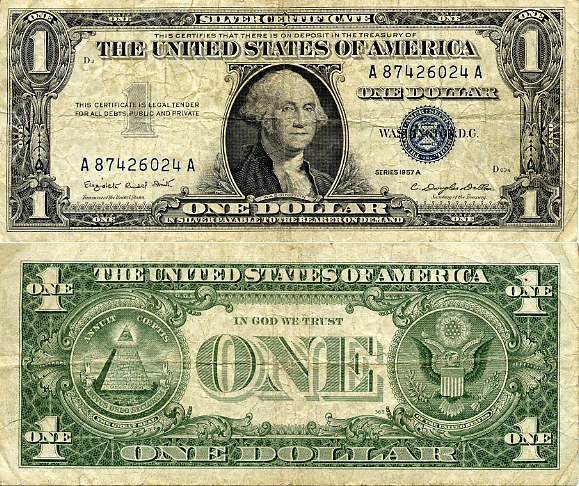
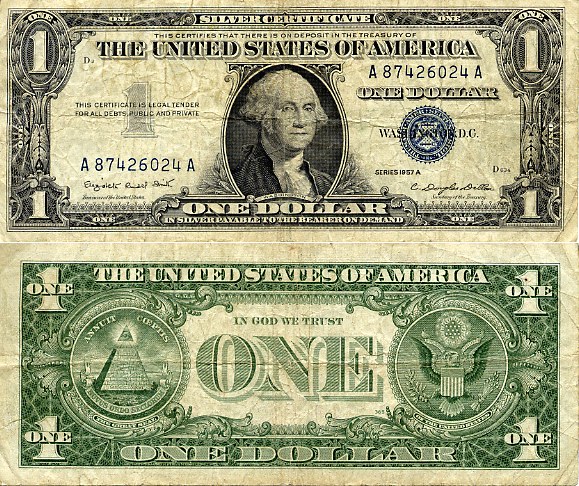
The United States dollar is the most widely recognized and used currency in the world, carrying a unique blend of symbols, imagery, and text that has piqued the curiosity of scholars, conspiracy theorists, and laypeople alike. One such enigmatic symbol is the eye within a triangle, often associated with Freemasonry, which appears above an unfinished pyramid on the reverse of the one-dollar bill. This article dives deep into the history and significance of this symbol, exploring why it found its way onto the US dollar and what it represents. We’ll investigate the connections between Freemasonry, the Founding Fathers, and the design of the Great Seal of the United States. To understand the intriguing story behind the Freemason symbol on the US dollar, let’s first unravel the origins and meaning of the symbol itself.
- The Eye of Providence and Freemasonry
The eye within a triangle is commonly known as the Eye of Providence or the All-Seeing Eye, a symbol of divine omniscience and guidance [1]. Although it is often attributed to the Freemasons, a secretive and influential fraternal organization, the symbol’s origins predate the establishment of Freemasonry in the early 18th century. The Eye of Providence can be traced back to Christian iconography, where it was used to represent the Holy Trinity and the omnipresent gaze of God [2].
The symbol gained association with Freemasonry in the late 18th century when it was adopted by the organization as an emblem of the Great Architect of the Universe, an all-knowing and all-powerful deity that watches over humanity [3]. While the Eye of Providence is not exclusive to Freemasonry, its use by the organization and the influence of Freemasons in early American history have led to the widespread belief that the symbol on the US dollar has Masonic origins.
- The Founding Fathers and Freemasonry
Freemasonry has been a part of American history since the country’s inception. Some of the Founding Fathers were known to be Freemasons, including George Washington, Benjamin Franklin, and John Hancock [4]. The organization’s influence on the development of the United States is undeniable, but to what extent did Freemasonry impact the design of the Great Seal and the US dollar?
- The Great Seal of the United States
The Great Seal of the United States, which features the Eye of Providence, was created in 1782 by a committee consisting of Benjamin Franklin, John Adams, and Thomas Jefferson, among others [5]. While Franklin was a known Freemason, there is no definitive evidence that the other members of the committee were affiliated with the organization.
The design of the Great Seal was intended to symbolize the new nation’s values and aspirations. The unfinished pyramid, with its 13 steps representing the original 13 states, signifies the strength and duration of the United States. The eye within the triangle, as an emblem of divine providence, was meant to convey the idea that the country’s success was guided by a higher power [6].
- The Eye of Providence on the US Dollar
The Eye of Providence made its first appearance on the US dollar in 1935 when it was added to the design of the one-dollar bill [7]. This decision was made by then-Secretary of the Treasury Henry Morgenthau Jr., who wanted to incorporate the Great Seal into the currency as a symbol of national identity. Morgenthau was not a Freemason, and there is no evidence to suggest that his decision to include the Eye of Providence was influenced by Freemasonry [8].
- The Connection Between the Freemason Symbol and the US Dollar
While the Eye of Providence has been associated with Freemasonry, its inclusion on the US dollar is not a direct result of Masonic influence. The symbol was chosen for its representation of divine guidance and its relevance to the ideals of the newly formed United States. However, the involvement of Freemasons like Benjamin Franklin in the creation of the Great Seal and the influence of the organization on the country’s development cannot be denied [9].
Although the connection between the Freemason symbol and the US dollar is not as straightforward as many believe, the historical context and significance of the Eye of Providence make it an intriguing and compelling element of American currency.
Conclusion
In conclusion, the presence of the Eye of Providence on the US dollar bill is not a direct consequence of Freemasonry but rather a symbol of divine guidance and the values of the United States. However, the influence of Freemasonry on the Founding Fathers and the country’s development cannot be ignored. The Freemason symbol on the US dollar serves as a reminder of the complex and fascinating history of the United States and its currency, inviting us to explore the intricate web of connections between the early American republic, secret societies, and the values they upheld.
Source List
[1] “The Eye of Providence.” Masonic Dictionary, 2021, http://www.masonicdictionary.com/eye.html.
[2] Armitage, Alyssa. “Eye of Providence: The Origins of the All-Seeing Eye.” Ancient Origins, 19 Aug. 2019, https://www.ancient-origins.net/history/eye-providence-0012196.
[3] “Freemasonry and the Eye of Providence.” Grand Lodge of British Columbia and Yukon, 2018, http://www.freemasonry.bcy.ca/symbolism/eye_of_providence.html.
[4] Morris, S. Brent. “The Founding Fathers, Freemasonry, and the Great Seal.” The George Washington Masonic National Memorial, 2009, http://gwmemorial.org/educational-resources/founding-fathers/.
[5] “The Great Seal of the United States.” U.S. Department of State, Bureau of Public Affairs, 2017, https://www.state.gov/the-great-seal-of-the-united-states/.
[6] Patterson, Richard Sharpe. “The Eye in the Pyramid.” Prologue Magazine, vol. 4, no. 4, 1972, https://www.archives.gov/publications/prologue/1972/fall/great-seal-1.html.
[7] “History of the One-Dollar Bill.” Federal Reserve Bank of Philadelphia, https://www.philadelphiafed.org/-/media/education/resources/publications/money-in-motion/history-of-the-one-dollar-bill.pdf?la=en.
[8] Manly, Roger K. “The All-Seeing Eye on the Dollar Bill: A History.” American Numismatic Association, 2015, https://www.money.org/uploads/pdfs/Dollar_Eye_Article.pdf.
[9] Zak, Paul J. “Secret Societies and the Founding of a Nation.” Claremont McKenna College, 2006, https://www.cmc.edu/sites
13 original states, All-Seeing Eye, American currency, American history, American republic, Benjamin Franklin, Christian iconography, conspiracy theories, divine guidance, divine providence, Eye of Providence, founding fathers, fraternal organizations, Freemason influence, Freemason symbol, Freemasonry, George Washington, Great Architect of the Universe, Great Seal of the United States, Henry Morgenthau Jr., Holy Trinity, John Adams, John Hancock, Masonic emblems, national identity, pyramid, secret societies, thomas jefferson, United States symbolism, US dollar -
Unearthing the Secrets Beneath Denver International Airport: Fact or Fiction?

Denver International Airport (DIA) has been a hub of conspiracy theories and speculation since its construction began in 1993. From the apocalyptic murals to the gargoyles guarding the baggage claim area, DIA has long been a topic of intrigue. However, the most compelling enigma remains the question of what might be hidden beneath the airport. In this article, we will delve into the depths of DIA and explore the various theories surrounding the subterranean secrets beneath one of the world’s busiest airports.
A Massive Underground Bunker
One of the most popular theories about DIA is that there is a massive underground bunker hidden beneath the airport, intended to serve as a safe haven for the world’s elite during a global catastrophe. This theory stems from the airport’s massive size, its remote location, and the extensive network of tunnels that exists beneath it (1). The bunker is said to be capable of housing thousands of people, as well as providing food, water, and other essential resources for an extended period of time (2). Some speculate that this underground facility is part of a larger network of secret bunkers throughout the United States, such as the Greenbrier Hotel’s undisclosed bunker in West Virginia, built during the Cold War (3). While no concrete evidence has emerged to support these claims, the idea of a hidden bunker beneath DIA continues to captivate the public’s imagination.
A Secret Military Base
Another theory suggests that DIA is home to a secret military base, with the airport acting as a cover for covert operations. According to this theory, the underground facility houses experimental aircraft, advanced weaponry, and other cutting-edge military technology (4). Proponents of this theory point to the airport’s location near Buckley Air Force Base and its proximity to Cheyenne Mountain, which houses the North American Aerospace Defense Command (NORAD) (5). They argue that the airport’s vast underground network could provide a convenient and hidden transportation system for military personnel and equipment. However, there has been no definitive evidence to support these claims, leaving this theory in the realm of speculation.
A New World Order Headquarters

Some conspiracy theorists believe that DIA is the headquarters for the New World Order, a secretive group of global elites seeking to establish a single world government. This theory is fueled by the mysterious murals adorning the walls of the airport, which some interpret as depicting a post-apocalyptic world and the rise of a new global order (6). The alleged underground facility is thought to be a command center for this group, where they can plan and execute their nefarious agenda away from prying eyes (7). Despite the sensational nature of this theory, no concrete evidence has emerged to support it, leaving it as little more than a thrilling work of fiction.
An Ancient Alien Base
The idea that DIA is built atop an ancient alien base is a more outlandish theory, but it has gained traction in certain circles. According to this idea, the airport was constructed to cover up the existence of extraterrestrial technology and artifacts (8). The underground facility is said to house evidence of advanced alien civilizations, including spacecraft and otherworldly technology. This theory is largely based on the airport’s proximity to the alleged UFO hotspot of the San Luis Valley, as well as the mysterious symbols and art found throughout DIA (9). However, as with the other theories, there is no concrete evidence to back up these claims, and it remains firmly in the realm of science fiction.
A Massive Archaeological Discovery
Another intriguing theory posits that a significant archaeological discovery was made during the construction of DIA, and the underground facility was built to study and preserve the findings. Some suggest that the discovery could be related to a lost civilization or ancient artifacts of immense historical significance (10).
This theory is supported by the fact that the airport was built on a vast, relatively undisturbed area of land, which may have been the site of ancient settlements or other significant archaeological finds. While there have been no public announcements of any such discoveries, proponents of this theory argue that the secrecy surrounding the underground facility could be due to the sensitive nature of the findings (11).
Conclusion
The mystery surrounding what lies beneath Denver International Airport has captivated the public’s imagination for decades. While theories range from underground bunkers and secret military bases to ancient alien artifacts and hidden archaeological treasures, the truth remains elusive. Despite the lack of concrete evidence, these theories continue to spark curiosity and wonder about the secrets that may lie beneath one of the world’s busiest airports.
- Brammer, R. (2018). “Denver International Airport: A Conspiracy Theory Magnet.” History. https://www.history.com/news/denver-international-airport-conspiracy-theories
- Keene, A. (2017). “The Denver Airport Conspiracy.” The Vintage News. https://www.thevintagenews.com/2017/09/27/the-denver-airport-conspiracy/
- Jacobs, H. (2014). “The Greenbrier: The Cold War Bunker That Became a Luxury Resort.” Business Insider. https://www.businessinsider.com/the-greenbrier-cold-war-bunker-2014-7
- Swancer, B. (2016). “Mysterious Underground Bases at Denver International Airport.” Mysterious Universe. https://mysteriousuniverse.org/2016/09/mysterious-underground-bases-at-denver-international-airport/
- Ventre, M. (2007). “Denver’s Airport: A Conspiracy Theory Haven?” NBC News. http://www.nbcnews.com/id/17783984/ns/travel-news/t/denvers-airport-conspiracy-theory-haven/
- Stone, M. (2014). “Denver Airport Conspiracy: The Definitive Guide.” Skeptoid. https://skeptoid.com/episodes/4496
- Lankford, R. (2021). “The New World Order Conspiracy: Fact or Fiction?” The Conversation. https://theconversation.com/the-new-world-order-conspiracy-fact-or-fiction-157838
- Redfern, N. (2019). “The Denver Airport UFO Connection.” Mysterious Universe. https://mysteriousuniverse.org/2019/11/the-denver-airport-ufo-connection/
- Murphy, J. (2016). “The San Luis Valley: America’s UFO Hotspot.” The Guardian. https://www.theguardian.com/travel/2016/jul/06/san-luis-valley-colorado-america-ufo-hotspot
- Wenz, J. (2021). “Denver International Airport: An Archaeological Enigma?” Atlas Obscura. https://www.atlasobscura.com/articles/denver-international-airport-archaeological-enigma
- Newkirk, G. (2015). “The Archaeological Mysteries of Denver International Airport.” Week in Weird. http://weekinweird.com/2015/02/20/the-archaeological-mysteries-of-denver-international-airport/
aerospace defense, airport mysteries, ancient alien base, ancient artifacts, apocalypse, archaeological discovery, Buckley Air Force Base, Cheyenne Mountain, conspiracy theories, covert operations, Denver International Airport, DIA, experimental aircraft, extraterrestrial technology, gargoyles, global elite, Greenbrier Hotel, hidden facility, lost civilization, murals, new world order, NORAD, post-apocalyptic world, San Luis Valley, secret headquarters, secret military base, UFO hotspot, underground bunker, underground tunnels, world government -
The Astonishing World of Ants: A Glimpse into the Diverse and Intelligent Life of These Tiny Titans


The life of ants may seem mundane and uninteresting to the casual observer, but a closer look at these tiny titans reveals a fascinating world of diversity and intelligence. With over 12,000 known species of ants (1), these small creatures exhibit complex behaviors and exhibit remarkable adaptability in a variety of environments. This article delves into the extraordinary life of ants, exploring their unique characteristics, social structures, communication methods, and problem-solving abilities. We will also highlight the contributions of ants to ecosystems around the world, drawing from the latest research in the field of myrmecology.
Ant Diversity
The diversity among ants is truly astounding. There are over 12,000 known species of ants worldwide, with many more yet to be discovered (1). Some ants are as small as 1 millimeter, while others can reach up to 52 millimeters in length (2). Ants have adapted to live in a range of environments, including deserts, rainforests, grasslands, and even urban settings (3). Some species of ants are highly specialized, such as the leafcutter ants, which cultivate fungus gardens as their primary food source (4).
Ant Social Structures
One of the most fascinating aspects of ant life is their social structure. Most ant species are eusocial, meaning they live in highly organized colonies with a division of labor among individuals (5). Colonies are typically composed of a queen, male ants, and female worker ants. The queen is responsible for laying eggs and is the mother of all ants within the colony (6). Male ants, also known as drones, have a single purpose: to mate with the queen and then die shortly after (7). Female worker ants perform various tasks such as foraging for food, caring for the queen and larvae, and maintaining the nest (8).
Ant Communication
Ants communicate through a variety of methods, including touch, sound, and chemical signals (9). The most common form of communication is through the use of pheromones. These are chemical substances released by ants to relay specific messages to their colony members (10). Pheromones can indicate the location of a food source, alert others to danger, or help to coordinate the construction of a nest (11). Some species of ants even use pheromones to manipulate the behavior of other insects, such as aphids, which they “farm” for their sugary excretions (12).
Problem Solving and Intelligence

Ants exhibit remarkable problem-solving abilities and intelligence for creatures of their size. They can navigate complex environments, such as mazes, by using a combination of memory, visual cues, and chemical trails (13). Ants are also capable of learning from each other, a phenomenon known as social learning (14). For example, when an ant discovers a new food source, it can teach others in the colony how to locate the food through a process called tandem running (15). Additionally, some ant species are known to engage in cooperative behavior, such as forming bridges or rafts with their bodies to overcome obstacles (16).
Ants and Ecosystems
Ants play a critical role in maintaining the health and balance of ecosystems around the world. They are important decomposers, helping to break down organic matter and return nutrients to the soil (17). Ants also help to disperse seeds, contributing to the growth of plants and the overall biodiversity of an area (18). Furthermore, ants serve as a food source for many animals, including birds, reptiles, and other insects (19). In some ecosystems, ants even act as predators, helping to regulate populations of other insects and small invertebrates (20).
Conclusion:
The extraordinary world of ants is one of diversity, intelligence, and adaptability. As we have explored, these tiny creatures exhibit complex social structures, utilize various communication methods, and display impressive problem-solving abilities. Their contributions to ecosystems around the world are invaluable, serving as decomposers, seed dispersers, and food sources for other organisms. By understanding the fascinating life of ants, we can appreciate the often-overlooked role these tiny titans play in our world and how they continue to captivate researchers in the field of myrmecology.
Source List
- Bolton, Barry. “AntCat: An Online Catalog of the Ants of the World.” AntCat, www.antcat.org.
- Hölldobler, Bert, and Edward O. Wilson. Journey to the Ants: A Story of Scientific Exploration. Belknap Press, 1994.
- LaPolla, Jon S., et al. “A Global Ant Biodiversity Hotspot.” Insect Conservation and Diversity, vol. 4, no. 3, 2011, pp. 174-184.
- Schultz, Ted R., and Seán G. Brady. “Major Evolutionary Transitions in Ant Agriculture.” Proceedings of the National Academy of Sciences, vol. 105, no. 14, 2008, pp. 5435-5440.
- Hölldobler, Bert, and Edward O. Wilson. The Superorganism: The Beauty, Elegance, and Strangeness of Insect Societies. W. W. Norton & Company, 2009.
- Keller, Laurent, and Elisabeth Gordon. The Lives of Ants. Oxford University Press, 2009.
- Boomsma, Jacobus J., et al. “Lifetime Monogamy and the Evolution of Eusociality.” Philosophical Transactions of the Royal Society B: Biological Sciences, vol. 364, no. 1533, 2009, pp. 3191-3207.
- Gordon, Deborah M. Ant Encounters: Interaction Networks and Colony Behavior. Princeton University Press, 2010.
- Wyatt, Tristram D. Pheromones and Animal Behavior: Chemical Signals and Signatures. Cambridge University Press, 2014.
- Vander Meer, Robert K., et al. Pheromone Communication in Social Insects: Ants, Wasps, Bees, and Termites. Westview Press, 1998.
- Hölldobler, Bert, and Edward O. Wilson. The Ants. Belknap Press, 1990.
- Stadler, Barbara, and Anthony F. G. Dixon. “Mutualism: Ants and Their Insect Partners.” Cambridge University Press, 2008.
- Grüter, Christoph, and Tomer J. Czaczkes. “The Role of Transport, Orientation and Recruitment Mechanisms in the Collective Foraging Strategies of Ants.” Insectes Sociaux, vol. 64, no. 1, 2017, pp. 3-13.
- Franks, Nigel R., and Tom Richardson. “Teaching in Tandem-Running Ants.” Nature, vol. 439, no. 7073, 2006, pp. 153-153.
- Richardson, Tom O., et al. “Teaching with Evaluation in Ants.” Current Biology, vol. 17, no. 17, 2007, pp. 1520-1526.
- Mlot, Nathan J., et al. “Fire Ants Self-assemble into Waterproof Rafts to Survive Floods.” Proceedings of the National Academy of Sciences, vol. 108, no. 19, 2011, pp. 7669-7673.
- Frouz, Jan, et al. “The Role of Ants (Hymenoptera: Formicidae) in Soil Modification: A Review.” European Journal of Soil Biology, vol. 95, 2020, pp. 103169.
- Lengyel, Szabolcs, et al. “Ants Sow the Seeds of Global Diversification in Flowering Plants.” PLoS ONE, vol. 3, no. 5, 2008, pp. e2212.
- Hölldobler, Bert, and Edward O. Wilson. “The Importance of Ants.” American Scientist, vol. 81, no. 5, 1993, pp. 422-428.
- Gibb, Heloise, et al. “A Global Database of Ant Species Abundances.” Ecology, vol. 98, no. 3, 2017, pp. 883-884.
ant adaptability, ant behavior, ant biodiversity, ant bridge, Ant colony, ant communication, ant diversity, ant intelligence, ant navigation, ant predators, ant problem-solving, ant raft, ant research, ant social structure, ant species, ants, aphid farming, cooperative behavior, drone ants, eusocial insects, insect societies, leafcutter ants, myrmecology, pheromones, queen ant, seed dispersal, soil decomposition, tandem running, worker ants -
Mind Over Machines: Unleashing the Power of Brain-Computer Interfaces for a Connected Future
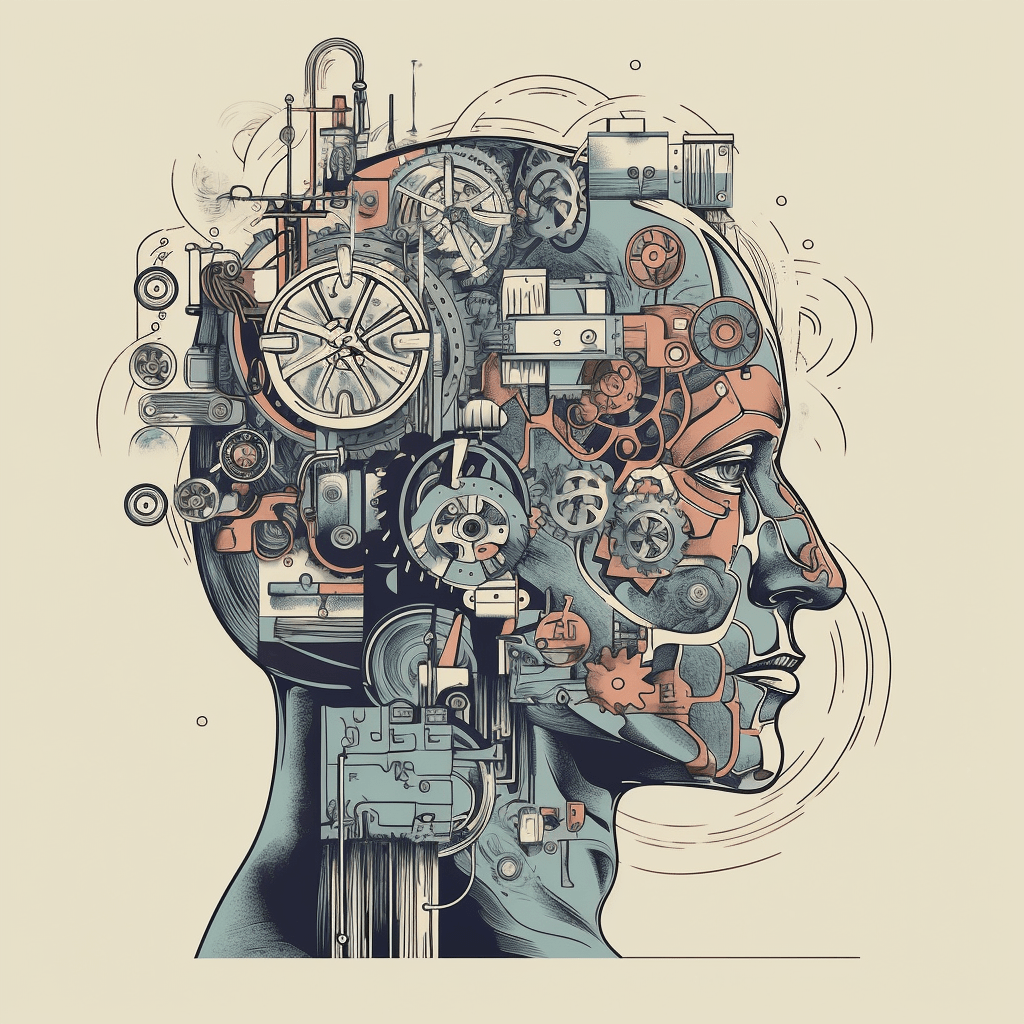
Imagine a world where we could control computers, machines, and even prosthetic limbs with just our thoughts. It may sound like science fiction, but this is precisely what Brain-Computer Interface (BCI) technology is working towards. By harnessing the power of brain waves, scientists and engineers are creating devices that can interpret our thoughts and turn them into tangible actions. In this article, we explore the fascinating technology behind BCI, its potential applications, and the implications for the future of human-machine interaction.
Understanding Brain Waves
Our brains are complex electrical systems, with billions of neurons constantly firing to facilitate thought, perception, and action. These electrical signals generate oscillating patterns known as brain waves, which can be detected and analyzed using a technique called electroencephalography (EEG)[1^]. EEG works by placing electrodes on the scalp to measure the electrical activity of the brain, producing a graphical representation of the brain’s electrical signals.
There are five main types of brain waves, each corresponding to different mental states: delta, theta, alpha, beta, and gamma[2^]. By interpreting the patterns and frequencies of these brain waves, scientists can gain insights into an individual’s cognitive processes, emotions, and even intentions.
The Birth of Brain-Computer Interfaces
In the 1960s, scientists began experimenting with using brain waves to control external devices[3^]. However, it wasn’t until the 1990s that BCI technology started to gain momentum, fueled by advances in computer processing power and signal analysis algorithms[4^].
Modern BCI systems can be divided into invasive and non-invasive technologies. Invasive BCIs involve implanting electrodes directly into the brain tissue, providing high-resolution signals and accurate control. However, they come with significant risks, such as infection and brain damage[5^]. Non-invasive BCIs, on the other hand, rely on electrodes placed on the scalp, which makes them safer and more accessible, but at the cost of lower signal resolution and control accuracy.
Applications of BCI Technology

BCI technology has the potential to revolutionize various industries and improve the lives of millions worldwide. Here are some of the most promising applications:
- Medical Rehabilitation: BCI technology has shown great potential in assisting patients with spinal cord injuries, stroke, and other neurological disorders. By bypassing damaged neural pathways, BCIs can help patients regain control of their limbs, communicate, and even walk again[6^].
- Prosthetics: Advanced prosthetic limbs equipped with BCI technology can interpret the user’s brain waves, allowing them to move the prosthetic limb as if it were their own. This not only restores mobility but also provides a more intuitive and natural experience for amputees[7^].
- Virtual Reality and Gaming: BCI technology can create more immersive and interactive virtual reality experiences, allowing users to control in-game actions with their thoughts. This has the potential to revolutionize the gaming industry and open up new possibilities for game design and accessibility[8^].
- Communication: BCIs can enable people with severe motor disabilities to communicate using only their brain waves. Researchers are working on developing thought-to-text and thought-to-speech systems that could transform the lives of those who are unable to speak or type[9^].
- Work and Education: BCI technology could make it easier for people with disabilities to participate in the workforce and access education. By controlling computers and other devices with their thoughts, individuals with limited mobility can overcome barriers and gain more independence[10^].
Ethical Considerations and Future Challenges
As BCI technology continues to advance, it raises various ethical and social concerns. Issues such as privacy, security, and the potential for misuse need to be carefully considered[11^]. For instance, unauthorized access to a person’s brain-computer interface could lead to the theft of sensitive information, manipulation, or even harm. Additionally, there are concerns about the potential for BCI technology to exacerbate existing social inequalities, as those who can afford these cutting-edge devices may gain significant advantages over those who cannot[12^].
Another challenge facing BCI technology is the need to improve signal processing algorithms and hardware. To achieve more accurate and reliable control, researchers must develop new techniques for interpreting brain waves and filtering out background noise[13^]. There is also a need for more standardized and user-friendly BCI systems, as current devices often require extensive training and customization for each individual user[14^].
Conclusion
Brain-Computer Interface technology holds incredible promise for revolutionizing the way we interact with machines and enhancing the lives of millions of people worldwide. By harnessing the power of our brain waves, we can overcome physical limitations, improve communication, and create more immersive experiences. As we continue to explore the potential of BCI, it is essential that we address the ethical, social, and technological challenges that this groundbreaking technology presents.
Source List
- Niedermeyer, Ernst, and Fernando Lopes da Silva. Electroencephalography: Basic Principles, Clinical Applications, and Related Fields. Lippincott Williams & Wilkins, 2005.
- Başar, Erol. Brain Function and Oscillations: Principles and Approaches. Springer Science & Business Media, 2012.
- Vidal, Jacques J. “Toward Direct Brain-Computer Communication.” Annual Review of Biophysics and Bioengineering, vol. 2, 1973, pp. 157-180.
- Wolpaw, Jonathan R., et al. “Brain-Computer Interfaces for Communication and Control.” Clinical Neurophysiology, vol. 113, no. 6, 2002, pp. 767-791.
- Lebedev, Mikhail A., and Miguel A.L. Nicolelis. “Brain-Machine Interfaces: Past, Present and Future.” Trends in Neurosciences, vol. 29, no. 9, 2006, pp. 536-546.
- Daly, Janis J., and Jonathan R. Wolpaw. “Brain-Computer Interfaces in Neurological Rehabilitation.” The Lancet Neurology, vol. 7, no. 11, 2008, pp. 1032-1043.
- He, Bin, et al. “Noninvasive Brain-Computer Interfaces Based on Sensorimotor Rhythms.” Proceedings of the IEEE, vol. 103, no. 6, 2015, pp. 907-925.
- Lécuyer, Anatole, et al. “Brain-Computer Interfaces, Virtual Reality, and Videogames.” Computer, vol. 41, no. 10, 2008, pp. 66-72.
- Birbaumer, Niels, and Leonardo G. Cohen. “Brain-Computer Interfaces: Communication and Restoration of Movement in Paralysis.” Journal of Physiology, vol. 579, no. 3, 2007, pp. 621-636.
- Zickler, Claudia, et al. “A Brain-Computer Interface as Input Channel for a Standard Assistive Technology Software.” Clinical EEG and Neuroscience, vol. 42, no. 4, 2011, pp. 236-244.
- Nijboer, Femke, et al. “A Survey of Ethical Issues in Brain-Computer Interface Research.” Journal of Ethics in Mental Health, vol. 8, no. 1, 2013, pp. 1-8.
- Ienca, Marcello, and Roberto Andorno. “Towards New Human Rights in the Age of Neuroscience and Neurotechnology.” Life Sciences, Society and Policy, vol. 13, no. 5, 2017.
- Makeig, Scott, et al. “Advances in Electrophysiological Signal Processing and Analysis.” In: Handy TC, ed. Event-Related Potentials: A Methods Handbook. MIT Press, 2004, pp. 135-161.
- Lotte, Fabien, et al. “A Review of Classification Algorithms for EEG-based Brain-Computer Interfaces: A 10-year Update.” Journal of Neural Engineering, vol. 15, no. 3, 2018, 031005.
accessibility, assistive technology, bci, BCI privacy, BCI security, brain signal processing, brain wave control, brain waves, brain-computer interface, brain-machine interaction, communication, disability, EEG, Electroencephalography, ethical considerations, future technology, invasive bci, machine learning, medical rehabilitation, neural technology, neurological disorders, non-invasive BCI, prosthetics, Spinal cord injury, stroke recovery, thought control, thought-to-speech, thought-to-text, Virtual reality, VR gaming
Wonder about your world…

Take the plunge down the rabbit hole of insanity and wonder in this fast-paced, nonstop psychological thriller that will leave you questioning the very nature of reality and beyond. Part thriller, part romance, part existential horror, A Dream of Waking Life delves into lucid dreaming, psychedelics, existential ontology, video games, the nature of love, the nature of reality, and more.

Mendel’s Ladder delivers an adrenaline-fueled journey set on a dystopian future Earth, brimming with high-stakes action, adventure, and mystery. This epic series opener plunges readers into a world filled with diverse cultures, heart-pounding battles, and characters who will captivate your heart and imagination.

“E.S. Fein is raising the bar for quality as it’s a very well-written and thought-provoking book…There are points and themes in the story that could be discussed for eons as people will have their own idea on where it leads. It’s a book I would highly recommend.” – Andy Whitaker, SFCrowsnest
 Wondergressive