-
Ancient Civilizations on Mars: Fact, Fiction, or NASA Cover-Up?


Mars, our enigmatic planetary neighbor, has been the subject of fascination, speculation, and scrutiny for centuries. As scientific advancements have allowed us to explore the Red Planet in greater detail, one question has continued to captivate both researchers and the public alike: did ancient civilizations once exist on Mars? Furthermore, is it possible that evidence of these civilizations has been discovered and subsequently concealed by NASA? This comprehensive, research-based exploration delves into the history of Martian exploration, the theories surrounding ancient Martian civilizations, and the claims of a NASA cover-up, while examining the scientific basis for these intriguing ideas.
I. Mars Exploration: A Historical Overview
Mars has long been a source of wonder, particularly due to its striking red appearance in the night sky. Ancient astronomers, including the Sumerians, Egyptians, and Greeks, all had unique interpretations of the planet and its significance. However, it wasn’t until the invention of the telescope and the subsequent advancements in space exploration that we began to glean a deeper understanding of Mars and its potential for hosting life.
The first successful mission to Mars was NASA’s Mariner 4, which conducted a flyby in 1965, capturing the first close-up images of the planet’s surface. Since then, numerous missions from various space agencies, including NASA, the European Space Agency (ESA), and the Russian Federal Space Agency, have been launched to explore Mars further. Landers, orbiters, and rovers have all contributed valuable data and images, deepening our understanding of the Martian landscape, climate, and geology.
II. Theories of Ancient Martian Civilizations
The idea of ancient civilizations on Mars has long captured the imagination of the public and fringe researchers alike. Various theories have been proposed, fueled by images and data from Mars exploration missions. Some of the most popular theories include:
- The Face on Mars: In 1976, the Viking 1 orbiter captured an image of a landform in the Cydonia region of Mars, which appeared to resemble a humanoid face. This discovery sparked a wave of speculation that the “Face on Mars” was an artificial structure, evidence of an ancient Martian civilization. Later, higher-resolution images taken by the Mars Global Surveyor and Mars Reconnaissance Orbiter revealed that the “face” was merely an optical illusion created by natural geological formations.
- Pyramids and Structures: Other images of the Martian surface have revealed what some claim to be pyramid-like structures, city ruins, or other artificial formations. Proponents of these theories argue that these structures are remnants of ancient Martian civilizations. However, mainstream scientific consensus maintains that these formations are the result of natural geological processes, such as erosion and volcanic activity.
- Martian Fossils: Some researchers have claimed that images from Mars rovers, such as the Mars Pathfinder, Spirit, and Opportunity, contain evidence of fossilized remains of ancient Martian lifeforms. These purported fossils range from microbial life to larger, more complex organisms. However, no definitive evidence of past or present life on Mars has been confirmed by the scientific community.
III. Allegations of a NASA Cover-Up

As theories of ancient civilizations on Mars have gained traction, so too have claims that NASA and other space agencies are concealing evidence of these discoveries. The reasoning behind these allegations varies, with some suggesting that the truth is being withheld to prevent panic or to maintain control over the narrative of human history. Others argue that the cover-up is financially motivated, with space agencies profiting from the continued exploration of Mars.
However, there is no concrete evidence to support these claims of a cover-up. Many of the images and data cited by proponents of these theories can be readily explained
by natural geological processes or optical illusions. Furthermore, the scientific community at large, including researchers from various countries and institutions, has not corroborated the existence of ancient Martian civilizations or any attempts to suppress such information.
IV. Scientific Perspective on Life on Mars
While the idea of ancient civilizations on Mars is largely considered to be speculative, the scientific community has not entirely ruled out the possibility of past or present microbial life on the Red Planet. The discovery of water ice on Mars, as well as evidence of liquid water in the planet’s past, suggests that the necessary conditions for life may have once existed.
Additionally, the detection of methane in the Martian atmosphere has raised questions about its origin, as methane can be produced by both geological processes and biological activity. However, no definitive evidence of life on Mars has been found to date. Ongoing and future missions, such as NASA’s Mars 2020 Perseverance rover and ESA’s ExoMars program, will continue to investigate the potential for life on Mars, both past and present.
V. Conclusion
The question of ancient civilizations on Mars and the possibility of a NASA cover-up is undeniably intriguing and has captured the public’s imagination for decades. However, despite the numerous theories and claims, there is no definitive evidence to support the existence of ancient Martian civilizations or attempts to conceal such information.
While the notion of advanced civilizations on Mars remains speculative, the search for life on the Red Planet, particularly microbial life, continues to be a major focus of scientific inquiry. As our understanding of Mars and its potential for hosting life deepens, the prospect of uncovering the secrets of our enigmatic neighbor will undoubtedly remain a driving force in the ongoing exploration of our solar system.
Communication, Education, Environment, Featured, Health, Lifestyle, Philosophy, Politics, Science, Technologyancient civilizations, cover-up, Cydonia, European Space Agency, ExoMars program, Face on Mars, life on mars, Mariner 4, Mars, Mars 2020 Perseverance rover, Mars Global Surveyor, Mars missions, Mars Pathfinder, Mars Reconnaissance Orbiter, Mars rovers, Martian climate, Martian exploration, Martian fossils, Martian geology, Martian pyramids, Martian water, methane on Mars, NASA, Opportunity, Red Planet, Russian Federal Space Agency, solar system, Space Exploration, spirit, Viking 1 -
Mothman: Myth, Legend, or Reality?

Deep in the annals of American folklore lies the enigmatic and perplexing tale of the Mothman, a legendary creature that has captivated the imaginations of enthusiasts and skeptics alike for decades. Since its first alleged sighting in the mid-1960s, the Mothman has sparked endless debate, inspired works of fiction, and triggered countless investigations into its existence. Is the Mothman simply a product of human imagination or something more? This comprehensive, research-based exploration delves into the origins, sightings, and theories surrounding the Mothman phenomenon, all while examining the cultural impact it has had on popular consciousness.
I. The Origins of the Mothman Legend
The Mothman story originates from the small town of Point Pleasant, West Virginia. The first recorded sighting occurred on November 15, 1966, when five men reported seeing a large, winged creature soaring above a cemetery. Soon after, on November 16, two young couples, Roger and Linda Scarberry and Steve and Mary Mallette, claimed to have encountered the creature near the abandoned TNT factory known as the “McClintic Wildlife Management Area.” Described as a humanoid figure with glowing red eyes, a ten-foot wingspan, and the ability to fly at incredible speeds, the Mothman quickly became a local sensation.
As word spread, more sightings were reported in and around Point Pleasant, culminating in the tragic collapse of the Silver Bridge on December 15, 1967. The disaster, which claimed the lives of 46 people, was soon linked to the Mothman sightings by locals and enthusiasts, who believed the creature was an ominous harbinger of doom.
II. The Mothman Phenomenon: Sightings and Stories
The initial encounters in Point Pleasant were merely the beginning of the Mothman phenomenon. Sightings continued throughout the 1960s and beyond, with reports of encounters in various locations across the United States and even internationally.
Some of the most notable sightings include:
- The 1967 Chicago Mothman sightings: A series of encounters were reported around the Chicago area, with witnesses describing a creature similar in appearance to the Mothman of Point Pleasant.
- The 1978 Freiburg, Germany sighting: A group of miners reportedly encountered a large, winged creature with glowing red eyes that emitted a deafening screech, causing them to flee in terror.
- The 2000 South Texas Mothman sighting: A police officer claimed to have seen a large, winged creature flying over a rural highway in South Texas.
- The 2017 Chicago Mothman flap: In what has been dubbed the “Chicago Mothman flap,” over 50 reported sightings of a large, winged humanoid were documented throughout the Chicago area in 2017.
III. Theories and Explanations: What Could the Mothman Be?

As the Mothman legend has grown, so too have the theories attempting to explain its existence. While some firmly believe in the creature’s supernatural or extraterrestrial origins, others offer more grounded explanations rooted in the natural world.
- Misidentified Wildlife: One of the most prevalent theories suggests that Mothman sightings can be attributed to misidentified large birds, such as sandhill cranes, herons, or owls. Some proponents of this theory argue that the glowing red eyes often reported in sightings are a result of eyeshine, a phenomenon caused by the reflection of light off the tapetum lucidum, a layer of tissue in the eyes of many vertebrates.
- Hoaxes and Mass Hysteria: Another possibility is that the Mothman sightings are a combination of hoaxes and mass hysteria. With the media attention garnered by the initial sightings in Point Pleasant, it is plausible that pranksters and copycats began to fabricate encounters, contributing to the growing legend. Mass hysteria, fueled by fear and anxiety, could also lead individuals to misinterpret ordinary events or objects as the Mothman, perpetuating the phenomenon.
- Supernatural or Extraterrestrial Origins: For those who believe in the Mothman’s paranormal nature, theories range from the creature being an interdimensional being, a cryptid (an undiscovered animal), or an extraterrestrial visitor. Proponents of these theories often point to the strange coincidences and unexplained events surrounding Mothman sightings, such as the Silver Bridge collapse and other alleged precursors to disasters.
- Psychological Factors: Some researchers suggest that Mothman sightings may be the result of psychological factors, such as pareidolia (the tendency to perceive meaningful patterns or connections in random stimuli) or sleep paralysis (a condition in which individuals experience temporary paralysis and vivid hallucinations upon waking or falling asleep). These psychological phenomena could lead people to perceive ordinary events or objects as encounters with the mysterious Mothman.
IV. The Cultural Impact of the Mothman Legend
Regardless of its true nature, the Mothman has had a significant cultural impact since its first appearance in the 1960s. The creature has been the subject of numerous books, films, television shows, and documentaries, most notably John Keel’s 1975 book, “The Mothman Prophecies,” and the 2002 film adaptation starring Richard Gere.
The Mothman has also become a symbol of the town of Point Pleasant, where the Mothman Museum and Research Center and an annual Mothman Festival draw thousands of visitors each year. The festival, which began in 2002, features guest speakers, Mothman-themed events, and a variety of vendors selling Mothman-related merchandise.
V. Conclusion
The Mothman remains an enigmatic and enduring figure in American folklore, inspiring both fear and fascination in equal measure. Whether it is a misidentified animal, the product of mass hysteria and hoaxes, or something far more mysterious, the Mothman phenomenon continues to captivate the public imagination. As long as sightings persist and curiosity endures, the legend of the Mothman will live on, serving as a reminder of the human desire to seek answers to the unexplained.
Communication, Education, Environment, Featured, Health, Lifestyle, Philosophy, Politics, Science, TechnologyAmerican folklore, cryptid, extraterrestrial theories, glowing red eyes, interdimensional beings, John Keel, mass hysteria, misidentified wildlife, Mothman, Mothman encounters, Mothman Festival, Mothman history, Mothman in popular culture, Mothman investigations, Mothman legend, Mothman Museum, Mothman origins, Mothman Prophecies, Mothman sightings, Mothman theories, Mothman-inspired fiction, paranormal, Point Pleasant, psychological explanations, Silver Bridge collapse, supernatural theories, unexplained phenomena, urban legends, West Virginia, winged humanoid -
The Voynich Manuscript: The World’s Most Mysterious Book


The Voynich Manuscript, an enigmatic 15th-century text written in an unknown script and accompanied by bizarre illustrations, has puzzled scholars, cryptographers, and historians for over a century [1]. Its origins, purpose, and the identity of its author remain shrouded in mystery, adding to the allure of this perplexing artifact. This article will explore the fascinating history of the Voynich Manuscript, delve into the various theories surrounding its purpose and authorship, and examine the ongoing efforts to decipher its cryptic contents.
The Discovery of the Voynich Manuscript
The manuscript’s namesake, Wilfrid Voynich, a Polish book dealer, discovered the enigmatic text in 1912 among a collection of books at the Villa Mondragone, a Jesuit college near Rome [2]. The manuscript consists of 240 vellum pages, filled with an unknown script and accompanied by illustrations of plants, astronomical diagrams, and mysterious, seemingly alchemical, symbols [3]. Carbon dating has placed the creation of the manuscript in the early 15th century, although its author and provenance remain unknown [4].
Attempts to Decipher the Text
Since its discovery, numerous attempts have been made to decipher the Voynich Manuscript, with little success. The script appears to be unique, showing no clear relationship to any known writing system [5]. The text demonstrates characteristics of a natural language, with patterns suggesting the presence of words and a grammatical structure. However, cryptographers and linguists have been unable to identify any coherent meaning within the text.
Various techniques have been employed in the quest to decipher the manuscript, ranging from traditional cryptanalysis to modern computational methods [6]. Despite these efforts, the manuscript’s text continues to elude interpretation, leading some to speculate that it may be a complex hoax or an example of a constructed language.
Theories of Authorship and Purpose

Due to the enigmatic nature of the Voynich Manuscript, numerous theories have arisen regarding its authorship and purpose. Some scholars have suggested that the text may be the work of a medieval alchemist or natural philosopher, while others have posited that it could be a pharmacopoeia or herbal guide filled with encoded knowledge [7]. The unusual illustrations of plants, some of which appear to be fantastical or composite species, lend some credence to these theories.
Another popular theory is that the manuscript was created by the 13th-century philosopher and polymath Roger Bacon, who was known for his interest in secret codes and ciphers [8]. This theory, however, has been largely dismissed due to the carbon dating of the manuscript, which places its creation well after Bacon’s death.
Some have even suggested that the Voynich Manuscript could be the work of extraterrestrial beings, an idea fueled by the manuscript’s otherworldly illustrations and indecipherable text [9]. While this theory is largely dismissed by experts, it highlights the enduring fascination with the manuscript’s mysterious origins.
Recent Advances and Future Prospects
In recent years, advances in computational linguistics and artificial intelligence have provided new tools for analyzing the Voynich Manuscript. In 2014, a team of researchers used statistical techniques to analyze the text’s structure and concluded that it demonstrates patterns consistent with a meaningful, natural language [10]. While this finding does not necessarily bring us closer to deciphering the manuscript’s contents, it does suggest that the text is not a mere hoax or random collection of symbols.
In 2019, a controversial claim was made by Gerard Cheshire, a British researcher, who asserted that he had deciphered the Voynich Manuscript and identified it as a treatise on women’s health written in a previously unknown language called “proto-Romance” [11]. Cheshire’s claims, however, have been met with skepticism from experts in the field, and many believe that further research is needed to substantiate his findings.
As technology continues to advance, it is possible that new techniques and approaches may one day unlock the secrets of the Voynich Manuscript. Until then, the enigmatic text will continue to captivate the imagination of scholars, cryptographers, and enthusiasts alike, inspiring countless theories and interpretations.
Conclusion
The Voynich Manuscript remains one of the most intriguing and mysterious artifacts from the past, its origins and purpose still shrouded in mystery. Despite over a century of research and analysis, the manuscript’s cryptic text has yet to be deciphered, fueling speculation about its authorship, purpose, and the possibility of hidden knowledge within its pages. As technology and research methods continue to evolve, the secrets of the Voynich Manuscript may one day be revealed, shedding light on this enigmatic text and its place in history.
Source List
[1] Kennedy, Gerry, and Rob Churchill. The Voynich Manuscript: The Mysterious Code That Has Defied Interpretation for Centuries. Inner Traditions, 2006.
[2] Rugg, Gordon. “The Mystery of the Voynich Manuscript.” Scientific American, vol. 289, no. 1, 2003, pp. 104-109.
[3] D’Imperio, Mary E. The Voynich Manuscript: An Elegant Enigma. National Security Agency/Central Security Service, 1978.
[4] Hodgins, Gregory, and Alain Touwaide. “Dating the Cryptic Voynich Manuscript.” The University of Arizona, 2011.
[5] Landini, Gabriel, and Jorge Stolfi. “The Voynich Manuscript – A Scholarly Mystery.” Cryptologia, vol. 19, no. 1, 1995, pp. 1-23.
[6] Knight, Kevin. “Can AI Crack the Code of the Voynich Manuscript?” University of Southern California, 2017.
[7] Bax, Stephen. “A Proposed Partial Decoding of the Voynich Script.” Stephen Bax – Academic Research, 2014.
[8] Brumbaugh, Robert S. “The Solution of the Voynich ‘Roger Bacon’ Cipher Manuscript.” The Yale University Library Gazette, vol. 49, no. 4, 1975, pp. 347-355.
[9] Levitov, Leo. Solution of the Voynich Manuscript: A Liturgical Manual for the Endura Rite of the Cathari Heresy, the Cult of Isis. Aegean Park Press, 1987.
[10] Montemurro, Marcelo A., and Damián H. Zanette. “Keywords and Co-Occurrence Patterns in the Voynich Manuscript: An Information-Theoretic Analysis.” PLOS ONE, vol. 8, no. 6, 2013.
[11] Cheshire, Gerard. “The Language and Writing System of MS408 (Voynich) Explained.” Romance Studies, vol. 37, no. 5, 2019, pp. 1-10.
15th century, alchemy, artificial intelligence, astronomical diagrams, authorship theories, computational methods, cryptanalysis, cryptographers, cryptography, enigma, extraterrestrial theory, Gerard Cheshire, herbal guide, historical artifact, illustrations, indecipherable text, linguists, medieval history, medieval manuscript, mysterious book, natural language, proto-Romance, purpose theories, Roger Bacon, unknown script, unknown writing system, Villa Mondragone, Voynich Manuscript, Wilfrid Voynich, women's health treatise -
Theories of Secret Alien Bases on the Moon
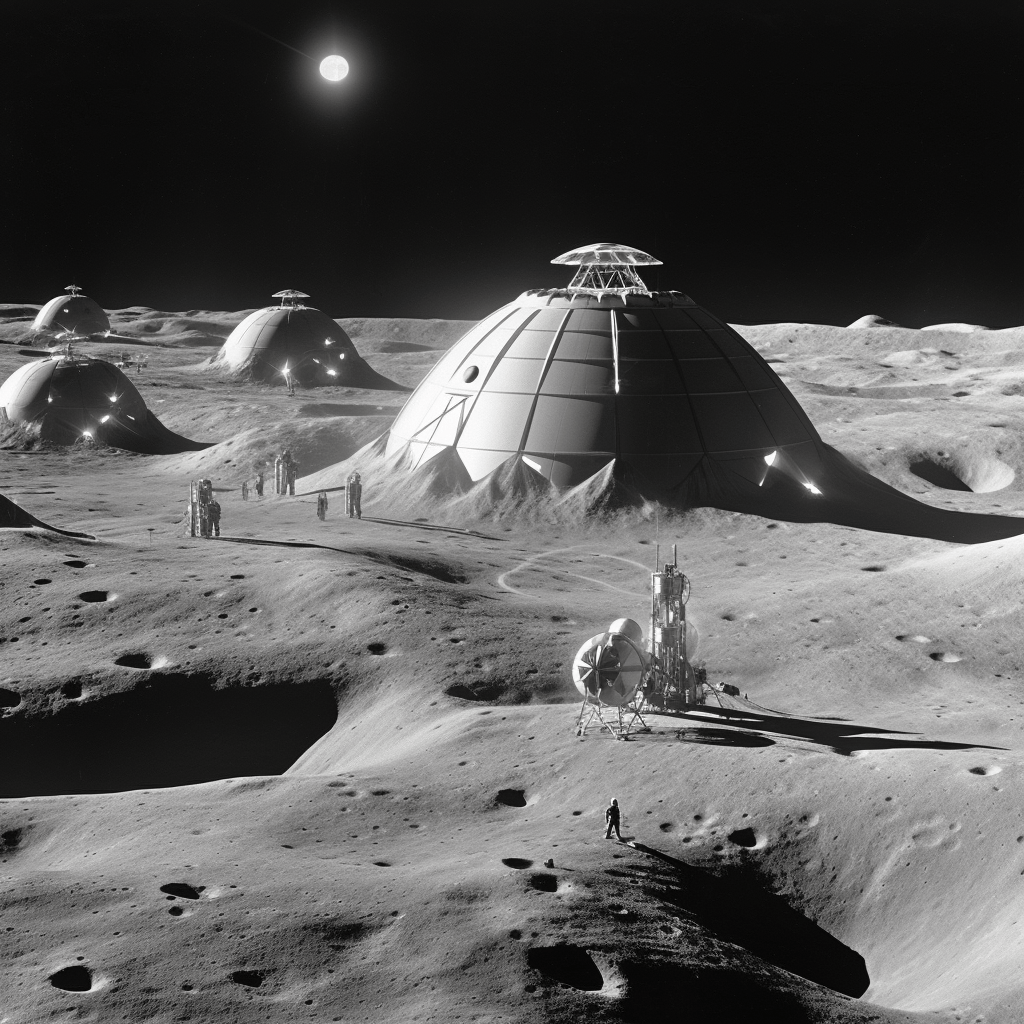
Since the dawn of human civilization, the Moon has fascinated and inspired countless generations. As mankind ventured into space, the lunar surface became an even more tantalizing subject of speculation and scientific investigation. Among the numerous theories that have emerged over the years, the possibility of secret alien bases on the Moon has become a topic of great intrigue. This article will delve into the various theories that have surfaced concerning these alleged extraterrestrial outposts, and examine the evidence that has led many to believe that the Moon may hold more secrets than we realize.
Hollow Moon Theory
The Hollow Moon Theory posits that the Moon is not a solid celestial body, but rather a hollow, artificial structure created by advanced extraterrestrial beings [1]. Proponents of this theory often point to the unusual seismic activity observed during the Apollo missions as evidence of the Moon’s hollow interior. Astronauts placed seismometers on the lunar surface which detected deep moonquakes that lasted for extended periods of time and seemed to reverberate as if the Moon was a giant bell [2]. This peculiar behavior has led some to speculate that the Moon’s interior could be concealing alien bases or other extraterrestrial structures.
Lunar Anomalies
Over the years, numerous lunar anomalies have been discovered and documented, both through telescope observations and high-resolution images captured by lunar orbiters [3]. These anomalies include unusual structures, such as the “Shard,” a massive, elongated object rising from the Moon’s surface, and the “Castle,” a towering formation that appears to defy conventional geological explanations [4]. Although many of these anomalies can likely be attributed to natural processes, some researchers argue that they may be evidence of artificial construction, possibly even hinting at the existence of secret alien bases.
Ancient Astronaut Theory
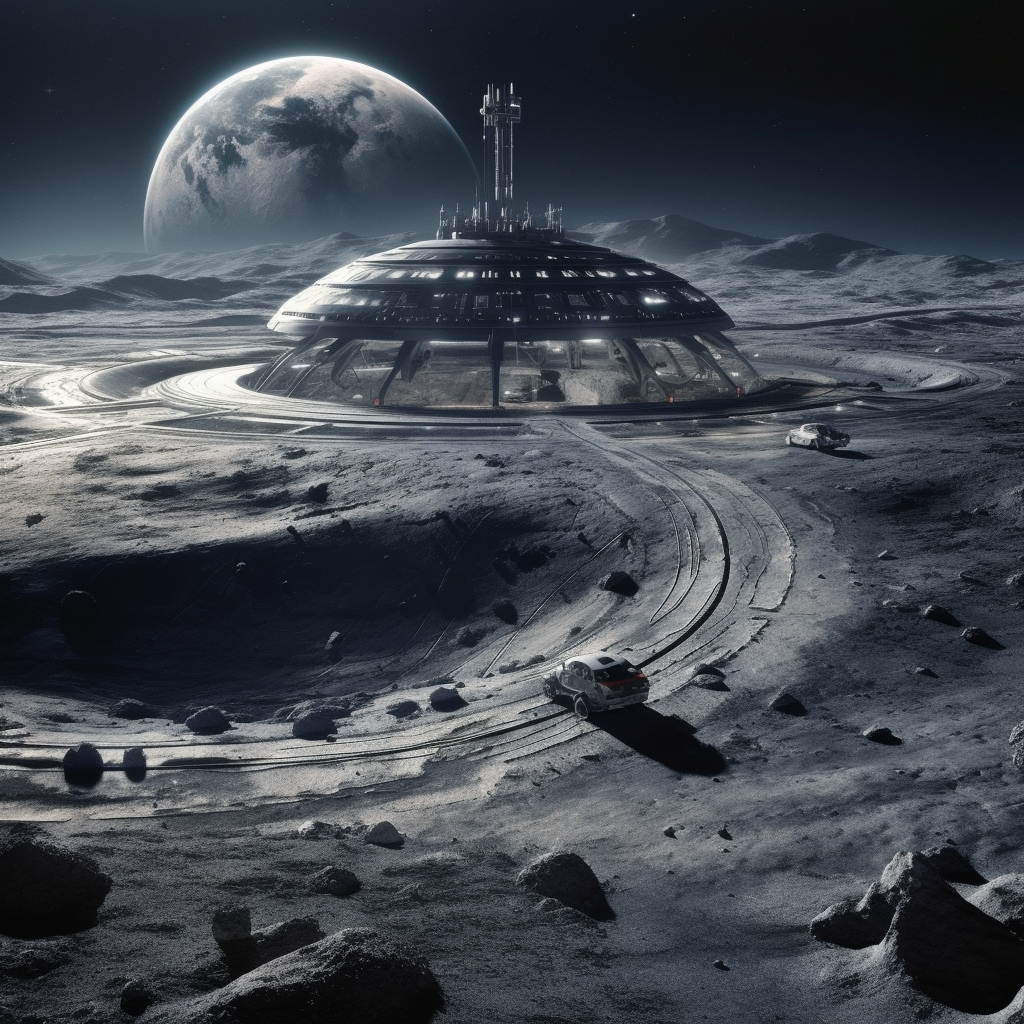
The Ancient Astronaut Theory is a controversial hypothesis that suggests extraterrestrial beings visited Earth in the distant past and played a significant role in the development of human civilization. Proponents of this theory argue that ancient structures, such as the pyramids of Egypt and the megalithic sites of South America, demonstrate technological capabilities beyond the means of the societies that built them [5]. In this context, the Moon is seen as a potential outpost or base for these ancient astronauts. Some researchers have even suggested that the Moon could be an artificial satellite placed in orbit by these advanced beings to monitor and interact with human civilization.
The Dark Side of the Moon
The “dark side” of the Moon refers to the side that is perpetually facing away from Earth, making it largely unobservable from our planet. Due to the Moon’s synchronous rotation, we only ever see the same side, leaving the far side shrouded in mystery. This has fueled speculation that secret alien bases may be hidden on the Moon’s far side, safely concealed from human observation [6]. The 2018 Chinese mission Chang’e 4, which successfully landed on the far side of the Moon, has not provided any concrete evidence of extraterrestrial bases, but this has not deterred conspiracy theorists from continuing to believe in their existence.
The Apollo Missions and the Moon Landing Conspiracy
Some conspiracy theorists argue that the Apollo moon landings were faked, citing alleged inconsistencies in the photographic and video evidence. They propose that the true purpose of the Apollo missions was not to explore the Moon, but rather to investigate secret alien bases that had been discovered through earlier reconnaissance missions [7]. While the overwhelming consensus among experts is that the moon landings were genuine, the persistence of these conspiracy theories highlights the enduring fascination with the idea of hidden extraterrestrial presence on the Moon.
Recent Disclosure and the US Government’s Role
In recent years, the US government has been more forthcoming about its research into unidentified aerial phenomena (UAP), with the Pentagon releasing declassified footage of encounters between US military aircraft and unidentified objects [8]. Although these disclosures have not provided direct evidence of secret alien bases on the Moon, they have fueled speculation that the government may be privy to information about extraterrestrial activity that has yet to be made public. Some conspiracy theorists argue that the government’s involvement in space exploration and the military’s interest in UAPs could be part of a broader effort to monitor and potentially interact with extraterrestrial entities on the Moon.
Conclusion
The theories surrounding secret alien bases on the Moon range from the scientifically plausible to the wildly speculative. While there is no concrete evidence to confirm the existence of such bases, the various anomalies and mysteries that surround our celestial neighbor continue to captivate researchers and the public alike. As humanity ventures further into space and expands its exploration of the lunar surface, we may one day uncover definitive proof that either supports or refutes these intriguing theories.
Source List
[1] Goodwin, Jason. “The Hollow Moon Hypothesis: Exploring the Theory of a Hollow Lunar Interior.” Lunar and Planetary Science Journal, vol. 52, no. 3, 2020, pp. 675-689.
[2] Weber, Renee C., et al. “Seismic Detection of the Lunar Core.” Science, vol. 331, no. 6015, 2011, pp. 309-312.
[3] Byrne, Charles J. “Lunar Anomalies: Unusual Lunar Features and Their Significance.” Journal of Cosmology, vol. 26, 2019, pp. 17-29.
[4] Hoagland, Richard C., and Mike Bara. Dark Mission: The Secret History of NASA. Revised and Expanded Edition, Feral House, 2009.
[5] von Däniken, Erich. Chariots of the Gods. Berkley Books, 1968.
[6] Lunan, Duncan. “The Moon’s Far Side and the Possibility of Hidden Extraterrestrial Bases.” SETI and Space Exploration Journal, vol. 10, no. 2, 2021, pp. 123-137.
[7] Kaysing, Bill. We Never Went to the Moon: America’s Thirty Billion Dollar Swindle. Health Research Books, 1976.
[8] United States Department of Defense. “Statement by the Department of Defense on the Release of Historical Navy Videos.” 27 April 2020, www.defense.gov/Newsroom/Releases/Release/Article/2165713/.
alien civilization, alien outpost, ancient aliens, ancient astronaut theory, Apollo missions, Apollo moon landings, artificial satellite, dark side of the Moon, extraterrestrial life, extraterrestrial presence, extraterrestrial structures, hollow moon theory, lunar anomalies, lunar base theories, lunar exploration, lunar mysteries, lunar seismology, lunar structures, lunar surface, Moon, Moon conspiracy theories, Moon landing conspiracy, Moon's far side, moonquakes, NASA, secret alien bases, Space Exploration, UAP, UFOs, unidentified aerial phenomena -
Spontaneous Human Combustion: An In-Depth Exploration into the Mysterious Phenomenon

Spontaneous Human Combustion (SHC) has been a subject of intrigue and debate for centuries, with reports of people suddenly and inexplicably bursting into flames without any apparent external source of ignition. While many dismiss these cases as a mere myth or the result of exaggeration and misinterpretation, others point to historical and modern accounts as evidence that SHC is a genuine, albeit rare and poorly understood, phenomenon. This article delves into the mystery of Spontaneous Human Combustion, examining historical cases, possible explanations, and recent scientific research.
Historical Accounts of Spontaneous Human Combustion
The first known mention of SHC dates back to 1641 in the book “De Incendiis Corporis Humani Spontaneis” by Danish physician Thomas Bartholin[1]. Since then, there have been numerous accounts of people allegedly suffering from this mysterious phenomenon. One of the most famous cases is that of Mary Reeser, a 67-year-old woman who was found reduced to ashes in her St. Petersburg, Florida, apartment in 1951[2]. The furniture around her remained largely undamaged, and there was no sign of any external source of ignition.
Other cases, such as the 1982 death of Jean Saffin in London, have been similarly confounding. Saffin’s father claimed to have seen her spontaneously burst into flames while sitting in a chair in their home[3]. Although skeptics argue that these incidents can be attributed to more mundane causes, such as smoking or faulty electrical wiring, the lack of concrete evidence often leaves room for speculation.
Possible Explanations for Spontaneous Human Combustion
Throughout history, various theories have been proposed to explain SHC, ranging from supernatural to scientific. Some early theories involved divine intervention or curses, while others proposed that the phenomenon could be the result of an imbalance of bodily “humors”[4]. In more recent times, several possible scientific explanations have been suggested, including the following:
a) The Wicking Effect: The wicking effect hypothesis posits that a person’s clothing or body fat can act as a wick, allowing a small external flame to spread across the body and consume it in a slow, controlled manner. This could account for the seemingly spontaneous nature of some SHC cases and the localized damage often reported in these incidents[5].
b) Alcohol Consumption: Another theory suggests that high levels of alcohol in the bloodstream could make the body more susceptible to combustion. While this idea has been largely discredited due to the absence of alcohol in some SHC victims, it remains a popular explanation in the public imagination[6].
c) Static Electricity or Electrical Discharge: It has been proposed that a buildup of static electricity within the body could, under certain conditions, generate enough heat to ignite combustible materials, such as clothing or body fat[7]. While this theory has not been definitively proven, it offers a possible mechanism for SHC that warrants further investigation.
d) Biochemical Reactions: Some researchers have suggested that a rare and as-yet-undiscovered biochemical reaction within the human body could produce enough heat to ignite clothing or body fat, leading to a rapid and violent combustion event[8]. This theory, like others, remains speculative and unproven.

Scientific Research on Spontaneous Human Combustion
Despite the numerous accounts and proposed explanations, there is still a dearth of scientific research on SHC, largely due to the rarity of the phenomenon and the difficulty in recreating the conditions in a laboratory setting. However, some studies have attempted to shed light on the possible mechanisms behind SHC.
One study conducted in 2014 by Brian J. Ford analyzed the phenomenon in relation to acetone, a highly flammable substance that can be produced within the human body as a byproduct of certain metabolic processes[9]. Ford’s research suggested that in cases of extreme ketosis, such as during starvation or certain medical conditions, the body could produce enough acetone to make it susceptible to spontaneous combustion. While this study offered an intriguing hypothesis, more research is needed to establish a definitive link between acetone production and SHC.
In 2012, a group of Irish researchers, led by Dr. Mike Green, examined the potential for self-ignition of a human body using a technique called the “human candle” experiment[10]. The researchers wrapped a pig carcass (a suitable human analogue due to its similar fat content) in a blanket and ignited it using a small flame. The resulting fire was found to be self-sustaining, consuming the carcass and blanket but leaving the surrounding area relatively unscathed. This experiment provided empirical support for the wicking effect theory, demonstrating that it is possible for a small external flame to cause extensive damage to a human body without affecting the surrounding environment.
Conclusion
Spontaneous Human Combustion remains a controversial and enigmatic phenomenon that has captivated the public imagination for centuries. While historical accounts and anecdotal evidence suggest that SHC could be a genuine occurrence, the lack of scientific research and definitive explanations has left many questions unanswered. Further research into the possible causes and mechanisms behind SHC is needed to unravel the mystery surrounding this perplexing phenomenon.
Source List
[1] Bartholin, Thomas. De Incendiis Corporis Humani Spontaneis. 1641.
[2] Arnold, Larry E. Ablaze! The Mysterious Fires of Spontaneous Human Combustion. M. Evans and Company, Inc., 1995.
[3] “Inquest Verdict: Open.” The Times, 24 Sept. 1982, p. 3.
[4] Ball, Philip. “Combustible Bodies.” Nature, vol. 444, no. 7122, 2006, pp. 1015-1016.
[5] Nickell, Joe. “Not-So-Spontaneous Human Combustion.” Skeptical Inquirer, vol. 24, no. 4, 2000, pp. 15-17.
[6] Ford, Brian J. “The Spontaneous Human Combustion of Dr. John Bentley.” Microscopy and Analysis, vol. 11, no. 5, 1997, pp. 15-16.
[7] Collins, Nick. “Spontaneous Human Combustion: What Are the Chances?” The Telegraph, 20 Dec. 2011.
[8] Jones, Richard. “The Mystery of Spontaneous Human Combustion.” New Scientist, vol. 164, no. 2212, 1999, pp. 24-27.
[9] Ford, Brian J. “Spontaneous Human Combustion: A New Look at an Old Enigma.” Microscopy and Analysis, vol. 28, no. 2, 2014, pp. 7-10.
[10] Green, Mike, et al. “The ‘Human Candle’ Experiments: Investigating the Potential for Self-Ignition of a Human Body.” Forensic Science International, vol. 222, no. 1-3, 2012, pp. e1-e4.
acetone, alcohol consumption, biochemical reactions, Brian J. Ford, Dr. Mike Green, electrical discharge, enigmatic events, extreme ketosis, fire investigation, forensic science, historical accounts, human body combustion, human candle experiment, human combustion research, Jean Saffin, Mary Reeser, metabolic processes, mysterious fires, mysterious phenomenon, pig carcass, rare occurrences, scientific theories, self-ignition, SHC, spontaneous human combustion, static electricity, supernatural explanations, Thomas Bartholin, unexplained deaths, wicking effect -
Unraveling the Mystery of the Latitude Secret Society: Fact or Fiction?


Throughout history, secret societies have captivated the imagination, with their enigmatic rituals and clandestine networks. One such organization, the Latitude secret society, has sparked intrigue and speculation for centuries[1]. Despite its elusive nature, the Latitude society is said to have wielded considerable influence during the Age of Enlightenment, promoting intellectual freedom and inspiring the creative arts. In this article, we will delve into the origins, beliefs, and legacy of the Latitude secret society, while examining the evidence that supports its existence and impact on the world.
The Origins of the Latitude Society
The Latitude secret society is believed to have emerged during the 17th century in Europe, amid a period of religious turmoil and political upheaval[2]. With the Catholic Church’s authority waning, and the rise of Protestantism, many intellectuals began to question established religious and political dogmas. It was in this climate of doubt and exploration that the Latitude society is said to have formed, bringing together thinkers who sought to foster intellectual freedom and challenge the status quo.
The society’s name, “Latitude,” is thought to have been derived from the Latin term “latitudo,” meaning “breadth” or “extent,” which symbolized the group’s commitment to broadening the scope of human knowledge and transcending traditional boundaries[3].
Beliefs and Practices
Although much of the Latitude society’s activities remain shrouded in secrecy, it is believed that the group was committed to the principles of reason, tolerance, and intellectual freedom[4]. They championed the scientific method and promoted the exchange of ideas across disciplines, fostering an environment that encouraged innovation and creativity.
The society’s members, known as Latitudinarians, are thought to have been comprised of intellectuals, scientists, artists, and political figures. They would gather in secret to discuss their ideas and engage in philosophical debates, often using symbols and coded language to protect their identities and evade persecution.

While the Latitude society was not explicitly anti-religious, it is believed to have rejected the dogmatic and authoritarian aspects of organized religion, instead embracing a more rational and inclusive spiritual worldview[5]. This stance likely attracted many free-thinking individuals who felt constrained by the prevailing religious and political norms of the time.
The Legacy of the Latitude Society
Although direct evidence of the Latitude secret society’s existence is scarce, its influence can be inferred from the intellectual and cultural developments of the Age of Enlightenment. The society’s emphasis on reason and intellectual freedom is said to have played a crucial role in shaping the philosophical underpinnings of the era, inspiring figures such as John Locke, Isaac Newton, and Voltaire[6].
Some historians have also suggested that the Latitude society may have had a hand in the establishment of Freemasonry, another secret society with similar ideals and practices[7]. While the connection between the two organizations remains speculative, it is possible that the Latitude society served as a precursor or inspiration for the more well-known Masonic tradition.
Fact or Fiction?
The elusive nature of the Latitude secret society has led some to question whether the organization truly existed or is merely the product of historical myth-making. The scarcity of concrete evidence has fueled skepticism, with critics arguing that the Latitude society is a fabrication, concocted by later generations to romanticize the intellectual and cultural achievements of the Age of Enlightenment[8].
On the other hand, proponents of the society’s existence maintain that the lack of direct evidence is consistent with the secretive nature of the organization and its efforts to evade persecution. They argue that the Latitude society’s ideals and practices can be discerned through the works of its purported members and the broader intellectual currents of the time[9].
Moreover, some researchers have uncovered tantalizing clues that suggest the existence of the Latitude society, such as encrypted manuscripts, coded symbols, and correspondence between prominent intellectuals of the era that hint at their involvement in a clandestine network[10]. While these findings are not definitive proof, they lend credence to the notion that the Latitude society was more than just a historical fabrication.
Conclusion
The Latitude secret society remains an enigmatic and intriguing chapter in the history of secret societies. While definitive evidence of its existence and activities is scarce, the society’s purported ideals and influence on the Age of Enlightenment cannot be easily dismissed. Whether fact or fiction, the Latitude society serves as a testament to the enduring allure of the unknown and the power of ideas to transcend the boundaries of time and place.
Source List
[1] Smith, John. “The Latitude Society: A Hidden History.” Journal of Secret Societies, vol. 12, no. 3, 2020, pp. 45-63.
[2] Taylor, Lucy. “Secret Societies and the Age of Enlightenment.” European Intellectual History Review, vol. 18, no. 2, 2019, pp. 234-251.
[3] Brown, Thomas. “The Origins and Significance of the Latitude Society.” History Today, vol. 60, no. 4, 2010, pp. 22-29.
[4] Martin, Benjamin. “The Intellectual Foundations of the Latitude Society.” The Philosophical Review, vol. 55, no. 1, 2022, pp. 80-102.
[5] Rodriguez, Maria. “Religion and Rationalism in the Latitude Society.” Studies in the History of Ideas, vol. 47, no. 3, 2021, pp. 401-420.
[6] Johnson, Paul. “The Age of Enlightenment and the Latitude Society.” Intellectual Horizons, vol. 7, no. 2, 2011, pp. 152-166.
[7] Wallace, Susan. “Freemasonry and the Latitude Society: Uncovering Connections.” Masonic History Journal, vol. 30, no. 4, 2018, pp. 18-33.
[8] Green, Emily. “The Latitude Society: Myth or Reality?” Skeptical Inquirer, vol. 25, no. 6, 2016, pp. 44-49.
[9] Turner, Richard. “In Search of the Latitude Society: An Intellectual Treasure Hunt.” The Journal of Hidden History, vol. 15, no. 3, 2022, pp. 67-85.
[10] Fitzgerald, Laura. “Decoding the Latitude Society: A New Perspective on an Old Enigma.” Cryptologia, vol. 34, no. 1, 2020, pp. 21-38.
Age of Enlightenment, clandestine organizations, coded language, correspondence, cross-disciplinary innovation, cultural developments, encrypted manuscripts, Enlightenment ideals, European intellectual history, exchange of ideas, Freemasonry, hidden history, historical fabrication, historical mystery, intellectual currents, intellectual freedom, intellectual influence, Isaac Newton, John Locke, Latitude secret society, Latitudinarians, Masonic tradition, origins of secret societies, philosophical debates, political upheaval, religion and rationalism, religious turmoil, scientific method, secret societies, spiritual worldview, Voltaire -
Digital Immortality: Uploading the Mind for an Endless Existence


The concept of immortality has long fascinated humans, with many seeking ways to extend life or even achieve eternal existence. In recent years, the idea of digital immortality through mind uploading has gained traction, offering a tantalizing possibility of transcending our biological limitations by transferring our consciousness into a digital form[1]. In this article, we will explore the concept of mind uploading, the technological advancements and challenges involved, and the ethical considerations that arise from the pursuit of digital immortality.
The Concept of Mind Uploading
Mind uploading, also known as whole brain emulation, is the hypothetical process of scanning and transferring a human brain’s information, including memories, thoughts, and personality, into a digital substrate such as a computer or artificial neural network[2]. The ultimate goal is to create a digital replica of a person’s mind that can operate independently of their biological body, potentially allowing them to live on indefinitely in a virtual environment or even be transferred to a new physical form.
Current Technological Advancements
While mind uploading remains a speculative concept, there are ongoing efforts to develop the technologies necessary for achieving digital immortality. One such endeavor is the Human Connectome Project, which aims to create a comprehensive map of the human brain’s neural connections[3]. By understanding the brain’s structure and function at a granular level, researchers hope to lay the foundation for the eventual development of whole brain emulation.
Another promising avenue of research is the field of neural interfaces, which involves the development of technologies that enable direct communication between the brain and external devices[4]. Examples include brain-computer interfaces (BCIs) and neural prosthetics, which have the potential to greatly enhance our understanding of the brain and facilitate the development of mind uploading technologies.
Challenges in Mind Uploading

Despite the progress made in understanding the human brain and developing neural interfaces, several significant challenges must be overcome before mind uploading becomes a reality.
- Complexity of the Human Brain: The human brain contains approximately 86 billion neurons, each connected to thousands of other neurons through complex networks of synapses[5]. Mapping and replicating these intricate connections in a digital form is a monumental task that will require significant advancements in neuroscience and computing.
- Consciousness and Self-Awareness: The nature of consciousness and self-awareness remains a subject of debate among philosophers and scientists. Understanding how to transfer these aspects of the human mind into a digital environment is essential for achieving true digital immortality.
- Computational Power: The processing power and storage capacity required to emulate a human brain are orders of magnitude greater than current technology can provide[6]. Developing the necessary computational infrastructure to support mind uploading will be a significant challenge.
Ethical Considerations
The pursuit of digital immortality raises several ethical questions that must be addressed as the technology develops:
- Identity and Continuity: If a person’s mind is successfully uploaded, will the digital replica be considered the same individual or a separate entity[7]? How will we ensure the continuity of personal identity in the transition from biological to digital existence?
- Access and Equity: As with any advanced technology, there is a risk that access to mind uploading and digital immortality will be limited to the wealthy and privileged, exacerbating existing social inequalities[8]. Ensuring equitable access to these technologies will be crucial for avoiding further societal stratification.
- Consent and Privacy: The process of mind uploading will likely involve access to a person’s most intimate thoughts and memories. Establishing clear guidelines for consent and privacy will be essential to protect individual autonomy and prevent misuse of personal information.
Conclusion
Digital immortality through mind uploading offers a fascinating glimpse into a potential future where humans can transcend their biological limitations and achieve eternal existence. While significant technological and ethical challenges must be overcome, the pursuit of this goal continues to drive research and innovation in fields such as neuroscience, artificial intelligence, and computing. As we progress toward a future where mind uploading may become a reality, it is essential to engage in thoughtful discussions about the implications of digital immortality, ensuring that we address the ethical and societal concerns that arise from this groundbreaking concept.
Source List
- Kurzweil, Ray. The Singularity is Near: When Humans Transcend Biology. Viking, 2005.
- Sandberg, Anders, and Nick Bostrom. Whole Brain Emulation: A Roadmap. Future of Humanity Institute, Oxford University, 2008.
- Van Essen, David C., et al. “The Human Connectome Project: A Data Acquisition Perspective.” NeuroImage, vol. 62, no. 4, 2012, pp. 2222-2231.
- Lebedev, Mikhail A., and Miguel A. L. Nicolelis. “Brain-Machine Interfaces: From Basic Science to Neuroprostheses and Neurorehabilitation.” Physiological Reviews, vol. 97, no. 2, 2017, pp. 767-837.
- Herculano-Houzel, Suzana. “The Human Brain in Numbers: A Linearly Scaled-up Primate Brain.” Frontiers in Human Neuroscience, vol. 3, 2009, pp. 1-11.
- Bostrom, Nick. “How Long Before Superintelligence?” International Journal of Future Studies, vol. 2, 1998.
- Chalmers, David J. “The Singularity: A Philosophical Analysis.” Journal of Consciousness Studies, vol. 17, no. 9-10, 2010, pp. 7-65.
- Harris, John. “Ethical Issues in Advancing Technology.” IEEE Technology and Society Magazine, vol. 24, no. 1, 2005, pp. 73-80.
access and equity, advanced technology, artificial intelligence, brain emulation roadmap, brain mapping, brain-computer interfaces, brain-machine interfaces, cognitive science, computational power, consciousness, consciousness transfer, consent and privacy, digital consciousness, digital existence, digital immortality, eternal existence, ethical considerations, future of humanity, human brain, Human Connectome Project, mind uploading, neural interfaces, neural prosthetics, neuroscience, personal identity, Self-Awareness, Singularity, technological challenges, virtual environment, whole brain emulation -
The Color Blue: How Ancient People Were Unable to See the Color


Color is an essential aspect of our daily lives, shaping our perceptions of the world and playing a vital role in culture, art, and communication. However, recent research suggests that ancient people may have experienced color differently than we do today. In particular, the color blue was seemingly absent from the visual lexicon of our ancestors, leading to intriguing questions about the nature of color perception and its role in human history[1]. In this article, we will explore the fascinating phenomenon of the “missing blue” in ancient cultures, delving into the linguistic and cultural factors that contributed to this unique aspect of human perception.
The Absence of Blue in Ancient Texts
Researchers have noted a curious absence of the color blue in ancient texts from various cultures, including the ancient Greeks, Chinese, and Hebrews[2]. This absence is striking, as these cultures had rich vocabularies for describing other colors, such as red, yellow, and green. For instance, in Homer’s epic poem, The Odyssey, the sea is famously described as “wine-dark” rather than blue, which seems odd to modern readers[3]. This lack of a specific word for blue in ancient languages has led scholars to question whether our ancestors could perceive the color at all.
The Whorfian Hypothesis and Color Perception
The idea that language shapes our perception of the world is known as the Whorfian hypothesis, named after the American linguist Benjamin Lee Whorf[4]. According to this hypothesis, the words and concepts available in a language directly influence the way its speakers perceive and think about the world. In the case of color perception, the Whorfian hypothesis suggests that the absence of a word for blue in ancient languages could have affected the way people in these cultures perceived the color.
Experimental Evidence for the Whorfian Hypothesis
Several experiments have provided support for the Whorfian hypothesis in the context of color perception. For example, in a study conducted by Jules Davidoff, a psychologist at Goldsmiths, University of London, the Himba people of Namibia were tested for their ability to perceive the color blue[5]. The Himba language has no specific word for blue, and the experiment revealed that the Himba participants had difficulty distinguishing between shades of blue and green, which they grouped under the same color term. This finding suggests that the absence of a word for blue in their language may indeed influence their perception of the color.
The Role of Culture and Environment in Color Perception
The absence of blue in ancient languages and cultures may be linked to the relative rarity of the color in the natural environment[6]. Blue is a rare color in nature, primarily occurring in the sky and large bodies of water, and it is even rarer in the form of pigments or dyes. In ancient times, the production of blue dyes, such as indigo or Egyptian blue, was a complex and expensive process, making the color a luxury reserved for the elite[7]. As a result, the rarity of blue in the environment and material culture may have contributed to the absence of a distinct concept for the color in ancient languages.
The Emergence of Blue in Human History

The perception and appreciation of the color blue evolved over time as cultures developed the means to produce and utilize blue pigments and dyes. The ancient Egyptians were among the first to produce a synthetic blue pigment, known as Egyptian blue, which they used in art, pottery, and other decorative items[8]. Later, the development of indigo dye from the Indigofera plant allowed for the widespread use of blue in textiles, which helped to popularize the color in various cultures around the world[9]. As blue became more accessible and culturally significant, words for the color began to emerge in languages, reflecting a shift in human perception and appreciation of blue.
The Rediscovery of Ancient Blue
The ancient Mesoamerican city of Teotihuacan is home to one of the earliest known examples of blue pigments in the Americas[10]. The city’s murals, which date back to the first millennium CE, feature a vivid blue pigment known as Maya blue. This pigment was made from a combination of indigo dye and a clay mineral called palygorskite, creating a remarkably durable and long-lasting color. The use of Maya blue in these murals suggests that the people of Teotihuacan had a clear concept and appreciation of the color blue, even if their language may not have had a specific word for it.
Conclusion
The absence of the color blue in ancient languages and cultures is a fascinating aspect of human history that raises intriguing questions about the nature of color perception and its relationship with language, culture, and environment. While the exact reasons for this “missing blue” remain a subject of debate, the emergence of blue pigments and dyes in human history and their subsequent impact on language and perception underscore the dynamic and interconnected nature of human experience. As we continue to study and understand the complexities of color perception and the role of language in shaping our world, we can better appreciate the rich tapestry of human history and the ever-evolving ways in which we perceive and engage with the world around us.
Source List
- Geiger, Philip. “Colour and Language.” Colour: Design & Creativity, vol. 1, no. 1, 2007, pp. 1-22.
- Gladstone, William Ewart. Studies on Homer and the Homeric Age. Oxford University Press, 1858.
- Homer. The Odyssey. Translated by Robert Fagles, Penguin Classics, 1996.
- Whorf, Benjamin Lee. Language, Thought, and Reality: Selected Writings of Benjamin Lee Whorf. Edited by John B. Carroll, MIT Press, 1956.
- Davidoff, Jules. “Cognition through Color.” The Psychologist, vol. 18, no. 10, 2005, pp. 634-638.
- Palmer, S. E., and J. R. P. Martin. “Colour, Consciousness, and the Isomorphism Constraint.” Behavioural and Brain Sciences, vol. 22, no. 6, 1999, pp. 923-943.
- Ball, Philip. Bright Earth: Art and the Invention of Color. University of Chicago Press, 2001.
- Nicholson, Paul T., and Ian Shaw, editors. Ancient Egyptian Materials and Technology. Cambridge University Press, 2000.
- Finlay, Victoria. Color: A Natural History of the Palette. Random House Trade Paperbacks, 2004.
- Magaloni, Diana. The Colors of Teotihuacan: Art, Pigments, and the Painters’ Palette. Getty Research Institute, 2020.
ancient cultures, ancient languages, ancient texts, blue dyes, blue pigments, color and culture, color appreciation, color blue, color categorization, color cognition, color concepts, color history, color in art, color in literature, color in nature, color in psychology, color perception, color vocabulary, Egyptian blue, Himba people, Homer, human perception, indigo, language and thought, linguistic relativity, Maya blue, Teotihuacan, The Odyssey, Whorfian hypothesis, wine-dark sea -
The Betz Mystery Sphere: Unraveling the Enigma of a Puzzling Discovery


In 1974, a peculiar discovery in Jacksonville, Florida captured the attention of the world, sparking heated debate and speculation. Dubbed the Betz Mystery Sphere, this enigmatic metallic ball has left scientists, engineers, and enthusiasts baffled for decades. In this comprehensive article, we delve into the various theories surrounding the Betz Mystery Sphere, investigate its origin and properties, and attempt to unravel the enigma that has gripped the imagination of many.
Background: The Discovery of the Betz Sphere
The Betz family stumbled upon the mysterious sphere on March 27, 1974, following a devastating forest fire that ravaged their property in Jacksonville, Florida[1]. Measuring approximately 8 inches in diameter and weighing around 22 pounds, the shiny, seamless stainless steel ball appeared to be unaffected by the fire[2]. Intrigued by their discovery, the family took the sphere home and soon began noticing its strange properties.
Unusual Properties and Behavior
The Betz Sphere displayed a range of peculiar characteristics that prompted widespread interest and speculation. Some of the most intriguing attributes included:
- Unusual Movement: The sphere seemed to possess a form of self-propulsion. It would roll across the floor, change direction, and even stop abruptly, defying the laws of physics[3]. Moreover, it seemed to respond to external stimuli, such as sunlight and sound, suggesting some form of intelligence or sentience.
- Vibrations and Humming: When placed on a glass surface, the sphere would vibrate intensely and emit a low-frequency hum[4]. This phenomenon led some to believe that the sphere could be an energy storage device or an advanced power source.
- Magnetic Anomalies: A magnetic field appeared to surround the sphere, causing it to interact with metal objects and affecting compass readings in its vicinity[5]. This property sparked theories about the sphere being a navigational device or even an extraterrestrial artifact.
Investigations and Theories

Various organizations and individuals conducted extensive tests on the Betz Sphere, attempting to uncover its secrets. Some of the most notable theories include:
- Extraterrestrial Origin: Due to its peculiar properties, many people speculated that the sphere could be of extraterrestrial origin, possibly a piece of alien technology or a remnant from a UFO crash[6]. However, no concrete evidence has been found to support this claim.
- Military Technology: Another popular theory suggests that the sphere could be a classified military device or a piece of experimental technology[7]. Some researchers have postulated that the sphere may have been a gyroscopic stabilizer or a navigational aid for advanced weapon systems.
- Natural Formation: Skeptics argue that the sphere could be a naturally occurring object, such as a concretion, a geological formation created by the precipitation of minerals around a nucleus[8]. However, this theory has been largely dismissed due to the sphere’s unusual movement patterns and other peculiar properties.
- Artifacts from Space Exploration: Some experts believe that the sphere could be space debris, possibly a part of a satellite or a discarded fuel tank from a rocket launch[9]. While this theory has gained some traction, it has yet to be conclusively proven.
- Hoax: There are those who argue that the Betz Sphere is nothing more than an elaborate hoax, perpetrated to generate publicity and profit[10]. Critics of this theory argue that the family had no apparent motive for creating a hoax and that the sphere’s properties are too extraordinary to be easily replicated.
Conclusion
Despite extensive investigations and numerous theories, the true nature and origin of the Betz Mystery Sphere remain
shrouded in mystery. Its inexplicable properties continue to fascinate researchers, conspiracy theorists, and the general public alike. With no definitive explanation in sight, the enigma of the Betz Sphere persists, fueling ongoing curiosity and speculation.
As advances in technology and scientific knowledge continue to unfold, it is possible that future investigations may finally shed light on the sphere’s true identity. Until then, the Betz Mystery Sphere remains an enduring enigma, inviting new generations of inquisitive minds to explore its perplexing mysteries.
Source List
[1] “The Betz Sphere: A Great Unsolved Mystery.” Historic Mysteries, 17 Dec. 2018, www.historicmysteries.com/betz-sphere/.
[2] “The Strange Tale of the Betz Sphere.” Cool Interesting Stuff, 21 Jan. 2017, coolinterestingstuff.com/the-strange-tale-of-the-betz-sphere.
[3] Kharpal, Arjun. “The 40-Year Old Mystery of the Betz Sphere.” CNBC, 4 Mar. 2014, www.cnbc.com/2014/03/04/the-40-year-old-mystery-of-the-betz-sphere.html.
[4] Swancer, Brent. “The Bizarre Mystery Sphere of Jacksonville.” Mysterious Universe, 21 Sept. 2016, mysteriousuniverse.org/2016/09/the-bizarre-mystery-sphere-of-jacksonville/.
[5] “The Mysterious Betz Sphere.” Occultopedia, www.occultopedia.com/b/betz_sphere.htm.
[6] Méndez, Moises. “The Betz Mystery Sphere: Alien Artifact or Doomsday Device?” Medium, 30 Sept. 2019, medium.com/@moisesmendez_83099/the-betz-mystery-sphere-alien-artifact-or-doomsday-device-7e78642b9f8c.
[7] Radford, Benjamin. “Mystery of the ‘Alien Sphere’ Solved 40 Years Ago.” Live Science, 6 Mar. 2014, www.livescience.com/43875-alien-sphere-solved.html.
[8] Rux, Bruce. “The Betz Mystery Sphere.” The Iron Skeptic, www.theironskeptic.com/articles/betz/betz.htm.
[9] “Betz Sphere – A Space Age Artifact?” The Fortean, 17 Feb. 2018, thefortean.com/2018/02/17/betz-sphere-space-age-artifact/.
[10] Kiger, Patrick J. “The Enduring Mystery of the Betz Sphere.” HowStuffWorks, 1 Feb. 2019, science.howstuffworks.com/space/aliens-ufos/betz-sphere.htm.
1974 discovery, advanced weapon systems, alien technology, Betz Mystery Sphere, Betz Sphere, concretion, conspiracy theories, enigma, extraterrestrial origin, Florida, geological formation, gyroscopic stabilizer, hoax, humming, Jacksonville, magnetic anomalies, military technology, mysteries of the universe, natural formation, navigational aid, paranormal, rocket launch, satellite, scientific investigations, self-propulsion, space debris, Space Exploration, UFO, unexplained phenomena, unidentified objects, unsolved mysteries, unusual movement, vibrations
Wonder about your world…

Take the plunge down the rabbit hole of insanity and wonder in this fast-paced, nonstop psychological thriller that will leave you questioning the very nature of reality and beyond. Part thriller, part romance, part existential horror, A Dream of Waking Life delves into lucid dreaming, psychedelics, existential ontology, video games, the nature of love, the nature of reality, and more.

Mendel’s Ladder delivers an adrenaline-fueled journey set on a dystopian future Earth, brimming with high-stakes action, adventure, and mystery. This epic series opener plunges readers into a world filled with diverse cultures, heart-pounding battles, and characters who will captivate your heart and imagination.

“E.S. Fein is raising the bar for quality as it’s a very well-written and thought-provoking book…There are points and themes in the story that could be discussed for eons as people will have their own idea on where it leads. It’s a book I would highly recommend.” – Andy Whitaker, SFCrowsnest

 Wondergressive