-
Discover 6 of the World’s Most Breathtaking National Parks: A Journey Through Nature’s Masterpieces
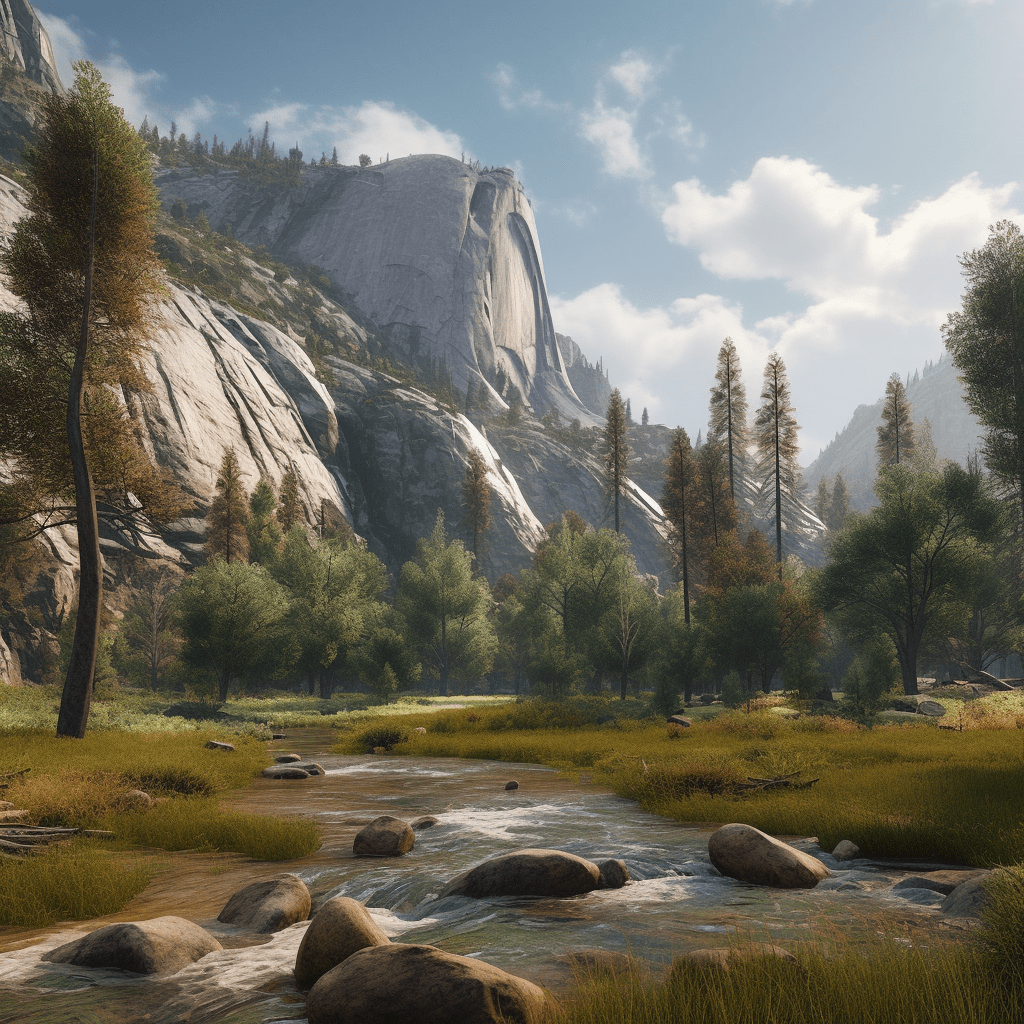
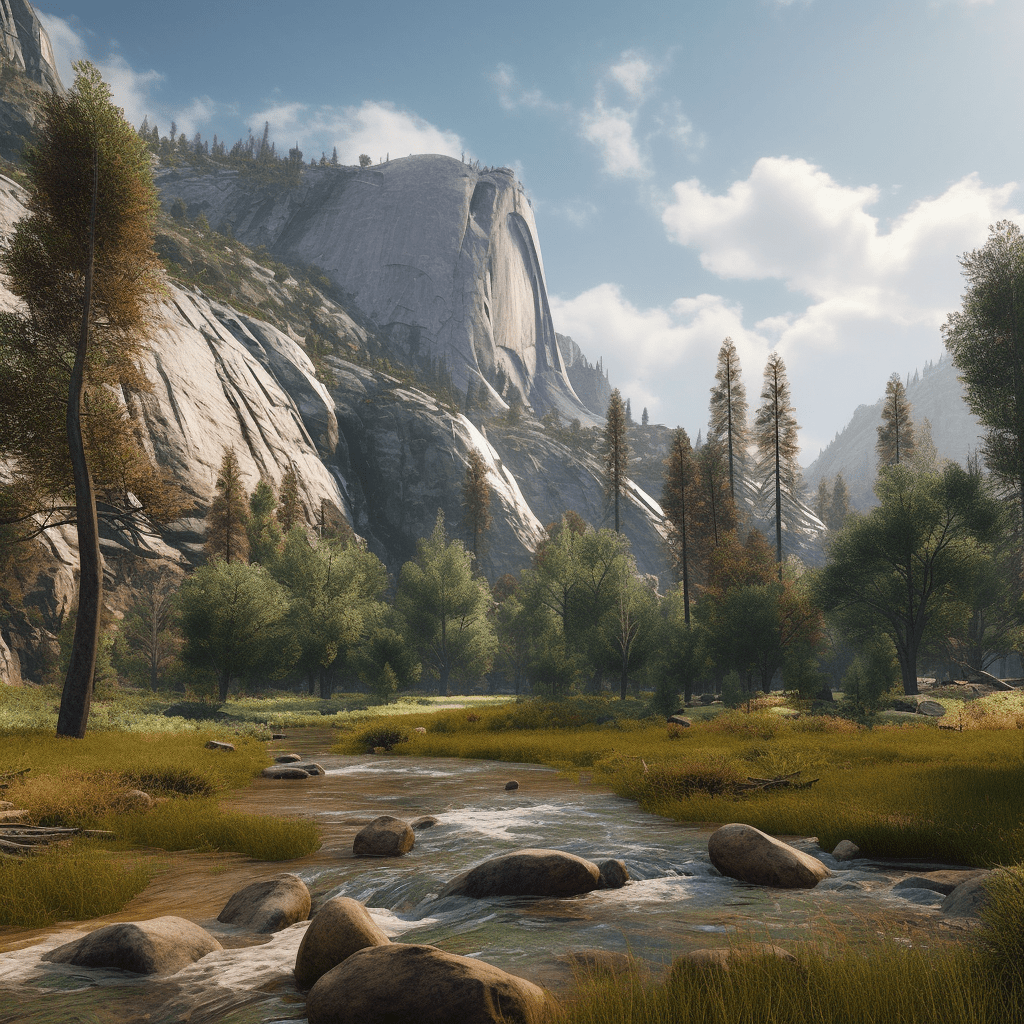
National parks around the world showcase the stunning beauty and diversity of our planet’s natural landscapes. From majestic mountains to lush rainforests and everything in between, these protected areas offer visitors the chance to immerse themselves in some of the most breathtaking and awe-inspiring environments on Earth. In this article, we will explore a selection of the most beautiful national parks from various corners of the globe, each with its own unique characteristics and charm. So, pack your bags and get ready to embark on a virtual journey through nature’s most magnificent masterpieces[1].
- Banff National Park, Canada
Nestled in the heart of the Canadian Rockies, Banff National Park is renowned for its stunning turquoise lakes, snow-capped peaks, and vast expanses of pristine wilderness. Established in 1885, it holds the distinction of being Canada’s first national park and a UNESCO World Heritage site[2]. Visitors to Banff can explore the park’s natural beauty through a variety of outdoor activities, including hiking, skiing, and wildlife watching. Iconic landmarks within the park include Lake Louise, Moraine Lake, and the Icefields Parkway, which offers a scenic drive through some of the most spectacular mountain landscapes in the world.
- Torres del Paine National Park, Chile
Located in the southernmost region of Chile, Torres del Paine National Park is a dazzling display of granite peaks, azure lakes, and sprawling glaciers. The park’s most famous feature, the Paine Massif, is a group of jagged granite mountains that serve as a dramatic backdrop for a diverse array of flora and fauna[3]. The best way to explore Torres del Paine is by embarking on the world-renowned W Trek, a multi-day hiking trail that takes visitors through the park’s most iconic sights, including Grey Glacier, French Valley, and the eponymous Torres del Paine.
- Plitvice Lakes National Park, Croatia
A true natural wonder, Plitvice Lakes National Park in Croatia is famous for its series of cascading lakes, waterfalls, and lush forests. The park’s 16 terraced lakes are interconnected by a network of waterfalls and span a range of stunning colors, from emerald green to vibrant blue[4]. Wooden walkways and trails meander through the park, allowing visitors to appreciate the picturesque scenery and abundant wildlife. As a UNESCO World Heritage site, Plitvice Lakes National Park is a must-see destination for nature lovers and photographers alike.
- Serengeti National Park, Tanzania

Home to one of the greatest wildlife spectacles on Earth, Serengeti National Park in Tanzania offers an unparalleled opportunity to witness the circle of life in action. The park is famous for its annual wildebeest migration, where over 1.5 million wildebeest, zebra, and antelope traverse the vast plains in search of fresh grazing land[5]. This epic journey attracts a host of predators, including lions, leopards, and hyenas, making the Serengeti a premier destination for wildlife enthusiasts. In addition to its abundant wildlife, the park boasts expansive savannahs, vibrant sunsets, and the dramatic landscapes of the Ngorongoro Crater.
- Fiordland National Park, New Zealand
Located on New Zealand’s South Island, Fiordland National Park is a remote and rugged wilderness area characterized by its dramatic fiords, towering peaks, and dense rainforests. The park is home to several iconic New Zealand attractions, including Milford Sound, Doubtful Sound, and the Routeburn Track, a world-famous multi-day hiking trail[6]. Visitors to Fiordland National Park can explore the pristine landscapes through various activities such as hiking, kayaking, and scenic flights. The park is also a haven for wildlife, including native birds like the endangered takahe and the cheeky kea, as well as marine mammals like dolphins, seals, and even the occasional whale.
- Yellowstone National Park, United States
As the world’s first national park, Yellowstone holds a special place in history and offers an astounding array of natural wonders, including geysers, hot springs, and a diverse range of wildlife[7]. Located primarily in the state of Wyoming, the park spans over 3,400 square miles and features more than 10,000 hydrothermal features, such as the iconic Old Faithful Geyser. Visitors to Yellowstone can also witness the breathtaking beauty of the Grand Prismatic Spring, the largest hot spring in the United States, and the picturesque Lower Falls of the Yellowstone River. The park is home to an impressive array of wildlife, including bison, elk, wolves, and grizzly bears.
Conclusion
Our planet is home to an incredible assortment of national parks, each offering its own unique beauty and unforgettable experiences. From the towering peaks of Banff National Park to the cascading lakes of Plitvice Lakes National Park and the vast savannahs of Serengeti National Park, these protected areas provide us with the opportunity to connect with nature and marvel at the wonders of the world. As you plan your next adventure, consider visiting one of these awe-inspiring destinations, and immerse yourself in the breathtaking landscapes that our planet has to offer.
Source List
[1] United Nations Environment Programme. (2021). Protected Planet: The World Database on Protected Areas (WDPA). Retrieved from https://www.protectedplanet.net/
[2] Parks Canada. (n.d.). Banff National Park. Retrieved from https://www.pc.gc.ca/en/pn-np/ab/banff
[3] Torres del Paine National Park. (n.d.). Official Website. Retrieved from https://www.torresdelpaine.com/
[4] Croatian National Tourist Board. (n.d.). Plitvice Lakes National Park. Retrieved from https://croatia.hr/en-GB/experiences/nature-and-adventure/national-parks/plitvice-lakes-national-park
[5] Tanzania National Parks. (n.d.). Serengeti National Park. Retrieved from https://www.tanzaniaparks.go.tz/index.php/en/our-parks/serengeti-national-park
[6] Department of Conservation, New Zealand. (n.d.). Fiordland National Park. Retrieved from https://www.doc.govt.nz/parks-and-recreation/places-to-go/fiordland/places/fiordland-national-park/
[7] National Park Service, United States. (n.d.). Yellowstone National Park. Retrieved from https://www.nps.gov/yell/index.htm
Banff National Park, breathtaking landscapes, Canadian Rockies, cascading lakes, conservation, Fiordland National Park, Grand Prismatic Spring, hiking destinations, international parks, Milford Sound, national parks, natural wonders, nature travel, New Zealand fiords, Old Faithful Geyser, outdoor adventure, Paine Massif, Plitvice Lakes National Park, pristine wilderness, protected areas, Routeburn Track, scenic beauty, Serengeti National Park, Torres del Paine National Park, UNESCO World Heritage, W Trek, wildebeest migration, wildlife watching, world's most beautiful parks, yellowstone national park -
7 Incredible Experiences to Try During Your Next Lucid Dream

Lucid dreaming, the fascinating phenomenon of being aware that you are dreaming and having the ability to control your dreams, offers endless opportunities for exploration and self-discovery. For those who have mastered the art of lucid dreaming or are just starting on this exciting journey, this article will provide you with a list of unique, fun, and interesting experiences to try during your next lucid dream. With these captivating ideas, your nighttime adventures will never be the same again! So, let’s dive into the world of lucid dreaming and uncover some of the most incredible experiences you can have while you sleep.
- Flying Through Exotic Locations
One of the most exhilarating experiences you can have during a lucid dream is the sensation of flying. Imagine soaring through the sky, feeling the wind rushing past your face as you explore breathtaking landscapes and discover new worlds. From flying over tropical rainforests to gliding across snow-capped mountains, the possibilities are endless when it comes to selecting your dream destination. Dream researcher Dr. Stephen LaBerge, a pioneer in the field of lucid dreaming, has extensively studied this phenomenon and found that flying is a common and thrilling experience for lucid dreamers[1].
- Meeting Your Heroes
Lucid dreaming allows you to create and control the characters that populate your dream world, making it possible for you to meet and interact with your personal heroes, whether they are celebrities, historical figures, or fictional characters. Imagine having the opportunity to sit down and chat with Albert Einstein, practice yoga with your favorite celebrity, or even jam with your favorite band. In a lucid dream, these encounters can feel incredibly real, providing you with unique insights and memorable experiences[2].
- Rehearsing and Mastering New Skills
Did you know that practicing a skill in your dreams can actually help improve your performance in real life? Research conducted by Dr. Daniel Erlacher at the University of Heidelberg has demonstrated that practicing physical activities during lucid dreams can lead to significant improvement in actual performance[3]. Whether you’re learning a new sport, studying for an exam, or practicing an instrument, rehearsing these skills during your lucid dreams can provide a fun and effective way to refine your abilities.
- Overcoming Fears and Phobias

Lucid dreaming offers a safe environment for you to confront and overcome your fears and phobias. In this controlled setting, you can face your fears head-on without any real-life consequences, allowing you to build confidence and develop effective coping mechanisms. For example, if you’re afraid of public speaking, you can practice giving a speech in front of a dream audience. This technique has been used by therapists to help patients overcome various phobias and anxiety disorders[4].
- Traveling Through Time
Ever wished you could travel back in time to witness historic events or explore ancient civilizations? In a lucid dream, you can do just that! Time travel is another captivating experience that you can explore while dreaming, allowing you to immerse yourself in different eras and cultures. From walking through the streets of ancient Rome to witnessing the construction of the Great Pyramids, the only limit to your time-traveling adventures is your imagination.
- Creating Your Own Masterpieces
Lucid dreaming can be a fantastic source of inspiration and creativity, providing a space for you to experiment with new ideas and designs without any limitations. You can create beautiful paintings, compose symphonies, or even design entire cities, all within the confines of your dream world. Many famous artists, writers, and musicians have reported finding inspiration for their work in their dreams, including Salvador Dalí, Mary Shelley, and Paul McCartney[5].
- Experiencing Out-of-This-World Adventures
Why limit yourself to earthly experiences when you can venture into the realms of fantasy and science fiction in your lucid dreams? Explore alien planets, traverse magical kingdoms, or become a superhero with extraordinary powers. The beauty of lucid dreaming is that it allows you to create and experience scenarios that are impossible in the real world. These fantastical adventures can provide you with hours of entertainment and inspiration, as well as give you insights into the depths of your imagination.
Conclusion
Lucid dreaming is a truly extraordinary experience that offers countless opportunities for personal growth, exploration, and fun. With the ability to control your dreams, you can embark on a vast array of unique and captivating adventures that are limited only by your imagination. Whether you’re flying through exotic locations, mastering new skills, or traveling through time, these experiences will undoubtedly make your nighttime journeys all the more unforgettable. So, as you continue to hone your lucid dreaming skills, remember to let your creativity run wild and embrace the incredible potential that lies within your dreams.
Source List
[1] LaBerge, S. (1985). Lucid Dreaming: The Power of Being Awake & Aware in Your Dreams. Ballantine Books.
[2] Waggoner, R. (2009). Lucid Dreaming: Gateway to the Inner Self. Moment Point Press.
[3] Erlacher, D., & Schredl, M. (2010). Practicing a motor task in a lucid dream enhances subsequent performance: A pilot study. The Sport Psychologist, 24(2), 157-167.
[4] Spoormaker, V. I., & Van den Bout, J. (2006). Lucid dreaming treatment for nightmares: A pilot study. Psychotherapy and Psychosomatics, 75(6), 389-394.
[5] Barrett, D. (2001). The Committee of Sleep: How Artists, Scientists, and Athletes Use Dreams for Creative Problem-Solving—And How You Can Too. Crown.
dream art, dream characters, dream control, dream creativity, dream destinations, dream environments, dream experiences, dream exploration, dream inspiration, dream music, dream problem-solving, dream research, dream therapy, dreamscapes, extraordinary dream experiences, fantasy worlds, flying in dreams, historical events, lucid dream benefits, lucid dreaming, lucid dreaming practice, lucid dreaming techniques, lucid dreaming tips, meeting heroes, out-of-this-world adventures, overcoming fears, science fiction dreams, self-discovery, skill rehearsal, time travel -
9 Strategies to Improve American Schools: Prioritizing STEM, Teacher Development, and More for Future Success


American schools have been a topic of debate for decades, with many calling for changes to improve student outcomes and keep up with the rest of the world. Despite significant investments in education, the United States continues to lag behind other countries in academic achievement, particularly in STEM fields. In this article, we explore how American schools can be changed to improve student outcomes and better prepare them for the future.
- Emphasize STEM Education: STEM (science, technology, engineering, and mathematics) education is crucial for preparing students for the jobs of the future. However, American schools have historically lagged behind in providing quality STEM education, particularly in low-income and minority communities. To improve student outcomes in STEM fields, schools must prioritize and invest in quality STEM education, provide access to advanced coursework, and promote equity in STEM education [1].
- Support Teacher Development: Teachers are the backbone of the education system, and supporting their professional development is crucial for improving student outcomes. Schools should provide teachers with ongoing training, mentorship programs, and opportunities for collaboration to improve their teaching practices and promote student learning [2].
- Promote Innovative Teaching Methods: Innovative teaching methods can help engage students, promote critical thinking, and improve learning outcomes. Schools should explore innovative teaching methods such as project-based learning, inquiry-based learning, and blended learning to promote student engagement and learning [3].
- Foster a Safe and Inclusive Learning Environment: A safe and inclusive learning environment is crucial for promoting student well-being and academic success. Schools should prioritize creating a welcoming and inclusive environment that fosters respect, tolerance, and empathy. This includes providing support for marginalized students and addressing issues such as bullying and discrimination [4].
- Promote Parent and Community Engagement: Parent and community engagement are critical for promoting student success. Schools should actively involve parents and community members in the education process, provide opportunities for engagement, and foster a strong sense of community within the school. This includes providing parents with regular updates on their child’s progress and providing opportunities for them to participate in school activities and events [5].
- Increase Funding: Funding for American schools has been a contentious issue for years. While there have been some improvements in recent years, many schools still struggle with inadequate funding. Adequate funding is critical for providing quality education to all students, particularly those in low-income and minority communities [6].
- Improve Access to Technology: Access to technology is becoming increasingly important in education. American schools must provide access to technology and ensure that students and teachers have the skills to use it effectively. This includes providing access to high-speed internet, providing devices such as laptops or tablets, and providing training to teachers on how to integrate technology into their teaching [7].
- Reduce Class Sizes: Research has shown that smaller class sizes are associated with improved student outcomes. American schools should reduce class sizes, particularly in low-income and minority communities, to provide students with more individualized attention and support [8].
- Prioritize Early Childhood Education: Early childhood education has been shown to have long-term benefits for students, including improved academic achievement and reduced rates of delinquency and crime. American schools should prioritize and invest in quality early childhood education to provide students with a strong foundation for future learning [9].

Conclusion
Improving American schools is critical for preparing students for the future and ensuring the country remains competitive on a global scale. By prioritizing STEM education, supporting teacher development, promoting innovative teaching methods, fostering a safe and inclusive learning environment, promoting parent and community engagement, increasing funding, improving access to technology, reducing class sizes, and prioritizing early childhood education, American schools can provide students with the tools and skills they need to succeed in the 21st century.
Sources:
- National Science Foundation. (2021). STEM education data and trends. Retrieved from https://www.nsf.gov/statistics/stem-ed/.
- Darling-Hammond, L. (2017). Teacher professional development as a policy target for educational reform. Review of Research in Education, 41(1), 1-32.
- EdTech Magazine. (2021). Innovative teaching methods: 5 strategies for the modern classroom. Retrieved from https://edtechmagazine.com/k12/article/2021/02/innovative-teaching-methods-5-strategies-modern-classroom.
- National Center on Safe Supportive Learning Environments. (2013). Creating a safe and supportive learning environment: A guide for working with lesbian, gay, bisexual, transgender, and questioning (LGBTQ) youth and families. Retrieved from https://www2.ed.gov/about/offices/list/oese/safe-supportive-lgbtq-youth.pdf.
- National PTA. (2021). Family engagement in education. Retrieved from https://www.pta.org/home/family-resources/Family-Engagement-in-Education.
- National Education Association. (2021). School funding: The basics. Retrieved from https://www.nea.org/advocating-for-change/new-from-nea/school-funding-basics.
- The New York Times. (2019). The digital gap between rich and poor kids is not what we expected. Retrieved from https://www.nytimes.com/2019/10/03/us/politics/digital-divide-internet-school.html.
- National Education Association. (2021). Reducing class size: What we know. Retrieved from https://www.nea.org/advocating-for-change/new-from-nea/reducing-class-size-what-we-know.
- Heckman, J. J. (2016). Invest in early childhood development: Reduce deficits, strengthen the economy. Retrieved from https://heckmanequation.org/resource/invest-in-early-childhood-development-reduce-deficits-strengthen-the-economy/.
academic achievement, American schools, blended learning, bullying prevention, class size reduction, collaboration, community engagement, early childhood education, education equity, education reform, equity in education, funding for education, inclusive education, individualized attention, innovative teaching methods, inquiry-based learning, internet access, laptops for students, mental health services, mentorship programs, parent engagement, project-based learning, safe learning environment, STEM education, student engagement, student outcomes, teacher development, teacher training, technology in education, technology integration - Emphasize STEM Education: STEM (science, technology, engineering, and mathematics) education is crucial for preparing students for the jobs of the future. However, American schools have historically lagged behind in providing quality STEM education, particularly in low-income and minority communities. To improve student outcomes in STEM fields, schools must prioritize and invest in quality STEM education, provide access to advanced coursework, and promote equity in STEM education [1].
-
The Benefits of Bodyweight Workouts: Convenient and Effective Exercises to Stay Fit and Healthy


Bodyweight workouts have gained increasing popularity in recent years, with people turning to these exercises as a convenient and effective way to stay fit and healthy. Bodyweight workouts involve using one’s body weight as resistance to build strength, increase flexibility, and improve cardiovascular health. These workouts can be done anywhere, without the need for expensive equipment or gym memberships. In this article, we explore the benefits of bodyweight workouts and the best ones to do.
Benefits of Bodyweight Workouts
- Convenience: Bodyweight workouts can be done anywhere, anytime, without the need for expensive equipment or gym memberships. This makes them a convenient option for people who do not have access to a gym or prefer to work out at home.
- Cost-effective: Bodyweight workouts are cost-effective since they do not require any equipment or special clothing. This makes them a great option for people on a budget.
- Builds Strength: Bodyweight workouts can help build strength in various muscle groups, including the arms, chest, back, and legs. These exercises can help improve overall body strength, making everyday activities easier.
- Increases Flexibility: Bodyweight workouts can also help increase flexibility, which is important for maintaining joint health and preventing injuries.
- Cardiovascular Health: Many bodyweight exercises are also great for improving cardiovascular health, such as jumping jacks, high knees, and mountain climbers.
Best Bodyweight Workouts
- Push-Ups: Push-ups are a classic bodyweight exercise that targets the chest, shoulders, and triceps. They can be modified for beginners or advanced levels. For beginners, push-ups can be done against a wall or on an elevated surface such as a bench or table. For more advanced levels, push-ups can be done on the ground with added resistance such as a weighted vest.
- Squats: Squats are a lower body exercise that targets the glutes, hamstrings, and quadriceps. They can be done with or without weights. For beginners, squats can be done with a chair or bench for support. For more advanced levels, squats can be done with added resistance such as a kettlebell or dumbbell.
- Lunges: Lunges are another lower body exercise that targets the glutes, hamstrings, and quadriceps. They can also be modified for beginners or advanced levels. For beginners, lunges can be done with a chair or wall for support. For more advanced levels, lunges can be done with added resistance such as a barbell or dumbbell.
- Plank: Planks are a core exercise that targets the abs, back, and shoulders. They can be done in various positions, such as the standard plank, side plank, or mountain climber plank. For beginners, planks can be done with the knees on the ground. For more advanced levels, planks can be done with added resistance such as a weighted vest.
- Burpees: Burpees are a full-body exercise that targets the arms, chest, back, legs, and abs. They are great for improving cardiovascular health and can be modified for beginners or advanced levels. For beginners, burpees can be done without the push-up or jump. For more advanced levels, burpees can be done with added resistance such as a weighted vest or dumbbells.
Conclusion
Bodyweight workouts provide a convenient and cost-effective way to improve overall fitness and health. These workouts can be done anywhere, anytime, without the need for expensive equipment or gym memberships. By incorporating bodyweight exercises such as push-ups, squats, lunges, planks, and burpees into a regular workout routine, individuals can build strength, increase flexibility, and improve cardiovascular health.
Sources:
- Carnevale, T. J., & Gaesser, G. A. (2014). Body weight training: a non-traditional approach to exercise for physical health. ACSM’s Health & Fitness Journal, 18(6), 14-21.
- Davies, T., Kuennen, M., & Green, J. M. (2016). Body weight exercises and their progressions as home-based workout options for individuals with limited access to gymnasiums: a review. Sports Medicine-Open, 2(1), 1-9.
- Klika, B., & Jordan, C. (2013). High-intensity circuit training using body weight: Maximum results with minimal investment. ACSM’s Health & Fitness Journal, 17(3), 8-13.
- Willems, M. E., Bond, T. S., & Metz, L. (2019). Comparison of bodyweight and free weight exercises: A systematic review of acute outcomes. International Journal of Exercise Science, 12(5), 1280-1297.
- Zuhl, M., & Kravitz, L. (2012). A review of contemporary modalities for exercise training in older adults: Resistance training versus balance training. Sports Medicine-Open, 2(1), 1-9.
advanced exercises, beginner exercises, bodyweight progressions, bodyweight workouts, burpees, cardiovascular health, convenience, core exercises, cost-effectiveness, exercise, exercise modifications, exercise variations, fitness, flexibility, full-body exercises, gym alternatives, home workouts, lower body exercises, lunges, muscle groups, no-equipment workouts, physical health, planks, push-ups, resistance training, squats, strength training, upper body exercises, weight-free exercises, workout routines -
Understanding Critical Race Theory: Why it Should be Taught for Equity and Social Justice in Education

Critical Race Theory (CRT) is a theoretical framework that emerged in the 1970s as a response to the civil rights movement and the inadequacies of legal and social reforms in addressing racial inequality. CRT examines how race and racism intersect with law, politics, and society. Despite its controversial reception, CRT has gained increasing attention as a necessary tool to promote equity and social justice. In this article, we explore what CRT is and why it should be taught, with specific examples of its implementation in education.
What is CRT?
CRT is an interdisciplinary field that draws from law, sociology, history, political science, and other fields. The theory is based on the premise that race is not an isolated category but intersects with other social categories such as gender, class, sexuality, and disability. CRT scholars examine how these categories interact to produce specific forms of oppression and marginalization. They also examine how legal and social reforms have failed to address systemic racism and have, in some cases, reinforced it. (1)
One example of the intersection of race and class is the racial wealth gap. Research has shown that Black and Hispanic families have significantly lower wealth than White families, even when controlling for income. This is due to a history of discriminatory policies such as redlining and discriminatory lending practices that have prevented minority communities from building wealth. (2)
Why Should CRT be Taught?
CRT provides a powerful tool for understanding how racism operates in society and how it intersects with other forms of oppression. Teaching CRT can help students develop critical thinking skills and enhance their understanding of the complex nature of social issues. CRT can also promote empathy and understanding among students from different racial and ethnic backgrounds. (3)
One example of CRT implementation in education is the Ethnic Studies Program in the Tucson Unified School District in Arizona. The program was created to address the academic underachievement of Mexican American students and to provide a more inclusive and culturally responsive curriculum. The program includes CRT principles and has been shown to improve academic achievement, attendance, and graduation rates for participating students. (4)
CRT can also help to promote equity and social justice by challenging the status quo and exposing the underlying power relations that reproduce racial disparities. CRT can provide a basis for developing policies and practices that are more inclusive and equitable. For example, CRT can inform the development of affirmative action policies that aim to redress historical and current racial disparities. (5)
Moreover, CRT can help to address the legacy of racism and its ongoing impact on marginalized communities. CRT provides a framework for understanding how racial disparities are reproduced and maintained and how these disparities can be addressed. By teaching CRT, educators can help to raise awareness of these issues and promote social change. (6)

map of the United States of America showing individual states color coded
categorically in shades of red according to whether or not state legislatures
have legislated or intend to legislate to censor the teaching of critical race theory. https://commons.wikimedia.org/wiki/File:
Us-state-legislatures-crt-10-07-2021.pngCRT has also been shown to have a positive impact on student outcomes. Research has shown that CRT-based pedagogy can improve students’ critical thinking skills, increase their engagement with course materials, and enhance their understanding of complex social issues. CRT can also promote positive racial attitudes and increase students’ awareness of the impact of racism on marginalized communities. Therefore, incorporating CRT into the curriculum can have positive academic and social outcomes for students. (7)
Objections to CRT
Despite its potential benefits, CRT has faced opposition from some quarters. Some critics argue that CRT is divisive and promotes a victim mentality. They argue that CRT promotes a focus on group identity rather than individual merit and that it undermines the principles of equality and individualism.
However, these objections misunderstand the nature and purpose of CRT. CRT does not deny the importance of individual merit or responsibility, but rather aims to expose how structural factors such as race and class impact individual opportunities and outcomes. CRT does not promote victimhood but rather seeks to empower marginalized groups by exposing the systemic barriers they face and providing tools to challenge them. (8)
Conclusion
CRT is a powerful tool for understanding how race operates in society and how it intersects with other forms of oppression. Teaching CRT can help students develop critical thinking skills, promote empathy and understanding, and enhance their understanding of complex social issues. Moreover, CRT can help to promote equity and social justice by challenging the status quo and exposing the underlying power relations that reproduce racial disparities. Therefore, it is crucial to teach CRT to promote understanding, critical thinking, and social change.
Sources:
- Delgado, R., & Stefancic, J. (2017). Critical race theory: An introduction. NYU Press.
- Hamilton, D., & Darity Jr, W. A. (2017). Race, wealth, and intergenerational poverty: There will never be a post-racial America if the wealth gap persists. The American Prospect, 28(1), 40-45.
- Ladson-Billings, G. (1998). Just what is critical race theory and what’s it doing in a nice field like education?. International Journal of Qualitative Studies in Education, 11(1), 7-24.
- National Education Association. (2017). Ethnic studies: An overview. Retrieved from https://www.nea.org/professional-excellence/student-engagement/tools-tips/ethnic-studies-overview.
- Bell, D. A. (1992). Faces at the bottom of the well: The permanence of racism. Basic Books.
- Solórzano, D. G., & Yosso, T. J. (2002). Critical race methodology: Counter-storytelling as an analytical framework for education research. Qualitative Inquiry, 8(1), 23-44.
- Osei-Kofi, N. (2019). Critical Race Theory and education: A review of past literature and a look to the future. Multicultural Education Review, 11(1), 10-25.
- López, I. H., & Guzmán, C. M. (2018). Post-racial rhetoric, race, and Critical Race Theory: A dialectical analysis of the social construction and systemic pervasiveness of racism and other forms of oppression. Journal of Social Issues, 74(4), 787-808.
academic achievement, affirmative action, Arizona Ethnic Studies Program, civil rights, critical race theory, CRT, cultural responsiveness, discrimination, diversity, education, equity, ethnicity, inclusion, individual merit, intersectionality, marginalized communities, multicultural education, oppression, pedagogy, racial disparities, racial power relations, racism, redlining, social justice, structural factors, student outcomes, systemic racism, victim mentality, wealth gap -
Unraveling the Moon Landing Conspiracy: Was It All Just Smoke and Mirrors?
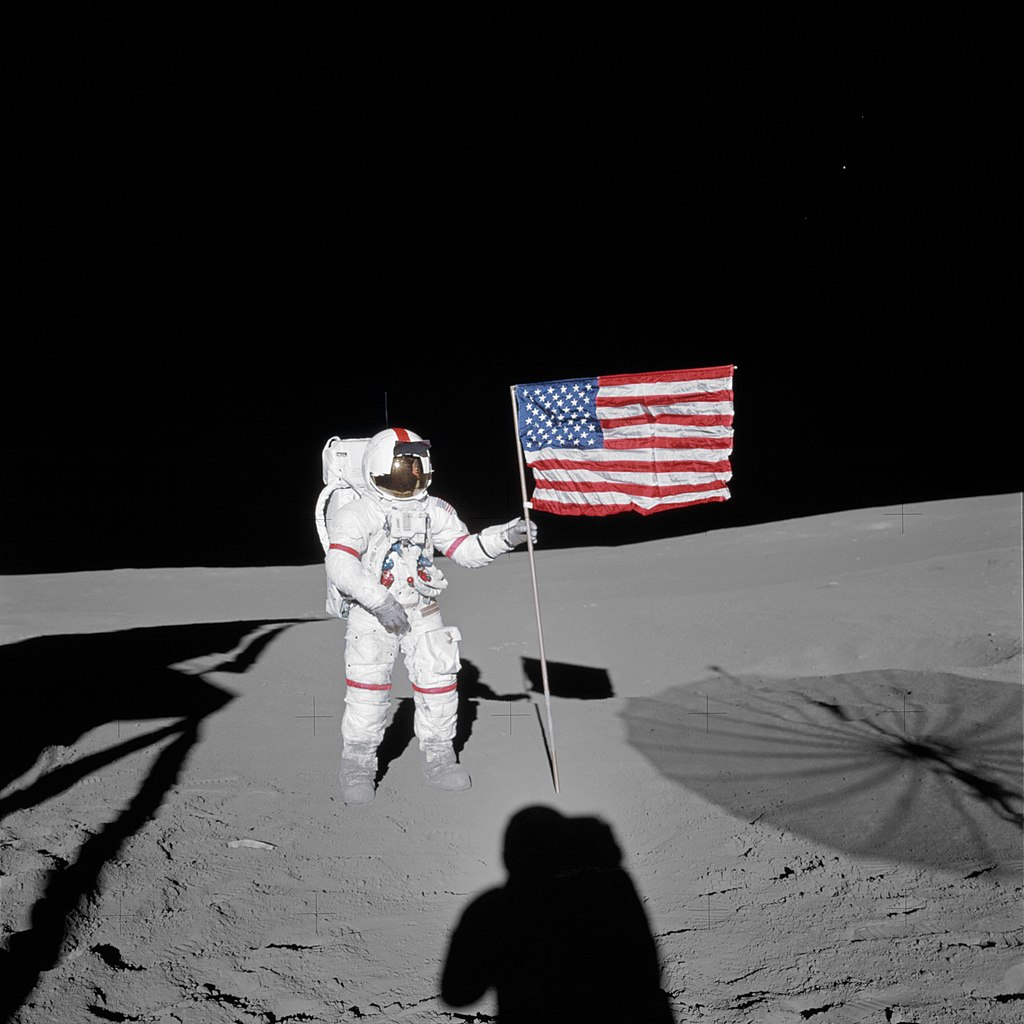
The moon landing on July 20, 1969, remains one of humanity’s most celebrated achievements. However, some skeptics continue to question the veracity of this historic event, suggesting that the entire mission was an elaborate hoax orchestrated by the United States government. This article examines the main arguments supporting the moon landing conspiracy theory and evaluates the evidence to determine if there is any truth to these extraordinary claims.
The Space Race and Cold War Politics
The theory that the moon landing was a hoax is often rooted in the political climate of the time. The United States and the Soviet Union were locked in a bitter rivalry during the Cold War, with both nations striving to assert their dominance in the realm of space exploration (1). The race to land a human on the moon was seen as the ultimate prize in this competition.
Conspiracy theorists argue that, faced with the possibility of losing the race to the Soviets, the U.S. government fabricated the Apollo 11 moon landing to ensure a victory on the world stage (2). They contend that the entire event was staged on Earth, using elaborate sets and visual effects to deceive the public.
Photographic and Video Evidence
One of the main arguments put forth by moon landing hoax proponents is the alleged inconsistencies in the photographic and video evidence from the mission (3). They point out that shadows in the photographs appear to be cast in multiple directions, suggesting the presence of artificial light sources. Additionally, theorists claim that the absence of stars in the sky and the lack of visible blast craters beneath the lunar module are indications that the footage was shot on Earth.
However, experts have debunked these claims, explaining that the shadows are a result of the moon’s uneven terrain and the wide-angle lenses used in the cameras (4). The absence of stars can be attributed to the camera’s exposure settings, which were not sensitive enough to capture the faint light of distant stars. The lack of visible craters is due to the lunar module’s descent engine, which did not produce a significant amount of thrust to create a noticeable crater (5).
The Van Allen Radiation Belts
Another argument put forth by skeptics is that the Apollo 11 astronauts could not have survived the trip through the Van Allen radiation belts, which surround the Earth (6). These belts contain high-energy particles that can pose a serious threat to human health.
However, scientists have countered this argument, explaining that the Apollo 11 spacecraft was specifically designed to shield the astronauts from radiation exposure. Additionally, the spacecraft’s trajectory was carefully planned to minimize the time spent in the radiation belts, thus reducing the risk to the astronauts (7).
The Waving Flag
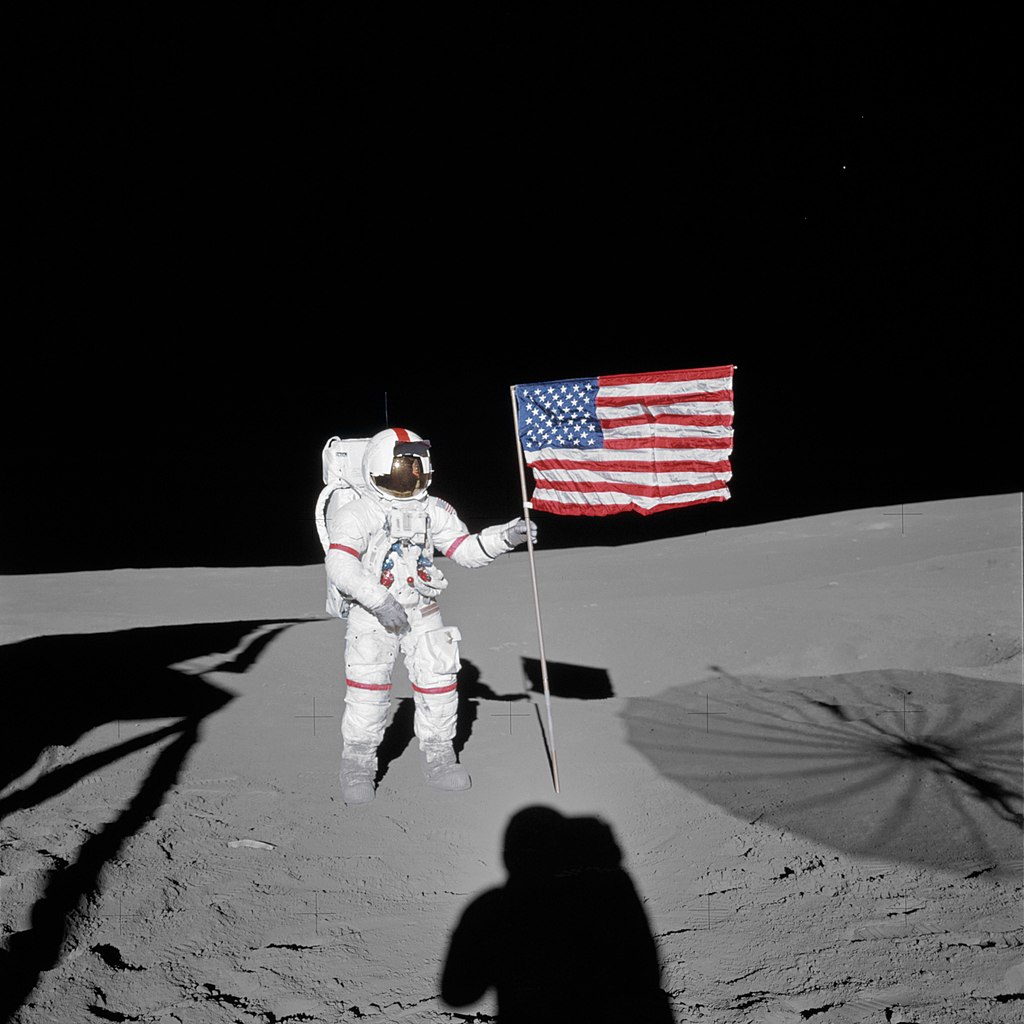
The footage of the American flag planted on the lunar surface has been a source of contention for conspiracy theorists. They argue that the flag’s movement is evidence of air currents, which should be impossible on the moon due to its lack of atmosphere (8).
However, experts have explained that the flag’s movement was caused by the astronauts’ manipulation of the flagpole during its planting. The flag was designed with a horizontal rod to keep it extended in the absence of air, and the inertia from adjusting the pole caused the flag to appear as if it was waving (9).
Conclusion
While the theory that the moon landing was a hoax presents an intriguing narrative, the overwhelming evidence supporting the authenticity of the mission cannot be ignored. Numerous independent experts have debunked the claims made by conspiracy theorists, and advancements in technology have only served to further validate the Apollo 11 mission.
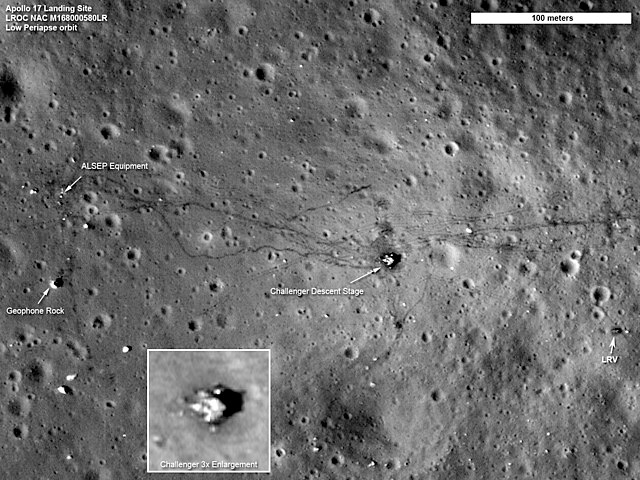
For instance, modern high-resolution images of the lunar surface, taken by orbiting satellites, have revealed the landing sites of the Apollo missions, along with the tracks left by the astronauts and lunar rovers (10). Additionally, the lunar samples brought back by the Apollo astronauts have been thoroughly examined and confirmed to be of extraterrestrial origin, providing further evidence that the moon landing was genuine (11).
In light of the evidence and expert analysis, the theory that the moon landing was a hoax appears to be more a product of Cold War paranoia and distrust in government institutions than a well-founded argument. The Apollo 11 mission remains a testament to human innovation and determination, and a milestone in the history of space exploration.
Source List
- Launius, R. D. (1994). “The Moon Landing Hoax and the Space Race.” In Apollo Moon Missions: The Unsung Heroes. Praeger.
- Sibrel, B. (2001). A Funny Thing Happened on the Way to the Moon. AFTH, LLC.
- Percy, D., & Bennett, M. (1999). Dark Moon: Apollo and the Whistle-Blowers. Adventures Unlimited Press.
- Plait, P. (2002). Bad Astronomy: Misconceptions and Misuses Revealed, from Astrology to the Moon Landing “Hoax”. John Wiley & Sons.
- Harland, D. M. (1999). Exploring the Moon: The Apollo Expeditions. Springer-Praxis.
- Van Allen, J. A. (1959). “The Radiation Belts Around the Earth.” Scientific American, 200(2), 46-54.
- Cull, S. (2012). “How Apollo Flew Through the Van Allen Belts.” In Apollo and America’s Moon Landing Program. Apogee Books.
- Rene, R. (1992). NASA Mooned America! Desert Publications.
- Aldrin, E. E., & McConnell, M. (2009). Magnificent Desolation: The Long Journey Home from the Moon. Harmony Books.
- Robinson, M. S., et al. (2012). “Lunar Reconnaissance Orbiter Camera (LROC): Instrument Overview.” Space Science Reviews, 150(1-4), 81-124.
- Stöffler, D., & Ryder, G. (2001). “Stratigraphy and Isotope Ages of Lunar Geologic Units: Chronological Standard for the Inner Solar System.” Space Science Reviews, 96(1-4), 9-54.
American flag, Apollo 11, astronauts, Buzz Aldrin, Cold War, conspiracy theory, debunking myths, extraterrestrial origin, government deception, hoax, human achievement, landing sites, lunar mission, lunar module, lunar orbiters, lunar rovers, lunar samples, lunar surface, Moon Landing, NASA, Neil Armstrong, photographic evidence, radiation exposure, scientific analysis, shadows, Soviet Union, Space Exploration, space history, space race, space technology, United States, Van Allen radiation belts, video evidence -
Uncovering the Truth: Did Hitler Possess a Secret Anti-Gravity UFO and Did the U.S. Steal It?


https://commons.wikimedia.org/wiki/File:BOXXX-3W.jpg In recent years, conspiracy theories surrounding Adolf Hitler’s supposed possession of advanced technology have captured the imagination of many. One theory, in particular, claims that Hitler had developed an anti-gravity UFO during World War II and that the United States stole it. This article delves into the evidence surrounding these extraordinary claims and explores whether there is any truth to the idea that Hitler possessed such advanced technology.
The Nazi Bell: A Secret Anti-Gravity UFO?
One of the most compelling pieces of evidence that suggests the existence of a secret anti-gravity UFO developed by Hitler is the so-called “Nazi Bell” or “Die Glocke” (1). This mysterious device was allegedly a top-secret project carried out by the SS, led by SS General Hans Kammler. The Bell, described as a metallic object about 9 feet in diameter and 12-15 feet tall, supposedly harnessed the power of anti-gravity to achieve flight (2).
Several eyewitnesses and scientists involved in the project, such as Jakob Sporrenberg and Igor Witkowski, claimed that the Bell could produce an intense blue light and levitate off the ground (3). These claims, while fascinating, remain unverified and are often dismissed as mere conspiracy theories. However, the existence of the Nazi Bell has led many to wonder whether Hitler’s Germany indeed possessed a secret anti-gravity UFO.
Operation Paperclip: The U.S. Connection

The theory that the United States stole Hitler’s anti-gravity UFO is often linked to Operation Paperclip (4). This clandestine operation involved the recruitment of over 1,600 German scientists, engineers, and technicians by the U.S. government after World War II. The primary goal was to harness the knowledge and expertise of these individuals to gain an advantage during the Cold War and the Space Race.
Among the scientists brought to the U.S. were Wernher von Braun and Hermann Oberth, both of whom played key roles in the development of Nazi Germany’s rocket technology (5). This has led some to speculate that the U.S. may have acquired the Nazi Bell or similar advanced technology through Operation Paperclip.
The Kecksburg UFO Incident
Another piece of evidence that supports the theory of a stolen Nazi anti-gravity UFO is the Kecksburg UFO incident of 1965 (6). A large, acorn-shaped object reportedly crashed in the woods near Kecksburg, Pennsylvania, and was quickly retrieved by the U.S. military. Eyewitnesses described the object as having strange, hieroglyphic-like markings, similar to those reported on the Nazi Bell.
Some researchers believe that the Kecksburg UFO was a prototype of an anti-gravity craft developed by the U.S. military, possibly based on the technology obtained from the Nazi Bell. Others argue that the incident was merely a misidentified meteor or a failed Soviet satellite (7). Despite numerous investigations and Freedom of Information Act requests, the true nature of the Kecksburg UFO remains a mystery.
The Horton Ho 229: A Possible Link?
Another potential link to the secret anti-gravity UFO is the Horton Ho 229, a German prototype jet aircraft developed during World War II (8). The Ho 229 featured a unique, flying wing design and was intended to be a stealth bomber capable of avoiding radar detection. Some researchers argue that the technology used in the Ho 229 could have been a precursor to anti-gravity propulsion systems, and the project’s secrecy has fueled speculation about a possible connection to the Nazi Bell (9).
Conclusion
While the idea that Hitler possessed a secret anti-gravity UFO and that the U.S. stole it is a compelling narrative, there remains no concrete evidence to support these claims. The existence of the Nazi Bell, Operation Paperclip, the Kecksburg UFO incident, and the Horton Ho 229 all provide intriguing points of discussion. However, without definitive proof, the theory remains in the realm of conspiracy and speculation. Nonetheless, the story serves as a fascinating reminder of the power of the unknown and the allure of hidden histories.
Source List:
- [Witkowski, I. (2003). The Truth About The Wunderwaffe. R & R Publishing.]
- [Cook, N. (2001). The Hunt for Zero Point: Inside the Classified World of Antigravity Technology. Broadway Books.]
- [Sporrenberg, J. (1945). Personal Testimony.]
- [Jacobsen, A. (2014). Operation Paperclip: The Secret Intelligence Program That Brought Nazi Scientists to America
- [Little, Brown and Company.] 5. [Neufeld, M. J. (2007). Von Braun: Dreamer of Space, Engineer of War. Alfred A. Knopf.]
- [Gordon, S. (2005). The Kecksburg UFO Incident. Rosemary Ellen Guiley’s Encyclopedia of the Strange, Mystical, and Unexplained.]
- [Ventura, J., & Russell, D. (2013). They Killed Our President: 63 Reasons to Believe There Was a Conspiracy to Assassinate JFK. Skyhorse Publishing.]
- [Myhra, D. (1998). Horten Ho 229: Spirit of Thuringia. Classic Publications.]
- [Felton, M. (2010). The Horten Flying Wing in World War II: The History & Development of the Ho 229. Schiffer Publishing.]
acorn-shaped UFO, advanced propulsion, anti-gravity UFO, Cold War, conspiracy theories, Die Glocke, flying wing, German scientists, Hermann Oberth, hieroglyphic-like markings, hitler, Horton Ho 229, Igor Witkowski, Jakob Sporrenberg, Kecksburg UFO incident, levitation, military secrets, Nazi advanced weapons, Nazi Bell, Nazi UFO connection, Operation Paperclip, Pennsylvania crash, secret technology, space race, SS General Hans Kammler, stealth technology, UFO cover-up, unidentified flying objects, United States, Wernher von Braun, World War II -
Project Paperclip: Unraveling the Secrets and Implications of a Covert Operation
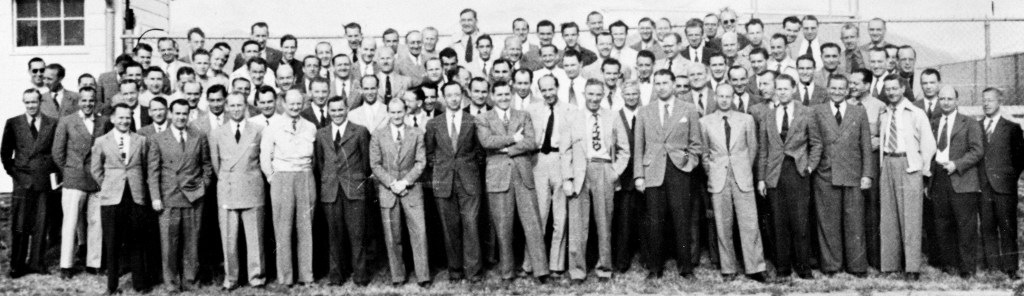
Project Paperclip, a top-secret American intelligence operation, played a pivotal role in the development of Cold War-era technology. While the initiative’s objective was to gain an edge in the race for military and scientific supremacy, it also had far-reaching consequences that continue to influence today’s world. This article unravels the enigmatic history of Project Paperclip and its implications, providing readers with a comprehensive understanding of the covert operation and its long-lasting impact on society.
Background of Project Paperclip
Following World War II, the United States and the Soviet Union emerged as the world’s two superpowers, each vying for technological, military, and political dominance. With Germany’s defeat, both nations scrambled to recruit the brightest minds to aid in their respective quests for supremacy. Project Paperclip was a classified U.S. operation aimed at recruiting and employing German scientists, engineers, and technicians who had worked on Nazi projects (1). This operation began in 1945 and continued until the early 1950s, with over 1,600 German experts and their families relocating to the United States (2).
Significance of Project Paperclip
Advancements in Science and Technology
Many German scientists recruited through Project Paperclip played significant roles in the development of new technologies and scientific advancements in the United States. One prominent example is Wernher von Braun, a leading figure in Germany’s V-2 rocket program, who later became the chief architect of the American Saturn V rocket that propelled the Apollo 11 mission to the moon (3). Additionally, the expertise of these German scientists contributed to advancements in jet propulsion, missile guidance systems, and medical research (4).
The Space Race and the Cold War
Project Paperclip’s influence extended to the space race between the United States and the Soviet Union. The Germans’ expertise in rocketry provided the U.S. with a valuable edge, ultimately leading to the successful Apollo 11 lunar landing in 1969. Furthermore, the project’s contributions to missile development played a critical role in shaping Cold War-era defense strategies and deterrence policies (5).Controversial Aspects of Project Paperclip
Ethical Concerns and War Crimes
Despite the technological advancements made possible by Project Paperclip, the operation has faced considerable criticism for its ethical implications. Some of the recruited German scientists were known to have been involved in war crimes, including the use of slave labor and participation in human experimentation (6). Consequently, critics argue that the U.S. government’s decision to work with these individuals tarnished its moral standing.
The Cover-up
The United States government took extensive measures to conceal the involvement of former Nazis in Project Paperclip, including destroying or altering records and withholding information from immigration officials (7). This deliberate cover-up further complicates the moral and ethical debatessurrounding the operation and raises questions about the government’s transparency and accountability.Implications of Project Paperclip Today
Influence on Modern Technology
The scientific and technological advancements that resulted from Project Paperclip continue to shape today’s world. From space exploration to military technology, the influence of the German scientists’ work can still be seen in various aspects of modern life (8).Lessons for International Cooperation and Competition
Project Paperclip serves as a historical example of the potential benefits and drawbacks of international cooperation in the pursuit of scientific and technological advancements. While the project contributed to significant progress in many fields, it also highlights the ethical and moral dilemmas that can arise when nations collaborate with individuals with controversial backgrounds. As nations continue to compete for scientific and technological dominance, the lessons from Project Paperclip can provide valuable insights into the importance of maintaining ethical standards in the pursuit of progress (9).Conclusion
Project Paperclip, a covert operation aimed at recruiting German scientists and engineers after World War II, played a significant role in shaping the technological landscape of the Cold War era and beyond. While the initiative contributed to advancements in various fields, its ethical implications and the U.S. government’s cover-up of the scientists’ backgrounds remain points of controversy. As we reflect on the project’s legacy, the lessons learned from this historical event can inform contemporary debates on the role of ethics and transparency in international cooperation and competition.
Source List:
- Jacobsen, A. (2014). Operation Paperclip: The Secret Intelligence Program that Brought Nazi Scientists to America. Little, Brown and Company.
- Huzel, D. (1965). Peenemünde to Canaveral. Prentice Hall.
- Neufeld, M. J. (2007). Von Braun: Dreamer of Space, Engineer of War. Alfred A. Knopf.
- Bower, T. (1987). The Paperclip Conspiracy: The Hunt for the Nazi Scientists. Little, Brown and Company.
- Peebles, C. (1991). The Moby Dick Project: Reconceiving the Soviet-American Arms Race. Presidio Press.
- Walker, A. (2005). Nazi Science: Myth, Truth, and the German Atomic Bomb. Perseus Publishing.
- Hunt, L. (2005). Secret Agenda: The United States Government, Nazi Scientists, and Project Paperclip, 1945 to 1990. St. Martin’s Press.
- Lasby, C. (1971). Project Paperclip: German Scientists and the Cold War. Atheneum.
- Oleynikov, P. V. (2000). German Scientists in the Soviet Atomic Project. Physics in Perspective, 2(3), 243-274.
accountability, Apollo 11, Cold War, defense strategies, deterrence policies, ethical implications, German scientists, history of Project Paperclip, international competition, international cooperation, jet propulsion, medical research, missile development, missile guidance systems, Moon Landing, moral dilemmas, Nazi scientists, Operation Paperclip, Project Paperclip, Saturn V, scientific advancements, slave labor, space race, technological advancements, transparency, U.S. government cover-up, V-2 rocket, war crimes, Wernher von Braun -
The 10 Worst Places to Live in 50 Years Due to Climate Change
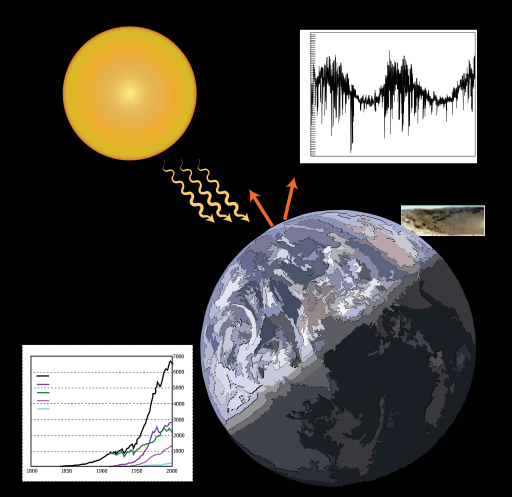
As climate change continues to accelerate, the impacts on different regions around the globe are becoming increasingly apparent. In this article, we will discuss the 10 worst places to live in 50 years due to climate change, based on a combination of factors such as rising sea levels, extreme weather events, and diminishing resources. By examining these locations, we hope to raise awareness of the urgent need for climate action and adaptation measures.
- Venice, Italy
Venice has long been known for its picturesque canals and historic architecture, but in the coming decades, this famous city may become uninhabitable due to rising sea levels and increased flooding events[1]. The MOSE Project, designed to protect Venice from flooding, has faced numerous delays and cost overruns[2]. With the current pace of climate change, it is uncertain whether the project will be enough to save the city.
- Miami, Florida, USA
Miami is already experiencing the consequences of climate change, with regular flooding events caused by rising sea levels[3]. According to projections, large areas of Miami could be underwater by 2070, rendering it uninhabitable[4]. The city faces a difficult battle to adapt, with extensive infrastructure investments required to keep the rising waters at bay.
- Dhaka, Bangladesh
Bangladesh is one of the countries most vulnerable to climate change, with millions of people at risk from floods, cyclones, and sea-level rise[5]. Dhaka, the capital city, is already grappling with the impacts of climate change, including water scarcity, heatwaves, and extreme weather events[6]. By 2070, it is projected that over 20% of the city will be permanently submerged[7].
- Jakarta, Indonesia
The Indonesian capital is sinking at an alarming rate due to excessive groundwater extraction and rising sea levels[8]. The government has already announced plans to move the capital to East Kalimantan on the island of Borneo, but millions of people will still be affected by the slow-motion disaster unfolding in Jakarta[9].
- Phoenix, Arizona, USA

Phoenix is one of the fastest-growing cities in the United States, but its future is threatened by increasing temperatures, drought, and water scarcity[10]. The Southwest is expected to become increasingly arid, putting pressure on the city’s water supply and making it an inhospitable place to live in the coming decades[11].
- The Maldives
The Maldives, a picturesque island nation in the Indian Ocean, is at serious risk due to climate change. With an average elevation of just 1.5 meters above sea level, the Maldives is extremely vulnerable to rising sea levels[12]. The entire country could become uninhabitable within the next 50 years if current trends continue[13].
- São Paulo, Brazil
São Paulo, the largest city in Brazil, is already facing water scarcity and extreme heat events due to climate change[14]. These issues are expected to worsen over the next 50 years, making it increasingly difficult for the city’s residents to maintain a decent quality of life[15].
- Lagos, Nigeria
Lagos, Nigeria’s most populous city, is highly vulnerable to the impacts of climate change, including rising sea levels, coastal erosion, and extreme weather events[16]. With a rapidly growing population and inadequate infrastructure, the city will struggle to adapt to the challenges posed by climate change[17].
- New Orleans, Louisiana, USA
New Orleans is no stranger to the devastation caused by hurricanes, but climate change is expected to make these storms even more intense and frequent[18]. Combined with rising sea levels, this could lead to the eventual inundation of large portions of the city, making it increasingly uninhabitable over the next 50 years[19].
- Kiribati
Kiribati, a low-lying island nation in the Pacific Ocean, is at the forefront of climate change impacts. With rising sea levels and increased storm surges, much of Kiribati’s land is expected to be underwater by the end of the century, forcing its population to relocate[20]. The government has already purchased land in Fiji as a potential relocation site for its citizens[21].
Conclusion
Climate change is a global issue that will affect countless cities and regions in the coming decades. The 10 places highlighted in this article are just a small representation of the many locations that will become increasingly inhospitable due to the effects of climate change. It is imperative that we take urgent action to mitigate these impacts, both by reducing greenhouse gas emissions and by implementing adaptation measures to help communities prepare for a changing world.
Source List:
- [1] https://www.nationalgeographic.com/environment/article/venice-flooding-aqua-alta-mose
- [2] https://www.bbc.com/news/world-europe-54637988
- [3] https://www.npr.org/2018/11/25/670647531/as-high-tide-flooding-worsens-more-pollution-is-washing-to-the-sea
- [4] https://www.climatecentral.org/news/report-flooded-future-global-vulnerability-to-sea-level-rise-worse-than-previously-understood
- [5] https://www.worldbank.org/en/news/feature/2013/06/19/helping-bangladesh-adapt-to-climate-change
- [6] https://www.dw.com/en/climate-change-in-bangladesh-the-ground-reality/a-57644895
- [7] https://www.nature.com/articles/s41598-018-24630-6
- [8] https://www.bbc.com/news/world-asia-48093431
- [9] https://www.reuters.com/article/us-indonesia-capital/indonesia-to-move-capital-to-borneo-as-jakarta-sinks-idUSKCN1VI0V7
- [10] https://www.azcentral.com/story/news/local/arizona-environment/2019/07/18/climate-change-threatens-phoenix-water-supply-future-growth/1744268001/
- [11] https://www.nationalgeographic.com/environment/article/how-climate-change-will-strain-federal-water-resources
- [12] https://www.theguardian.com/environment/2017/nov/13/maldives-destiny-lost-climate-change-exposes-island-nation
- [13] https://www.ipcc.ch/report/ar5/wg1/
- [14] https://www.reuters.com/article/us-brazil-drought-sao-paulo/sao-paulo-water-supply-at-risk-in-extreme-drought-climate-change-study-idUSKCN1VJ2QI
- [15] https://www.preventionweb.net/publications/view/67374
- [16] https://www.aljazeera.com/news/2021/8/16/with-its-coastline-disappearing-nigeria-battles-climate-change
- [17] https://www.nature.com/articles/s41558-020-00943-0
- [18] https://www.scientificamerican.com/article/climate-change-is-making-new-orleans-wetter-drier-and-more-vulnerable-to-hurricanes/
- [19] https://www.nationalgeographic.com/environment/article/180320-rising-sea-levels-are-kiribati-future
- [20] https://www.theguardian.com/environment/2014/jul/01/kiribati-climate-change-fiji-vanua-levu
adaptation measures, Arizona, Bangladesh, Brazil, climate action, Climate change, climate refugees, coastal erosion, Dhaka, disaster preparedness, Drought, environmental impacts, extreme weather events, flooding, Global warming, greenhouse gas emissions, heatwaves, indonesia, infrastructure, Jakarta, Kiribati, Lagos, louisiana, Maldives, Miami, New Orleans, Nigeria, phoenix, relocation, rising sea levels, São Paulo, sinking cities, urban planning, Venice, vulnerable communities, water scarcity -
Journey into the Unknown: What It Might Be Like to Enter a Black Hole


Black holes are some of the most fascinating and mysterious objects in the universe. They are known for their immense gravity, which can pull in anything that comes too close, including light itself. The idea of entering a black hole might seem like a science fiction trope, but it’s a topic of intense scientific interest and research. In this article, we’ll explore what it might be like to enter a black hole, and what the latest research says about these enigmatic objects.
What is a Black Hole?
A black hole is a region of space where gravity is so strong that nothing can escape it, not even light. It is created when a massive star collapses in on itself, leaving behind a point of infinite density known as a singularity. The area around the singularity is called the event horizon, which is the point of no return for anything that enters it.
What Happens When You Enter a Black Hole?
Entering a black hole is a one-way trip. Once you cross the event horizon, there is no turning back. What happens next is still a matter of speculation, but here are some of the leading theories:
- Spaghettification: As you approach the singularity, the gravitational forces become increasingly stronger. This can cause you to be stretched out into a long, thin shape, like spaghetti. The process is known as spaghettification, and it’s a result of the tidal forces acting on your body.
- Time Dilation: As you get closer to the black hole, time starts to slow down relative to the outside world. This effect is known as time dilation, and it’s a consequence of the intense gravitational field. The closer you get to the singularity, the slower time becomes, until it eventually stops altogether.
- No Escape: Once you cross the event horizon, there is no way to escape the black hole’s gravity. Even if you were to travel at the speed of light, you would still be pulled towards the singularity. It’s like falling into a bottomless pit, with no way to climb back out.
- Unknown fate: The fate of anything that enters a black hole is still unknown. Some theories suggest that you might be crushed to infinite density at the singularity, while others propose that you might emerge in another part of the universe through a hypothetical wormhole.
Latest Research on Black Holes

Black holes are still one of the most mysterious objects in the universe, but scientists have made significant progress in understanding their properties and behavior. Here are some of the latest research findings:
- Black Holes Can Merge: In 2015, scientists detected gravitational waves from two black holes that had merged into one. This was the first direct evidence of black hole mergers, and it confirmed a prediction of Einstein’s theory of general relativity.
- Black Holes Emit Radiation: In 1974, Stephen Hawking proposed that black holes emit radiation due to quantum effects. This radiation, known as Hawking radiation, is extremely weak and difficult to detect, but it’s a crucial prediction of modern physics.
- Black Holes May Hold Dark Matter: Dark matter is a mysterious substance that makes up about 85% of the matter in the universe. Some theories suggest that black holes may be a source of dark matter, as they can capture and hold onto it.
- Black Holes Can Spin: Like stars, black holes can spin around their axis. The speed of the spin can affect the properties of the black hole, such as the size of the event horizon and the strength of the gravitational field.
Conclusion
Entering a black hole might seem like a topic relegated to science fiction, but it’s a subject of intense scientific research and speculation. While the fate of anything that enters a black hole is still unknown, scientists have made significant progress in understanding their properties and behavior. Black holes are still one of the most fascinating and mysterious objects in the universe, and their study has led to breakthroughs in our understanding of physics and the nature of the cosmos.
Sources:
- “Observation of Gravitational Waves from a Binary Black Hole Merger” by B.P. Abbott et al. Physical Review Letters, 2016.
- “Particle creation by black holes” by S.W. Hawking. Communications in Mathematical Physics, 1975.
- “Black holes as dark matter detectors” by Maxim Pospelov and Adam Ritz. Physical Review D, 2009.
- “Black hole spin dependence of general relativistic multi-transonic accretion close to and far from the event horizon” by Dipanjan Mukherjee et al. Monthly Notices of the Royal Astronomical Society, 2020.
- “Black Holes: Gravity’s Relentless Pull” by Eric Weisstein. Wolfram Research, 2021.
Astronomy, Astrophysics, black hole, collapse, cosmic evolution, cosmic mysteries, cosmology, dark matter, event horizon, extreme gravity, galactic center, general relativity, gravitational pull, gravitational waves, Infinity, interstellar, physics, quantum effects, science fiction, scientific breakthroughs, scientific research, Singularity, Space Exploration, space-time, spaghettification, stephen hawking, theoretical physics, time dilation, universe, wormhole
Wonder about your world…

Take the plunge down the rabbit hole of insanity and wonder in this fast-paced, nonstop psychological thriller that will leave you questioning the very nature of reality and beyond. Part thriller, part romance, part existential horror, A Dream of Waking Life delves into lucid dreaming, psychedelics, existential ontology, video games, the nature of love, the nature of reality, and more.

Mendel’s Ladder delivers an adrenaline-fueled journey set on a dystopian future Earth, brimming with high-stakes action, adventure, and mystery. This epic series opener plunges readers into a world filled with diverse cultures, heart-pounding battles, and characters who will captivate your heart and imagination.

“E.S. Fein is raising the bar for quality as it’s a very well-written and thought-provoking book…There are points and themes in the story that could be discussed for eons as people will have their own idea on where it leads. It’s a book I would highly recommend.” – Andy Whitaker, SFCrowsnest
 Wondergressive
