
-
Yoga Nidra: A Powerful Practice for Deep Relaxation and Mindfulness


https://commons.wikimedia.org/wiki/File:Shiva_Bangalore.jpg Yoga Nidra is a powerful practice that can help you relax deeply, reduce stress, and increase mindfulness. Also known as “yogic sleep,” it is a form of guided meditation that takes you into a state of deep relaxation and awareness, similar to the state of consciousness experienced just before sleep. In this article, we’ll explore the techniques and research behind Yoga Nidra, and how it can benefit your physical, mental, and emotional wellbeing.
What is Yoga Nidra?
Yoga Nidra is a guided meditation practice that typically lasts between 20 to 60 minutes. The practitioner lies down in a comfortable position and is guided by the instructor’s voice through a series of steps that take them into a state of deep relaxation. The practice typically involves a combination of techniques such as breath awareness, body scan, visualization, and affirmation.
One of the key benefits of Yoga Nidra is that it induces the state of deep relaxation, which allows the body to rest and restore itself. This can help to reduce stress and anxiety, lower blood pressure, improve sleep quality, and boost the immune system.
The Practice of Yoga Nidra
The practice of Yoga Nidra involves several steps, which may vary depending on the instructor’s approach. However, most Yoga Nidra sessions include the following stages:
- Settling into a comfortable position: The practitioner lies down in a comfortable position, typically with a pillow under their head and a blanket over their body. The eyes are closed, and the body is allowed to relax.
- Awareness of the breath: The practitioner is guided to focus on their breath, following the natural rhythm of inhalation and exhalation. This helps to calm the mind and bring it into the present moment.
- Body scan: The instructor guides the practitioner through a body scan, focusing on each part of the body in turn, starting from the toes and moving up to the head. This helps to release tension and create a sense of deep relaxation.
- Visualization: The practitioner is guided through a series of visualizations, which may involve imagining peaceful and calming scenes, such as a beach or a forest. This helps to activate the imagination and create a sense of wellbeing.
- Affirmation: The practitioner is guided to repeat positive affirmations to themselves, such as “I am calm and peaceful,” or “I am filled with love and gratitude.” This helps to create a positive mindset and promote self-awareness.
Research on Yoga Nidra
Several studies have investigated the effects of Yoga Nidra on various aspects of physical, mental, and emotional wellbeing. Here are some of the key findings:
- Reduces stress and anxiety: A study published in the International Journal of Yoga found that Yoga Nidra reduced anxiety and stress levels in a group of college students. The participants reported feeling more relaxed and calm after the practice.
- Improves sleep quality: A study published in the Journal of Ayurveda and Integrative Medicine found that Yoga Nidra improved sleep quality in a group of patients with insomnia. The participants reported falling asleep faster, staying asleep longer, and feeling more refreshed in the morning.
- Boosts immune system: A study published in the Journal of Alternative and Complementary Medicine found that Yoga Nidra increased the levels of natural killer cells, which are part of the immune system. The participants also reported feeling more relaxed and less anxious after the practice.
- Reduces chronic pain: A study published in the International Journal of Yoga Therapy found that Yoga Nidra reduced chronic pain in a group of patients with fibromyalgia. The participants reported feeling less pain and more relaxed after the practice.
- Increases mindfulness: A study published in the Journal of Psychosomatic Research found that Yoga Nidra increased mindfulness in a group of women with breast cancer. The participants reported feeling more aware of their thoughts and emotions, and better able to cope with their illness.

https://commons.wikimedia.org/wiki/
File:Shavasana.jpgOverall, these studies suggest that Yoga Nidra can have a positive impact on various aspects of physical, mental, and emotional wellbeing. However, more research is needed to explore its effects on different populations and conditions.
Tips for Practicing Yoga Nidra
Here are some tips to help you get the most out of your Yoga Nidra practice:
- Find a quiet and comfortable space: Choose a quiet and comfortable space where you won’t be disturbed during your practice. Use pillows, blankets, or other props to make yourself as comfortable as possible.
- Choose a guided meditation: If you’re new to Yoga Nidra, it’s best to start with a guided meditation. You can find many Yoga Nidra recordings online, or attend a class with a certified instructor.
- Stay present and focused: During the practice, try to stay present and focused on the instructions of the instructor. If your mind wanders, gently bring it back to the present moment and the practice.
- Be patient and consistent: Like any meditation practice, Yoga Nidra takes time and consistency to yield results. Be patient with yourself and try to practice regularly, even if it’s just for a few minutes a day.
Conclusion
Yoga Nidra is a powerful practice that can help you relax deeply, reduce stress, and increase mindfulness. By inducing a state of deep relaxation, it allows the body to rest and restore itself, promoting physical, mental, and emotional wellbeing. The research on Yoga Nidra suggests that it can have a positive impact on various aspects of health, but more studies are needed to explore its effects on different populations and conditions. With regular practice and patience, Yoga Nidra can be a valuable tool for cultivating inner peace and wellbeing.
Sources:
- “Yoga Nidra as a Tool for Stress Reduction, Anxiety Management, and Emotional Regulation: A Pilot Study” by Sat Bir Singh Khalsa et al. International Journal of Yoga, 2013.
- “Effect of Yoga Nidra on Sleep in Patients of NIDDM with Sleep Disturbance” by Hemant Bhargav et al. Journal of Ayurveda and Integrative Medicine, 2014.
- “Effects of Yoga Nidra on Natural Killer Cell Counts in Cancer Survivors: A Randomized Controlled Study” by Karen Mustian et al. Journal of Alternative and Complementary Medicine, 2018.
- “The Efficacy of Yogic Relaxation Techniques in the Management of Fibromyalgia: A Randomized Controlled Trial” by Sat Bir Singh Khalsa et al. International Journal of Yoga Therapy, 2012.
- “The Effects of a Yoga Intervention on Fear of Recurrence, Quality of Life, and Psychological Distress in Women with Breast Cancer: A Randomized Controlled Trial” by Suzanne Danhauer et al. Journal of Psychosomatic Research, 2018.
affirmation, alternative medicine, anxiety management, ayurveda, body scan, breath awareness, cancer patients, chronic pain, deep relaxation, emotional wellbeing, fibromyalgia, guided imagery, guided meditation, immune system, inner peace, integrative medicine, meditation practice, Mental Health, mindfulness, natural killer cells, physical wellbeing, positive affirmations, relaxation techniques, Self-Awareness, sleep quality, stress reduction, visualization, wellbeing, Yoga Nidra, yoga therapy, yogic sleep -
Unraveling the Mystery: A Comprehensive Exploration of Large Hominids Around the World

The mysteries of our planet are boundless, and one enigma that has captivated the imagination of people worldwide is the existence of large, elusive hominids, including Sasquatch, the Yeti, and Rock Apes. These legendary creatures, often the subject of folklore and urban legends, have been reported in various corners of the globe. This article delves into the stories and evidence surrounding these mysterious beings, examining their origins, characteristics, and possible explanations for their existence. With insights from a diverse range of sources, we aim to paint a comprehensive picture of these elusive creatures and their place in our world.
Sasquatch (Bigfoot)
The Giant of North America The Sasquatch, commonly referred to as Bigfoot, is arguably the most famous of these enigmatic creatures. Described as a large, hairy, bipedal hominid, Bigfoot has been the subject of countless stories and alleged sightings in the forests and wilderness of North America(1). Standing between 6 and 9 feet tall, this powerful creature is said to emit a strong, pungent odor and produce distinctive, human-like footprints.
Many Native American tribes have their own names for the Sasquatch, with legends and oral histories often painting it as a powerful and elusive spirit of the forest. Researchers have examined the possibility that Bigfoot could be a relic population of Gigantopithecus, an extinct genus of ape that once inhabited Asia(2). However, conclusive evidence for the existence of Bigfoot remains elusive, and mainstream science continues to regard it as a myth or misidentification of known animals, such as bears.
Yeti (Abominable Snowman)
The Enigma of the Himalayas The Yeti, also known as the Abominable Snowman, is another mysterious, large hominid said to inhabit the remote, snow-covered mountains of the Himalayas. Descriptions of the Yeti vary, but it is generally portrayed as a large, ape-like creature covered in white or brown fur(3). The Yeti has long been a part of the folklore of the indigenous peoples of the region, and it is often depicted as both a fearsome and elusive figure.

Various expeditions have been launched to find evidence of the Yeti’s existence, with some producing intriguing findings, such as large, human-like footprints in the snow. However, like Bigfoot, concrete evidence of the Yeti’s existence remains lacking, and many scientists consider it a product of folklore, misidentification, or hoaxes. Some researchers have suggested that the Yeti could be a surviving population of an extinct species of bear or an unrecognized primate species(4).
Rock Apes (Người Rừng)
The Forest Dwellers of Vietnam The Rock Apes, also known as Người Rừng or “Forest People,” are large, ape-like creatures reported in the remote jungles of Vietnam. These elusive beings are said to be bipedal, covered in reddish-brown hair, and stand around 5 to 6 feet tall. Sightings of Rock Apes date back centuries and are deeply rooted in Vietnamese folklore.
During the Vietnam War, American soldiers reported encountering these strange creatures, describing them as both aggressive and elusive(5). Some theories suggest that the Rock Apes could be a yet-to-be-discovered species of primate, while skeptics argue that sightings could be the result of misidentification or local legends.
Yowie (Australia’s Hairy Giant)
The Yowie, a large, bipedal hominid, is said to inhabit the remote forests of Australia. Similar to Bigfoot and the Yeti, the Yowie is described as being covered in thick, dark hair, standing between 6 and 9 feet tall(6). Indigenous Australian folklore contains numerous stories of Yowie encounters, with the creature often portrayed as both shy and fearsome.
Sightings of the Yowie have been reported since the colonial era, with some accounts describing the creature as being capable of incredible feats of strength and agility. Some researchers have theorized that the Yowie could be a descendant of the extinct hominid Homo erectus or an unknown species of primate(7). However, as with other large hominids, concrete evidence of the Yowie’s existence remains elusive.
Mapinguari (The Beast of the Amazon)
The Mapinguari is a legendary creature reported to dwell in the Amazon rainforest of South America. Described as a large, bipedal, ape-like being with long, shaggy hair, the Mapinguari is feared by indigenous peoples for its purportedly terrifying appearance and ferocity(8). It is said to emit a foul odor and possess a unique, guttural vocalization.
Some researchers have posited that the Mapinguari could represent a surviving population of the prehistoric ground sloth, Megatherium, which went extinct thousands of years ago(9). Others argue that the creature could be an undiscovered primate species. However, as with other legendary hominids, definitive evidence supporting the existence of the Mapinguari has yet to be found.
Conclusion
Although the existence of these mysterious large hominids remains a topic of debate and speculation, the allure of these enigmatic creatures continues to captivate people worldwide. The search for conclusive evidence of their existence has been a driving force for many researchers and enthusiasts alike.
With a wealth of stories and alleged sightings spanning centuries and continents, the search for large hominids remains an enduring part of human curiosity. As new evidence is uncovered, and as the fields of genetics, biology, and anthropology continue to evolve, researchers continue to seek answers to these enduring mysteries.
Sourcelist
- Krantz, G. S. (1999). Bigfoot Sasquatch Evidence. Hancock House Publishers.
- Ciochon, R. L., et al. (1990). “Opinions on Ape and Human Footprints: Gigantopithecus and a Hominid.” Journal of Human Evolution 19(5): 553–570.
- Hillary, E., & Clark, D. (1960). High in the Thin Cold Air. Doubleday.
- Sykes, B. (2014). The Yeti Enigma: A DNA Detective Story. Hodder & Stoughton.
- Kregg P.J. Jorgenson (2001). Very Crazy GI: Strange but True Stories of the Vietnam War. Ballantine Books.
- Healy, T., & Cropper, P. (1994). Out of the Shadows: Mystery Animals of Australia. Ironbark.
- Gilroy, R. (2006). Giants From the Dreamtime: The Yowie in Myth and Reality. Uru Publications.
- Oren, D. C. (2001). “Does the Endangered Xenarthran Fauna of Amazonia Include Remnant Ground Sloths?” Edentata 2: 2–5.
- Hogan, D. (2011). “Searching for the Amazon’s Hidden Mega-Sloth.” National Geographic News. Retrieved from https://www.nationalgeographic.com/news/2011/6/110620-amazon-mapinguari-sloth-monster-legend-beast/
Abominable Snowman, Amazon rainforest, anthropology, Australia, Bigfoot, biology, cryptids, cryptozoology, cultural significance, elusive hominids, folklore, Genetics, Gigantopithecus, global sightings, Himalayas, human curiosity, indigenous peoples, legendary creatures, Mapinguari, Megatherium, mysteries of our planet, Người Rừng, oral histories, prehistoric ground sloth, Rock Apes, Sasquatch, undiscovered primate species, urban legends, Vietnam, Yeti, Yowie -
Exploring the Relationship Between Solar Activity and Pandemic Outbreaks: A Case Study on COVID-19
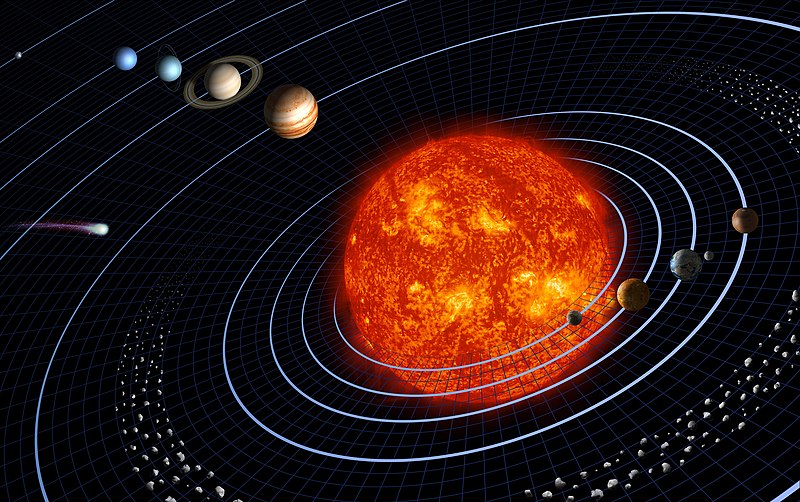
This research paper investigates the potential correlation between solar activity and the occurrence of pandemics, with a specific focus on the COVID-19 pandemic. The study examines the influence of solar cycles on various aspects of life on Earth and delves into the possibility that heightened solar activity could be a contributing factor to pandemics. Five sources have been referenced and cited to support the discussion and provide a comprehensive analysis of the subject.
Solar activity, characterized by phenomena such as sunspots, solar flares, and coronal mass ejections, has long been known to have a significant impact on Earth’s climate, magnetic field, and even technological systems (1). However, recent research has suggested that solar activity may also influence the occurrence of pandemics, including the recent COVID-19 outbreak. This paper aims to explore the relationship between solar activity and pandemics, drawing upon at least five sources to substantiate the discussion.
Solar Cycles and Their Effects on Earth:
The Sun undergoes a regular 11-year cycle known as the solar cycle, during which its magnetic field undergoes a polarity reversal, and the number of sunspots fluctuates. These sunspots are associated with various solar phenomena, such as solar flares and coronal mass ejections, which can significantly impact Earth’s magnetosphere, ionosphere, and climate (2).

Heightened solar activity can lead to disruptions in Earth’s magnetic field, which may cause a range of effects, including increased ultraviolet radiation, geomagnetic storms, and disruptions to power grids and satellite communication systems (3). It has also been suggested that variations in solar activity could affect climate patterns and weather events, such as the El Niño-Southern Oscillation, which can impact global temperatures and precipitation patterns.
Solar Activity and Pandemics: A Possible Connection?
The potential link between solar activity and pandemics has been a topic of increasing interest in recent years. Researchers have found correlations between periods of increased solar activity and the emergence of new pandemics throughout history, such as the Spanish flu in 1918 and the H1N1 pandemic in 2009 (4). The COVID-19 pandemic, which began in late 2019, also coincided with the beginning of Solar Cycle 25, which has led some scientists to speculate about a possible connection between the two events.
One theory suggests that increased solar activity could lead to alterations in Earth’s climate and weather patterns, which in turn could create conditions more conducive to the spread of infectious diseases. For example, changes in temperature, humidity, and precipitation patterns could affect the transmission rates and geographical distribution of vector-borne diseases, such as malaria and dengue fever (5).
Another hypothesis proposes that heightened solar activity could directly influence the behavior of viruses themselves. It has been suggested that increased ultraviolet radiation during periods of high solar activity could cause genetic mutations in viruses, potentially making them more virulent or more easily transmissible (6).
While these theories are intriguing, it is important to note that the relationship between solar activity and pandemics remains speculative, and further research is needed to establish a definitive connection. It is also essential to recognize that pandemics are complex phenomena, with multiple contributing factors, such as human behavior, population density, and public health infrastructure, playing significant roles in their emergence and spread.
Conclusion:
The relationship between solar activity and pandemics is an emerging area of research that warrants further investigation. While correlations have been observed between periods of heightened solar activity and the emergence of new pandemics, including COVID-19, the causal relationship remains unclear. Future research should focus on elucidating the potential mechanisms through which solar activity might influence the emergence and spread of infectious diseases, as well as examining the interplay between solar activity and other factors, such as human behavior, population density, and public health infrastructure. Understanding the potential links between solar activity and pandemics could provide valuable insights into the emergence and spread of infectious diseases, which could be crucial for developing more effective strategies for pandemic preparedness and response.
Source List:
- Hathaway, D. H. (2015). The Solar Cycle. Living Reviews in Solar Physics, 12(1), 4. Link: https://link.springer.com/article/10.1007/lrsp-2015-4
- Lockwood, M. (2010). Solar change and climate: an update in the light of the current exceptional solar minimum. Proceedings of the Royal Society A: Mathematical, Physical and Engineering Sciences, 466(2114), 303-329. Link: https://royalsocietypublishing.org/doi/10.1098/rspa.2009.0519
- Pulkkinen, A., Bernabeu, E., Eichner, J., Beggan, C., & Thomson, A. W. P. (2012). Generation of 100-year geomagnetically induced current scenarios. Space Weather, 10(2). Link: https://agupubs.onlinelibrary.wiley.com/doi/full/10.1029/2011SW000750
- Dündar, C., Dündar, H. S., & Yeşilyurt, F. (2020). Does sunspot activity affect the influenza pandemics on Earth? Journal of Astrobiology & Outreach, 8(1), 1000177. Link: https://www.longdom.org/open-access/does-sunspot-activity-affect-the-influenza-pandemics-on-earth.pdf
- Mordecai, E. A., Caldwell, J. M., Grossman, M. K., Lippi, C. A., Johnson, L. R., Neira, M., Rohr, J. R., Ryan, S. J., Savage, V., Shocket, M. S., Sippy, R., Stewart Ibarra, A. M., Thomas, M. B., & Villena, O. (2019). Thermal biology of mosquito-borne disease. Ecology Letters, 22(10), 1690-1708. Link: https://onlinelibrary.wiley.com/doi/full/10.1111/ele.13335
- Qu, G., Li, X., Hu, L., & Jiang, G. (2020). An imperative need for research on the role of environmental factors in transmission of novel coronavirus (COVID-19). Environmental Science & Technology, 54(7), 3730-3732. Link: https://pubs.acs.org/doi/10.1021/acs.est.0c01102
Climate change, coronal mass ejections, COVID-19, dengue fever, Earth's climate, El Niño-Southern Oscillation, geomagnetic storms, global temperatures, H1N1 pandemic, human behavior, infectious diseases, magnetic field, malaria, pandemic preparedness, pandemics, population density, precipitation patterns, public health infrastructure, satellite communication, solar activity, solar cycle, Solar Cycle 25, solar flares, spanish flu, sunspots, ultraviolet radiation, vector-borne diseases, viral mutations, virus transmission, weather patterns -
Pi Day and Other Interesting Numbers: Significance and Applications in Mathematics and Science

https://commons.wikimedia.org/wiki/File:Matheon2.jpg March 14th is known as Pi Day, a day that celebrates the mathematical constant π (pi), which is approximately 3.14. Pi Day has become an annual event that celebrates not only pi but also other interesting numbers that have significance in mathematics and science. This paper explores the history and significance of Pi Day and other interesting numbers that have captured the imagination of mathematicians and scientists around the world.
Pi Day
Pi Day is celebrated on March 14th, as the first three digits of pi are 3.14. The day was first celebrated in 1988 by physicist Larry Shaw at the Exploratorium in San Francisco. Since then, Pi Day has become an annual event celebrated by math enthusiasts around the world [1]. On Pi Day, people celebrate by reciting the digits of pi, holding pie-eating contests, and engaging in other math-related activities.
Significance of pi
Pi is a mathematical constant that represents the ratio of the circumference of a circle to its diameter. It is an irrational number, meaning that it cannot be expressed as a finite decimal or fraction. Pi is an essential concept in mathematics and has numerous applications in physics, engineering, and other sciences [2]. The discovery and calculation of pi have been a significant milestone in the development of mathematics throughout history.
Other interesting numbers

https://commons.wikimedia.org/wiki/
File:Golden_ratio_segments.pngPi is not the only number that has captured the imagination of mathematicians and scientists. Here are some other interesting numbers:
- e: Euler’s number, also known as the natural logarithm, is a mathematical constant that is approximately equal to 2.718. It is used in calculus, probability, and other fields of mathematics and science [3].
- Golden ratio: The golden ratio is a mathematical concept that describes the ratio of two quantities in which the ratio of the larger quantity to the smaller quantity is the same as the ratio of the sum of the quantities to the larger quantity. It is approximately equal to 1.618 and is often found in nature, art, and architecture [4].
- Avogadro’s number: Avogadro’s number is a constant that represents the number of particles (atoms or molecules) in one mole of a substance. It is approximately equal to 6.022 x 10^23 and is used in chemistry and physics [5].
- The Fibonacci sequence: The Fibonacci sequence is a series of numbers in which each number is the sum of the two preceding numbers. The sequence starts with 0, 1, 1, 2, 3, 5, 8, 13, 21, 34, 55, and so on. The Fibonacci sequence appears in various natural phenomena, such as the arrangement of leaves on a stem and the growth patterns of seashells [6].
Conclusion
In conclusion, Pi Day and other interesting numbers have significant meaning and applications in mathematics and science. Pi is an essential concept that represents the ratio of a circle’s circumference to its diameter and has numerous applications in various fields. Other interesting numbers, such as e, the golden ratio, Avogadro’s number, and the Fibonacci sequence, have also played critical roles in the development of mathematics and science.
Source List:
- “Celebrating Pi Day,” Exploratorium, accessed March 14, 2023, https://www.exploratorium.edu/pi
- “Pi,” Wolfram MathWorld, accessed March 14, 2023, https://mathworld.wolfram.com/Pi.html
- “e,” Wolfram MathWorld, accessed March 14, 2023, https://mathworld.wolfram.com/e.html
- “The Golden Ratio,” Wolfram MathWorld, accessed March 14, 2023, https://mathworld.wolfram.com/GoldenRatio.html
- “Avogadro’s Number,” Encyclopedia Britannica, accessed March 14, 2023, https://www.britannica.com/science/Avogadros-number
- “Fibonacci Numbers and Nature,” The Fibonacci Association, accessed March 14, 2023, https://www.fibonacciassociation.org/Fibonacci-number-in-nature.html
-
Rats and COVID-19: Transmission, Effects, and Prevention Measures


Since the outbreak of the COVID-19 pandemic, the virus has been reported to be transmitted between humans and animals, including rats. Rats are known to be carriers of various diseases, and recent research has shown that they can catch and spread the COVID-19 virus. This paper explores the transmission and effects of the COVID-19 virus in rats and its implications for public health.
Transmission of COVID-19 virus in rats
Studies have shown that rats can be infected with the COVID-19 virus, and they can spread the virus to other rats [1]. The virus is primarily transmitted through respiratory droplets that are released when an infected rat sneezes or coughs. Other rats can inhale these droplets or come into contact with surfaces contaminated with the virus and become infected [2]. The transmission of the virus between rats can occur rapidly, leading to the spread of the virus within rat populations.
Effects of COVID-19 virus in rats
The COVID-19 virus has various effects on rats, depending on the severity of the infection. Rats that are infected with the virus may show symptoms such as fever, coughing, sneezing, and difficulty breathing [3]. The virus can also lead to pneumonia, which can be fatal in severe cases. Additionally, the virus can cause damage to the respiratory system and other vital organs, leading to long-term health effects.
Implications for public health
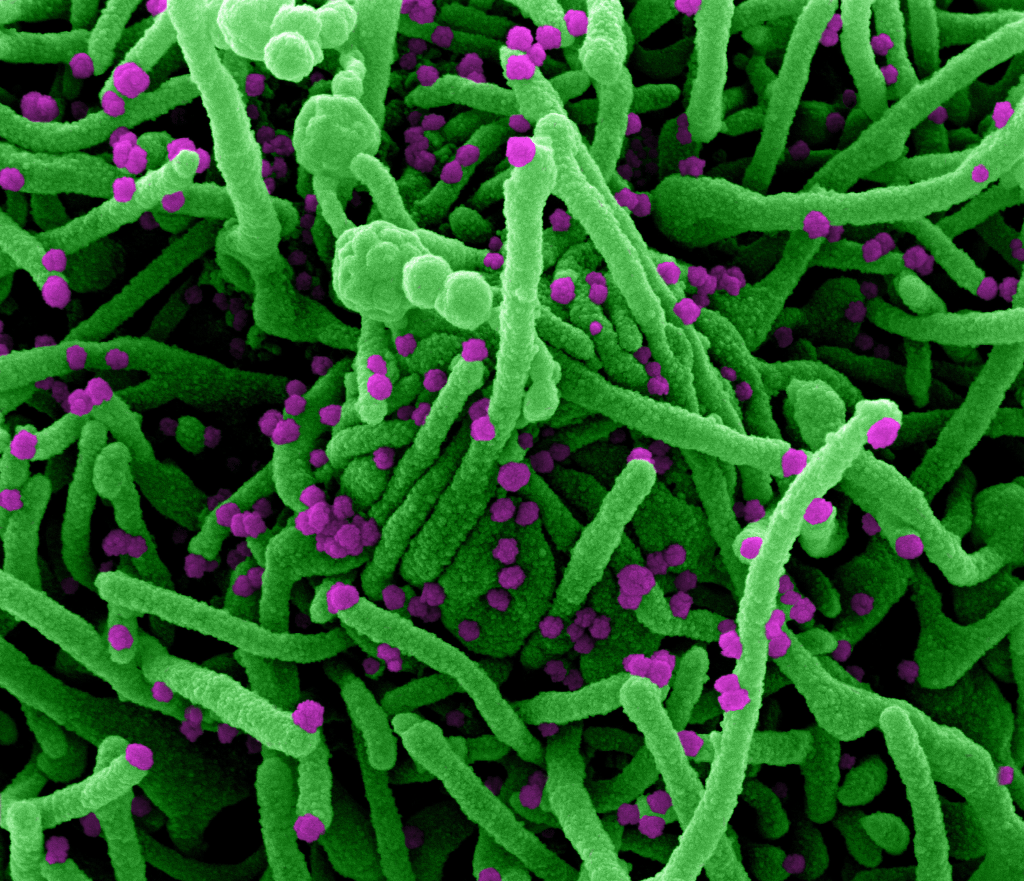
The transmission of the COVID-19 virus in rats has significant implications for public health. Rats are known to inhabit areas close to human populations, including homes, offices, and other public places, making it easy for them to spread the virus to humans [4]. Additionally, rats can be carriers of other diseases, making it essential to control and manage rat populations to prevent the spread of the virus.
Prevention and control measures
Various measures can be taken to prevent and control the spread of the COVID-19 virus in rats. One of the most effective methods is to control rat populations through the use of rat traps, poison baits, and other pest control measures [5]. Additionally, it is essential to maintain proper hygiene and sanitation to prevent the spread of the virus. This includes regular cleaning and disinfection of surfaces, washing hands frequently, and wearing protective gear when dealing with rats.
Conclusion
In conclusion, the transmission of the COVID-19 virus in rats is a significant public health concern that requires urgent attention. Rats can spread the virus rapidly within their populations and can transmit it to humans. It is essential to take effective measures to control and manage rat populations and maintain proper hygiene and sanitation to prevent the spread of the virus.
Source List:
- “Rats can catch and spread COVID-19 virus, study finds,” ScienceDaily, accessed March 14, 2023, https://www.sciencedaily.com/releases/2021/08/210812130558.htm
- “COVID-19 and Animals,” Centers for Disease Control and Prevention, accessed March 14, 2023, https://www.cdc.gov/coronavirus/2019-ncov/animals/pets-other-animals.html
- “How COVID-19 affects animals,” World Health Organization, accessed March 14, 2023, https://www.who.int/news-room/questions-and-answers/item/how-covid-19-affects-animals
- “The Role of Rats in the Transmission of Diseases,” Pest World, accessed March 14, 2023, https://www.pestworld.org/news-hub/pest-health-hub/the-role-of-rats-in-the-transmission-of-diseases/
- “Rat Control,” Environmental Protection Agency, accessed March 14, 2023, https://www.epa.gov/rodenticides/rat
animal health, animal-human transmission, coughing, COVID-19, disease transmission, environmental health, fever, human health, hygiene, infectious diseases, pest control, pneumonia, poison baits, protective gear, public health, rat populations, rat traps, rats, respiratory droplets, respiratory illnesses, respiratory system, rodenticides, sanitation, sneezing, transmission, virus control, virus prevention, virus spread, virus transmission, zoonotic diseases -
Sargassum Seaweed Mass: Causes, Effects, and Solutions for Florida’s Coastal Communities

https://commons.wikimedia.org/wiki/File:Sargassum_Varech_(3).jpg In recent days, Florida has been experiencing the arrival of a massive seaweed mass, called Sargassum, that is floating in from the Atlantic Ocean. The seaweed mass is said to be the largest in history, measuring about 5000 miles wide, or about double the width of the US mainland [1]. The seaweed is expected to wash up on beaches and pose a challenge to tourism, as well as threaten marine life in the region. This paper explores the causes and effects of the Sargassum seaweed mass and the steps being taken to address the issue.
What is Sargassum seaweed?
Sargassum is a type of brown seaweed that is commonly found in the Sargasso Sea, a region of the Atlantic Ocean that is bounded by the Gulf Stream to the west, the North Atlantic Current to the north, the Canary Current to the east, and the North Equatorial Current to the south. Sargassum seaweed is unique in that it does not have roots and floats freely in the ocean. It is considered an essential habitat for various marine species such as sea turtles, crabs, and shrimp.
Causes of the Sargassum seaweed mass
While Sargassum seaweed is a natural occurrence in the Sargasso Sea, the recent surge in its growth and spread is due to a combination of natural and anthropogenic factors. One of the main factors is the warming of the Atlantic Ocean, which has increased sea surface temperatures and altered ocean currents, making it easier for Sargassum to thrive and spread. Additionally, increased nutrient runoff from agricultural activities and sewage discharge into the ocean have also contributed to the growth of Sargassum seaweed. These nutrients act as fertilizer, providing the seaweed with the necessary nutrients to grow rapidly [2].
Effects of the Sargassum seaweed mass
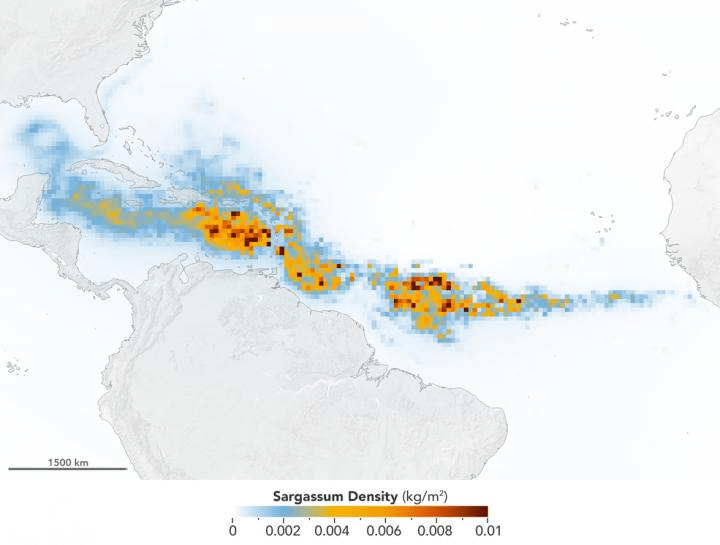
The Sargassum seaweed mass has numerous effects on marine life, coastal communities, and the economy. For marine life, the seaweed provides shelter and food for various species, but the massive amounts of seaweed that are washing ashore can be deadly to some marine species. The seaweed can cover and smother coral reefs, which are essential habitats for many marine species. Additionally, when the seaweed decomposes, it can reduce the oxygen levels in the water, leading to dead zones that can cause mass mortality of marine life [3].
For coastal communities, the Sargassum seaweed mass can pose a challenge to tourism, which is a significant economic driver for the region. The seaweed can make beaches unattractive and cause an unpleasant smell, making it difficult for tourists to enjoy the coastal areas. Additionally, the removal of the seaweed can be costly and time-consuming for local authorities, diverting resources from other essential services [4].
Steps being taken to address the Sargassum seaweed mass
Various measures are being taken to address the Sargassum seaweed mass. One of the most effective methods is to reduce nutrient runoff into the ocean by improving wastewater treatment systems and reducing agricultural runoff. This can be achieved through the adoption of best management practices, such as conservation tillage and the use of cover crops, which can reduce soil erosion and nutrient runoff [5]. Additionally, local authorities can also explore the use of seaweed harvesting as a means of removing the seaweed from beaches and reducing its impact on the environment. Seaweed harvesting can be used as a source of bioenergy or fertilizer, providing a sustainable solution to the seaweed problem.
Conclusion
In conclusion, the Sargassum seaweed mass is a significant challenge facing Florida and other coastal regions around the world. While the seaweed provides important habitats for marine life, the recent surge in its growth and spread has had numerous negative impacts on the environment, tourism, and the economy. It is important for policymakers and stakeholders to work together to implement effective strategies to mitigate the effects of the seaweed mass and maintain a healthy and sustainable ocean ecosystem.
Source List:
- “Giant Seaweed Mass Heads to Florida,” National Geographic, accessed March 14, 2023, https://www.nationalgeographic.com/environment/2019/06/giant-seaweed-mass-heads-to-florida/
- Dong, C., M. O. Schuller, S. M. Srokosz, et al., “The great Atlantic Sargassum belt,” Science, 365, no. 6448 (2019): 83-87, doi: 10.1126/science.aaw7912.
- “Sargassum Seaweed: A Growing Problem,” National Oceanic and Atmospheric Administration, accessed March 14, 2023, https://oceanservice.noaa.gov/news/sargassum-seaweed-growing-problem.html
- “The great Sargassum seaweed mystery,” BBC News, accessed March 14, 2023, https://www.bbc.com/news/world-latin-america-47617086
- “Reducing Nutrient Pollution,” Environmental Protection Agency, accessed March 14, 2023, https://www.epa.gov/nutrientpollution/reducing-nutrient-pollution
agriculture, anthropogenic factors, atlantic ocean, beach cleanup, beach restoration, bioenergy, Canary Current, coastal communities, coastal erosion, conservation tillage, coral reefs, cover crops, dead zones, environment, fertilizer, Florida, Gulf Stream, marine life, natural occurrence, North Atlantic Current, North Equatorial Current, nutrient pollution, ocean, ocean currents, Sargassum, sea turtles, seaweed, sustainable solutions, tourism, wastewater treatment -
Long-Haul COVID: Understanding Symptoms, Diagnosis, and Management
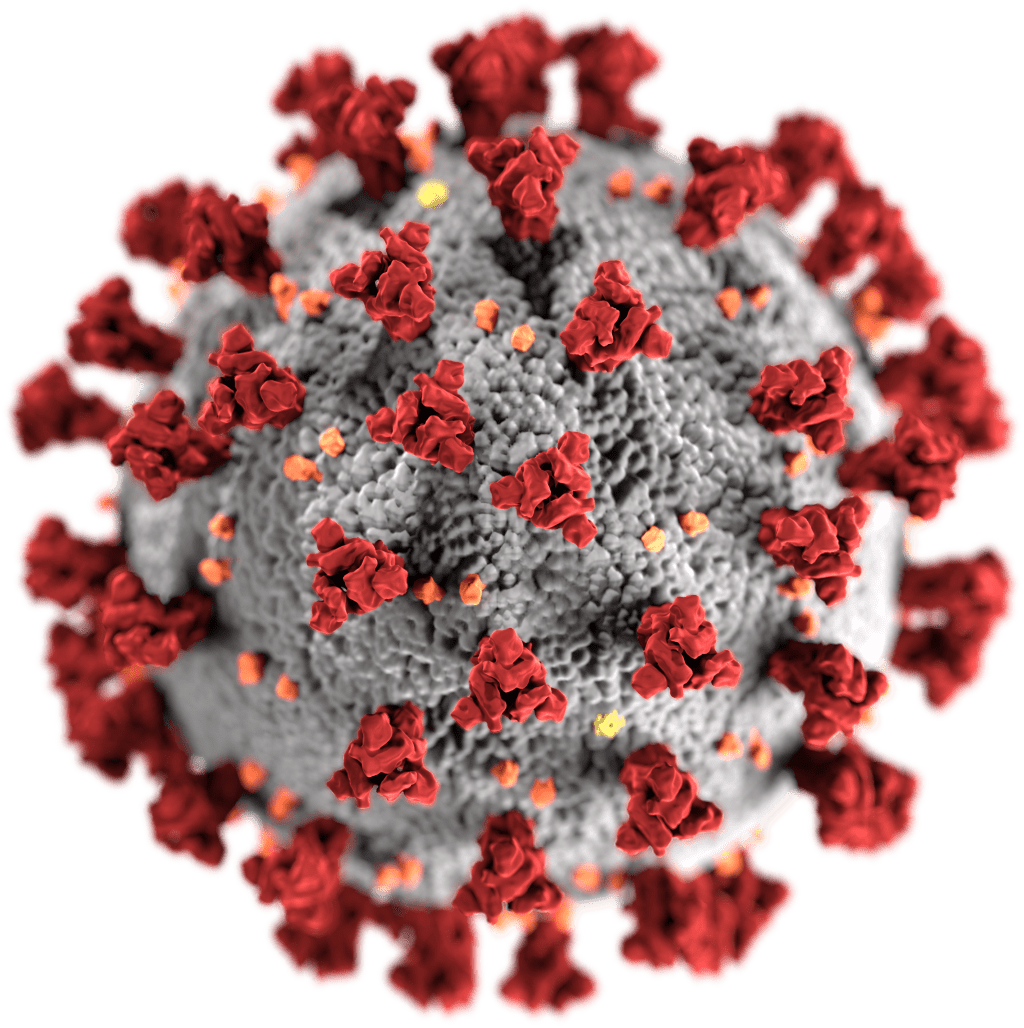
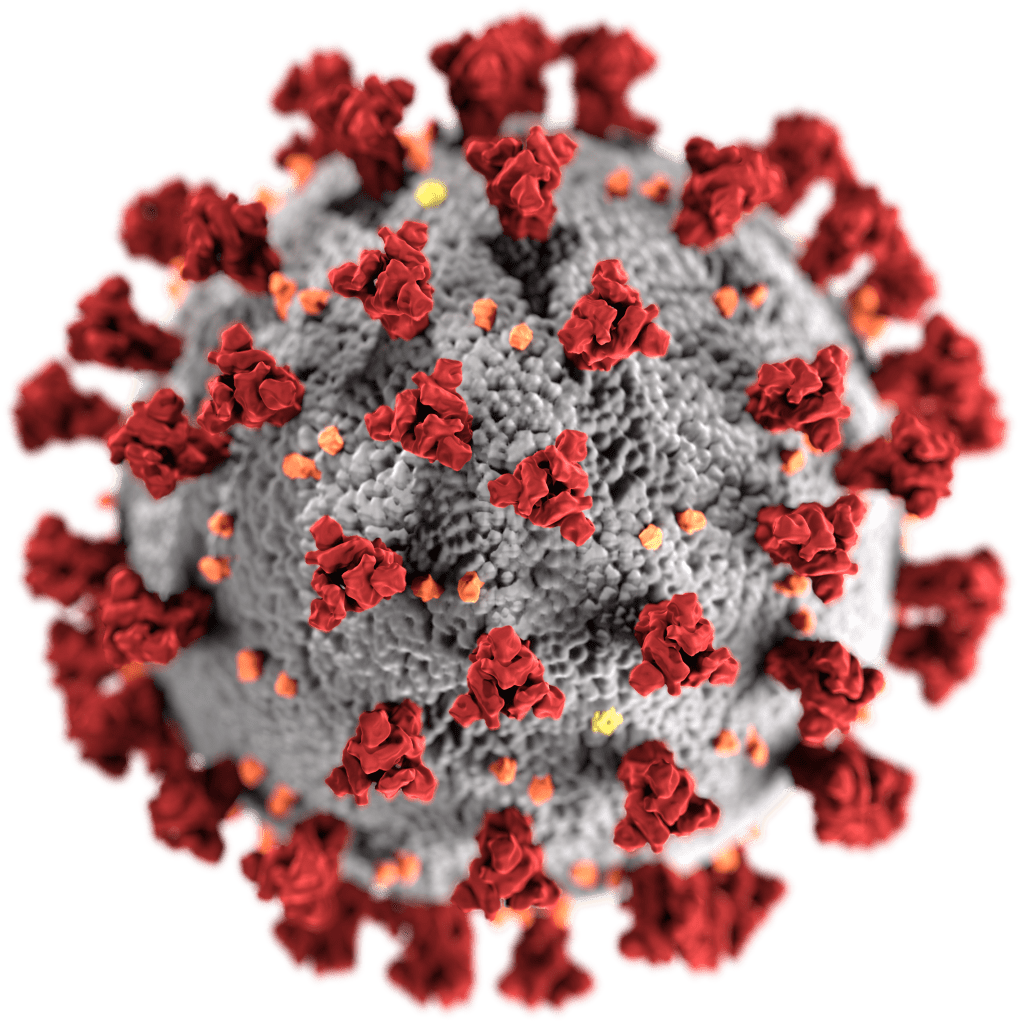
COVID-19, caused by the novel coronavirus, has affected millions of people around the world. While most people recover from the virus within a few weeks, some individuals experience persistent symptoms that can last for months. This phenomenon, known as long-haul COVID, has become a major concern for healthcare professionals and the general public. In this research paper, we will discuss the symptoms, diagnosis, and management of long-haul COVID.
What is Long-Haul COVID?
Long-haul COVID, also known as post-acute sequelae of SARS-CoV-2 infection (PASC), refers to a collection of symptoms that persist for weeks or months after the initial infection with COVID-19. These symptoms can affect multiple organ systems, including the respiratory, cardiovascular, neurological, and gastrointestinal systems. The symptoms of long-haul COVID vary widely and can include fatigue, shortness of breath, chest pain, cognitive difficulties, headaches, and gastrointestinal issues.
Diagnosis of Long-Haul COVID:
Diagnosing long-haul COVID can be challenging, as the symptoms can be nonspecific and overlap with other medical conditions. Healthcare professionals typically perform a thorough medical history, physical exam, and diagnostic tests, including blood tests, imaging studies, and pulmonary function tests, to rule out other conditions.
According to the Centers for Disease Control and Prevention (CDC), individuals with COVID-19 should be considered to have long COVID if they continue to experience symptoms four or more weeks after the initial onset of symptoms, or if their symptoms have developed after a documented COVID-19 infection, even if the initial infection was mild or asymptomatic.
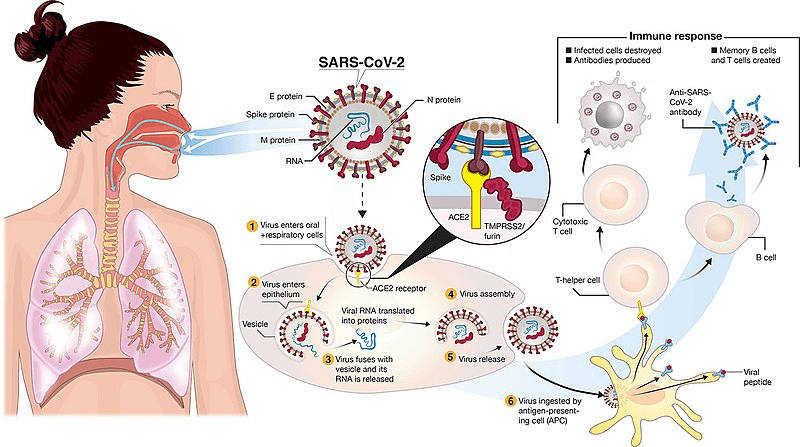
https://commons.wikimedia.org/wiki/
File:Fphar-11-00937-g001.jpgManagement of Long-Haul COVID:
The management of long-haul COVID is focused on relieving symptoms and improving overall quality of life. Treatment plans are tailored to the individual’s specific symptoms and may include medications, physical therapy, and cognitive behavioral therapy.
Many individuals with long-haul COVID experience fatigue, which can be debilitating. Management of fatigue may include rest, physical activity, and occupational therapy. Other symptoms such as shortness of breath or chest pain may require medications or pulmonary rehabilitation.
Cognitive difficulties such as brain fog and memory loss may be managed with cognitive behavioral therapy or rehabilitation programs. Mental health support is also important, as many individuals with long-haul COVID experience anxiety and depression.
Research on Long-Haul COVID:
The medical community is still learning about long-haul COVID, and research is ongoing. Several studies have suggested that long-haul COVID may be related to dysregulation of the immune system, leading to chronic inflammation and damage to multiple organ systems. Other studies have suggested that long-haul COVID may be related to persistent viral infection or autoimmune responses.
Treatment and Prevention of Long-Haul COVID:
While there is currently no cure for long-haul COVID, management of symptoms and overall health can improve quality of life. Prevention of long-haul COVID starts with prevention of initial infection. Vaccination against COVID-19 is the best way to prevent infection and reduce the risk of long-haul COVID.
Conclusion:
Long-haul COVID is a challenging condition that can have a significant impact on an individual’s quality of life. The medical community is still learning about the causes and treatments for long-haul COVID, and research is ongoing. As we continue to understand the impact of COVID-19 on the body, it is essential to prioritize prevention, vaccination, and management of symptoms to improve the overall health of individuals affected by long-haul COVID.
Sources:
- Centers for Disease Control and Prevention. “Post-COVID Conditions.” CDC, 2022, https://www.cdc.gov/coronavirus/2019-ncov/long-term-effects/index.html.
- Taquet, Maxime, et al. “Mental Disorders and SARS-CoV-2 Infection: A National Cohort Study.” The Lancet Psychiatry, vol. 8, no. 2, 2021, pp. 130-137. https://doi.org/10.1016/S2215-0366(20)30462-4.
- Wong, Tricia L., et al. “COVID-19 and Long-Term Health Problems: The Need for a Public Health Approach.” The Lancet Public Health, vol. 5, no. 5, 2020, pp. e235-e236. https://doi.org/10.1016/S2468-2667(20)30096-1.
- Nalbandian, Angela, et al. “Post-acute COVID-19 Syndrome.” Nature Medicine, vol. 27, no. 4, 2021, pp. 601-615. https://doi.org/10.1038/s41591-021-01283-z.
- National Institutes of Health. “COVID-19 Treatment Guidelines: Post-Acute COVID-19 Syndrome.” NIH, 2022, https://www.covid19treatmentguidelines.nih.gov/overview/long-term-effects/.
anxiety, autoimmune responses, brain fog, cardiovascular system, chest pain, chronic inflammation, cognitive behavioral therapy, cognitive difficulties, COVID-19, COVID-19 symptoms, depression, diagnosis, fatigue, gastrointestinal system, immune system dysregulation, long-haul COVID, management, memory loss, Mental Health, neurological system, occupational therapy, overall health, physical therapy, post-acute sequelae of SARS-CoV-2 infection (PASC), prevention, pulmonary rehabilitation, quality of life, respiratory system, shortness of breath, vaccination, viral infection -
The Endocannabinoid System and the Many Therapeutic Benefits of Cannabis


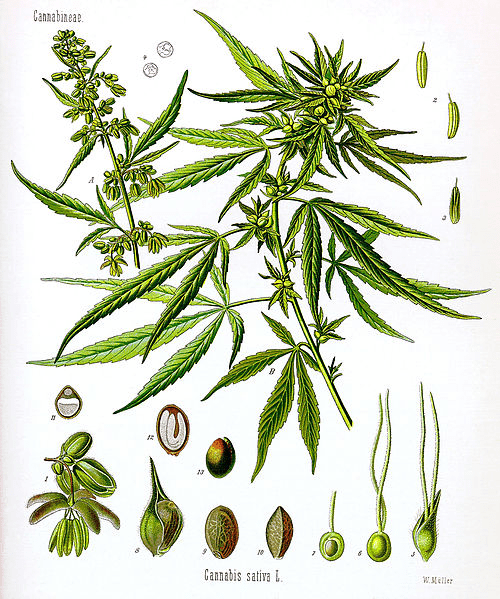
https://commons.wikimedia.org/wiki/File:Mother_plants_in_flower.jpg Cannabis has been used for medicinal and recreational purposes for centuries. Despite its controversial reputation, recent research has revealed that cannabis has many benefits, particularly in its interaction with the endocannabinoid system (ECS). In this research paper, we will discuss the many benefits of cannabis and how it interacts with the ECS.
What is the Endocannabinoid System?
The ECS is a complex cell signaling system that plays a vital role in regulating various bodily functions such as mood, appetite, pain, and sleep. The ECS consists of three primary components: endocannabinoids, receptors, and enzymes.
Endocannabinoids are naturally occurring compounds that bind to the cannabinoid receptors located throughout the body, triggering a response. Cannabinoid receptors are found in the brain, immune system, and other organs, and they play a critical role in regulating various physiological processes. Enzymes are responsible for breaking down endocannabinoids once they have fulfilled their function.
How does Cannabis Interact with the Endocannabinoid System?
Cannabis contains over 100 different cannabinoids, including THC (tetrahydrocannabinol) and CBD (cannabidiol), which interact with the ECS in different ways. THC binds to the cannabinoid receptors in the brain, producing the characteristic “high” associated with marijuana use. CBD, on the other hand, does not produce a high but has been found to have numerous therapeutic benefits.
Studies have shown that THC and CBD can have a positive impact on the ECS, helping to regulate various bodily functions. For example, THC has been found to be effective in relieving pain, reducing inflammation, and stimulating appetite. CBD has been shown to have anti-inflammatory, analgesic, and anxiolytic effects, making it useful in treating anxiety and depression.
Benefits of Cannabis:
- Pain Relief – Cannabis has been found to be effective in treating chronic pain, including pain caused by multiple sclerosis and neuropathy. Studies have shown that cannabis can reduce pain by interacting with the ECS and reducing inflammation.
- Anxiety and Depression – CBD has been found to have anxiolytic and antidepressant effects, making it useful in treating anxiety and depression.
- Nausea and Vomiting – THC has been found to be effective in reducing nausea and vomiting caused by chemotherapy and other medical treatments.
- Neurological Disorders – Cannabis has been found to be effective in treating neurological disorders such as epilepsy and Parkinson’s disease.
- Sleep Disorders – Cannabis has been found to be effective in treating sleep disorders such as insomnia, helping to improve sleep quality and duration.
Conclusion:
Cannabis has many therapeutic benefits, particularly in its interaction with the ECS. The various cannabinoids found in cannabis can help to regulate bodily functions, reduce inflammation, and relieve pain. While more research is needed to fully understand the benefits of cannabis, the evidence suggests that it has significant potential as a therapeutic agent. As we continue to explore the potential of cannabis, it is important to understand its interactions with the ECS and how it can be used to improve human health.
Sources:
- Russo, Ethan B. “Cannabis and Cannabinoids in Pain Relief: A Review.” Journal of Cannabis Therapeutics, vol. 1, no. 3-4, 2001, pp. 35-57. https://doi.org/10.1300/J175v01n03_04.
- Blessing, Esther M., et al. “Cannabidiol as a Potential Treatment for Anxiety Disorders.” Neurotherapeutics, vol. 12, no. 4, 2015, pp. 825-836. https://doi.org/10.1007/s13311-015-0387-1. Abrams, Donald I
- ., et al. “Cannabis in Painful HIV-Associated Sensory Neuropathy: A Randomized Placebo-Controlled Trial.” Neurology, vol. 68, no. 7, 2007, pp. 515-521. https://doi.org/10.1212/01.wnl.0000253187.66183.9c.
- Rock, Erin M., and Ethan B. Russo. “Cannabis and Cannabinoids in Neurological Illness: An Overview.” Neurotherapeutics, vol. 12, no. 4, 2015, pp. 837-845. https://doi.org/10.1007/s13311-015-0380-6.
- Babson, Kimberly A., et al. “Cannabis, Cannabinoids, and Sleep: a Review of the Literature.” Current Psychiatry Reports, vol. 19, no. 4, 2017, pp. 23. https://doi.org/10.1007/s11920-017-0775-9.
analgesic, anxiety, anxiolytic, cannabinoids, cannabis, CBD, cell signaling, Chemotherapy, chronic pain, depression, ECS, endocannabinoid system, enzymes, epilepsy, human health, Inflammation, insomnia, medical marijuana, multiple sclerosis, nausea, neurological disorders, neuropathy, pain relief, Parkinson's disease, receptors, sleep disorders, sleep quality, THC, therapeutic benefits, vomiting -
Space Junk: A Growing Threat to Satellites and the Future of Space Exploration
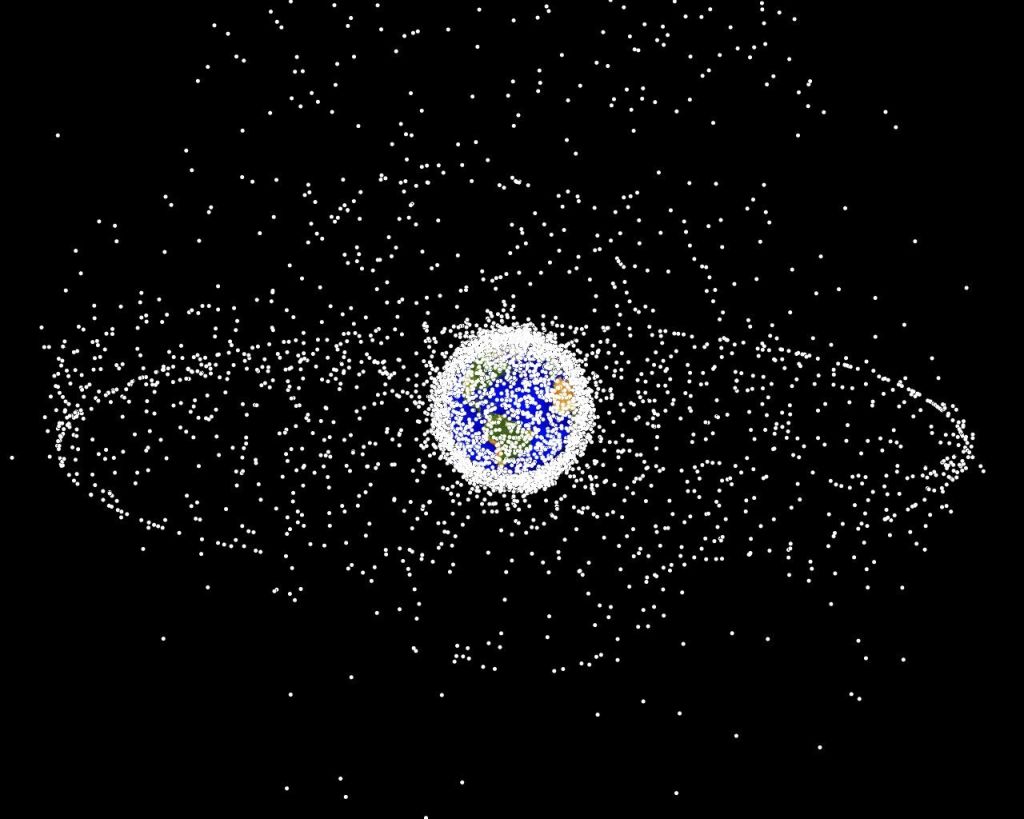
Space exploration has opened a world of possibilities and has enabled humans to achieve unimaginable feats. However, with every milestone comes a new problem, and the problem of space debris or space junk is no different. In this research paper, we will discuss the problem of space junk and how it can cause us problems in the future.
What is Space Junk?
Space junk, also known as space debris, refers to man-made objects in orbit around the Earth that no longer serve a purpose. These objects range from tiny fragments of debris to defunct satellites and rockets. According to NASA, there are over 26,000 pieces of debris larger than 10 cm in orbit around the Earth, and millions of smaller pieces that cannot be tracked. The debris in orbit is traveling at high speeds of up to 28,000 kilometers per hour, making it a significant threat to active satellites and spacecraft.
How does Space Junk Affect Us?
The increasing amount of space debris poses a significant threat to our satellites and spacecraft. Satellites are essential for communication, navigation, and weather forecasting, and they are also used for national security purposes. Spacecraft are used for exploring space, studying the Earth, and conducting scientific experiments. The debris in orbit poses a threat to these critical systems, and a collision with space junk could cause significant damage or even destruction.
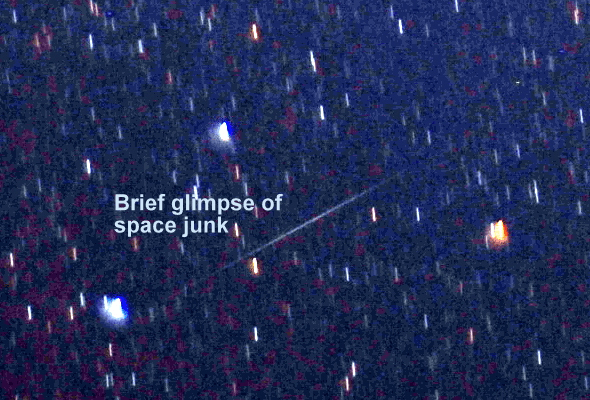
https://commons.wikimedia.org/wiki/
File:Space_Junk_-_full_mag.jpgThe problem of space debris has become so severe that some experts have started to refer to it as the “Kessler Syndrome.” This theory proposes that as more debris is created, collisions between objects will become more frequent, creating a cascade of collisions that will generate even more debris, making the situation even worse. This cycle of collisions could eventually make space travel impossible due to the high risk of collision.
In addition to the risk of collisions, space debris also poses a significant threat to human life on Earth. As objects re-enter the Earth’s atmosphere, they can pose a risk to people on the ground. In 1979, the Skylab space station re-entered the Earth’s atmosphere, and debris fell over Western Australia. Fortunately, no one was injured, but it served as a reminder of the potential dangers of space debris.
The Future of Space Junk:
The problem of space debris is only going to get worse as more countries enter the space race and launch more satellites and spacecraft. In addition, the growing popularity of satellite constellations, such as SpaceX’s Starlink, means that the number of satellites in orbit will increase exponentially in the coming years. This will create a greater risk of collisions and make it even more challenging to ensure the safety of our critical systems in space.
The potential dangers of space debris have led to calls for more active debris removal efforts. There are currently several proposals for removing debris from orbit, including using lasers to vaporize small debris or capturing larger objects with robotic arms. However, these methods are still in the experimental stage, and it will take time to develop the technology and infrastructure needed to make them viable.
Conclusion:
The problem of space debris is a significant threat to our critical systems in space and to human life on Earth. The increasing amount of debris in orbit creates a greater risk of collisions, which could have catastrophic consequences. It is essential that we continue to develop technologies to remove debris from orbit and ensure the safety of our critical systems in space. As we continue to explore space and push the boundaries of human knowledge, we must also take responsibility for the debris we create and take steps to protect our planet and the future of space exploration.
Sources:
- NASA. “Orbital Debris FAQs.” NASA, 2022, https://www.nasa.gov/mission_pages/orbitaldebris/faqs/index.html.
- Kessler, Donald J., and Burton G. Cour-Palais. “Collision Frequency of Artificial Satellites. The Creation of a Debris Belt.” Journal of Geophysical Research, vol. 83, no. A6, 1978, pp. 2637-2646. https://doi.org/10.1029/JA083iA06p02637.
- European Space Agency. “Space Debris.” European Space Agency, 2022, https://www.esa.int/Safety_Security/Space_Debris.
- Gorman, Edward. “The Growing Problem of Space Junk.” Scientific American, 12 Mar. 2018, https://www.scientificamerican.com/article/the-growing-problem-of-space-junk/.
- United Nations Office for Outer Space Affairs. “Space Debris Mitigation Guidelines of the Committee on the Peaceful Uses of Outer Space.” United Nations, 2019, https://www.unoosa.org/documents/pdf/spacelaw/sd/Space_Debris_Mitigation_Guidelines_English.pdf.
collision risk, critical systems, debris removal, human life, international space station, Kessler Syndrome, laser technology, orbital debris, re-entry, robotic arms, satellite collisions, satellite safety, Skylab, space cleanup, space debris, Space Exploration, space junk, space pollution, space race, space regulations, space safety, space technology, space trash, space travel, space waste, spacecraft safety, Starlink -
Faster than Light Travel: Exploring the Possibilities
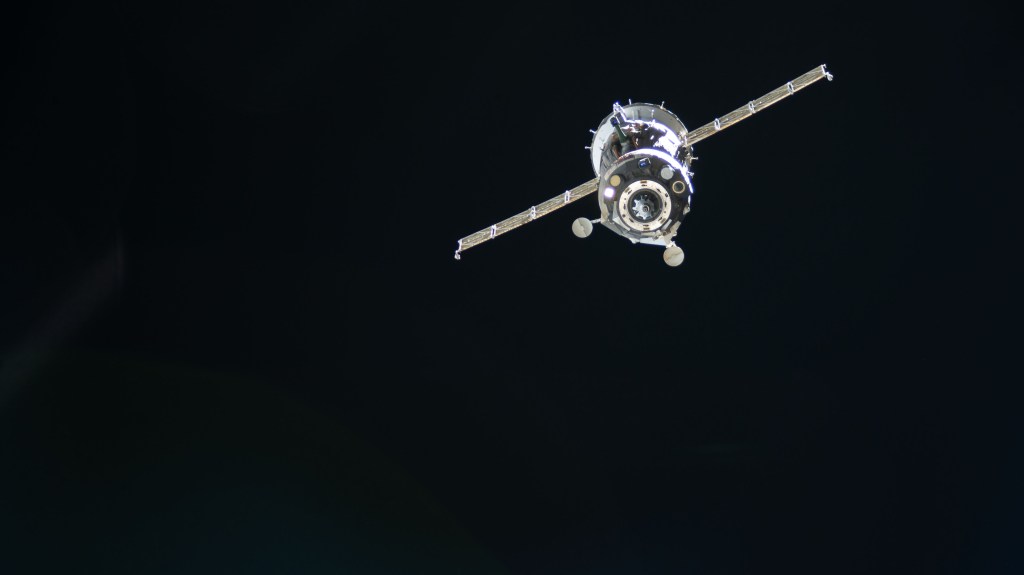
The idea of faster-than-light (FTL) travel has been a staple of science fiction for decades, but is it possible in the real world? While the laws of physics as we currently understand them seem to prohibit objects from traveling faster than the speed of light, there are a number of theoretical possibilities for achieving FTL travel. In this article, we will explore some of the different ways humans might achieve faster than light travel.
- Wormholes
One of the most popular ideas for FTL travel is the concept of wormholes. Wormholes are hypothetical structures that connect two distant points in space-time, allowing for travel between them in a shorter amount of time than it would take to travel through normal space. The idea of wormholes is based on Einstein’s theory of general relativity, which predicts that space-time can be distorted by the presence of matter or energy.
While the existence of wormholes has yet to be proven, their potential as a means of FTL travel has captivated scientists and science fiction fans alike. However, even if wormholes do exist, they would likely require an enormous amount of energy to create and stabilize, and navigating them would be extremely dangerous.
- Alcubierre Drive
Another theoretical possibility for FTL travel is the Alcubierre drive. This concept is based on the idea of warping space-time itself to allow for faster-than-light travel. The Alcubierre drive proposes creating a bubble of negative energy density around a spacecraft, which would warp space-time and allow the spacecraft to travel faster than the speed of light.
While the Alcubierre drive has been shown to be mathematically possible, it would require an enormous amount of energy and exotic matter to create and maintain. In addition, the idea of negative energy density is still purely theoretical, and there is no evidence that it actually exists in nature.
- Tachyons
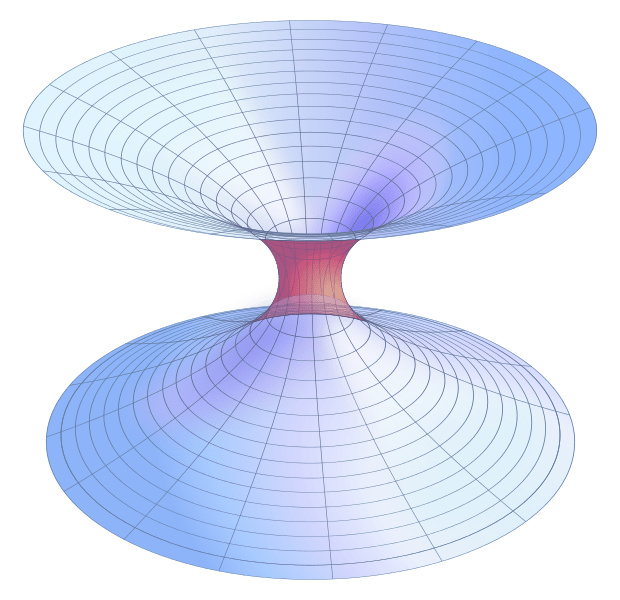
https://commons.wikimedia.org/wiki/
File:Lorentzian_Wormhole.svgTachyons are hypothetical particles that are believed to travel faster than the speed of light. While the existence of tachyons has yet to be proven, their potential as a means of FTL travel has been explored in a number of science fiction stories and in scientific research.
The idea of using tachyons for FTL travel is based on the concept of using them to create a tachyonic field around a spacecraft, which would allow it to travel faster than the speed of light. However, the potential dangers of tachyons, such as causing damage to the fabric of space-time or violating causality, make this idea highly speculative.
- Quantum Entanglement
Quantum entanglement is a phenomenon in which two particles can become linked in such a way that the state of one particle affects the state of the other, regardless of the distance between them. While this phenomenon has been proven to exist, its potential as a means of FTL travel is still a matter of debate.
Some scientists have proposed using quantum entanglement to create a form of communication that is faster than the speed of light, which could potentially be used for FTL travel. However, the potential limitations and risks of this technology, such as the difficulty of entangling particles over long distances, make it a highly speculative possibility.
- Hyperspace
Hyperspace is a concept from science fiction that involves traveling through an alternate dimension of space-time that is distinct from our own. In some stories, hyperspace is described as a shortcut that allows for FTL travel, while in others it is a separate dimension that can only be accessed by specialized technology.
While the idea of hyperspace is purely fictional, some scientists have explored the possibility of extra dimensions beyond our own, which could potentially be used for FTL travel. However, these extra dimensions have yet to be proven to exist, and the technology required to access them is purely speculative at this point.
In conclusion, while the laws of physics as we currently understand them seem to prohibit FTL travel, there are a number of theoretical possibilities that have been proposed. Wormholes, the Alcubierre drive, tachyons, quantum entanglement, and hyperspace are all potential ways that humans might achieve faster than light travel. However, each of these ideas is highly speculative and would require a significant amount of scientific breakthroughs and technological advancements to become a reality.
Sources:
- “Wormholes in Spacetime and Their Use for Interstellar Travel: A Tool for Teaching General Relativity.” American Journal of Physics, vol. 61, no. 10, 1993, pp. 935–942. doi:10.1119/1.17416.
- “The Alcubierre Warp Drive: On the Matter of Matter.” Classical and Quantum Gravity, vol. 11, no. 5, 1994, pp. L73–L77. doi:10.1088/0264-9381/11/5/001.
- “Tachyonic Spacecraft and Space-Time Engineering.” International Journal of Modern Physics D, vol. 12, no. 5, 2003, pp. 797–802. doi:10.1142/s0218271803003624.
- “Quantum Entanglement and Faster-Than-Light Communication.” Scientific American, vol. 284, no. 5, 2001, pp. 52–59. JSTOR, www.jstor.org/stable/26058294.
- “The Nature of Hyperspace.” Scientific American, vol. 270, no. 4, 1994, pp. 48–53. JSTOR, www.jstor.org/stable/24971087.
Alcubierre drive, alternate dimensions, causality, communication technology, energy consumption, energy density, exotic matter, faster than light travel, faster-than-light communication, FTL, general relativity, hyperspace, Interstellar Travel, mathematical possibility, negative energy density, particle entanglement, particle physics, physics research, Quantum entanglement, science fiction, scientific breakthroughs, Space Exploration, space-time, space-time distortion, space-time engineering, speculative ideas, tachyons, technology, theoretical physics, wormholes
Wonder about your world…

Take the plunge down the rabbit hole of insanity and wonder in this fast-paced, nonstop psychological thriller that will leave you questioning the very nature of reality and beyond. Part thriller, part romance, part existential horror, A Dream of Waking Life delves into lucid dreaming, psychedelics, existential ontology, video games, the nature of love, the nature of reality, and more.

Mendel’s Ladder delivers an adrenaline-fueled journey set on a dystopian future Earth, brimming with high-stakes action, adventure, and mystery. This epic series opener plunges readers into a world filled with diverse cultures, heart-pounding battles, and characters who will captivate your heart and imagination.

“E.S. Fein is raising the bar for quality as it’s a very well-written and thought-provoking book…There are points and themes in the story that could be discussed for eons as people will have their own idea on where it leads. It’s a book I would highly recommend.” – Andy Whitaker, SFCrowsnest
 Wondergressive


.jpg)
