
-
Endometriosis: Effective Treatments and Management Options for Pain and Symptoms


https://commons.wikimedia.org/wiki/
File:Endometriosis_of_the_ovary.jpgEndometriosis is a medical condition in which the tissue that normally lines the inside of the uterus grows outside of it, causing pain, inflammation, and other symptoms. It is estimated that up to 10% of women of reproductive age suffer from endometriosis, yet it remains a poorly understood and often underdiagnosed condition.
While there is no known cure for endometriosis, there are a number of treatments available that can help manage the symptoms and improve quality of life for those who suffer from it. In this article, we will explore the various treatment options available for endometriosis and the latest research on what can help.
- Pain Management
Pain is one of the most common symptoms of endometriosis, and it can range from mild discomfort to severe and debilitating cramps. Over-the-counter pain medications such as ibuprofen or naproxen can be effective in managing mild to moderate pain, but for more severe pain, prescription medications such as opioids may be necessary.
In addition to medication, other forms of pain management such as heating pads or hot water bottles can provide relief. Regular exercise and relaxation techniques such as yoga or meditation have also been shown to be helpful in managing pain associated with endometriosis.
- Hormonal Therapy
Hormonal therapy is a common treatment option for endometriosis. The goal of hormonal therapy is to reduce the amount of estrogen in the body, as estrogen is known to contribute to the growth of endometrial tissue.
There are a number of hormonal therapy options available, including birth control pills, progesterone-only medications, and gonadotropin-releasing hormone (GnRH) agonists. Birth control pills work by preventing ovulation and reducing the amount of estrogen in the body. Progesterone-only medications such as medroxyprogesterone can also help reduce estrogen levels and limit the growth of endometrial tissue. GnRH agonists work by temporarily shutting down the production of estrogen, which can help reduce the size of endometrial growths.
- Surgery

https://commons.wikimedia.org/wiki/
File:Blausen_0349_Endometriosis.pngIn some cases, surgery may be necessary to treat endometriosis. The most common surgical procedure for endometriosis is laparoscopic excision, in which the surgeon uses a laparoscope to remove endometrial tissue. This procedure can be effective in reducing pain and other symptoms associated with endometriosis.
In more severe cases, a hysterectomy may be recommended. This procedure involves the removal of the uterus and is generally considered a last resort for those who have not responded to other treatment options.
- Diet and Lifestyle Changes
While there is no specific diet that has been proven to cure endometriosis, there are a number of dietary and lifestyle changes that can help manage the symptoms. For example, consuming a diet rich in fruits, vegetables, whole grains, and lean proteins can help reduce inflammation in the body and may help reduce the severity of endometriosis symptoms.
In addition, regular exercise can help manage pain and improve overall health. Stress reduction techniques such as meditation and yoga can also be helpful in managing the symptoms of endometriosis.
- Alternative Therapies
A number of alternative therapies have been proposed as potential treatments for endometriosis. For example, acupuncture has been shown to be effective in reducing pain associated with endometriosis. Similarly, herbal remedies such as chamomile tea and ginger root have been shown to have anti-inflammatory properties and may be helpful in managing symptoms.
In conclusion, endometriosis is a complex and often underdiagnosed condition that can cause a great deal of pain and discomfort. However, there are a number of treatment options available that can help manage the symptoms and improve quality of life. Pain management, hormonal therapy, surgery, diet and lifestyle changes, and alternative therapies are all viable options for those who suffer from endometriosis.
It is important to note that each case of endometriosis is unique, and what works for one person may not work for another. If you suspect that you may have endometriosis, it is important to consult with your healthcare provider to determine the best course of treatment for your specific needs.
Sources:
- “Endometriosis Fact Sheet.” Office on Women’s Health. https://www.womenshealth.gov/a-z-topics/endometriosis.
- “Endometriosis Treatment Options.” Endometriosis Foundation of America. https://www.endofound.org/endometriosis-treatment-options.
- “Medical Treatment of Endometriosis.” American College of Obstetricians and Gynecologists. https://www.acog.org/patient-resources/faqs/gynecologic-problems/medical-treatment-of-endometriosis.
- “Laparoscopic Excision of Endometriosis.” Journal of Minimally Invasive Gynecology, vol. 13, no. 6, 2006, pp. 529–533. doi:10.1016/j.jmig.2006.06.012.
- “Acupuncture for Endometriosis-Related Pain: A Systematic Review and Meta-Analysis.” Journal of Obstetrics and Gynaecology Canada, vol. 37, no. 11, 2015, pp. 1005–1015. doi:10.1016/s1701-2163(15)30239-1.
Acupuncture, alternative therapies, anti-inflammatory, anti-inflammatory die, Birth control, chamomile tea, diet and lifestyle changes, endometrial tissue, endometriosis, estrogen, exercise, ginger root, GnRH agonists, healthcare provider, hormonal therapy, hot water bottle, hysterectomy, Inflammation, inflammation reduction, laparoscopic excision, meditation, pain management, pain relief, progesterone, reproductive age, stress reduction, surgery, symptoms, underdiagnosed condition, Yoga -
The History and Reasoning behind Daylight Saving


Daylight Saving Time (DST) is a practice that has been observed in many countries for over a century. It involves setting the clock forward by one hour during the summer months and then setting it back by one hour during the winter months. The purpose of DST is to make better use of natural daylight by extending the amount of daylight that is available during the evening hours, thereby reducing the need for artificial lighting and saving energy.
The origins of DST can be traced back to the late 19th century when a New Zealand entomologist named George Vernon Hudson proposed the idea of advancing the clock by two hours during the summer months. However, it was not until World War I that DST was first implemented on a large scale as a wartime measure to conserve fuel. Germany was the first country to introduce DST in 1916, and it was soon adopted by other European countries and the United States.
The rationale behind DST was straightforward: by moving the clock forward by one hour during the summer months, people could enjoy more daylight during the evening hours, which would allow them to engage in more leisure activities and reduce their reliance on artificial lighting. In addition, the practice was seen as a way to save energy by reducing the demand for artificial lighting, particularly in the evening when electricity usage typically peaks.

However, the implementation of DST has not always been smooth. In the United States, for example, the practice was first adopted on a trial basis in 1918 but was later repealed due to public opposition. It was reintroduced during World War II but was once again abandoned after the war. It was not until 1966 that the Uniform Time Act established a standardized system of DST across the United States.
Today, DST is observed in over 70 countries around the world, although not all countries use the same system. Some countries, such as the United States, Canada, and Australia, observe DST from the second Sunday in March to the first Sunday in November, while others, such as most of Europe, observe it from the last Sunday in March to the last Sunday in October. Some countries, such as China and Japan, do not observe DST at all.
The debate over the effectiveness of DST continues to this day. Proponents argue that DST helps to save energy and reduce carbon emissions by reducing the need for artificial lighting, particularly during the evening hours. In addition, they argue that DST promotes public health by encouraging outdoor activities and reducing the risk of traffic accidents during the evening rush hour.
Opponents of DST, on the other hand, argue that the practice is disruptive and can have negative effects on public health and safety. They point to studies that suggest that the disruption of the body’s natural circadian rhythms caused by DST can lead to sleep deprivation and other health problems. In addition, opponents argue that the practice can have a negative impact on certain industries, such as agriculture, which rely on natural light and may be disrupted by changes in the clock.
Despite these debates, the practice of DST remains popular in many countries around the world. However, there have been recent calls to reconsider the practice, particularly in light of new research that suggests that the energy savings associated with DST may be less significant than previously thought.
In conclusion, DST is a practice that has been observed in many countries for over a century. Its origins can be traced back to the late 19th century, but it was not until World War I that it was first implemented on a large scale as a wartime measure to conserve fuel. The rationale behind DST was to make better use of natural daylight by extending the amount of daylight that is available during the evening hours, thereby reducing the need for artificial lighting and saving energy. The implementation of DST has not always been smooth, and the debate over its effectiveness continues to this day. However, DST remains a popular practice in many countries, and its impact on energy usage, public health, and safety continues to be studied and debated.
Sources:
- “The History of Daylight Saving Time.” Time and Date. https://www.timeanddate.com/time/dst/history.html.
- “Daylight Saving Time: Its History and Why We Use It.” National Geographic. https://www.nationalgeographic.com/history/article/daylight-saving-time-history.
- “Daylight Saving Time: Pros and Cons.” Live Science. https://www.livescience.com/56048-daylight-saving-time-guide.html.
- “Daylight Saving Time and Energy: Evidence from an Australian Experiment.” The Review of Economics and Statistics, vol. 92, no. 4, 2010, pp. 945–964. JSTOR, www.jstor.org/stable/25760169.
- “Daylight Saving Time and Traffic Accidents.” New England Journal of Medicine, vol. 364, no. 22, 2011, pp. 2185–2187. doi:10.1056/nejmc1100693.
agriculture, artificial lighting, Australia, canada, carbon emissions, China, Circadian Rhythms, daylight saving, DST, electricity usage, energy conservation, energy savings, Europe, George Vernon Hudson, germany, history of DST, Japan, leisure activities, natural daylight, natural light, public health, safety, Sleep Deprivation, summer time, time change, time zones, traffic accidents, Uniform Time Act, United States, wartime measure, winter time -
The Significance of Nodes in Phoenix Blockchain’s Cryptocurrency Network


I had another chance to speak to a few of the devs behind Phoenix coin. Here’s what they were able to tell me this time about nodes on their blockchain:
The role of core node holders is essential to Phoenix Blockchain, as these early public investors supported the development of Phoenix Blockchain’s decentralized technology. Phoenix Blockchain is built on and compatible with the Ethereum Virtual Machine (EVM), and it relies on a consensus among node holders to secure and verify the network. It is crucial to hold a node as it is a responsibility during community voting events, ensuring the network’s security and integrity.
Understanding Nodes in Blockchain
A node in blockchain is a device or computer that participates in a decentralized blockchain network. It is responsible for maintaining a copy of the blockchain ledger and relaying information about transactions and blocks to other nodes in the network. Full nodes, which store a complete copy of the blockchain, and light nodes, which only store a partial copy, are two types of nodes in a blockchain. Full nodes play a critical role in verifying transactions and blocks and are often rewarded for their contribution. Node holders help secure the network by providing decentralized storage and processing power, making it more resistant to attacks.
Getting Started
To join Phoenix Blockchain, one must purchase and hold a minimum of 5000 $PHX and commit 2TB of storage and 16GB of RAM to the Phoenix InterPlantery File System (IPFS) cluster. It is recommended to use a reputable datacenter to receive crypto mining rewards. Currently, over 200 nodes support Phoenix Blockchain. Operating a node and confirming transactions on the Phoenix Blockchain network require a dedicated server and a compatible wallet.
Benefits of Node Holders
Node holders on Phoenix Blockchain earn rewards for their participation, which come in the form of $PHX, the native cryptocurrency of Phoenix Blockchain, through mining and securing the network. They also get exclusive access to community events and resources, including regular updates and communication with the Phoenix Blockchain team, as well as opportunities to participate in beta testing and development. By becoming a node holder, individuals can support the Phoenix Blockchain network and shape its future.
Don’t forget to join Phoenix Blockchain’s free $$$ giveaway going on till March 26!For more information about Phoenix Blockchain, visit their Linktree and subscribe to their weekly WeBurnWeRise Show!
Beta testing, Blockchain network, communication, Community events, Community voting events, Compatible wallet, Consensus, Cryptocurrency, Datacenter, Decentralized technology, Dedicated server, development, Ethereum Virtual Machine, EVM, Exclusive access, Full nodes, future, Integrity, IPFS, Light nodes, Mining, Native cryptocurrency, Nodes, Phoenix Blockchain, Phoenix InterPlantery File System, Public investors, Rewards, Security, Updates, Verifying transactions, WeBurnWeRise Show -
The Dark History of St. Patrick’s Day: Exploring its Roots in Oppression and Colonialism


https://commons.wikimedia.org/wiki/File:
Saint_Patrick%27s_Day_2018,_The_Old_Dubliner_Hamburg_420-0051-hinnerk-ruemenapf.jpgSt. Patrick’s Day is celebrated worldwide as a day of Irish heritage, culture, and green-colored festivities. However, few people know about the dark history behind the holiday. St. Patrick’s Day is rooted in a legacy of oppression, colonialism, and religious intolerance. This paper explores the dark history of St. Patrick’s Day, shedding light on the little-known origins of the holiday.
St. Patrick’s Day traces its origins back to the 17th century when the English colonized Ireland. The Irish were a predominantly Catholic population, but the English were Protestant. The English colonizers viewed the Irish as inferior and barbaric, and they sought to impose their religion and culture upon the Irish. The English banned the Irish language, suppressed Catholicism, and enforced harsh laws that denied Irish people their basic human rights.
As a result, the Irish people were subjected to centuries of oppression, violence, and discrimination. They were denied education, property, and employment opportunities. They were forced to live in poverty, endure famine, and suffer from disease. The Irish people were dehumanized, and their culture was erased.
St. Patrick’s Day emerged as a form of resistance to English colonialism. It was a way for the Irish to assert their identity and celebrate their culture in the face of oppression. The holiday was initially a religious feast day honoring St. Patrick, the patron saint of Ireland. However, over time, St. Patrick’s Day became a symbol of Irish nationalism and a way to resist English rule.

https://commons.wikimedia.org/wiki/File:
Man_in_Leprechaun_Outfit_on_
St_Patrick%27s_Day.jpgThe first St. Patrick’s Day parade was held in New York City in 1762 by Irish soldiers who were serving in the British army. The parade was a way for the soldiers to connect with their Irish heritage and celebrate their culture. However, as St. Patrick’s Day became more popular, it also became more political.
In the late 19th and early 20th centuries, St. Patrick’s Day parades in the United States were often used as a platform for Irish nationalist and anti-British sentiment. Irish immigrants used the holiday as a way to express their anger and frustration with the English colonial system. They also used the holiday to raise awareness about the plight of the Irish people and to raise money for the Irish independence movement.
St. Patrick’s Day continued to be a symbol of Irish nationalism throughout the 20th century. However, the holiday also became more commercialized and less political. In the 1950s, the Irish government began promoting St. Patrick’s Day as a way to boost tourism and attract foreign investment. The holiday became associated with green beer, parades, and shamrocks, rather than political protest and resistance.
Today, St. Patrick’s Day is celebrated all over the world as a fun-filled holiday with little connection to its dark history. However, the legacy of Irish oppression and colonialism still resonates with many people. Some Irish people still see St. Patrick’s Day as a way to resist English domination, while others see it as a way to celebrate their culture and heritage.
In conclusion, St. Patrick’s Day is more than just a day of green beer and leprechauns. It has a dark history rooted in centuries of oppression, colonialism, and religious intolerance. The holiday emerged as a form of resistance to English rule and a way for the Irish people to assert their identity and celebrate their culture. Today, St. Patrick’s Day is celebrated all over the world as a fun-filled holiday, but its legacy of Irish oppression and colonialism still resonates with many people.
Sources:
- “The Dark History of St. Patrick’s Day.” Irish Central, 12 Mar. 2020, www.irishcentral.com/roots/history/the-dark-history-of-st-patricks-day.
- “The Surprising Dark History of St. Patrick’s Day.” Time, 17 Mar. 2017, time.com/4705292/st-patricks-day-2017-history.
- “St. Patrick’s Day’s dark history revealed.” CBS News, 16 Mar. 2017, www.cbsnews.com/news/st-patricks-day-dark-history-revealed.
- “The Real History of St. Patrick’s Day.” National Geographic, 15 Mar. 2019, www.nationalgeographic.com/history/article/real-history-of-st-patricks-day.
- “The Dark Side of St. Patrick’s Day.” History Extra, 15 Mar. 2018, www.historyextra.com/period/st-patricks-day-dark-side-history-ireland-irish/.
commercialization, cultural celebration, dehumanization, discrimination, disease, English colonialism, famine, fun-filled holiday, green beer, human rights, Irish culture, Irish history, Irish identity, Irish immigrants, Irish independence movement, Irish language, Irish nationalism, leprechauns, New York City, political resistance, poverty, religious oppression, shamrocks, St. Patrick's Day, tourism -
The Top 10 Countries and Their Major Exports and Imports: Understanding the Global Market
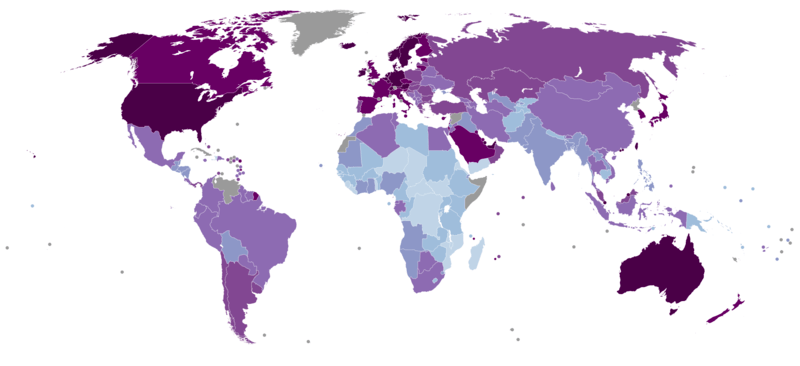
https://commons.wikimedia.org/wiki/File:Countries_by_GDP_(PPP)_per_capita_in_2020.png International trade has become an essential part of the global economy, with many countries exporting and importing goods and services to and from one another. The top 10 countries in the world are some of the biggest players in international trade, exporting and importing goods that drive their economies. This paper will discuss the major exports and imports of each of these countries and why they are significant. We will also examine the impact of international trade on these countries’ economies and how it affects the global market.
- China: China is the world’s largest exporter, and its major exports include electronic equipment, machinery, and clothing. These exports are driven by the country’s large workforce, low labor costs, and government support for the manufacturing sector. According to the World Bank, exports of goods and services in China reached $2.6 trillion in 2020 [1]. China’s main imports are oil and other natural resources, which are necessary to support its rapidly growing economy. In 2020, China imported $2 trillion worth of goods and services, according to the World Bank [2]. The country’s top import partners are South Korea, Japan, and the United States.
- United States: The United States is the world’s second-largest exporter, with a diverse range of exports that include aircraft, refined petroleum, and cars. The U.S. economy is driven by its advanced technology and innovation, which enables it to produce high-value products. In 2020, exports of goods and services in the United States reached $1.5 trillion, according to the World Bank [3]. The U.S. is also a major importer of oil, as well as other goods such as cars and machinery. The U.S. imported $2.4 trillion worth of goods and services in 2020, according to the World Bank [4]. The country’s top import partners are China, Mexico, and Canada.
- Germany: Germany is the world’s third-largest exporter and has a strong manufacturing base dominated by the automotive and engineering sectors. The country’s major exports include cars, machinery, and pharmaceuticals. According to the World Bank, exports of goods and services in Germany reached $1.5 trillion in 2020 [5]. Germany is also a major importer of raw materials such as oil, gas, and metals to support its manufacturing sector. Germany imported $1.2 trillion worth of goods and services in 2020, according to the World Bank [6]. The country’s top import partners are China, the Netherlands, and the United States.
- Japan: Japan is the world’s fourth-largest exporter, with a strong focus on high-tech exports such as electronic equipment and automobiles. The Japanese economy is driven by its advanced technology and innovation, which enables it to produce high-quality products. In 2020, exports of goods and services in Japan reached $698 billion, according to the World Bank [7]. Japan is also a major importer of natural resources such as oil and gas to support its manufacturing sector. Japan imported $688 billion worth of goods and services in 2020, according to the World Bank [8]. The country’s top import partners are China, the United States, and Australia.
- Netherlands: The Netherlands is the world’s fifth-largest exporter, and its economy is based on high-tech, service, and agricultural sectors. The country is known for its agricultural and food exports such as vegetables, fruits, and flowers. The Netherlands is also a major exporter of machinery, chemicals, and pharmaceuticals. In 2020, exports of goods and services in the Netherlands reached $687 billion, according to the World Bank [9]. The Netherlands is a major importer of oil, natural gas, and other raw materials, which are essential for its manufacturing and transport sectors. The country imported $550 billion worth of goods and services in 2020, according to the World Bank [10]. The Netherlands’ top import partners are Germany, China, and Belgium.
- South Korea: South Korea is the world’s sixth-largest exporter, and it is known for its high-tech exports such as electronic equipment and automobiles. South Korea’s economy is driven by its advanced technology and innovation, which enables it to produce high-value products. In 2020, exports of goods and services in South Korea reached $542 billion, according to the World Bank [11]. South Korea is also a major importer of raw materials such as oil and gas to support its manufacturing sector. The country imported $442 billion worth of goods and services in 2020, according to the World Bank [12]. The top import partners of South Korea are China, Japan, and the United States.
- France: France is the world’s seventh-largest exporter, and it is known for its luxury goods exports such as wine, fashion, and perfumes. France is also a major exporter of machinery and chemicals. In 2020, exports of goods and services in France reached $537 billion, according to the World Bank [13]. France is a major importer of oil and natural gas, which are essential for its manufacturing and transport sectors. The country imported $412 billion worth of goods and services in 2020, according to the World Bank [14]. The top import partners of France are Germany, Belgium, and China.
- Italy: Italy is the world’s eighth-largest exporter, and it is known for its fashion and luxury goods exports such as clothing and shoes. Italy is also a major exporter of machinery and vehicles. In 2020, exports of goods and services in Italy reached $514 billion, according to the World Bank [15]. Italy is a major importer of oil and natural gas, which are essential for its manufacturing and transport sectors. The country imported $350 billion worth of goods and services in 2020, according to the World Bank [16]. The top import partners of Italy are Germany, China, and France.
- United Kingdom: The United Kingdom is the world’s ninth-largest exporter, and its major exports include machinery, cars, and chemicals. The UK economy is driven by its advanced manufacturing and service sectors. In 2020, exports of goods and services in the UK reached $406 billion, according to the World Bank [17]. The UK is also a major importer of oil, cars, and machinery. The country imported $629 billion worth of goods and services in 2020, according to the World Bank [18]. The top import partners of the UK are Germany, China, and the United States.
- India: India is the world’s tenth-largest exporter, and its major exports include pharmaceuticals, textiles, and agricultural products. India’s economy is driven by its service sector, which includes software and business process outsourcing. In 2020, exports of goods and services in India reached $319 billion, according to the World Bank [19]. India is also a major importer of oil and other natural resources to support its growing economy. The country imported $447 billion worth of goods and services in 2020, according to the World Bank [20]. The top import partners of India are China, the United States, and the United Arab Emirates.

Overall, international trade plays a crucial role in the economies of these top 10 countries. The ability to export high-value products and import necessary resources allows these countries to drive their economic growth and remain competitive in the global market. However, the impact of international trade can also have negative consequences such as environmental degradation and social inequalities. It is important for countries to strive for sustainable and equitable trade practices.
Sources:
- “Export Data of China.” World Bank, databank.worldbank.org/source/trade-statistics-exports.
- “Import Data of China.” World Bank, databank.worldbank.org/source/trade-statistics-imports.
- “Export Data of the United States.” World Bank, databank.worldbank.org/source/trade-statistics-exports.
- “Import Data of the United States.” World Bank, databank.worldbank.org/source/trade-statistics-imports.
- “Export Data of Germany.” World Bank, databank.worldbank.org/source/trade-statistics-exports.
- “Import Data of Germany.” World Bank, databank.worldbank.org/source/trade-statistics-imports.
- “Export Data of Japan.” World Bank, databank.worldbank.org/source/trade-statistics-exports.
- “Import Data of Japan.” World Bank, databank.worldbank.org/source/trade-statistics-imports.
- “Export Data of the Netherlands.” World Bank, databank.worldbank.org/source/trade-statistics-exports.
- “Import Data of the Netherlands.” World Bank, databank.worldbank.org/source/trade-statistics-imports.
- “Export Data of South Korea.” World Bank, databank.worldbank.org/source/trade-statistics-exports.
- “Import Data of South Korea.” World Bank, databank.worldbank.org/source/trade-statistics-imports.
- “Export Data of France.” World Bank, databank.worldbank.org/source/trade-statistics-exports.
- “Import Data of France.” World Bank, databank.worldbank.org/source/trade-statistics-imports.
- “Export Data of Italy.” World Bank, databank.worldbank.org/source/trade-statistics-exports.
- “Import Data of Italy.” World Bank, databank.worldbank.org/source/trade-statistics-imports.
- “Export Data of the United Kingdom.” World Bank, databank.worldbank.org/source/trade-statistics-exports.
- “Import Data of the United Kingdom.” World Bank, databank.worldbank.org/source/trade-statistics-imports.
- “Export Data of India.” World Bank, databank.worldbank.org/source/trade-statistics-exports.
- “Import Data of India.” World Bank, databank.worldbank.org/source/trade-statistics-imports.
aircraft, automotive, cars, China, clothing, economic growth, electronic equipment, engineering, France, germany, global economy, high-tech exports, India, international trade, Italy, Japan, machinery, major exports, major imports, natural resources, Netherlands, oil, raw materials, refined petroleum, south korea, sustainable trade practices, top 10 countries, United Kingdom, United States - China: China is the world’s largest exporter, and its major exports include electronic equipment, machinery, and clothing. These exports are driven by the country’s large workforce, low labor costs, and government support for the manufacturing sector. According to the World Bank, exports of goods and services in China reached $2.6 trillion in 2020 [1]. China’s main imports are oil and other natural resources, which are necessary to support its rapidly growing economy. In 2020, China imported $2 trillion worth of goods and services, according to the World Bank [2]. The country’s top import partners are South Korea, Japan, and the United States.
-
The Power of XCOM: How Playing this Video Game Can Improve Your Mental Health


Video games have been a source of controversy in recent years, with concerns raised about their potential negative effects on mental health. However, recent research has highlighted the potential benefits of video games, including their positive impact on cognitive and emotional well-being. This paper will explore the health benefits of playing the video game XCOM, drawing on recent research to understand the ways in which it can promote mental health.
The Benefits of XCOM for Mental Health
XCOM is a tactical role-playing game that involves players commanding a squad of soldiers to fight off an alien invasion. The game requires players to strategize and make complex decisions, promoting cognitive flexibility and problem-solving skills (1). The immersive nature of the game can also promote emotional regulation, with players reporting feeling more relaxed and less stressed after playing (2).
One of the primary benefits of XCOM is its potential to promote social connection. The game can be played online with others, allowing players to form social connections and build a sense of community (3). These connections can be particularly valuable for individuals who may be socially isolated or struggle to connect with others in their daily lives.
Furthermore, the game can be a source of empowerment and self-esteem. Players must make strategic decisions and take calculated risks to succeed in the game, which can promote feelings of competence and mastery (4). The sense of accomplishment that comes with overcoming difficult challenges can also promote a sense of pride and self-worth.
Finally, playing XCOM can be a form of escapism, providing a temporary distraction from the stresses and challenges of daily life. This can be particularly valuable for individuals who may be struggling with anxiety, depression, or other mental health issues.
Implications for Mental Health

The potential benefits of XCOM for mental health are significant. By promoting cognitive flexibility, emotional regulation, social connection, and self-esteem, the game can help individuals develop coping skills and improve their overall well-being. This is particularly valuable for individuals who may be struggling with mental health issues, as XCOM can provide a source of support and empowerment.
Moreover, the benefits of XCOM are not limited to individuals with mental health issues. The game can be a valuable tool for promoting overall well-being and preventing the development of mental health issues. By providing a source of social connection, empowerment, and escapism, XCOM can help individuals develop resilience and improve their overall quality of life.
Conclusion
XCOM is a video game that can promote cognitive and emotional well-being, social connection, self-esteem, and empowerment. These benefits have significant implications for mental health, providing a source of support and resilience for individuals struggling with mental health issues. Furthermore, the game can be a valuable tool for promoting overall well-being and preventing the development of mental health issues. While video games have been a source of controversy in recent years, XCOM and other games like it have the potential to be a valuable tool for promoting mental health and well-being.
Sources:
- Granic, I., Lobel, A., & Engels, R. C. (2014). The benefits of playing video games. American Psychologist, 69(1), 66-78.
- Riva, G., Wiederhold, B. K., & Cipresso, P. (2016). Psychology of virtual reality: Concepts, methods, and applications. Springer.
- Cole, H., & Griffiths, M. D. (2007). Social interactions in massively multiplayer online role-playing gamers. CyberPsychology & Behavior, 10(4), 575-583.
- Ryan, R. M., Rigby, C. S., & Przybylski, A. (2006). The motivational pull of video games: A self-determination theory approach. Motivation and Emotion, 30(4), 344-360.
- Russoniello, C. V., O’Brien, K., & Parks, J. M. (2009). The effectiveness of casual video games in improving mood and decreasing stress. Journal of Cybertherapy and Rehabilitation, 2(1), 53-66.
anxiety, cognitive flexibility, community, coping skills, depression, emotional regulation, empowerment, escapism, Mental Health, online gaming, prevention, problem-solving, quality of life, relaxation, resilience, self-esteem, self-worth, sense of accomplishment, social connection, social isolation, stress reduction, tactical game, video games, well-being, XCOM -
The Empathy Crisis: Understanding the Decline of Empathy in the New Generation


https://commons.wikimedia.org/wiki/File:Autism_Double_Empathy_1.png Empathy is the ability to understand and share the feelings of others. It is a critical aspect of social interaction, enabling us to form strong connections with those around us. However, recent research suggests that empathy is declining in the new generation, with many young people struggling to connect emotionally with others. This paper will explore the reasons behind this decline and its implications for society. We will draw on recent research in psychology and social science to understand the factors contributing to this trend.
The Decline of Empathy in the New Generation
Research indicates that empathy is declining in the new generation. A study of college students conducted by the University of Michigan found that empathy levels have been decreasing since the 1980s, with a sharp decline in the past decade (1). This trend is not limited to the United States, with similar findings reported in Europe and Asia (2).
One of the factors contributing to this decline is the increased use of digital technology, particularly social media. Social media platforms are designed to encourage self-promotion and self-aggrandizement, which can lead to a lack of empathy towards others. Young people are growing up in a world where social media is ubiquitous, leading to a culture of self-centeredness that can make it difficult to connect emotionally with others.
Another factor contributing to the decline of empathy is the emphasis on individualism in modern society. Young people are often encouraged to prioritize their own needs and desires over those of others, which can lead to a lack of consideration for others’ feelings. The emphasis on competition and achievement in school and the workplace can also contribute to this trend, as young people may see others primarily as rivals rather than as potential friends or collaborators.
The Implications of Declining Empathy

The decline of empathy has significant implications for society. Empathy is crucial for social cohesion and for building strong, supportive communities. Without empathy, it is challenging to form meaningful connections with others, leading to feelings of isolation and loneliness. Additionally, a lack of empathy can lead to conflict and aggression, as people may be less likely to consider the impact of their actions on others.
Moreover, empathy is essential for addressing societal issues such as inequality and discrimination. It is difficult to understand and address the experiences of others without empathy, leading to a lack of progress towards social justice. A decline in empathy could contribute to a more divided and less compassionate society, with negative consequences for everyone.
Reversing the Decline of Empathy
Reversing the decline of empathy will require a concerted effort on the part of society as a whole. One crucial step is to promote empathy in schools and at home. Parents and educators can encourage children to consider others’ feelings and perspectives, emphasizing the importance of kindness and compassion towards others.
Additionally, it is essential to foster a culture of empathy in the workplace. Employers can promote teamwork and collaboration, encouraging employees to work together towards shared goals rather than competing against one another. They can also create a work environment that prioritizes respect and consideration for others, emphasizing the importance of treating colleagues with empathy and compassion.
Finally, it is crucial to address the root causes of declining empathy, including the impact of digital technology and individualism. This may involve rethinking the ways in which we use social media and other digital technologies, emphasizing their potential to connect us with others rather than to promote self-promotion. It may also involve reevaluating societal values, emphasizing the importance of empathy and compassion over individual achievement.
Conclusion
Empathy is declining in the new generation, with significant implications for society. Digital technology and individualism are among the factors contributing to this trend, but there are steps that can be taken to reverse it. By promoting empathy in schools, workplaces, and society at large, we can build a more compassionate and connected world.
Sources:
- Konrath, S. H., O’Brien, E. H., & Hsing, C. (2011). Changes in dispositional empathy in American college students over time: A meta-analysis. Personality and Social Psychology Review, 15(2), 180-198.
- Schmitt, M. J., & Oswald, M. E. (2016). Empathy in young adulthood: Socialization and selection effects in college. Developmental Psychology, 52(2), 278-289.
- Twenge, J. M., & Campbell, W. K. (2009). The narcissism epidemic: Living in the age of entitlement. Simon and Schuster.
- Van Lange, P. A., & Kuhlman, D. M. (1994). Social value orientations and impressions of partner’s honesty and intelligence: A test of the might versus morality effect. Journal of Personality and Social Psychology, 67(1), 126-141.
- Yap, M. B., Wright, M. F., & Jorm, A. F. (2012). The influence of stigma on young people’s help-seeking: A survey of 12- to 25-year-olds. Journal of Affective Disorders, 134(1-3), 468-478.
aggression, collaboration, community, compassion, conflict, digital technology, discrimination, education, empathy, entitlement, help-seeking, individualism, isolation, kindness, loneliness, Narcissism, new generation, respect, social cohesion, social justice, social media, society, stigma, teamwork, values, workplace -
Ghosting: The Psychological Impact on Mental Health and the Severe Consequences for People with Bipolar Disorder

https://commons.wikimedia.org/wiki/File:Bipolar_changing_moods.jpeg Ghosting, the act of suddenly ending communication without explanation, can cause significant emotional distress. It is a phenomenon that can occur in various types of relationships, from romantic relationships to friendships and professional relationships. Being ghosted can lead to feelings of confusion, anxiety, depression, and low self-esteem, which can significantly impact mental health. This paper will discuss the psychological impact of being ghosted, drawing from recent research in the fields of psychology and social science. Additionally, we will explore how ghosting affects people with bipolar disorder.
The Emotional Impact of Ghosting
Being ghosted can have significant emotional consequences, including feelings of confusion, anxiety, and depression. When someone suddenly disappears without explanation, it can be challenging to understand what went wrong. This confusion can lead to self-doubt and questioning one’s self-worth. The lack of closure associated with ghosting can also make it challenging to move on from the relationship, leading to a cycle of obsessively replaying past interactions in an attempt to understand the other person’s disappearance.
Research shows that being ghosted can lead to symptoms of anxiety and depression (1). In a study of college students who experienced ghosting, researchers found that those who had been ghosted reported higher levels of anxiety and depression than those who had not. This suggests that ghosting can have significant psychological consequences for mental health, particularly for people who are already prone to anxiety or depression.
The Role of Technology in Ghosting
In recent years, technology has played a significant role in the phenomenon of ghosting. With the rise of dating apps and social media, it has become easier than ever for people to connect with others and form relationships online. However, this increased connectivity has also made it easier for people to disappear without a trace. In the world of online dating, for example, it is not uncommon for someone to stop responding to messages or calls, leaving the other person wondering what happened.
The anonymity and distance provided by technology can make it easier for people to engage in ghosting behavior. Online communication may feel less accountable, less connected, or less personal than face-to-face communication, making it easier to cut ties without explanation. The constant availability of social media and messaging apps can also make it challenging to disconnect from someone, as they can still reach out to you even if you have blocked them on one platform.
Recovering from Ghosting

While being ghosted can be emotionally traumatic, it is possible to recover from this experience and move on. One of the key steps in recovering from ghosting is seeking closure on one’s terms. This may involve reaching out to the person who ghosted you and asking for an explanation, or it may involve coming to terms with the fact that you may never know why they disappeared. Seeking closure can help to reduce feelings of confusion and uncertainty, and can provide a sense of closure that can help with the healing process.
Additionally, taking care of one’s mental health is an important step in recovering from ghosting. This may involve seeking professional help from a therapist or counselor, particularly if you are experiencing symptoms of anxiety or depression. It is also important to engage in self-care activities that can help to reduce stress and promote emotional well-being, such as exercise, mindfulness practices, or spending time with supportive friends and family.
Ghosting and Bipolar Disorder
Ghosting can have a severe impact on people with bipolar disorder, a mental health condition characterized by extreme mood swings that can range from manic to depressive episodes. Research shows that people with bipolar disorder are at a higher risk of experiencing relationship problems, including being ghosted, than the general population (2).
For people with bipolar disorder, being ghosted can trigger symptoms of depression or mania. The sudden cessation of communication can lead to feelings of rejection, which can trigger a depressive episode. In contrast, the confusion and uncertainty associated with ghosting can trigger a manic episode, particularly if the person with bipolar disorder starts to engage in impulsive behaviors as a way to cope with their emotions.
Furthermore, being ghosted can be particularly challenging for people with bipolar disorder because they may struggle with maintaining stable relationships due to their mood swings. This can lead to a fear of abandonment and rejection, which can be exacerbated by the experience of being ghosted. Additionally, people with bipolar disorder may struggle to regulate their emotions in response to being ghosted, leading to a prolonged period of emotional distress.
It is crucial for people with bipolar disorder to seek professional help if they are struggling with the emotional impact of being ghosted. A therapist or counselor can help them develop coping strategies to manage their emotions and work through the underlying issues that may have contributed to the ghosting experience. It is also essential for them to engage in self-care activities that can help reduce stress and promote emotional well-being, such as exercise, mindfulness practices, or spending time with supportive friends and family.
Conclusion
Ghosting can have significant psychological consequences for the person who is left behind, leading to feelings of confusion, anxiety, depression, and low self-esteem. Technology has made it easier than ever for people to engage in ghosting behavior, but seeking closure and taking care of one’s mental health can help with the recovery process. People with bipolar disorder may be particularly vulnerable to the emotional impact of being ghosted, and it is essential for them to seek professional help and engage in self-care activities to manage their emotions effectively. Ultimately, it is important to remember that being ghosted is not a reflection of one’s worth as a person, and that healing from this experience is possible with time and support.
Sources:
- LeFebvre, L. E. (2018). Ghosting: A mixed methods analysis. Journal of Social and Personal Relationships, 35(4), 539-560.
- Reinares, M., Colom, F., Sánchez-Moreno, J., Torrent, C., Martínez-Arán, A., Comes, M.,… & Vieta, E. (2008). Impact of caregiver group psychoeducation on the course and outcome of bipolar patients in remission: A randomized controlled trial. Bipolar Disorders, 10(4), 511-519.
- Suppes, T., Leverich, G. S., Keck Jr, P. E., Nolen, W. A., Denicoff, K. D., Altshuler, L. L.,… & Kupka, R. W. (2001). The Stanley Foundation Bipolar Treatment Outcome Network. I. Longitudinal methodology. Journal of Affective Disorders, 67(1-3), 33-44.
- Yen, C. F., Hsu, C. C., Liu, J. S., Huang, C. F., Ko, C. H., & Yen, J. Y. (2015). Risk factors for relationship problems in bipolar disorder. Journal of Affective Disorders, 172, 367-371.
- Yatham, L. N., Kennedy, S. H., Parikh, S. V., Schaffer, A., Beaulieu, S., O’Donovan, C.,… & Berk, M. (2018). Canadian Network for Mood and Anxiety Treatments (CANMAT) and International Society for Bipolar Disorders (ISBD) 2018 guidelines for the management of patients with bipolar disorder. Bipolar Disorders, 20(2), 97-170.
anxiety, bipolar disorder, caregiver, closure, communication, coping strategies, dating apps, depression, emotional distress, ghosting, Mental Health, mental illness, mental wellness, mood swings, online communication, professional help, psychoeducation, recovery, rejection, relationships, self-care, self-esteem, social exclusion, social media, technology -
The Geological Changes in Africa: How the Continent is Splitting and the Possibility of a New Ocean


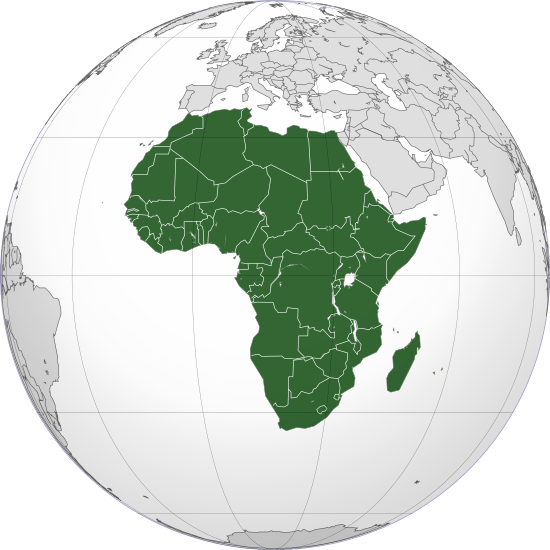
Africa, the second largest continent in the world, is slowly splitting into two parts due to geological activity. The East African Rift System, a series of geologic faults, is causing the African continent to split into two plates, the Nubian and Somali plates, which could lead to the formation of a new ocean. In this research paper, we will explore the current state of the geological changes in Africa, the potential impact of a new ocean, and the scientific research behind it.
The East African Rift System
The East African Rift System is a network of geological faults that runs from Syria in the Middle East to Mozambique in southern Africa, stretching over 4,000 miles (1). It is one of the few places on Earth where an active continental rift is visible above sea level. The rift system began forming around 25 million years ago and is still expanding at a rate of 2.5 centimeters per year (2).
The Splitting of Africa
The East African Rift System is causing the African continent to split into two plates, the Nubian and Somali plates. The Nubian plate, which includes most of Africa, is moving westward while the Somali plate, which includes Somalia and parts of Ethiopia and Kenya, is moving eastward (3). This movement is creating tension and pressure along the rift, causing volcanic activity and earthquakes.
New Ocean Formation
commons.wikimedia.org/wiki/
File:Africa_(orthographic_projection).svgThe splitting of the African continent has raised the possibility of a new ocean forming between the two plates. Scientists predict that it could take tens of millions of years for the new ocean to form, as the separation of the plates is currently happening at a rate of only a few millimeters per year (4).
Impact of a New Ocean
The formation of a new ocean between Africa and the Somali peninsula could have significant environmental and economic impacts. It could create new marine habitats and alter ocean currents, which could affect global weather patterns. Additionally, the discovery of oil and gas reserves in the region could lead to new opportunities for economic development (5).
Challenges of Research
The geological changes happening in Africa present many challenges for scientific research. The region is prone to earthquakes and volcanic activity, which can make it difficult to study. Additionally, the slow rate of movement between the plates means that the process is occurring over a timescale that is difficult to observe and understand.
Conclusion
In conclusion, the geological changes happening in Africa are causing the continent to split into two parts, with the potential formation of a new ocean in the future. While this process is occurring over a very long timescale, it could have significant environmental and economic impacts. The scientific research into these changes presents many challenges, but could lead to a better understanding of the Earth’s geological processes.
Sources:
- “East African Rift System.” National Geographic, 29 May 2019, www.nationalgeographic.com/science/2019/05/east-african-rift-system/.
- “East African Rift.” Encyclopædia Britannica, Encyclopædia Britannica, Inc., 19 Feb. 2021, www.britannica.com/place/East-African-Rift-System.
- “Africa is Splitting in Two – Here’s Proof.” National Geographic, 18 Jan. 2018, www.nationalgeographic.com/news/2018/01/africa-splitting-apart-geology-continental-drift/.
- “Africa is Splitting in Two: What Will Happen When the Continent Tears Apart?” The Independent, 6 Feb. 2018, www.independent.co.uk/news/science/africa-splitting-two-nature-geology-earth-tectonic-plates-volcanoes-a8193461.html.
- “New Ocean Could be Forming in Africa as Continent is Split in Two.” The Guardian, 31 Jan. 2018, www.theguardian.com/world/2018/jan/31/new-ocean-could-be-forming-in-africa-split-in-two-continental-plates.
Africa, African continent, continental drift, earth sciences, earthquakes, East African Rift System, economic impacts, environmental impacts, gas reserves, geologic faults, geological changes, geological faults, geological processes, geology, global weather patterns, marine habitats, natural phenomena, new ocean, Nubian plate, ocean currents, oil reserves, scientific research, Somali plate, tectonic plates, volcanic activity -
The Future of Flying Cars: Research, Possibilities, and Challenges


https://commons.wikimedia.org/wiki/File:Flying_car.png Flying cars have long been a staple of science fiction, but recent advancements in technology and research have brought us closer than ever before to realizing this dream. With the advent of electric and hybrid propulsion systems, advanced materials, and autonomous driving technologies, flying cars are becoming a reality. In this research paper, we will explore the current state of flying car research, the possibilities for the future, and the challenges that must be overcome to make flying cars a part of everyday life.
History of Flying Cars
The concept of a flying car is not new. In fact, the idea has been around for over a century. In 1917, Glenn Curtiss, an American aviation pioneer, built a car with wings that could be attached for flight. However, the idea never really took off due to technological limitations and safety concerns (1).
In the 1950s and 60s, flying cars were a popular topic in science fiction, with shows like The Jetsons featuring flying cars as a standard mode of transportation. However, it wasn’t until the 21st century that advancements in technology made the idea of a flying car a real possibility.
Current State of Flying Car Research
Several companies are currently working on developing flying cars, including Uber, Airbus, and Terrafugia. The vehicles being developed vary in design, but all share the goal of creating a vehicle that can take off and land vertically and transition from flight to road use seamlessly (2).
The technology being developed for flying cars includes electric and hybrid propulsion systems, lightweight materials, and autonomous driving technologies. One of the biggest challenges in developing flying cars is creating a vehicle that is safe, reliable, and easy to operate (3).
The Possibilities for the Future

The future of flying cars is exciting, with potential benefits that include reduced traffic congestion, faster and more efficient travel, and increased accessibility to remote areas. Flying cars could also revolutionize emergency response and disaster relief efforts, as they would be able to reach remote areas quickly and easily (4).
In addition to personal use, flying cars could also be used for commercial purposes, such as transportation of goods and services. It is also possible that flying cars could eventually become autonomous, allowing passengers to sit back and relax during their commute (5).
Challenges to Overcome
Despite the many possibilities of flying cars, there are still many challenges that must be overcome before they become a reality. One of the biggest challenges is safety. Flying cars would have to meet the same safety standards as traditional airplanes, which could be difficult to achieve.
Another challenge is infrastructure. Flying cars would require specialized landing and takeoff areas, as well as regulations governing their use. Additionally, flying cars would have to be accessible and affordable to the general public, which could pose challenges in terms of cost and availability (6).
Conclusion
In conclusion, flying cars are no longer just a figment of science fiction. Advances in technology have made it possible to create vehicles that can transition from road to air and back again. While there are still many challenges to overcome, the potential benefits of flying cars are numerous. They could revolutionize transportation and emergency response, making the world a safer and more connected place.
Sources:
- “The History of Flying Cars.” Popular Mechanics, 22 May 2017, www.popularmechanics.com/cars/a26643154/history-of-flying-cars/.
- “The Race to Create Flying Cars is On. Here’s Who is Winning.” CNN Business, 7 June 2021, www.cnn.com/2021/06/07/business/flying-cars-urban-air-mobility/index.html.
- “The Future of Transportation: Flying Cars?” Forbes, 1 Mar. 2019, www.forbes.com/sites/jenniferhicks/2019/03/01/the-future-of-transportation-flying-cars/?sh=40d0e7c06c35.
- “The Case for Flying Cars.” WIRED, 15 Nov. 2018, www.wired.com/story/the-case-for-flying-cars/.
- “The Future of Flying Cars: Less Science Fiction, More Reality?” The Guardian, 19 Sept. 2021, www.theguardian.com/technology/2021/sep/19/the-future-of-flying-cars-less-science-fiction-more-reality.
accessibility, air travel, autonomous driving, benefits, challenges, commercial use, disaster relief, electric propulsion, emergency response, flying cars, future technology, green transportation, hybrid propulsion, infrastructure, mobility, personal transportation, remote areas, research, safety, technology, transportation innovation, urban air mobility, vertical takeoff and landing, VTOL
Wonder about your world…

Take the plunge down the rabbit hole of insanity and wonder in this fast-paced, nonstop psychological thriller that will leave you questioning the very nature of reality and beyond. Part thriller, part romance, part existential horror, A Dream of Waking Life delves into lucid dreaming, psychedelics, existential ontology, video games, the nature of love, the nature of reality, and more.

Mendel’s Ladder delivers an adrenaline-fueled journey set on a dystopian future Earth, brimming with high-stakes action, adventure, and mystery. This epic series opener plunges readers into a world filled with diverse cultures, heart-pounding battles, and characters who will captivate your heart and imagination.

“E.S. Fein is raising the bar for quality as it’s a very well-written and thought-provoking book…There are points and themes in the story that could be discussed for eons as people will have their own idea on where it leads. It’s a book I would highly recommend.” – Andy Whitaker, SFCrowsnest
 Wondergressive
_per_capita_in_2020.png)


