-
MIT Separates Oil From Water Magnetically

Researchers at MIT have created a method of separating oil from water using magnets. By mixing water repellent, ferrous nano particles into the oil, they are able to separate the mixture from the water at a later time.
It is a simple method that can be used “on a larger scale and deployed at sea for days or weeks, where electrical power is scarce and maintenance facilities limited.”
Researchers did not mention possible negative effects that mixing in ferrous nano particles will have, if any, but I suppose for right now it is better than oceans full of oil.
Go science!
-
Dogs Can Predict Earthquakes by Hearing Them

Dogs and other animals have long been used as a reliable way to predict the occurrences of earthquakes. Dogs, insects, snakes, and other species display strange behavior and anxiety days before earthquakes happen. Dogs have even successfully warned rescue teams in the event of an impending avalanche, saving lives numerous times. In China and Japan, it isn’t just speculation, animals are considered an integral part of their earthquake warning system.
A canine’s ability to seemingly see into the future have lead many people to believe that they contain some form of ESP, or are possibly the evolutionary descendants of psychics from Mars. For the first time, researchers like Stanley Coren believe they have found the source of dogs’ power; their ears.
Through a series of tests with dogs with different types of ears and ages, it seems very likely that dogs are able to hear the high frequency movements of rock deep underground that precede minor and major earthquakes.
Listen to your pets people. They may not be psychic, or from Mars, but they don’t destroy their hearing with Slayer concerts either.
anxiety, best dog, best pet dog, canine anxiety, canine distress, China, cutest dog, Dog, dog breeder, dogs, dogs cute, dogs that dont shed, Earthquake, earthquake china, earthquake japan, Earthquake warning system, frequency, high frequency, Japan, major earthquake, Mars, no shed dog, psychic, speculation, Stanley Coren, United States, United States Geological Survey -
Sex Is Just a Lack of Disgust

Well, not completely. A Dutch study has recently examined how arousal can override feelings of disgust during sex, and even outside of sex. The study found that women who are sexually aroused are more willing to do something they would normally flat out refuse to do.
The researchers split 90 female university student into three groups. One group watched ‘female friendly erotica’ (whatever that means), the next group watched a video of extreme sports to get them excited in a non-sexual way, and the final group watched a video of a train, boring and devoid of sex appeal. What the researchers found was that the women who had watched porn were more willing and less disgusted by activities such as wiping their hands on a used tissue, eating a cookie next to a live worm, or lubricating a vibrator.
Disgust is an evolutionary developed emotion that protects us from danger and disease. Arousal has the ability to completely override this feeling.
What does that mean for you and me? It means that Mike Rowe from the show Dirty Jobs must have had a constant hard on.
Go figure.
-
Dalai Lama: “Religion is no longer adequate”
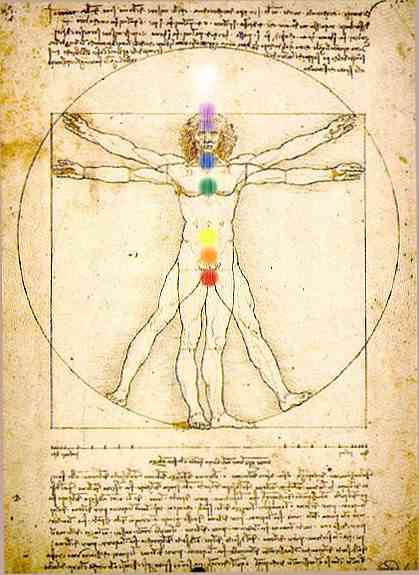
http://spera-bikramyoga.com/ The Dalai Lama, the high leader of Tibetan Buddhism, is considered to be a hub of wisdom and compassion. In fact, he is considered to be the reincarnation of Avalokiteśvara, the Bodhisattva of compassion, so of course, he is a frequent Facebook poster. The Dali Lama recently posted on Facebook that
religion is no longer adequate.
He strongly asserts that
all the world’s major religions, with their emphasis on love, compassion, patience, tolerance, and forgiveness can and do promote inner values. But the reality of the world today is that grounding ethics in religion is no longer adequate. This is why I am increasingly convinced that the time has come to find a way of thinking about spirituality and ethics beyond religion altogether.
The Dalai Lama is calling for an end to forms of morality and spiritual thought that require scripture and dogma, a notion that could have, and still could, save millions of lives and end many seemingly endless wars.
Unlike cults like the Catholic Church, which took nearly 400 years to apologize to Galileo, many sects of Buddhism are founded in and adhere to scientific scrutiny. The Dalai Lama is famous for saying that
if scientific analysis were conclusively to demonstrate certain claims in Buddhism to be false, then we must accept the findings of science and abandon those claims.
These beliefs have lead to such practices as Secular Buddhism, which is
based on humanist, naturalist, agnostic values and pragmatism rather than religious beliefs.
Is religion really necessary anymore? Should a moral code be based on fear and scripture, or on self-truth? Isn’t it better to be a good person for the sake of being a good person, not for the sake of a reward or not going to hell?
It’s long past time to find our own answers or swallow the hard truth and admit that we are simply dumbfounded, strange creatures of a dream, crafting fictions to comfort our ignorance and fear of the unknown.
Sources:
http://en.wikipedia.org/wiki/Avalokite%C5%9Bvara
http://io9.com/5942616/dalai-lama-tells-his-facebook-friends-that-religion-is-no-longer-adequate
http://www.newscientist.com/article/mg13618460.600-vatican-admits-galileo-was-right-.html
http://en.wikipedia.org/wiki/Secular_Buddhism
-
Dalai Lama, “Religion is no longer adequate”
The Dalai Lama, a high leader of Tibetan Buddhism, is considered to be a hub of wisdom and compassion, the reincarnation of Avalokiteśvara, the Bodhisattva of compassion, so of course, he is a frequent Facebook poster. The Dali Lama recently posted on Facebook that “religion is no longer adequate.”
He strongly asserts that “all the world’s major religions, with their emphasis on love, compassion, patience, tolerance, and forgiveness can and do promote inner values. But the reality of the world today is that grounding ethics in religion is no longer adequate. This is why I am increasingly convinced that the time has come to find a way of thinking about spirituality and ethics beyond religion altogether.”
The Dalai Lama is calling for an end of morality and spiritual thought requiring scripture and dogma, a notion that could have, and still could, save millions of lives and end many seemingly endless wars.
Unlike cults like the Catholic Church, which took nearly 400 years to apologize to Galileo, many sects of Buddhism are founded in and adhere to scientific scrutiny. The Dalai Lama is famous for saying that “if scientific analysis were conclusively to demonstrate certain claims in Buddhism to be false, then we must accept the findings of science and abandon those claims.”
These beliefs have lead to such practices as Secular Buddhism, which is “based on humanist, naturalist, agnostic values and pragmatism rather than religious beliefs.”
Is religion really necessary anymore? It’s long past time to find our own answers or swallow the hard truth and admit that we are simply dumbfounded, strange creatures of a dream, crafting fictions to comfort our ignorance.
-
The Life Changing and Life Lengthening World of Fasting


http://www.caloriesperhour.com Research from all around the world is coming up with various results that all point to the same thing; fasting is a safe and highly effective way to improve your health and overall well being. In documentary created by BBC Horizon Michael Mosley gives an introduction to the art and lifestyle choice that is fasting. The video documents various types of fasting and also details the copious amounts of benefits involved, with scientific proof and documentation, in an easy to watch, entertaining format.
*Update 3/3/13: The documentary has become so popular that Michael Mosley is writing a book. The link is now to an interview with him.
What is Fasting?
Fasting is age old. The first question people ask when I tell them I am fasting is “is there a religious reason?” Various religions have historically incorporated some form of fasting, most notably for the spiritual and emotional benefits of the practice.
theyogadr.com Although there are many types of fasting, fasting in general means abstaining from consuming food. More specifically, abstinence from caloric ingestion. The practitioner should stay hydrated by drinking water and/or tea, but that’s it.
The hardest part of fasting is the psychological hurdles. You realize with full force that hunger in a civilized society is far more about the tongue than it is about actual nutrition. I am currently on day 2 of a 5 day fast and have been without food for approximately 40 hours. I am not hungry in the slightest bit, but I can’t get food off my mind. My stomach is quite content, but my thoughts betray me! This is where tea becomes especially handy. It allows my taste buds to be satiated while refraining from ingesting any actual caloric substance.
Why Should I Fast?
Fasting is one of the healthiest and most beneficial things you can do for your body and your mind. Although a low calorie, nutrient rich diet seems to be the optimal way to eat, even with a very poor diet, fasting leads to dramatically positive changes in health. As a quick overview of some of the benefits of fasting, I, and medical professionals can safely say it will lead to:- Dramatic anti-aging effects
- Weight loss
- Increased amount of brain cells
- Higher good cholesterol/lower bad cholesterol
- Lower triglyceride levels
- Stable blood pressure
- General detoxification and drug detoxification
- Clearer skin
- Positive diet changes
- Better resistance to disease
- Reduction of allergies
- Rest for digestive organs
- Better sleep
- Change of habits
- Clearer planning
- Better attitude
- Creativity/ new ideas
- Improved senses (vision, hearing, taste)
- Inspiration
- More clarity (mentally and emotionally)
- More energy
- More relaxation
- Purification, rejuvenation, and revitalization
- Spiritual awareness
While filming the BBC documentary, Michael Mosley discovered that even eating unhealthily, by practicing intermittent fasting, his health improved markedly in a wide range of areas. Most notably, after a 4 day fast, his bad cholesterol was significantly lower, his unhealthy triglycerides were nearly halved, and most importantly, his levels of IGF-1 (insulin like growth factor) were more than halved.
Interestingly, fasting in mice, and potentially humans, also leads to an increased number of brain cells. Researchers believe this is evolutionary, as, if you are without food, the number of synapses grow and neural networks expand to increase awareness and perception in order to more efficiently remember sources of food and to find new sources.
What is IGF-1, and Why Don’t I Want it?
IGF-1 is a hormone produced in the body which is predominantly responsible for growth. When you are young it is essential, but as we grow older it becomes one of our greatest enemies. According to the BBC study, “The IGF-1 hormone (insulin-like growth factor) is one of the drivers which keep our bodies in go-go mode, with cells driven to reproduce. This is fine when you are growing, but not so good later in life.”
A great amount of research has gone into monitoring the effects of IGF-1 on the human body. Low levels of IGF-1 seem to correlate directly to an extended life span, less age related illnesses, and better overall health. IGF-1 can be kept at low levels through a proper nutrient rich, low calorie diet. It can also be dramatically lowered through fasting.
High levels of IGF-1 are directly related to obesity, cardiovascular disease, greater risk of age related illnesses, and higher rates of morbidity.
Fasting and Diet
Unfortunately, fasting once will not ensure long term health. If you fast, and then go right back to the high calorie, low nutrition diet you ate before, you are guaranteed to have unhealthy levels of unwanted chemicals within a day or two. They key is persistence and diet.
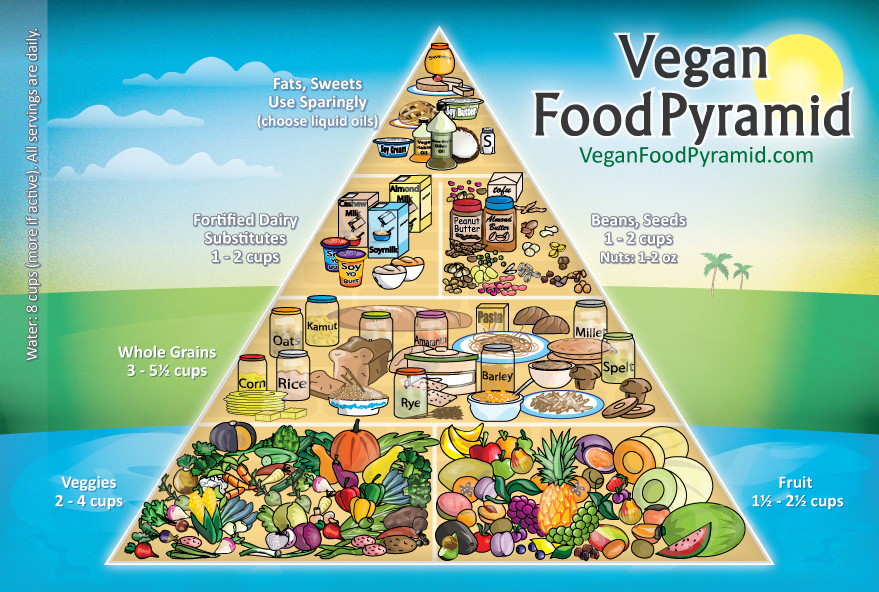
http://www.veganfoodpyramid.com A nutrient rich diet filled with raw vegetables, leafy greens, fruits (especially berries), nuts, legumes, lentils, grains and oils high in poly and mono unsaturated fats like coconut oil will ensure long term, overall health. There are many tips and tricks to attain a truly nutrient dense diet. An example of this is eating only the skin of an apple, since 95% of the nutrients are found in the skin. The rest is sugar. This holds true for many fruits and vegetables.
Drop the sodas, diet or not, and start eating natural, life supporting foods. Food can be the greatest medicine in the world.
For further information regarding nutrient dense foods head over to the Nutrient Rich Foods Coalition website to help get you started.
Cron-o-meter is a site that will help you track your calories, and nutrients down to the single amino acid and/or phyto nutrient!
As a final note, I love fasting. I usually fast 1-2 days each week, with a lengthier fast every couple of months or so. I feel lighter, freer, happier and more aware. My senses become heightened, and the world seems more at peace. The health benefits are just a bonus!
Sources and Resources to Take the Next Step:
Raw Food Explained: History of Fasting
All About Fasting: Types of Fasting
All About Fasting: Benefits of Fasting
BBC News: Proof Mounts on Restricted Diet
PubMeg.gov: Insulin-like Growth Factor-1: Compartmentalization within the somatotropic axis?
IGF-1 Receptor Regulates Lifespan and Resistance to Oxidative Stress in Mice
Chicago Tribune: Can it! Soda Studies Cite Stronger Link to Obesity
Nutrient Rich Foods Coalition: Achieve Better Health: Your Guide to Nutrient-Rich Eating
amino acid, BBC, BBC fasting, BBC Horizon, brain cell, clarity, death, detox, digestion, emotional benefit, fast, fasting, fasting detox, glutton, growth hormone, health, igf-1, insulin, juice fast, life extension, long life, Michael Mosley, morbity, neural network, obesity, phyto nutrient, protien, religion, religious fasting, spirituality, water fast, weight loss -
The Wonderful, Healthier, Life Changing and Life Lengthening World of Fasting

Research from all around the world is coming up with various results that all point to the same thing; fasting is a safe and highly effective way to improve your health and overall well being. As an introduction to the art and lifestyle choice that is fasting, take a look at this documentary created by BBC Horizon. The video documents various types of fasting and also details the copious amounts of benefits involved, with scientific proof and documentation, in an easy to watch, entertaining format.
What is Fasting?
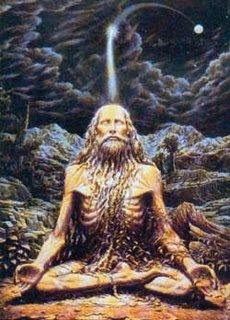
Fasting is age old. The first question people ask when I tell them I am fasting is “is there a religious reason?” Various religions have historically incorporated some form of fasting, most notably for the spiritual and emotional benefits of the practice.
Although there are many types of fasting, fasting in general means abstaining from consuming food. More specifically, abstinence from caloric ingestion. The practitioner should stay hydrated by drinking water and/or tea, but that’s it.
The hardest part of fasting is the psychological hurdles. You realize with full force that hunger in a civilized society is far more about the tongue than it is about actual nutrition. I am currently on day 2 of a 5 day fast and have been without food for approximately 40 hours. I am not hungry in the slightest bit, but I can’t get food off my mind. My stomach is quite content, but my thoughts betray me! This is where tea becomes especially handy. It allows my taste buds to be satiated while refraining from ingesting any actual caloric substance.
Why Should I Fast?
Fasting is one of the healthiest and most beneficial things you can do for your body and your mind. Although a low calorie, nutrient rich diet seems to be the optimal way to eat, even with a very poor diet, fasting leads to dramatically positive changes in health. As a quick overview of some of the benefits of fasting, I, and medical professionals can safely say it will lead to:- Dramatic anti-aging effects
- Weight loss
- Increased amount of brain cells
- Higher good cholesterol/lower bad cholesterol
- Lower triglyceride levels
- Stable blood pressure
- General detoxification and drug detoxification
- Clearer skin
- Positive diet changes
- Better resistance to disease
- Reduction of allergies
- Rest for digestive organs
- Better sleep
- Change of habits
- Clearer planning
- Better attitude
- Creativity/ new ideas
- Improved senses (vision, hearing, taste)
- Inspiration
- More clarity (mentally and emotionally)
- More energy
- More relaxation
- Purification, rejuvenation, and revitalization
- Spiritual awareness
While filming the BBC documentary, Michael Mosley discovered that even eating unhealthily, by practicing intermittent fasting, his health improved markedly in a wide range of areas. Most notably, after a 4 day fast, his bad cholesterol was significantly lower, his unhealthy triglycerides were nearly halved, and most importantly, his levels of IGF-1 (insulin like growth factor) were more than halved.
Interestingly, fasting in mice, and potentially humans, also leads to an increased number of brain cells. Researchers believe this is evolutionary, as, if you are without food, the number of synapses grow and neural networks expand to increase awareness and perception in order to more efficiently remember sources of food and to find new sources.
What is IGF-1, and Why Don’t I Want it?
IGF-1 is a hormone produced in the body which is predominantly responsible for growth. When you are young it is essential, but as we grow older it becomes one of our greatest enemies. According to the BBC study, “The IGF-1 hormone (insulin-like growth factor) is one of the drivers which keep our bodies in go-go mode, with cells driven to reproduce. This is fine when you are growing, but not so good later in life.”
A great amount of research has gone into monitoring the effects of IGF-1 on the human body. Low levels of IGF-1 seem to correlate directly to an extended life span, less age related illnesses, and better overall health. IGF-1 can be kept at low levels through a proper nutrient rich, low calorie diet. It can also be dramatically lowered through fasting.
High levels of IGF-1 are directly related to obesity, cardiovascular disease, greater risk of age related illnesses, and higher rates of morbidity.
Fasting and Diet
Unfortunately, fasting once will not ensure long term health. If you fast, and then go right back to the high calorie, low nutrition diet you ate before, you are guaranteed to have unhealthy levels of unwanted chemicals within a day or two. They key is persistence and diet.
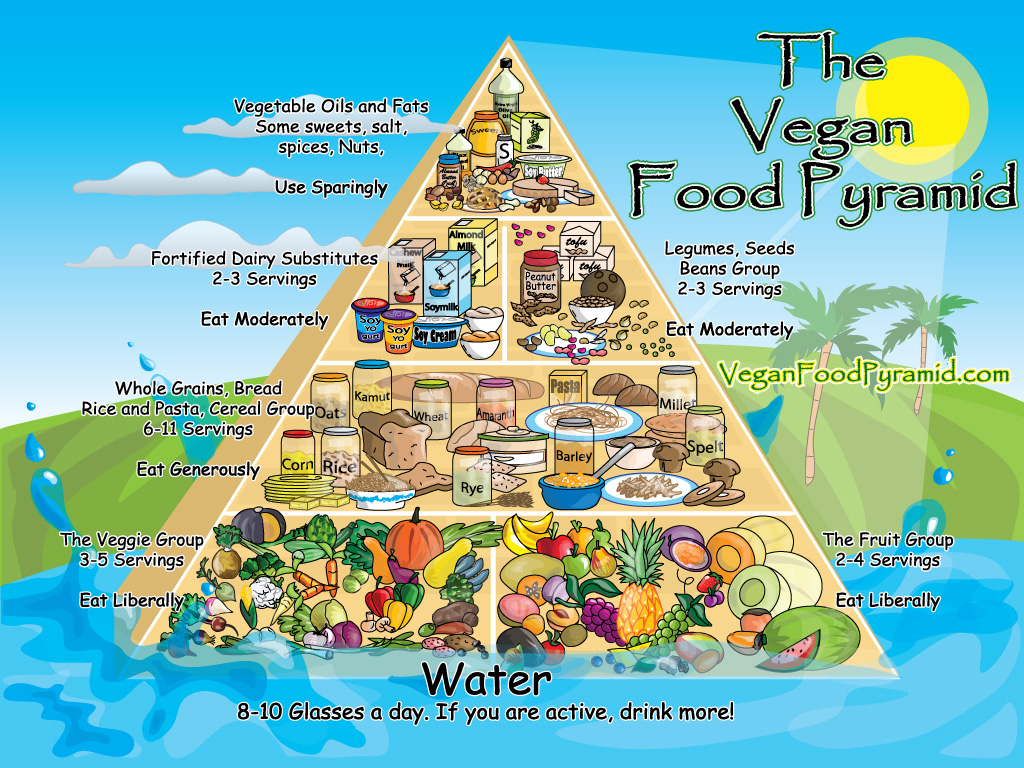
A nutrient rich diet filled with raw vegetables, leafy greens, fruits (especially berries), nuts, legumes, lentils, grains and oils high in poly and mono unsaturated fats like coconut oil will ensure long term, overall health. There are many tips and tricks to attain a truly nutrient dense diet. An example of this is eating only the skin of an apple, since 95% of the nutrients are found in the skin. The rest is sugar. This holds true for many fruits and vegetables.
Drop the sodas, diet or not, and start eating natural, life supporting foods. Food can be the greatest medicine in the world.
Here’s a site with further information regarding nutrient dense foods to help get you started.
Here’s another site that will help you track your calories, and nutrients down to the single amino acid and/or phyto nutrient!
As a final note, I love fasting. I usually fast 1-2 days each week, with a lengthier fast every couple of months or so. I feel lighter, freer, happier and more aware. My senses become heightened, and the world seems more at peace. The health benefits are just a bonus!
amino acid, BBC, BBC fasting, BBC Horizon, brain cell, clarity, death, detox, digestion, emotional benefit, fast, fasting, fasting detox, glutton, growth hormone, health, igf-1, insulin, juice fast, life extension, long life, Michael Mosley, morbity, neural network, obesity, phyto nutrient, protien, religion, religious fasting, spirituality, water fast, weight loss -
Mothers Who Suffer Depression Have Shorter Kids

http://motimeme.com/ A new study of 6550 women found that women with postpartum depression or general depression are 50% more likely to have shorter kids. Pamela J. Surkan, the lead researcher, states that
we hypothesize that the main link between maternal postpartum symptoms of depression and child height is through care-giving behaviors, perhaps by means of feeding practices or through these mothers’ reduced abilities to get help for their sick children when they are sick.
Although the variables are numerous, the correlation remains that depression in women before and during motherhood can lead to stunted growth in their children.
Ongoing research regarding this correlation has consistently found similar or identical results.
Sources:
http://shine.yahoo.com/parenting/surprising-reason-why-kids-shorter-study-191200640.html
-
Depressed Mothers Have Shorter Kids

A new study of 6550 women found that women with postpartum depression or general depression are 50% more likely to have shorter kids. Pamela J. Surkan, the lead researcher, states that “we hypothesize that the main link between maternal postpartum symptoms of depression and child height is through care-giving behaviors, perhaps by means of feeding practices or through these mothers’ reduced abilities to get help for their sick children when they are sick.”
Although the variables are numerous, the correlation remains that depression in women before and during motherhood can lead to stunted growth in their children.
Ongoing research regarding this correlation has consistently found similar or identical results.
-
Virgin Births in Wild Snakes

Researchers have discovered virgin births occurring in two types of wild species of snakes. Although virgin births, or facultative parthenogenesis, has been observed in many types of animals including chickens, sharks, lizards, and birds, it has always occurred with animals in captivity. These animals were kept away from males of their species, and the asexual birth was seen as an evolutionary necessity.
The strangest part of the virgin births is the frequency. It was found to occur 2.5 – 5% of the time in the wild, a number that is far more than just an evolutionary novelty. Although asexual birth is common in species like ants and aphids, researchers are still unsure why these virgin births occur so often in these snake species.
Wonder about your world…

Take the plunge down the rabbit hole of insanity and wonder in this fast-paced, nonstop psychological thriller that will leave you questioning the very nature of reality and beyond. Part thriller, part romance, part existential horror, A Dream of Waking Life delves into lucid dreaming, psychedelics, existential ontology, video games, the nature of love, the nature of reality, and more.

Mendel’s Ladder delivers an adrenaline-fueled journey set on a dystopian future Earth, brimming with high-stakes action, adventure, and mystery. This epic series opener plunges readers into a world filled with diverse cultures, heart-pounding battles, and characters who will captivate your heart and imagination.

“E.S. Fein is raising the bar for quality as it’s a very well-written and thought-provoking book…There are points and themes in the story that could be discussed for eons as people will have their own idea on where it leads. It’s a book I would highly recommend.” – Andy Whitaker, SFCrowsnest

 Wondergressive