
-
Brain Waves and the Future of Stress


Johnny wakes up at 8:30 A.M.– ten minutes until his bus arrives. Oh shoot! He forgot to set his alarm last night. He quickly jumps out of his bed and instead of landing with his feet, his face becomes his landing. Great, now he needs a band-aid. He rushes into the bathroom and realizes he’s out of toothpaste. Great, now his breath will stink the rest of the day. He needs to use the toilet and then realizes he’s out of toilet paper. He then hears the bus arriving and leaving without him. Grrrrrrrr!!!
This is stress, or at least, one of the most common forms.
Stress is a condition proven to be very dangerous when not treated. It affects millions of people all over the world, ranging from teenagers to seniors. Stress causes many problems for these individuals, both in the physical and psychological aspects of their body. Yoga, meditation, exercise, etc. are all ways to relieve stress, but they have not been proven to work for all individuals. Also, some people don’t have enough time for these activities. However, there might be a more effective approach to this problem.
There are three different types of stress: acute, episodic, and chronic.
Acute Stress
Johnny is sitting in his chair, praying that the teacher does not call on him for presentations. He knows he didn’t practice enough and is frantically scrolling through his notes, jotting down as many points as he can in his mind.
“Hmmm, let us see who shall go next, “ calls out the teacher. “Johnny, why don’t you go up there.”
 Oh no! His worst nightmare is coming true. He slowly gets up out of his seat and walks to the podium as if it were a slow-motion movie. His heart is beating and he is thinking of all the possible scenarios of what he should say once he starts his presentation. He stands there, just wishing he could’ve had another day to prepare, despite knowing this is the same thing he would be thinking the next day.
 This well known experience is referred to as acute stress.
The one type of stress we all experience in our bodies at one time or another is acute stress. Acute stress is the short term stress which is experienced before, during or after a stressful or pressure inducing moment. For example, let’s say you are waiting in line to ride a very dangerous roller coaster. Your heart is beating much faster and you are scared and nervous. This is acute stress you are experiencing. However, after the roller coaster ride has ended, your body returns to relative homeostasis. Acute stress can be thrilling and exciting sometimes, unlike the other types of stress we will be going over.
The effects of acute stress aren’t usually life threatening, as acute stress is only short-term stress. However, some instances of acute stress can be worse depending on the person and the experience. It is not uncommon during extremely heightened periods of acute stress (very rare for most people) to experience emotional distress, muscular problems such as back and jaw pain, and/or stomach, gut, and bowel problems like heartburn, diarrhea, and constipation. You can also get problems like rapid heartbeat, sweaty palms, dizziness, migraine headaches, and cold hands or feet. Keep in mind that thee extreme side effects are exactly that: the extremes. Acute stress isn’t very dangerous as it is very treatable and the more threatening effects are relatively rare.
Episodic Stress
Johnny has now learned over the years that he is pretty good at giving presentations. But he is still worried every time he has to give a presentation. He is now also worried every time before a basketball game or every time he is taking a test at school. The worry and associated stress is sometimes so bad that he has this experience even when choosing what clothes to wear. Johnny doesn’t want to be like this, but he can’t help it. He always worries every day about every little thing.
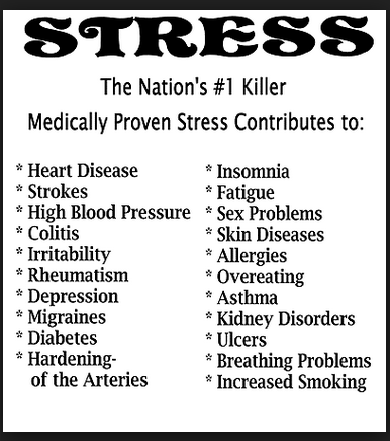 This is episodic stress.
 Episodic stress happens when a person is experiencing lots of acute stress every day. They overwhelm themselves with endless tasks and are always busy as a result of these tasks. Everything this type of person does tends to be executed in a nervous or busy manner. These people are always in a rush, which takes a toll on their minds and bodies. The other common example related to episodic stress is people who worry every day. These “worry warts,” as they’re often called, are people like Johnny who seem to worry about every task they do.
The effects of episodic stress are a little more serious than the side effects of acute stress. Some of the physical issues are persistent tension headaches, migraines, hypertension, chest pain and heart disease. The reason why episodic stress is more dangerous than acute stress is that it can take many months to treat episodic stress, unlike acute stress which can usually be resolved after only a few moments. Behavioral and emotional concerns also rise from episodic stress, such as blaming problems on other people. Those who have episodic stress also don’t like to take blame for their own problems, which can annoy others interacting with them.
Chronic Stress
Johnny is now a lot lot older. He has completed college and is now in the real world with a job, a house, and a family. His worrying has gotten a little better, but it is still there lurking in his shadow. Even though his episodic stress has gotten better, he is piled high everyday with his work, bills, kids etc. This has given him problems like eating disorders, lack of social activity, and even depression. This is the worst experience of stress Johnny has ever had, and it has become a part of his daily life.
This is chronic stress.
Chronic stress is the worst out of all these types. This is the long-term stress which wreaks havoc on your body day in and day out. Chronic stress is usually originally caused by a major traumatic event in life. However, it can also be caused from a job overload, an unhealthy marriage or the threat of entering poverty. The worst part about chronic stress is that it stays in the person’s body and becomes a part of them to the extent that people don’t even recognize they are experiencing stress.
Chronic stress, as you probably guessed, also has the most dangerous effects out of all types of stress. The reason why it’s so bad is because it can kill you! Issues like suicide, violence, heart attack, stroke, and sometimes even cancer, rise from chronic stress. What’s even worse is that chronic stress is also the hardest to treat, as this form of stress becomes a virtually integral and familiar part of the person over time. Chronic stress wears the body down so much that hundreds of thousands of people choose suicide as a final resort to ending their stress.
So, what are we supposed to do about all the stress in the world? We cannot just let more people resort to suicide because of stress. Is stress simply unavoidable on the whole? According to recent research, the manipulation of our brain waves may hold the key to freeing ourselves of stress.
Manipulating Brain Waves
Brain waves aren’t something normally heard in the same sentence as a solution to stress, especially with a non-scientist. However, the relation between brain waves and stress is so great that it presents a viable method of relieving stress in both the short and long-term. There are four overarching types of brain waves: alpha, beta, delta, and theta. While each of these natural frequencies of the brain play a part in relieving or intensifying stress, we are going to talk about more specific types of waves: sound frequencies. Each organ in the body can be correlated to a specific frequency by which it functions. Using all of these frequencies, or tones, we can make a reference pitch for the whole body: A=432hz. All of this refers to a concept called quantum reflex analysis(QRA) which relieves stressors in the body by playing specific sounds needed to relieve a particular type of stress. There are QRA sessions available to help individuals deal with stress, but they are expensive and infrequently utilized. However, technology is improving everyday, broadening the availability of these sessions.
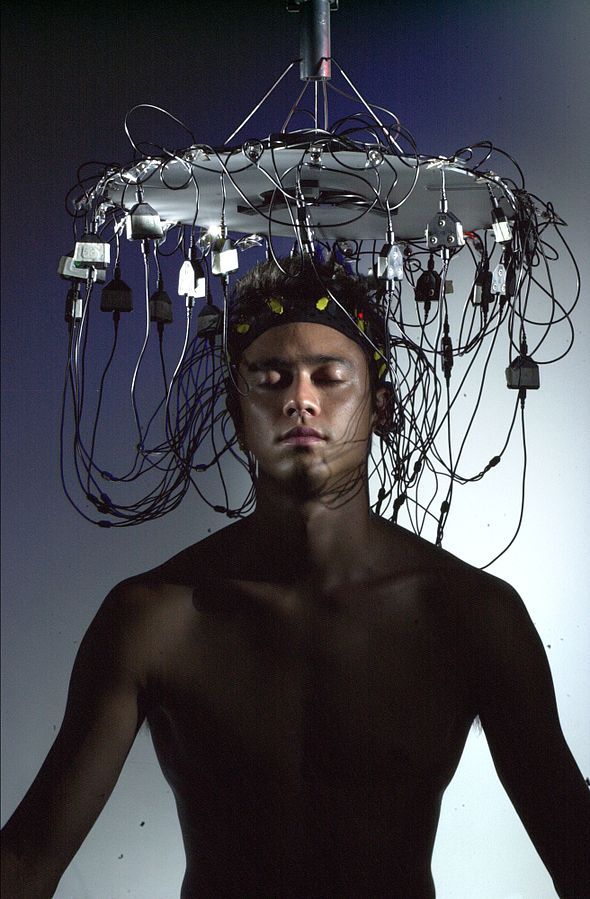 These waves can be transmitted into the body in multiple different ways. One way is by using a simple speaker to emit a constant sound frequency at 432hz, the reference pitch for the body’s functioning frequency taken as a composite of each organ’s frequency. Another way is by using a concept called bone conduction, which involves sound waves being transmitted through the skeletal tissue of different parts of the body, directly to the brain. This can take the form of a patch being applied on the arm, which will give the same experience as hearing a sound without actually hearing the sounds with your ears. These solutions allow the person to experience a QRA session without ever leaving the comfort of their home.
QRA can help society in numerous ways. One of the biggest ways is the work force. Stress is a major issue in the workplace, and studies show that stress affecting the work of employees is extremely commonplace. Businesses and the economy, in turn, are hurt from the poor work. Stress is a major factor for why employees exhibit poor working habits. And from this poor work, the employee can get fired, resulting in even more stress. It all equates to an endless cycle of stress, however, by using sound frequencies, the cycle can get cut off. Teenagers in schools can also benefit from this solution, as they are also under extreme amounts of stress. College admissions, exams, and “fitting in” all put stress on these students, causing them to show a lack of effort in their school work. Crimes can also be lowered from the reduction of stress in society. Most of the people who commit crimes are in poverty, which means they are under stress to get more money, so they turn to criminal activities. The society can be benefited in numerous ways with the reduction of stress all from sounds easily transmitted to the body.
Stress, as shown, is a widely known psychological and physical problem for all types of individuals. The most dangerous part of stress is that it can be a downward spiraling cycle in your daily life if it is not treated properly. Using brain waves to relieve stress can be very efficient as there are multiple ways to implement them, one of the most effective, easiest and cheapest being sounds heard by the ear of the individual.
###
While scrolling through the Internet, looking to find ways to relieve stress, Johnny finds this wonderful article you are reading on QRA sessions. He decides to give one a try to help relieve his stress. Johnny goes into the session and comes out as a different man. A better man. A more relieved man. He keeps going to the sessions and it has become very helpful to him in his work, family and physical life. Soon, Johnny will be able to experience a QRA session without ever leaving his home.
-
Minuscule Insect Solves a Global Crisis


As of right now, the world is home to 6,300 million metric tonnes of a material which is recyclable but takes up to 1000 years to decompose. If you hadn’t guessed, the material is plastic. Plastic is filling the world’s landfills at an exponential rate. However, there is a phenomenal creature that can eradicate the threat of plastic landfills: the Wax Worm Caterpillar. These caterpillars have the capability to eat through polystyrene plastic. Wax Worm Caterpillars could very well be the future of decomposing waste.
 There is a fairly simple explanation to how Wax Worm Caterpillars can eat away at this world crisis. The normal diet for these caterpillars is wax from beehives. There is one characteristic in common between the wax from beehives and plastic. Both of these “foods” are made up of carbon-carbon bonds. In other words, because the caterpillars can eat wax, they also have the ability to digest plastic as well. Although plastic is far from organic, the carbon-carbon bonds allow the caterpillars to digest it. The caterpillars not only consume the material, but the worms actually transform polyethylene into ethylene glycol. The substance, ethylene glycol, involves oxidative metabolism, which means it uses aerobic cellular respiration to energize the organism. As one can see, humans are not the only beneficiaries from wax worms eating plastic, but the caterpillars benefit as well.
The crisis of plastic waste is not domestic, it’s global, meaning all parts of the world are affected by this. As stated before, nearly 6.3 billion metric tons of plastic are in landfills, oceans, roads, etc. It is said that each caterpillar can only eat 2.2 milligrams of plastic each day, but there is a solution to this. We can modify the brains of caterpillars to be able to consume 5 grams of plastic a day by adding a chip that constantly releases ghrelin(a chemical which makes an organism hungry) and a larger stomach. If each plastic bag weighs 4.5 grams, each caterpillar can consume one plastic bag a day. Based off of the current statistics, it would take nearly 7 years for 100 worms to eat away at half of the world’s current plastic waste. This would mean the earth’s oceans could be much cleaner, as well as the landfills being many times smaller. Therefore, the modified wax worm caterpillars may have the potential to eradicate one of the global struggles.
 The idea of a minuscule insect eating away at one of the World’s largest struggles looks to be a fantasy, but it has been proven true. The theory of caterpillars consuming plastic was proven in the creation of the theory. A beekeeper, Federica Bertocchini, thinks of these caterpillars as pests, as they eat away at the wax of beehives. Since these caterpillars were pests, she collected them and threw them in the trash can. The next morning, when the beekeeper went to throw out more garbage, she noticed caterpillar-sized holes in her garbage can. She looked inside, and the theory came to fruition: the caterpillars were gone. She then wanted to prove caterpillars could turn the plastic into energy, so she mashed up the wax worms from her yard into a paste. She then spread that paste over some more plastic bags. Once again, the plastic dissolved away. This proved the theory that both humans and wax worms could benefit from the consumption of plastic. This is one of the many accidental, but glorious discoveries of the 21st century.
As one can see, wax worm caterpillars are a realistic and efficient solution to a crisis which has already had harmful effects to the environment. wax worms have proven they are capable of continuing their normal routine with plastic in their diet. Wax worms have been tested on multiple occasions, and all reports came back with the one statement: wax worms are capable of performing aerobic cellular respiration with plastic as the energy source. The world needs an efficient and proactive solution; well they sure got one. Wax worm Caterpillars are the future of environmental protection.
-
Quantum Entanglement and Teleportation


Teleportation! You’ve seen it in the movies and the books. It seems supernatural, almost a myth, maybe. But, this teleportation idea doesn’t seem that unbelievable anymore. A concept called quantum entanglement is directly related to teleportation. Quantum entanglement, simply put, is like a connection between two particles far away from each other. Though it is not teleportation, we can use this idea for teleportation in the future, solving many of our world’s problems.
Quantum entanglement first requires a connection between two particles. This means when one particle is being conversed about/used, the second particle must be directly influenced in precisely the same way, as they are entangled with one another. This gives these particles the connection we are talking about. Let us say that we turn one particle 180 degrees clockwise. Another particle, which is quantum entangled with the first particle will also turn 180 degrees clockwise. Pretty freaky, right? Even when two entangled particles are separated by long distances, they are still entangled, letting them “communicate” across fairly long distances, maybe even infinite. To clarify, we do not know yet how far quantum entanglement can occur. It can be across a stretch of light years, galaxies even, as we haven’t found any limit to this idea.
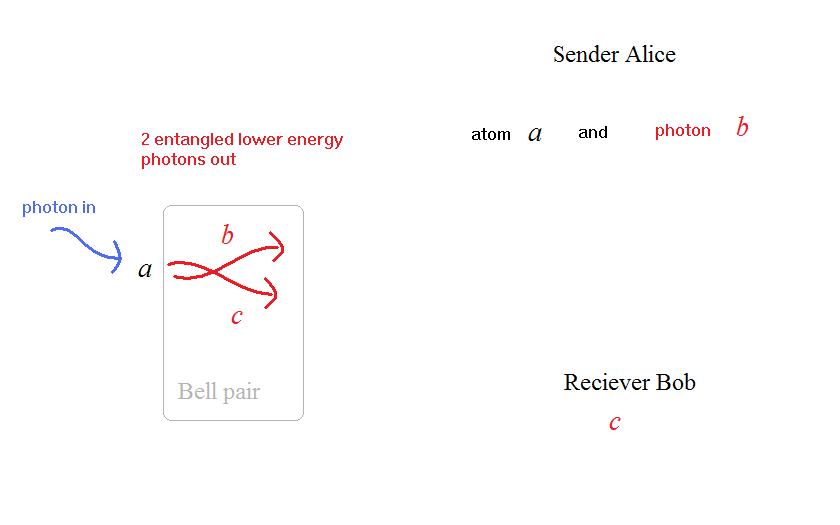 Quantum entanglement can easily solve many of the worlds problems. Most importantly, quantum entanglement can help us discover teleportation. With teleportation, we can solve problems of insufficient medical supplies, slow emergency vehicles, insufficient clean water, and even poverty, to name a few. For insufficient clean water, we can send these countries water from countries which have sufficient water, such as the U.S. and England. The U.S. can even ship medical supplies to third-world countries. This quantum entanglement can also help our expansion in space. We can send fresh food to astronauts, which can slow the deterioration cycle of being in space. Lots of problems can be solved using teleportation coming from quantum entanglement, but there is still a ways to go before this happens.
Though we may not be too far in the art of teleportation, scientists across the world have made many recent developments in quantum entanglement. According to a recent study,
In 2016 physicists Ryo Okamoto and Shigeki Takeuchi of Kyoto University verified Aharonov and Vaidman’s predictions experimentally using a light-carrying circuit in which the shutter photon is created using a quantum router, a device that lets one photon control the route taken by another.
Another instance is where a group of Chinese scientists packed 18 qubits—the most basic units of quantum computing—into just six weirdly connected photons using quantum entanglement.
The most thrilling situation, however, is where another group of Chinese scientists broke a record by sending a packet of information from Tibet to a satellite in orbit, up to 870 miles (1,400 kilometers) above the Earth’s surface, using quantum entanglement. These discoveries show much promise, but there are still some unanswered questions surrounding them.
The problem with these experiments is we don’t know if it is the same photon on the other side. If you teleport an object, there is doubt whether it is the same object after being teleported–is it actually the original or just a convincing copy? So, instead of teleporting, we could just be copying molecules from one place to another. Today, scientists are still working on what really goes on during teleportation and quantum entanglement.
As you can see, teleportation doesn’t seem an impossible idea anymore. We are already advancing into the use of quantum entanglement, and finding the key to quantum entanglement allows us to go even farther with the idea of teleportation. This idea can help everyone, as supplies all around the world can be sent so much faster than modern transportation, along with many other benefits to our society. But, there is still a lot of mystery to solve for scientists as what exactly happens to the particles during quantum entanglement. So, there may be awhile before we get into the idea of teleporting humans from LA to Tokyo, but are closer than ever, and quantum entanglement is the way to reaching that goal.
-
Saving Adolescents Through Drug Testing

Nowadays, middle schoolers are more likely than ever to use drugs recreationaly. To remind you, students in middle school range from 12-14. Yes, you read that correctly. Students as young as 12 are using drugs recreationaly. This is partly because students can access drugs in ways that schools can’t prevent. Drug testing can’t prevent students from buying the drugs, but it can prevent students from using the drugs, at least on a consistent basis. While it won’t solve the problem completely, drug testing is an efficient way for schools to know if their students are using drugs.
 Drug testing, also known as toxicology screening, is a way for schools to analyze just how many students are consuming illegal substances. The main substances that schools look for are alcohol, tobacco, and cannabis. According to an article written in 2014 by the National Institute of Drug Abuse,
 Alcohol and tobacco are the drugs most commonly abused by adolescents, followed by marijuana.
Adolescents are more likely to use these substances, in part, because they are much easier to find.
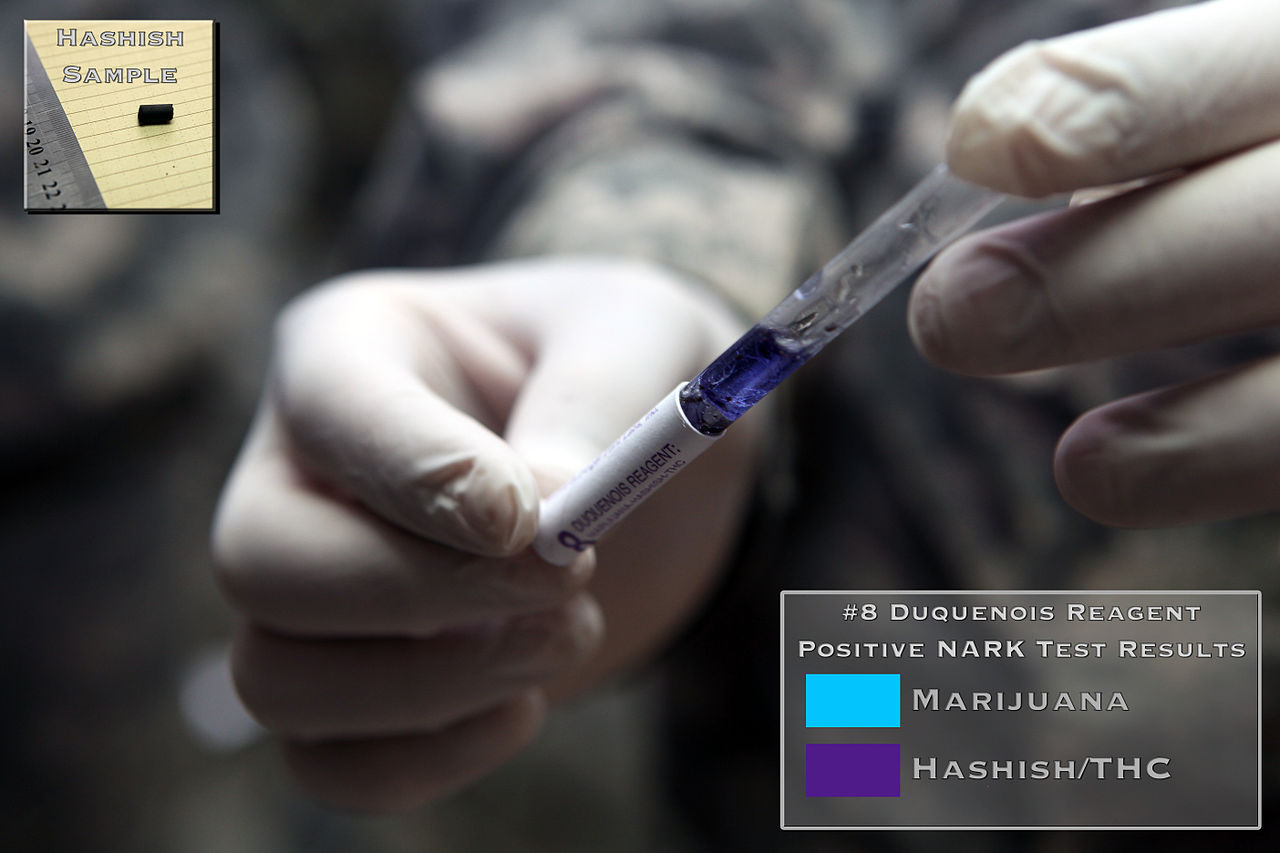 The drug tests are relatively simple, consisting of urine samples being exposed to certain substances to see the reaction. For example, when a student has cannabis in their system, to find this out, the testers would add a substance called Duquenois-Levine reagent. This substance will turn the testing solution from white to red. This is because the Duquenois-Levine reagent has a chemical reaction with Tetrahydrocannabinol (THC), which causes the color of the solution to change. The process is equally simple for tobacco and alcohol as well.
Furthermore, drug testing could exponentially lower the recreational use of drugs by adolescents. In this article, written by Sober Living By the Sea (a drug abuse treatment center), the author refers to cannabis, non-prescription cough medicine, and inhalants. The article states,
About 15 percent of students report having tried these substances. Other drugs used by smaller percentages of middle school students include Vicodin, OxyContin and other prescription drugs.
 There are more than 7.2 million students in middle schools today. This means nearly 1,080,000 middle schoolers in the United States have tried or are currently using illicit substances. Drug tests can lower this number without a doubt. Even if drug tests stop 1 kid from consuming drugs, that’s a whole life that has been curbed from the negative consequences of a young and immature mind consuming mind altering substances. Toxicology screening is a viable and ready solution to adolescent drug abuse.
Some would say drug testing is not the correct path to take for middleschoolers. However, the effectiveness of drug screening has already been laid out. According to an article written in 2018 by the Food and Drug Association,
The at-home testing part of this test is fairly sensitive to the presence of drugs in the urine. This means that if drugs are present, you will usually get a preliminary (or presumptive) positive test result.
The concept of drug testing is not only beneficial to the safety of schools, but the health of students as well. If a student knows they will be drug tested, they will lay off drug use to avoid consequences, which also leads to better health overall. Drug testing has also been proven effective, which is necessary for schools. As one can see, drug tests are what will save middle school students from drug abuse.
-
Kpop Scandals: Growing Pains of a Growing Industry


From left to right: Seungri, G-Dragon, Taeyang, T.O.P. and Daesung of Big Bang
https://www.keyt.comKpop is a musical genre that began in South Korea and has rapidly spread across the world with critical acclaim. In Jan Laurens Hartong’s novel, Musical Terms Worldwide: A Companion for the Musical Explorer, she describes Kpop as being,
a musical style that began in the 1960’s with the blending of Western pop music and Japanese Enka-style music. Today, it is one of the most famous musical genres in the world and incorporates musical styles from every culture.
Maybe you even have a favorite Kpop star. I am personally a huge fan of BTS and Twice, Kpop groups that have been performing for just under a decade. Regardless of if you have heard of Kpop or not, odds are that due to its incredible popularity across the globe, you will soon know all about it, and maybe even have a favorite group of your own.

Seungri Unfortunately, though Kpop fans (including myself) might not want to admit it, there have been a growing number of scandals in the world of Kpop. The largest and most concerning scandal concerns a Kpop star named Seungri from the internationally famous band, Big Bang. The scandal took place in February of 2018, and involved sexual allegations at a private club.
People have reacted to these scandals in numerous different ways. These reactions range from individuals such as fans in Korea to fellow Korean celebrities. Many have turned away from celebrities such as Seungri and have even started publicly hating on him. Some Korean celebrities have even spoken up and publicly announced their disrespect and disappointment. Many rookies in the Kpop industry have even been heard to avoid Seungri and be careful to not get involved with him too much.
The specific timeline of the Seungri scandal has been broken down as follows:
- A man named Mr. Kim (keeping this vague to protect identity) was assaulted at a club where Seungri works.
- The club where Seungri worked denied the claim and actually put the fault on Mr. Kim.
- Seungri and the club fired the man who allegedly assault Mr. Kim.
- Texts and chatroom conversations were released showing that Seungri and other individuals may have been involved with other assault scandals and cover ups at the same club.
- According to police reports, “Seungri reportedly directed the employee to find prostitutes…The Seoul Police Department launched an investigation into the prostitution claims.” Less than 2 months after the investigation began, “Seungri was booked on charges of supplying prostitutes, and he became a suspect in the case. Three to four more members of the chat were booked.”
- Although the investigation is still ongoing, it does appear that Seungri will likely be serving some type of jail sentence, but this is still unknown.
Sadly, Seungri is only the beginning, as numerous other scandals have been brought to light in the Kpop world. These scandals involve big names, such as Jung Joon Young, Choi Jong Hoon, Roy Kim, Eddy Kim, Yong Jun Hyung, and Lee Jong Hyun.

BTS at the 32nd Golden Disk Awards
뉴스인스 (NewsInStar)An interesting point to note is that many of these scandals center around specific Kpop labels. This could be due to different label policies or a general affinity by some labels toward more risky celebrities. Many entertainment managers train their trainees differently and some of their celebrities in their entertainment have more scandals than other entertainment industries. For example, YG trains his trainees and his idols strictly, but he gives them too much freedom, so they act recklessly, which leads them to many scandals. This specific company has the group Big Bang in it, the band which started the whole Burning Sun scandal involving Seungri.
Although these scandals give a bad name to Kpop, fortunately, the vast majority of Kpop stars are scandal-free and do a great deal of good for their community.

(www.korea.net) Jeon Han This also has to do with each Kpop label and how they train and educate their stars. For example, as seen on the Korean survival show, Stray Kids, JYP and Big Hit train their idols strictly based on their skills, such as vocal, rap and dancing, but they also have to have to have a good personality. They have to be respectful not only to their elders and group members, but also their fans. JYP and Big Hit owners were personally good friends back in the day, and they even grew the entertainment JYP together, so this could be why they have many similar training styles. This could very well be why they are some of the most scandal-free agencies to date.
In the Burning Sun scandal, there are many companies whose idols are involved in it, but there are companies who trained their trainees well, so they aren’t involved. Hopefully proper training practices will continue so that the world of Kpop will be scandal-free and spread across the globe with ease. I can’t wait for the day when everyone has their own favorite Kpop star…as long as it isn’t Seungri.
-
Quantum Cryptography: The Locks and Keys of the Future

http://www.occupycorporatism.com/ Companies around the world are always searching for new and better ways to protect their data. For this reason, encrypting code is very crucial for business to be successful. They must encrypt their data and source code in such a way so that no unauthorized person is able to access their data. Today, it is easier than ever for hackers to acquire valuable data since most of the companies around the world store their data in the cloud. While the cloud makes it cheaper and easier for companies to store their data, it also makes it easier for that information to end up in the wrong hands. To avoid this vulnerability, companies use a “key” which can decode the encryption protecting their code. Although encryption is safe, when put up against truly experienced or keen hackers, this key can be stolen or eventually deduced. One very innovative way to protect code and get around the current vulnerabilities involved with regular encryption is by using quantum cryptography.
Quantum cryptography, also known as quantum encryption, is a new way to send keys for encryption at a quantum level. The more specific type of quantum cryptography we are talking about is quantum key distribution. Quantum key distribution works by having the quantum key encode and send the information needed to decode a message via light particles. Sending a message through light particles makes it virtually impossible for hackers to attain the encrypted data or the decryption key.
http://blogs.sundaymercury.net Sending information using light particles isn’t an easy task, but allow me to explain how it works. Let us say, for example, a key is being sent between two people using quantum cryptography. This key can be transferred using a stream of photons in one direction. Each of these photon particles can be represented as a number for data, either a 0 or a 1. While on their journey, these photons are vibrating in a certain matter which can be in any 360 degree direction, but to simplify quantum cryptography, we use four states: UP/DOWN, LEFT/RIGHT, UPLEFT/RIGHTDOWN and UPRIGHT/LEFTDOWN. The angle at which the particle vibrates is known as the polarization of the light particle. We then use a polarizer to send messages with these photons. A polarizer is basically a filter that permits certain photons to pass through it with the same vibration as before and lets others pass through in a changed state of the vibration. With this polarizer, a person can assign each photon a particular direction using numbers for the data. The photons containing the information then get sent out to the other person receiving the message. The receiver then uses a special type of decryption machine to figure out each direction of each photon. This will allow the person to then access the data and information without anyone else obtaining it since the photons are sent directly from person to person at the speed of light.
If quantum cryptography becomes a commercial product for business, it can transform the concept of security to a whole new level. Before explaining how quantum cryptography can work for other businesses, we have to understand how businesses currently protect their information. Historically, most companies used to set up warehouses where all their data would be stored in servers, which is a term called “in-house.” However, now, most start up businesses use the cloud to store their information as it is much cheaper and easier to manage. The bigger companies use a hybrid system as they store some information in the cloud and store some information in-house. This is more beneficial as it isn’t too costly, and the secure information gets protected in the warehouse. The problem with the cloud is that it is easier for that information to be stolen. With quantum cryptography, that is no longer a problem.

https://www.flickr.com/photos/jurvetson/26615568677/ Quantum cryptography can be used to protect valuable information in the cloud at a vastly new level of security and dependability. The same message using light particles can be used to send information through the cloud or to protect a company’s source code. The message will be broken down into photons of light and delivered between two parties, so no one else is able to view it. This message can take the form of information for customers, employees, or whoever else the company wants to send it to. Information kept in the cloud is managed by third party companies like AWS, Microsoft Azure and Google Cloud Platform, to name a few. This quantum cryptography solution can be used by these companies to make their clouds safer for other businesses to use.
This quantum cryptography solution to modern encryption vulnerability isn’t just a myth; there have already been tests and experiments on the idea of quantum cryptography. The first quantum transaction took place in 2004, when researchers in Vienna used entangled photons to transfer a 3,000-Euro deposit into their bank account. Quantum cryptography has already been experimented with, but it hasn’t been used to send data through the cloud yet. According to quantum cryptographer Artur Ekert, a professor at the University of Oxford and director of the Centre for Quantum Technologies at the National University of Singapore,
There is still a way to go before it becomes a standard commercial proposition, but we are getting there faster than I expected.
It is very possible for this technology to become a commercial product to be used by all companies, but there’s still a significant amount of research and work to do before this becomes a widespread reality.
Quantum cryptography could serve as a wonder for all businesses using the cloud. It protects their data in such a way which makes it almost impossible for someone to steal information they are not authorized to access.. Those who don’t own a business may not care about protecting businesses’ data, but most people work as employees for companies, which means that their job security also depends on the expansion of this technology. Quantum cryptography/encryption benefits the businesses most, but it also benefits the employees working for these companies by ensuring that their jobs are not lost due to negligence with valuable information.
It may only be a short time before companies start storing information on light particles, but for the time being, the cloud is our best option. I’m excited for a new day and age when even our clouds can be locked and protected!
-
The Future of Race-Based Admissions


A few days ago, students at Glenbrook South and Glenbrook North high school in Illinois made it into the news when they posted a racist video on Snapchat. None of the news agencies are releasing the video, but as a high school student currently attending Glenbrook South, I had the unfortunate opportunity to watch it. In the video, young, white men shout “n****r” repeatedly, and threaten black students from other schools to fight them. Sadly, this display of stupidity and ignorance has become the norm for many students nowadays.
People all over the world face discrimination of some sort. However, in America, racism is almost everywhere and has affected the educational system to a surprising degree. Race-based admissions have become a huge issue for students as they face racism and are not allowed to get into the college they want because of a forced idea of college diversity. However, colleges have been taking race into consideration because a lot of students from different ethnicities don’t have the same opportunities as others, such as rich white students. The U.S. academic system
is one of the most unequal in the industrialized world, and students routinely receive dramatically different learning opportunities based on their social status.
As different ethnicities get varying advantages and disadvantages, race-based college admissions are becoming a hot issue with students filing suits against colleges. With all these conflicts, should race be an aspect used in college admissions, or is it an injustice used against people of varying ethnicities?

Furthermore, some people think that race-based college admission is an injustice and unfair to different ethnicities. Students from different races are sometimes viewed as geniuses. However, in college admission, being defined as a genius is detrimental as it raises the expectation of that student. As college administrators at highly selective private colleges view test scores and grades, Asian students need to get higher scores compared to their peers just to fairly compete with them.
SAT scores 140 points higher than whites, 270 points higher than Hispanics, and 450 points higher than blacks.
Asian students have a disadvantage as they need to get a higher score than others. In addition, Asian students are usually seen as not unique because they have the same exact profile as other Asians in college admissions, which makes Asian students seem bland. Because of this, colleges often reject their college admissions as colleges look
for an interesting student who will bring something of value to the community.
Also, the majority of students at colleges are white, which means there will naturally be less minorities accepted. For example, Harvard, UCLA, Yale, and other similar schools have a majority of students being white. Princeton professor, Uwe Reinhardt, brings up the topic of the diversity of colleges, and states
Yale’s student population is 58 percent white and 18 percent Asian. Would it be such a calamity if those numbers were reversed?
Data reveals that schools have higher admission rates for some ethnicities, while some others have a lower admission rate. Students such as Asians have a disadvantage and face injustices because of race-based admissions.
Despite the general drawbacks, race-based college admissions is beneficial for college diversity and for students in need. Some people often argue that race-based admission as an affirmative action to make up the wrongs in past. For example, some people see that African students have been done wronged in the past, so colleges accept them in order to make up the wrong. People see this as affirmative action that favors minority groups and usually gives disadvantages to Asians and Whites. However, this is completely wrong, as the goal for race-based admission is student diversity. People think it is unacceptable to put bias in accepting people because of injustices, but, in reality,
considering race in the admissions process has, in general, been deemed acceptable if it is designed to let the educational benefits of student diversity flow.
In addition, some people view the situation as being unjustified and unfair for students with high academic achievements. However, it is quite fair as students in minority group have a huge disadvantage during high school. Many minorities in large industrial states,
are located in property-poor urban districts which fare the worst in educational expenditures (or) in rural districts which suffer from fiscal inequity.
In these locations, students receive fewer academic resources than other students from richer areas. Also, in these areas, most minority students attend large schools,
on average, more than twice as large as predominan
 tly white schools and reaching 3,000 students or more in most cities.
This directly affects the quality of their school’s curriculum and materials. Minority groups have less opportunities than privileged students, which should be taken into consideration in college admissions to see if that person from that minority group can achieve more than a privileged student with the same amount of resources. With this in mind, minorities from poverty-stricken backgrounds don’t stand a chance against privileged students as they see the possibility of each student’s future. Overall, race-based admissions are fair and brings equality in opportunities for students of different ethnicities.
Considering both the benefits and detriments of race-based admissions, this issue will continue to be a huge deal in the future. As students of different ethnic backgrounds go to college, there will be a greater increase in school diversity because the population will undoubtedly become more racially mixed. Because America is known as the land of immigrants, there is going to be a gradual increase of different races in the U.S. Colleges will have to grow in size as there will be more students to admit. Because of the population of the U.S. being more diversified in the future, there will be a higher percentage of different minority groups. If there are too many college admissions, then schools will have to go with admitting the best students. Schools will only admit the best students across the country, because if college administrators are caught with being biased in admissions, then it will lead to many court cases. Another potential future for college admissions is not based on race admissions, but rather based on the percentage of each race in the population. If the populations of different ethnicities are more equal one day, then schools should accept an amount of people correlating to the population of the ethnic group. However, this is very unlikely because it will take many generations for the percentage of each ethnic group in America to be equal. It is most likely that technology will overcome this problem before the population of each ethnic group in America becomes equal. Technology could help admit students more fairly and efficiently. For example, technology could formulate the statistics of a student’s success in a particular college.
In the next couple of years, race-based admissions will continue, but there will be more court cases. Race-based admissions are not perfect, but they are necessary in order to make opportunities equal.
-
Master Your Mind: Proven Techniques for Altering the Brain

Who doesn’t dream of taking full control of their brain, becoming a master of their own mind? For tens of thousands of years, individuals from every culture around the world have claimed the ability to focus their thoughts and brain activity to a state of profound one-pointedness, leading to incredible mental feats, deep states of calm, and numerous enhancements to the brain’s day to day functionality. Whether these people are called gurus, yogis, spiritual masters, or even prophets, the recipe for unlocking the brain’s full potential has traditionally involved methods such as years of sensory deprivation, the use of rare and exotic entheogens, praying to a higher power, or even a mixture of all the above. However, studies have revealed that the ability to change the brain, both biologically and psychologically, is already at our fingertips. You don’t need to be a spiritual guru to start hacking and changing your brain this moment; altering your own brain is far simpler than you might think!
Brain Plasticity
As stated above, you can start drastically altering your brain immediately, but first, let’s talk about how and why this level of change is even possible.
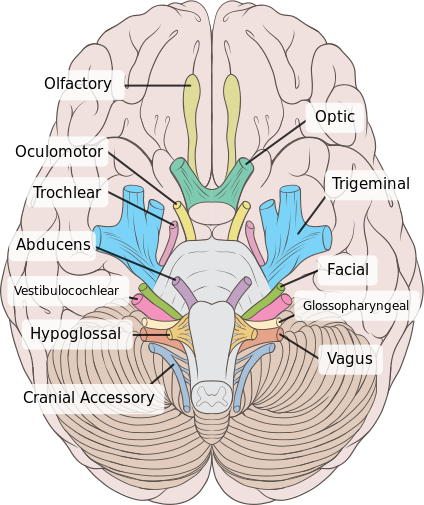
The brain is highly plastic, meaning that it can change its own shape and functionality in respone to stimuli or through direct intention. This capacity for the brain to change is referred to as brain plasticity. While absolutely everyone has experienced changing over time–from child to adult–due to the natural growth and maturity of thoughts, perceptions, and intentions, brain plasticity goes above and beyond day to day changes and provides individuals the ability to radically change according to both internal and external stimuli. In fact, in 2007, a French man was documented to be living a perfectly normal life despite missing a large portion of his original brain. Researchers analyzing the man’s brain pointed out that
…even though his remaining brain was only tiny, the neurons left over were able to still generate a theory about themselves, which means the man remained conscious of his actions.
Incredibly, the man’s brain was capable of spontaneously altering its physical makeup to account for the difference in mass as well as the ongoing brain damage. If a person can lose 90% of their brain and still function equally well as when they had 100% of their brain, this implies that the brain is far more powerful and capable of change than any of us may realize.
While the brain is capable of radically changing over a short period of time, it is also capable of changing on a moment to moment basis through the natural development of growing up. During development, different activities and experiences influence the brain to alter itself. Studies on middle age monkeys have shown increases in physical exercise leading to
histologically-quantified vascular volume in the cerebral cortex in parallel with improved performance on cognitive tests…. Such vascular changes likely contribute to activity-dependent differences observed…after training.
These changes indicate that an increase in exercise increased the learning rate. While the experiment revealed temporary results, the changes remained constant through regular exercise.
Similar to this development, practicing different activities can lead to ongoing brain development across various structures of the brain. As children,
most neurogenesis is complete by five months, with one important exception being cells in the hippocampus…. Once the neurons are formed, they begin to migrate along fibrous pathways formed by radial glial cells…. As cells… reach their destination the interaction of genes, maturation, and environmental influences increasingly steer them toward differentiating into a particular cell type.
This means that our cells go through many stages as they develop, so different effects on our brains at different stages of development can drastically change the resultant structure and functionality of the brain.
Natural Human Development and Brain Change
While humans never truly stop developing, the vast majority of our development and growth takes place when we are young, especially during puberty. As the cells in our bodies continue to develop and die off, our brains continuously develop. Because of the ongoing development of the brain, our brains are always dynamically altering themselves through improved cortical organization, which involves the cognitive processing of sensory information. According to scientists at the Department of Neuroscience in Canada,
The cells lining the subventricular zone are stem cells that remain active throughout life. These stem cells can produce neural or glial progenitor cells that can migrate into the cerebral white or gray matter, even in adulthood…. The functional role of these cells is still controversial but their generation can be influenced by many factors including experience, drugs, hormones, and injury.
Because of the versatility of brain cells, our daily experiences can change the physical brain and how it causes our bodies to respond. Studies have shown enhanced functionality of the brain when animals were placed
…in complex environments in which there is an opportunity for animals to interact with a changing sensory and social environment and to engage in far more motor activity than regular caging…. [The results have shown] increases in brain size, cortical thickness, neuron size, dendritic branching, spine density, synapses per neuron, glial numbers and complexity, and vascular arborization.
These incredible results reveal that the brain’s ability to physically alter itself in response to internal or external stimuli exists in all brains, not just humans. In fact, the study went on to show that,
Young rats [placed] for 60 days in enriched environments, [showed] changes in overall brain weight on the order of 7–10% . This increase in brain weight reflects increases in the number of glia and blood vessels, neuron soma size, dendritic elements, and synapses.
Again, these studies reiterate the brain’s proven ability to grow, become enhanced, and even alter itself in unexpected ways relative to what the environment demands.
Ways You Can Personally Change Your Brain Right Now
With the brain’s capability and ability to change, along with the brain’s natural state of constantly altering itself through physical development, incredible avenues of self change are available to all people. The following provides information on some of the most accessible and economic ways to literally alter the shape, form, and functionality of the brain and its associative psychology. If you want to alter yourself and control who you are on a day to day and year to year basis, try the following:
- Learning (school, experience, watching)
- Reading
- Meditation
- Breathing
Learn a Language
Learning a new language causes great changes in the brain. A study performed at Penn State University revealed the benefits of learning a new language by observing the creation of additional and more complex networks created by neurons. Researches of the study pointed out that in people who participated in learning a language,
…their brain networks had become better integrated, which means they’re more flexible and allows for faster and more efficient learning…those who excelled in the language lessons had more integrated networks than the brains of those who struggled, even before the experiment had begun, suggesting that they habitually sought out new things to learn and exercise their brains with.
Furthermore, this study also showed that
…language-learning participants ended up with increased density in their grey matter and that their white matter tissue had been strengthened. Grey matter is a type of neural tissue that encompasses various regions in the brain associated with muscle control, memory formation, emotions, and sensory perception such as seeing and hearing, and it’s white matter’s job to connect these grey matter regions together in the brain’s cerebrum, sort of like a train line for your brain.
This study showed that learning a new language can directly alter the brain to become more accustomed to learning new things. Amazingly, these effects were also shown to occur regardless of age, even in the case of an 84 year old.
Go Read a Book!!
Many underestimate the effects of reading, but reading can actually alter the brain significantly. The changes that reading can bring are long lasting and profound. A study published in the journal Brain Connectivity revealed the changes to the brain after simply reading a novel. The researchers pointed out that in individuals who had finished reading a novel, there was
heightened connectivity…seen in the central sulcus of the brain, the primary sensory motor region of the brain. Neurons of this region have been associated with making representations of sensation for the body, a phenomenon known as grounded cognition. Just thinking about running, for instance, can activate the neurons associated with the physical act of running.
By reading a novel, the brain is able to more realistically and efficiently simulate feeling to the body, leading to more profound states of empathy. Also, our brains are able to become more active as we practice exercising our brains through reading.
Sit Down and Meditate!
Another easily accessible way to alter the brain is through meditation. Mediating daily, even for a short period of time, can enhance emotions and awareness. It can affect
…how personally you take things and how you interact with others. It enhances compassion, allows you to see things more clearly (including yourself) and creates a sense of calm and centeredness that is indescribable.

Regular practice of meditation can create many changes. Another study found
…that the main nodes of the default-mode network…were relatively deactivated in experienced meditators across all meditation types. Furthermore, functional connectivity analysis revealed stronger coupling in experienced meditators between the posterior cingulate, dorsal anterior cingulate, and dorsolateral prefrontal cortices (regions previously implicated in self-monitoring and cognitive control)….
The study showed that through meditation, it is possible to gain more self control. Rebecca Gladding, a psychologist, further explains similar effects of meditating, pointing out that,
First, the strong, tightly held connection between the Me Center (specifically the unhelpful vmPFC) and the bodily sensation/fear centers begins to break down. As this connection withers, you will no longer assume that a bodily sensation or momentary feeling of fear means something is wrong with you or that you are the problem! This explains, in part, why anxiety decreases the more you meditate – it’s because the neural paths that link those upsetting sensations to the Me Center are decreasing.
The overcoming of these feelings allows us to see that they are merely transient feelings and helps us to not be affected by them. Another benefit of meditating is that it causes
…a heftier, healthier connection…between the Assessment Center and bodily sensation/fear centers.
So, instead of unexpected behavior during sudden feelings of fear or nervousness, through meditation, people are able to remain more rational in the way they view the situation.
Just Breathe
The easiest and most accessible method to alter the brain is through breathing. Breathing has many beneficial effects. Not only does it have the ability to calm us down, but it can also positively affect the way we think. Studies conducted by Northwestern University show the relationship between brain activity and breathing. Researchers found that for people in general,
their brain activity appeared to fluctuate in sync with their breathing. This activity was seen in three areas of the brain: the piriform (olfactory) cortex, which processes smells; the hippocampus, which controls memory; and the amygdala, which is tied to emotional processing.
However, the researchers further discovered the effects of different types of breathing and their relation to our brains. Northwestern University reported the results, quoting neurologist Christina Zelano, stating,
One of the major findings in this study is that there is a dramatic difference in brain activity in the amygdala and hippocampus during inhalation compared with exhalation….When you breathe in, we discovered you are stimulating neurons in the olfactory cortex, amygdala and hippocampus, all across the limbic system.
By controlling our rhythm of breathing, we can alter the brain to have better memory, produce more positive emotions, and retain a more positive outlook about the future. The best part is that breathing techniques can be practiced anywhere and anytime, no matter who you are.
Future Techniques to Alter the Brain
While the methods described above are accessible to anyone and everyone, there are numerous other methods of altering the brain that are only just now entering the modern technological landscape.
Brain Implants
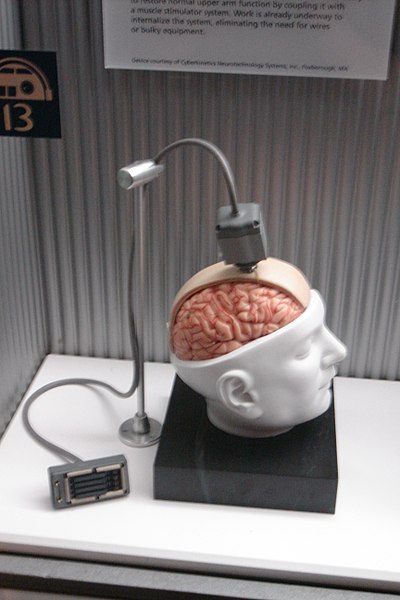
A more recent method that we can use to alter our brains is through brain implants. In the future, by having a chip or device inserted into our brains, we can alter or boost our memories and control limbs. Current research revolves around treatment for people with trauma or for paralyzed areas of their body. In a recent study, a man who had been paralyzed in an accident was able to have his arm and hand movements restored through two brain implants. The brain implants
record brain signals created when Kochevar imagines movement of his own arm and hand. The brain-computer interface extracts information from the brain signals about what movements he intends to make, then passes the information to command the electrical stimulation system.
Not only can these implants help people gain more independence, but they can boost our memories. Scientists have tested brain implants that opened up many possibilities to improvement of memory through the devices. The New York Times explains how
The device works like a pacemaker, sending electrical pulses to aid the brain when it is struggling to store new information, but remaining quiet when it senses that the brain is functioning well. [A study reported that the devices] improved word recall by 15 percent — roughly the amount that Alzheimer’s disease steals over two and half years.
Brain Uploads
Another future possibility that could be accessible to us in the far future is brain uploads. Researchers are interested in uploading memories or personalities to a computer. Eventually this could lead to the creation of incorruptible bodies that would have the same memories and personalities as us. Already there has been a company, Nectome, that tried to preserve memories from the brain after death. MIT, which aided Nectrome, stated that they withdrew from their contract because
Neuroscience has not sufficiently advanced to the point where we know whether any brain preservation method is powerful enough to preserve all the different kinds of biomolecules related to memory and the mind. It is also not known whether it is possible to recreate a person’s consciousness.
This is an extremely exciting possibility that could very well be the world of tomorrow if research continues, despite the pitfalls.
Adding, Removing, or Altering Memories
Experiments on mice have shown that changing past memories is a possibility as well. MIT has done an experiment where they successfully change a fearful memory to a cheerful one. In the study,
Male mice were given a negative experience…and the neurons working to store that memory were labelled using ‘optogenetics’. This is a technique…installs a switch in those neurons, allowing them to be turned on by will [by a blue light].
The results of the study showed the mice to be more fearful in the room associated with their negative experiences without the simulation. However, once the mice were stimulated, they immediately felt more at ease. The researchers further predict that
…a place memory, stored in brain cells of the hippocampus, can “call up” different sets of neurons in the amygdala, invoking either good or bad emotions – and their experiments tweaked that wiring, so that the original memory produced an altered emotional response.
Genetic Manipulation
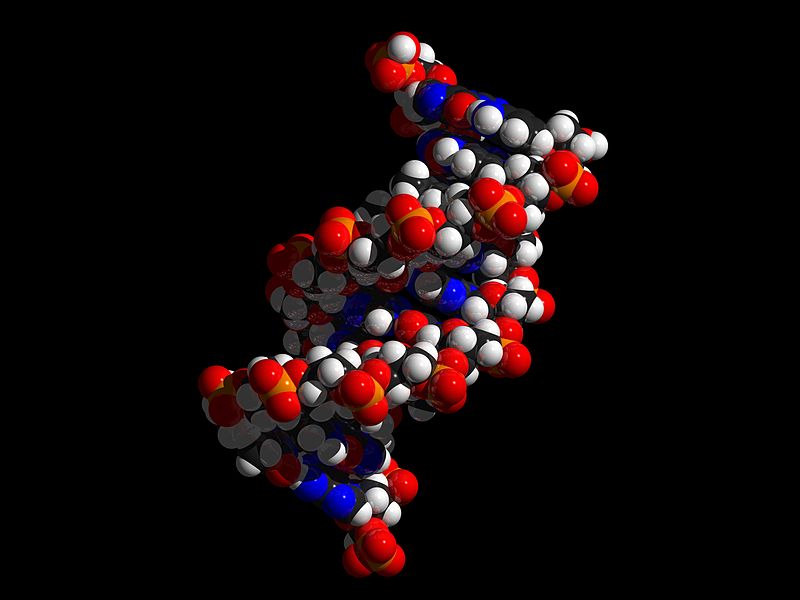
A genetic alteration is a method to alter our brains in the near future involving the direct manipulation of a person’s genetic code. UT Southwestern Medical Center Investigators were able to find an alteration that could enhance our brains. The researchers tested the deletion of a gene code on mice and discovered that the mice with the gene alteration
…formed more neurons over time…[and]…required much lower amounts of anti-depressants to counteract the effects of stress.
This manipulation that increases the number of brain cells enhanced the effect of antidepressants. This change can lead to decrease in the amount of necessary antidepressants for future generations. The change also had
…anti-depressive and anti-anxiety effects of its own that continue over time.
-
Misshapen Food Waste: It’s What’s Inside That Counts

When I was strapped for cash and working in a little town on the East-coast of Australia, I found ways to cut my budget. On my way to the local supermarket, I ambled past a little stall full of fresh bunches of bananas going for 99 cents a kilo. Just down the road in the supermarket, another bunch was being sold for over twice the amount, but what was the difference between the two? Being a lover of fruit and curious, I purchased both.
Well, when I peeled a banana from each bunch, there was no difference. In fact, the cheaper bunch tasted much more delicious since it had been picked fresh that day from the local banana farm. However, the contrast was apparent from the outside.
The supermarket bunch was all the same size, length and colour. The stall bunch was slightly misshapen, with a few green patches, a little less pleasing to the eye but all the more tasty. Needless to say the stall did very well out of me over the following few weeks as in my opinion, their bananas were of greater value for money.
This led me to wonder what on earth has happened to this society. Have we become so fussy that we now discard produce that does not meet our ‘aesthetically pleasing ‘standards, despite being perfectly edible?
Taste not waste
It’s no surprise that we live in a wasteful society. As the world’s population grows, so does the demand for convenience food. Huge supermarket chains are taking over the food industry to supply us with perfect packaged goods. We have become so disconnected from where our food comes from that any fruit or vegetable that looks slightly askew with a few little blemishes, becomes unworthy of our dinner plates. The supermarkets don’t make a profit from these unmarketable misfits, so they are removed before they even hit the shelves.
As stated on thinkeatsave.org –
Nearly 1/2 of all fruit & vegetables produced globally are wasted each year. Global quantitative food waste per year are roughly 30 per cent for cereals, 40-50 per cent for root crops, fruits and vegetables, 20 per cent for oil seeds, meat and dairy plus 30 per cent for fish. Fruits and vegetables, plus roots and tubers have the highest wastage rates of any food.
In recent years, regulations on the appearance of produce have been loosened for suppliers and retailers. On July 1st 2009, the EU simplified the rules, allowing twenty-six types of fruits and vegetables to be covered by general marketing standards, meaning retailers may market them all equally despite some being misshapen.
The European parliament aims to half food waste by 2025 by targeting not only irregular shaped produce but how they are grown, processed, marketed and consumed within every household. First, however, individuals’ awareness and attitudes have to change in order for these improvements to be a success. If we can get the consumer to value the product, then the demand shall grow.
Beauty is in the eye of the consumer
Although steps have been made to give misshapen fruits and vegetables a deserved place on our supermarket shelves, they are still the last ones to be picked, if picked at all. The cosmetically flawless produce still entices the customer more, leaving the blemished ones seem as if they are not fit to be eaten. But what if the unlucky leftovers were given a name and their own unique marketing edge? That was exactly how “Inglorious fruits and vegetables” was born.
Since the European Union voted to make 2014 the “European year against food waste”, Intermarche, the third largest supermarket chain in France, decided to see what would happen if they bought and sold the produce that was normally thrown out by their growers. They gave them their own aisle and a 30% discount to encourage buyers.
Not only did they reduce the price, they came up with catchy and comical names for the stars of the Inglorious fruits and vegetables campaign. The “grotesque apple,” the “ugly carrot” and the “hideous orange” were three of seven celebrity veggies and fruits to star in their own advert.
The two day experiment was a massive success, selling out 1.2 tons of inglorious produce and consequently saving food and money. The campaign is continuing with a line of juice and soups to show people that they are no different from the perfect looking foods.
This clever initiative increased the public’s awareness of food waste. It had a huge impact on the media and ignited discussions on social networking sites. Since the campaign was launched it has inspired many across the globe to take on this fresh and healthy approach to food waste.
A global issue
Doug Rauch, the former president of the Trader Joe’s Company, is launching the Daily Table, a grocery store situated in Roxbury, Boston, a known place of low income and desperation. His plan is to salvage unwanted foods from grocery stores and sell to customers who otherwise would not get the opportunity to access them.
A study from the United States Department of Agriculture states –

http://shrinkthatfootprint.com/ The estimated total value of food loss at the retail and consumer levels in the United States was $161.6 billion in 2010. In developed countries like the United States, a relatively larger share of food loss occurs at the consumer end of the spectrum. Food accounts for a relatively smaller share of household incomes, and consumers typically demand a wide variety of high-quality, cosmetically appealing, and convenient foods. As a result, blemished, misshapen, or wrong-sized foods are often discarded to meet minimum quality standards.
After three decades in the grocery business and seeing firsthand the effect of America’s food waste contribution, Rauch retired four years ago to find a solution to the problem he has devoted so much time to.
In the near future I hope to see such creative ideas in every supermarket chain. Saving not only precious food but money for the growers, stores and consumers, I can’t see how this idea could fail. Now is the time for us to take action on the world’s waste issues and shed our shallow beliefs on misshapen produce. After all, none of us are perfect, so why does our food have to be?
http://bellaonthebeach.wordpress.com/ Sources:
http://ec.europa.eu/agriculture/fruit-and-vegetables/marketing-standards/index_en.htm
http://www.eufic.org/article/en/artid/How-to-minimise-food-waste/
http://www.thinkeatsave.org/index.php/fast-facts-related-resources
https://www.intermarche.com/home/prospectus-et-promotions.html
http://ec.europa.eu/food/food/sustainability/index_en.htm
https://www.youtube.com/watch?v=p2nSECWq_PE
-
Study Identifies Gene Potentially Responsible for Human Language

http://www.nist.gov/oles/forensics/images/DNA-Strand.jpg A recent study in neuroscience suggests that a gene mutation which arose over half a million years ago could be the key to the unique ability that humans have to both produce and understand speech. The study, published in Proceedings of the National Academy of Sciences was conducted by Christiane Schreiweis, a former visiting graduate student at MIT and Ulrich Bornschein of the Max Planck Institute for Evolutionary Anthropology in Germany.
What the researchers from MIT and the other European universities which took part in the study suggest is that the human version of a gene named FOXP2 facilitates transforming new experiences into routine procedures. When mice were engineered to express humanized FOXP2, they learned how to run a maze visibly faster than normal mice.
What the findings also show is that FOXP2 is potentially responsible for helping humans by influencing a key component used in learning languages. This component is the transformation of experiences (such as hearing the word ‘glass’ when being shown a glass of water) into a nearly automatic association of the word, with objects looking and functioning like glasses. According to Ann Graybiel, an MIT Institute Professor, member of MIT McGovern Institute for Brain Research and senior author of the study,
This really is an important brick in the wall saying that the form of the gene that allowed us to speak may have something to do with a special kind of learning, which takes us from having to make conscious associations in order to act to a nearly automatic-pilot way of acting based on the cues around us,’ the researcher declared.
It is known that all animal species communicate with each other, but only humans have the singular ability of generating and comprehending a proper language. FOXP2 is one of the numerous genes which scientists think might have contributed to the development of human linguistic skills. The FOXP2 gene was first identified in a group of family members (known as the KE family) who experienced severe difficulties in both speaking and understanding speech – they were found to carry a mutated version of this gene.
It was in 2009 when Svante Pääbo, director of the Max Planck Institute for Evolutionary Anthropology, engineered mice to express the human form of FOXP2, along with his team of researchers. The FOXP2 gene encodes a protein which is different from the mouse version by only two amino acids. The team found that the mice’s slender extensions in the striatum which neurons use to communicate with each other, called dendrites, were actually longer. (The striatum is a part of the brain which is responsible for habit formation). The mice were found to be better than humans at forming new synapses as well.
FOXP2 produces a protein that functions like a transcription factor, which means that it has the possibility to turn other genes on and off. The present study found that this gene appears to turn on genes involved in the regulation of synaptic connections in between neurons. Another finding of the research is that the dopamine activity in a part of the striatum involved in forming procedures is enhanced by the gene. Consequently, the neurons of stiatal regions could be turned off for longer periods in response to prolonged activation, known as long-term depression, which is allocated to learning new tasks and memory formation.
Svante Pääbo is an author of the new PNAS paper as well, while Enard and Graybiel are responsible for the striatum part of the study and the analysis of behavioral effects of replacing FOXP2. As mentioned earlier, the mice with humanized FOXP2 were better at learning to run a T-shaped maze, where mice have to make the decision to turn left or right at a T-shaped junction, based on the texture of the maze floor, in order to earn a food reward.
Collectively, the changes help with tuning the brain distinctly in order to adapt it to speech and language acquisition, according to the researchers. What they are investigating now is whether FOXP2 can interact with other genes to produce its effects on learning and language in other areas. According to Genevieve Konopka, assistand professor of neuroscience at the University of Texas.
‘The study provides new ways to think about the evolution of FOXP2 function in the brain. It suggests that human FOXP2 facilitates learning that has been conducive for the emergence of speech and language in humans. The observed differences in dopamine levels and long-term depression in a region-specific manner are also striking and begin to provide mechanistic details of how the molecular evolution of one gene might lead to alterations in behavior.
Nancy Lurie Marks Family Foundation, The Simons Foundation Autism Research Initiative, The National Institutes of Health, the Wellcome Trust, the Fondation pour la Recherche Medicale and the Max Planck Society are the major organizations to have funded this research.

londonfuse.ca Sources:
http://www.pnas.org/content/early/2014/09/11/1414542111
http://www.zmescience.com/research/chimp-gesture-translated-54254/
http://en.wikipedia.org/wiki/KE_family
http://www.sciencedirect.com/science/article/pii/S009286740900378X
Wonder about your world…

Take the plunge down the rabbit hole of insanity and wonder in this fast-paced, nonstop psychological thriller that will leave you questioning the very nature of reality and beyond. Part thriller, part romance, part existential horror, A Dream of Waking Life delves into lucid dreaming, psychedelics, existential ontology, video games, the nature of love, the nature of reality, and more.

Mendel’s Ladder delivers an adrenaline-fueled journey set on a dystopian future Earth, brimming with high-stakes action, adventure, and mystery. This epic series opener plunges readers into a world filled with diverse cultures, heart-pounding battles, and characters who will captivate your heart and imagination.

“E.S. Fein is raising the bar for quality as it’s a very well-written and thought-provoking book…There are points and themes in the story that could be discussed for eons as people will have their own idea on where it leads. It’s a book I would highly recommend.” – Andy Whitaker, SFCrowsnest



 Wondergressive
