Are you awake? Is your reality real? Are you sure?
Take the plunge down the rabbit hole of insanity and wonder in this fast-paced, nonstop psychological thriller that will leave you questioning the very nature of reality and beyond. Part thriller, part romance, part existential horror, A Dream of Waking Life delves into lucid dreaming, psychedelics, existential ontology, video games, the nature of love, the nature of reality, and more.
Outlast. Outgrow. Outlive. In the ashes of Earth, evolution is the ultimate weapon.
Mendel’s Ladder delivers an adrenaline-fueled journey set on a dystopian future Earth, brimming with high-stakes action, adventure, and mystery. This epic series opener plunges readers into a world filled with diverse cultures, heart-pounding battles, and characters who will captivate your heart and imagination.
Embark on a cosmic mystery spanning all of spacetime and beyond to discover the very nature of reality’s multilayered foundations.
“E.S. Fein is raising the bar for quality as it’s a very well-written and thought-provoking book…There are points and themes in the story that could be discussed for eons as people will have their own idea on where it leads. It’s a book I would highly recommend.” – Andy Whitaker, SFCrowsnest
Earth itself is one of the best secret-keepers known to man. There are countless mysteries under its outer shell, but slowly, scientists are uncovering them. In the past few years, scientists have discovered pockets of water trapped beneath the oceans. Not only this, but they have also found evidence to support the theory of hidden oceans under Earth’s mantle. When I talk about these hidden oceans, I am not saying they are the conventional large body of water. These oceans are much different than the ones you can snorkel and scuba dive in. Right about now, you are probably wondering, “how is it possible? How did they find them? Why did it take so long? Why is this even important?” Finally, scientists are able to answer your questions with real concrete evidence.
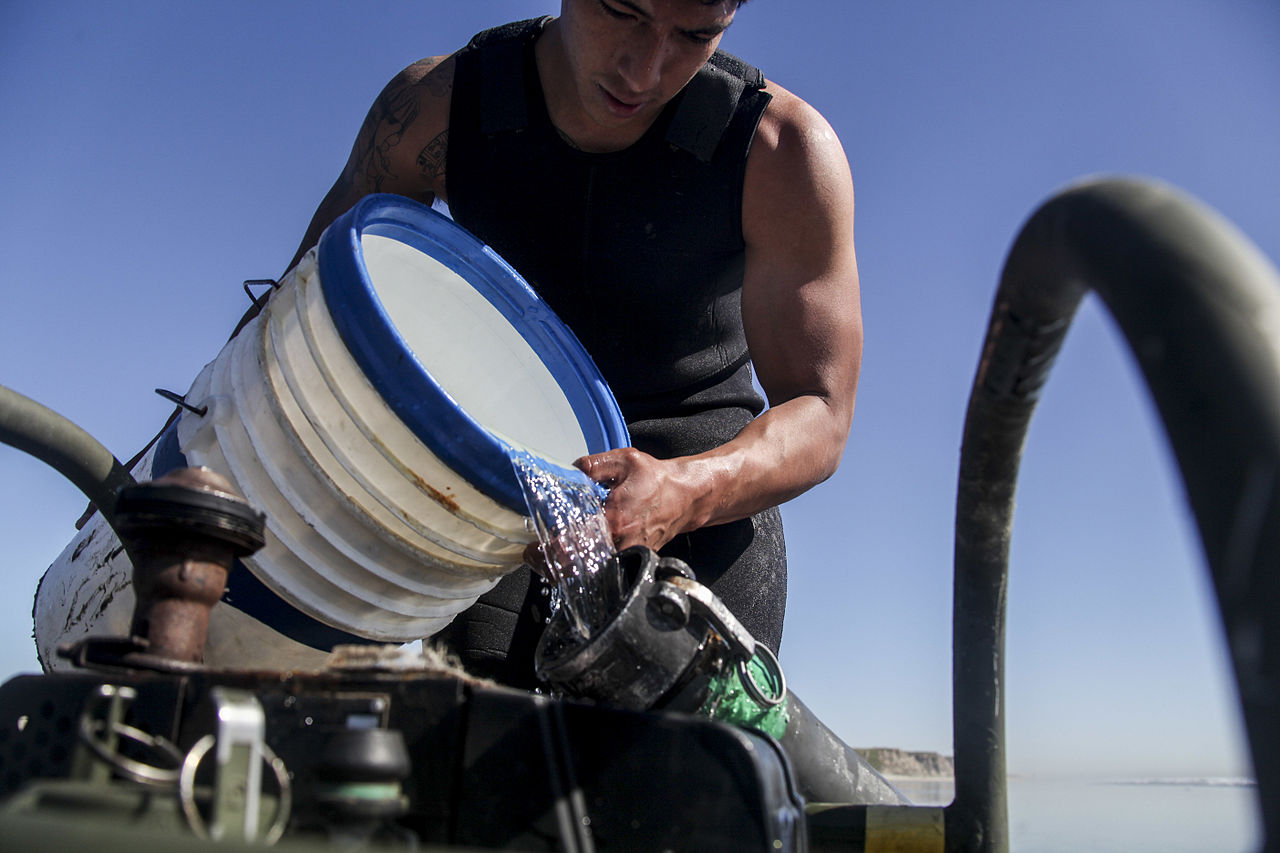
This may all seem like a fantasy, but aquifers are now a reality. Aquifers are water-bearing sediments in the oceans, also referred to as water pockets. The reason they are called water pockets instead of ocean pockets is that the waters are two different solidities, two different colors, and two different types. These pockets are not made of Salt water, but rather Fresh water. The pockets were discovered a while ago when a drilling team in search of oil had mistakenly run into them, releasing bits of Fresh water into the sea. Since then, marine biologists have found many more, mainly under the Atlantic ocean. These water pockets are not a few cubic kilometers, but rather 2,800 cubic kilometers. To gain a better perspective, this is nearly equivalent to six Lake Eries. This specific aquifer was found by marine biologists. They perform a technique which uses Electromagnetic(EM) receivers to measure the current in waters. This is applicable in finding Fresh water because it is commonly known that Salt water is a much better conductor than Fresh water. When they notice a fall in current, they know they have found another aquifer. How these pockets were formed is a much deeper question. It is expected this water has been hidden from society since way back during the Pleistocene Ice Age. Our knowledge of aquifers has been around for tens of years, but recently we have taken a deeper interest, which has directly led to our better understanding.
As we continue researching these aquifers, we are slowly realizing how much of a role they may play in our future. It is common knowledge many countries around the globe are suffering from water shortages. According to the World Health Organization (WHO),
Some 2.2 billion people around the world do not have safely managed* drinking water services…
To allow a better understanding, this is roughly one in three people internationally. By 2025, it is expected half of Earth’s population will suffer from the water crisis. The water shortages around the globe are unreasonably harmful as they have also led 4.2 billion humans to lack of sanitation services. Yes, that is more than half of the population. When lacking sanitation, humans are at an exponentially higher risk for countless diseases ranging from Cholera to Diarrhea. Aquifers could very well be the solution to our woes. If Oceanic scientists continue discovering these aquifers, it would be logical to develop a technique in order to properly harness most if not all of this Fresh water. Once we do develop proper technique to harness the water, we move to the desalination step. Yes, yes, I did say it was Fresh water, so it should not need desalination; in this particular scenario, desalination is required. Since the Fresh water has been trapped below or near Salt water for nearly 2.6 million years, Salt water was able to slowly mix in with the Fresh water. This means the Fresh water does have some salt, therefore needs to be desalinated before drinking. Although desalination plants cost a hefty amount of cash, the bright side about this water is there is a much lower amount of salt, meaning the desalination of this water will be for less time and much less money. Aquifers will soon be the driving force in our efforts to reduce the impact of the water crisis.
Although aquifers are relatively old, the theory of oceans under Earth’s mantle is fairly new. The path to this discovery is very odd, but there is a connection. Deep down in Earth’s mantle, Richard Siemens and his research team from the University of Alberta have found diamonds. These are no ordinary diamonds, as they are water-based. When I say water-based, it’s not liquid water trapped in diamonds, but rather the elements which make up water (oxygen and hydrogen), are trapped in diamonds. Due to convection in Earth, where hot magma rises and cool sediment sinks underneath, the water from the diamonds is pulled out and pushed under hot magma. Once the elements are under the magma they begin to warm and bind, resulting in liquid water we are used to seeing. When researchers from the University of Nevada, Las Vegas decided to continue the diamond experiment, they found a very unique set of diamonds containing little bits of a particular type of water, Ice VII, better known as water-ice. Water-ice is a crystalline form of ice formed when water is put above 3 GPa (30,000 atmospheres). Ice VII is important because it fully supports and proves the theory of aqueous pockets under Earth’s mantle.
Aqueous pockets, unlike aquifers, leave an impact on the past instead of the future. It is the common theory by thousands of scientists that there was a large icy comet that had crashed into Earth, which had later melted and formed oceans. This is the common belief because when Earth was forming, it was most likely too hot for any water molecules to survive and cling to any space dust which would eventually become Earth. The newly found aquifers may finally provide a sustainable contradicting theory. The volume of water under Earth’s mantle is expected to be three times that of the surface water. This is much more water than an icy comet could have ever brought down. This means the water on Earth might have come from somewhere else: aquifers. The new theory of how this water came is a massive earthquake that allowed water to slowly seep through the crust and make up the ocean in the given time frame. Some of the water may have taken a much longer route and seeped through more rock. This is the expected path for Fresh water, as rocks serve as a natural filter. Who would have expected a diamond experiment would lead to the altering of a long-lasting belief in the science community.
For thousands of years, human nature has been to explore. This is precisely what we have done on both these occasions. The water shortage is growing at a large rate, meaning we need to continue finding these aquifers at an even higher rate. Aqueous pockets are still relatively new, but in the near future, progress will come. Both discoveries will take their place in history and mark their icy comet mark on both the past and the future. Earth has previously shown it holds countless secrets, and it is our job to continue uncovering them if development is our goal.
The human body is a very intricate and complex design. Keeping it healthy is what we stride and hope for in order to live a longer life. Diseases and pathogens hurt our human body, which ultimately hurts our way of life. One of these diseases is cancer. Cancer is a very dangerous disease that threatens all human bodies. About 10 million people every year die from cancer, making it a leading cause of death. If cancer is this deadly, it’s important to learn about it and how you can get it.
Cancer starts and ends in the human cells. The disease heavily affects these cells and harms the body. In a healthy human body, human cells grow and then divide to form new cells, which is a process called mitosis and meiosis. In a body affected by cancer, however, old cells survive when they should die, and they keep dividing to create more unnecessary cells. These cells are called cancer cells, and they form together to create tumors. There are two different types of tumors: benign and malignant. Benign tumors mean the tumor cannot spread and when it is removed, it will probably not grow back. Benign tumors are easier to handle and sometimes don’t even need to be removed if they aren’t hurting the body. Malignant tumors, on the other hand, can spread to different parts of the body to form new tumors, making it harder to get rid of.
One deadly trait of cancer is that wherever there are cells, cancer can affect it. This makes virtually every part of the body vulnerable to the disease. Depending on the type of cancer, which usually is named in the location of the body it is in, it hurts the body in different ways. For example, lung cancer blocks off part of the lung which doesn’t allow you to inhale the amount of oxygen you need. Brain cancer means a tumor forms in the brain, which can hurt different parts of the brain serving different functions for the body. In these types of cancers and hundreds of others like liver cancer or throat cancer, the tumor is a solid object in the body. In blood cancer, more commonly called leukemia, the tumor is not in a solid state. Starting in the bone marrow, when abnormal cells start growing out of control, also called white blood cells, they interrupt the function of normal blood cells. There are then different types of blood cancers, but leukemia is the most common.
Learning about cancer is important, but understanding how it functions and your chances of getting it may be even more important to you. The main reason why most people get cancer is from genetics. A person’s parents, grandparents, and further ancestors may have had genes that make them more prone to cancer, which makes it more likely for them to also develop cancer compared to other people. There is no solution to avoid genetics, but a person might be tested for any cancer genes, which gives doctors a head start on their cancer therapy. However, one way people can try to avoid cancer is by limiting their exposure to radiation.
Radiation and Cancer
Radiation of high wavelengths has been proven to cause cancer and is widely accepted science. This type of radiation, called ionizing radiation, has enough energy to damage a person’s DNA. The radiation can ultimately disassemble the atoms in the body, which causes the DNA damage in the cells. A lot of side effects can arise from this happening, with a main one being cancer. There are different ways you can be exposed to ionizing radiation. Radon, x-rays and gamma rays are all sources of ionizing radiation harmful to the body. The most likely way to be exposed to gamma rays is from accidents at nuclear power plants or when atomic weapons are made, tested, or used. X-rays like CT scans and MRIs also give out high levels of radiation, but it is very unlikely that you will develop cancer from it. Lastly, radon is a type of radiation which very often gets overlooked for the wrong reasons. Radon, which can be found in your own home as a gas, can create harmful levels of radiation, which is why it’s important to check for it in your own home. The government doesn’t recognize radon as a serious health hazard in homes currently, despite the science. Checking for radon in your home is free and a major step towards lowering the risks for cancer. Another type of radiation is UV radiation from the sun and tanning beds. This can cause skin cancer in the body, and has a simple solution of just using sunscreen and/or not tanning frequently. A type of radiation which CANNOT cause cancer is 5G cell phone towers. The radiation these towers give out is non-ionizing radiation, the same type of radiation radios and microwaves give out. There has been absolutely no evidence of cell phone towers causing cancer, nor is it even possible for this to happen since this type of radiation does not ionize atoms.
Now, if you do get cancer, it doesn’t mean you will definitely die. Cancer is a very serious issue, but thanks to recent developments and new technologies, we know a lot more about preventing and treating it. However, there still is not one universal cure to cancer which removes it and ensures it doesn’t come back. It’s also important to remember that we all have cells which can potentially become cancerous from damaged DNA. Most of the time though, your body just kills the cell through programmed cell death, or apoptosis. There are different types of treatments based on the path you want to take. Some treatments may be to remove the entire tumor while others may be to help the body cope with the cancer. The most common procedure is surgery, which is usually used to remove as much of the tumor as possible, if not the entire thing. Chemotherapy is another option, which is the method of using drugs to kill cancer cells. And just like how it can cause cancer, radiation can also remove cancer by using high-powered energy beams to kill cancer cells. Many other treatments also exist, like bone marrow transplant or targeted drug therapy. Thousands of clinical trials are also taking place to find new ways to cure cancer.
The future holds many different ideas on the cure to cancer. The clinical trials taking place and new technologies scientists develop continue to help doctors in removing and preventing the development of cancer in patients. Gene therapy and gene editing are two ways which have been in clinical trials for many years. Gene therapy is the idea of guiding the body’s immune cells to directly attack the cancer cells. Gene editing is where we edit humans’ RNA to remove genes which can cause cancer. There’s a lot of research which goes into these ideas because scientists have to find new cells and genes which show potential to cause cancer. A very interesting idea is using and studying animal cells. Animals, like whales and elephants, have the same risk, or maybe even lower, than smaller animals like chihuahuas. This is odd because larger creatures tend to have bigger tumors and higher risks of dying to cancer. An animal like an elephant should be riddled with tumors across the body, but they are always cancer free. Studying elephants and other animals’ cells may give us an insight on medicine for humans.
The most important thing to remember is to seek the treatment needed if you think you might have cancer or have a genetic history of cancer. Cancer is a very deadly disease, which can turn a lot worse pretty quickly. The one good thing is that our knowledge of the disease increases every day. Maybe even one day a universal cure might be discovered. All we can do right now is educate ourselves and take all the precautions we can in the fight against cancer.
Unrest in Minneapolis over the May 25th death of George Floyd. [[File:2020 Minneapolis Unrest – 49953744417.jpg|thumb|2020 Minneapolis Unrest – 49953744417]]2020 will definitely be a year written down in the history books. Events like the COVID-19 pandemic, the Black Lives Matter (BLM) movement, the 2020 election (and maybe even more to come) all show that 2020 is one of the most eventful years in the recent history of not only America, but mankind as well. This year is definitely impacting countries all around the globe, but the spotlight is shining right on the United States. The U.S. was hit hard with both the COVID-19 pandemic and the BLM Movement. On top of that, 2020 is an election year, which makes almost everything our government does a political move. The events which transpired in 2020 and the way the United States handled these events will tarnish the country’s reputation as the hegemony of the world for many years to come.
Coronavirus, a highly infectious respiratory virus, has uprooted almost all of our lives. During the months of December – February, the coronavirus was hardly mentioned in our country. America acted as if nothing could touch them. This overconfidence, as we all know, very quickly turned into neglect, and finally into fear. As of June 2020, there have been a confirmed number of 2.14 million cases and 117,000 deaths in the United States attributed to Covid-19. Other countries have nowhere near the amount of cases and deaths we have; even densely populated countries like India and China are doing much better than us. So, what exactly did we do wrong?
First of all, we weren’t prepared to handle a crisis like this, mostly because we didn’t have any experience handling this type of crisis in our recent past. A country which did a great job at handling the outbreak was South Korea. When the virus broke into the U.S. and almost everywhere around the world (March – April), testing was the first-hand priority of every country. The United States struggled with testing, while South Korea was already sending out testing kits for people to do at their own homes. In mid-March, the U.S. and South Korea had the same number of coronavirus-caused fatalities—approximately 90, but in April, South Korea lost a total of 85 souls to COVID-19, while the U.S. lost 62,000. Though the population of the U.S. is six times greater than South Korea, a very wide margin is still there between the two nations. However, it’s not just that the U.S. was extremely inferior to the leaders of South Korea, but South Korea had experience dealing with this situation before. In 2015, a viral respiratory infection called MERS caused an outbreak in South Korea. The virus spread quickly, with the majority of it spreading in hospitals. After the outbreak, South Korea decided to change their laws in order to be better prepared for a situation like this, and they were exactly right in doing so.
Another problem the U.S. had in responding to the coronavirus was the seriousness and aggressiveness they attacked the virus with. The country where the virus appeared, China, had a very low number of cases despite its population and population density being much higher than America (though there are reports which believe the numbers are low balled by the Chinese government). Despite those reports, it does make sense why these case numbers are so low. China immediately locked their cities down, with Wuhan being the first city locked down on January 23. In our case, President Donald Trump did not seem in full support of a lockdown, which may have put more citizens in danger. A study by Columbia University estimated that around 83% of deaths could have been avoided if measures had been taken two weeks earlier around March 1st. Even New York’s governor, Andrew Cuomo, who was one of the first governors to place a lockdown on their state, said,
If this country knew more and knew it earlier we could have saved many more lives.
Along with this deadly pandemic, another major event was (and is still currently) taking place: the Black Lives Matter movement. While the movement had existed for nearly a decade before 2020, it surged in popularity in 2020. On May 25, 2020, a 46 year old man in Minneapolis named George Floyd died at the hands of a police officer. All the unrest which had built up in the black community about police brutality and racism had finally come to light, like a volcano sitting over the years waiting to finally explode. Protests demanding police accountability broke out all across the world, but along with peaceful protests, there were also riots and lootings. Athletes, musicians, politicians and more all had words to say about this movement. However, the thing which makes this situation so complicated is that there aren’t just two viewpoints here. The situation basically creates four general parties: protesters, rioters, police, and politicians.
Although the BLM movement is taking place all over the world, the United States is where it has been its strongest. These protests were bound to happen due to the country’s history. Striving to end slavery, abolitionists with President Lincoln sparked a change in the country, causing the country to divide and eventually break out into a Civil War. Years later, Martin Luther King and other civil rights activists made a change in the civil rights of African Americans. Both times, peaceful protests and violence were both there. If the BLM movement continues to surge, it will take place as another major event for the equality of African Americans. America has to handle this in the right way in order to allow little to none violence and to bring the country together.
The politicians are where the change has to start. Politicians run this country, and lately, they have been doing a terrible job. To start first on a smaller scale: the governors of states have to end the looting and riots, but in a careful manner, so that the police don’t look worse in harming people. According to Keefe, Bruyette & Woods analyst Meyer Shields,
the losses (the damage from riots) will combine with losses related to COVID-19 claims and property damage from a predicted above-average hurricane season to amount to a ‘capital event’ for some reinsurers.
Also, during the fall months, masks may also become a necessity with the threat of another COVID-19 spike. However, the protesters and those supporting the BLM movement also have to understand some things in the long run for America.
[[File:Man exchanges words with police outside the 3rd precinct (49945992677).jpg|thumb|Man exchanges words with police outside the 3rd precinct (49945992677)]]The human mind is a very free-willing and independent creature. A regular person can think of the most atrocious ideas in the world, but it will never matter because it is his own thoughts. The important thing to remember is to let your brain think some more of the different outcomes before you do every idea which pops in your head. The same idea can be used with regards to racism. Racism and bias will always be there in every mind all around the world. However, it is very important for a person to not let those bad thoughts spread further than your own atmosphere. Especially for a job like a police officer, bias can’t be the thought process behind your actions, like Derek Chauvin, who killed George Floyd. Another thought is that there was no racist act done by Derek Chauvin. If it was a white woman or an Asian male, would it still have been a racist act? The bottom line is that the action never should’ve taken place, which is what America needs to fix to get back on top.
Politics, as we already talked about, are a major component of running this country. In order for the United States to reclaim their title on the world, a strong leader has to be able to connect with the black community and support the BLM movement while also standing with the police. The position which gives a person the most support for this to happen is the president. Times are different now, which makes it very unlikely for a leader with no political power to step up, like Martin Luther King or Malcom X. The most important power a president has is the name itself. However, the two major candidates up for election, Donald Trump and Joe Biden, don’t have what it takes to fill that role.
Donald Trump has already shown he shouldn’t be re-elected for another term. Just focusing on his actions in 2020, the coronavirus pandemic should’ve been addressed weeks before he took action. He also gave the impression of continuously undermining this pandemic with words, like
It’s going to disappear. One day it’s like a miracle—it will disappear,
and his actions, such as not wearing a mask in public. He’s also stated that there will be no lockdown or any type of action taken if there is a second coronavirus spike. The problem is that if he thinks and acts this way, a lot of his followers do too, which allows the pandemic to grow. Also, we all know the endless ridiculous statements he has made over the years. But a major takeaway any person can see from just one speech of President Trump is that he’s ignorant and rude to anyone who disagrees with him. A leader like this will not bring the country together, but will only divide it even more.
Joe Biden is also not a candidate fit to lead this country out of the hole it has dug itself into. One of the major reasons for this is the notorious 1994 crime law, which Joe Biden helped write and majorly supported. The 1994 crime law was a way for Democrats to address the rising high crime and violence. There were some beneficial acts the crime law had, like the Violence Against Women Act, to provide more resources on domestic violence and rape, and a provision to help fund background checks for guns. However, what it really did was hurt African Americans disproportionality when it came to sentencing and trials. One thing the law did was impose harsh new penalties for justice-involved youth. According to the Center for American Progress,
The crime bill allowed prosecutors to charge 13-year-old children as adults for certain crimes. As a result, today, two-thirds of Americans who were sentenced to life in prison as juveniles are black.
Joe Biden is still in agreement with this law and brings it up many times to promote his campaign, which still shows his “tough on crime” attitude, and that doesn’t boil over well to the BLM movement and their community. Either Joe Biden or Donald Trump will be our next president, which means four years of the U.S. being number 2 or 3 or even worse in the world compared to other countries like China or South Korea. If Joe Biden is voted president, and a strong republican cannot compete with Biden, then another four years goes by for American citizens. This cycle will keep happening unless a president comes into office with the mindset of tackling these issues head on and no longer depending on failed tradition.
The dominance of the United States will undoubtedly be shaken after 2020, but it’s not just the events of 2020 which will ruin the supremacy of the country. The U.S. has been making major mistakes since it claimed its spot as the global hegemon after World War 2. The events of 2020 just show the mistakes the country has been making over and over and over again: poor leadership and racism. These next few years may also have people thinking of restructuring the U.S. government, which may be the change America needs. Nonetheless, the United States will definitely be paying the price for these mistakes and so will its citizens.
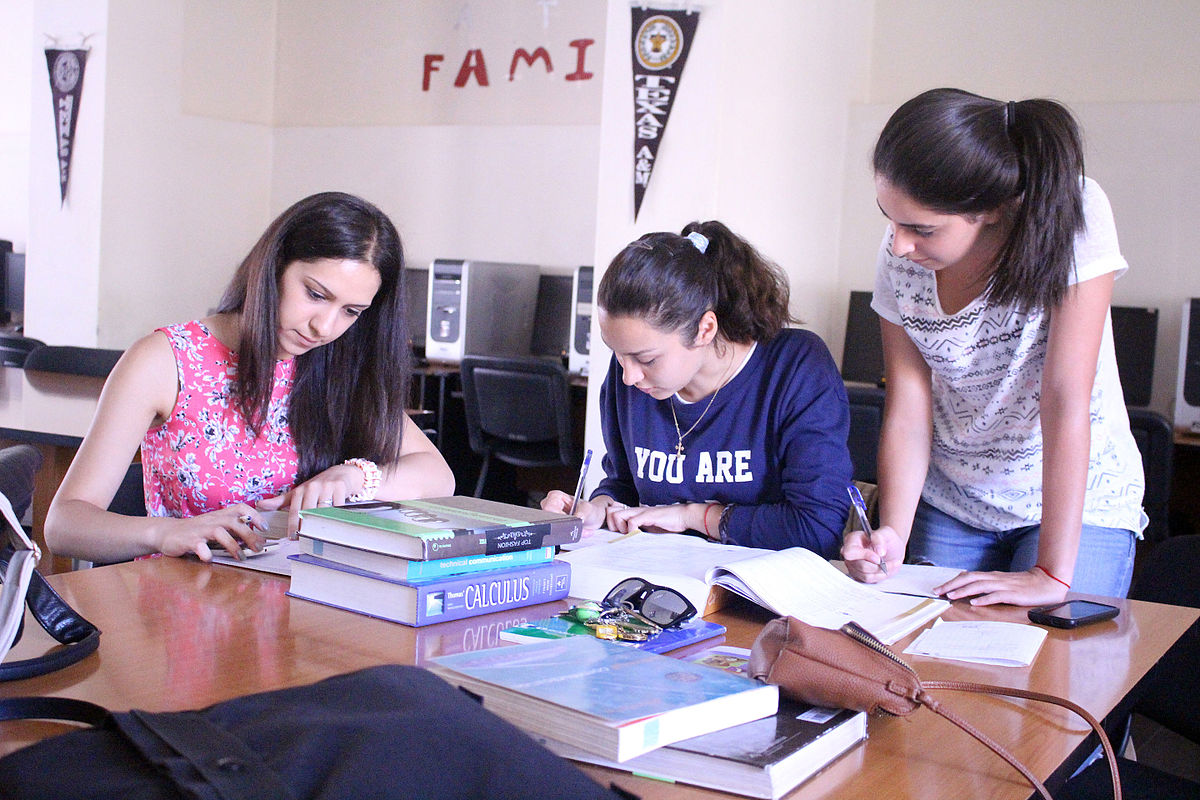
The next generation of the human race is currently enrolled in a 7-hours-per-day, 5-days-a-week program: school. In a single year, students spend about 1,200 hours in school alone. Since students spend much of their time in this educational program, schools need to make sure they are teaching most effectively during this period of time. The normal schooling methods used since 1837, way back when traditional schooling was first thought of, has always favored the use of memorization over application, but this has led to systematic harm of many futures for nearly 180 years. The methods of teaching need to take a turn towards application and understanding if the futures of young minds is in our best interest.
To truly understand this change, you must understand what the starting point, memorization, truly is. Memorization is the process that one follows to preserve knowledge to later on recall it. Memorization plays a large role in modern and past techniques of learning. The use of memorization in classes ranges from memorizing formulas to memorizing the parts of a cell. Although it’s sometimes easy to remember small bits, it’s also very common to forget them. According to an article related to memory, medically reviewed by Daniel B. Block, MD, one reason humans forget is motivated forgetting. This means if a student isn’t given a true reason to know something besides “It will be on the test,” they won’t see why they need to remember something for the future. For example, if one P.E. teacher tells their student to remember the bicep muscles in the arms because they are important, the student won’t know why it’s important. That “Why” component is their motivation to remember.
As there are two sides to this change, we also need to understand application. Application/Understanding is split into multiple parts: Explain, Interpret, Apply, and Have Perspective. Explain means students should be able to explain each step in their solutions and why that step was there. Interpret means students should be able to interpret others’ solutions as well. Apply means students not only memorize the formulas and figurative language techniques, but they can use them in their solutions and writings. Lastly, Have Perspective means students can weigh in or give their opinion on a topic or problem related to the lesson. This explanation of application/understanding is hefty, but in simple terms, it means students have that “Why?” factor they were missing in memorization. They have that motivation to learn with application/understanding.
Although both skills, memorization and application, are important in student development, which of the two is truly more important in the future? When students grow up, their jobs won’t be to label the parts of a cell (memorization); their jobs will be to explore and innovate for the future using the knowledge they already know (application). For many adults, while in school, they weren’t given the opportunity to be creative with their knowledge. If children are able to start applying themselves at an early age, the change to adulthood will be a smoother transition. In addition to this, application allows students to make connections to the real world. Memorization will allow students to know the theme of a story, but application takes it one step further; instead of only identifying the theme, the student will be able to use the theme in their own lives to better themselves. The future needs those who can create and enhance over those who can identify and label.
For a while now, I have been talking about many hypothetical futures, so this time, let’s see where exactly application is necessary over memorization. The first and most explicit example is driving. There are two portions to earning your license: a written and actual driving test. The written portion is the memorization side. For the written test, you have to memorize signs, distances, rules, etc. For the actual driving test, the proctor grades the driver on how well they follow the rules and drive in general. Now I have a question for you: Would you feel more safe driving next to someone who knows the rules but hasn’t actually driven, or would you feel more safe driving next to someone who knows the rules and can follow them safely? Drivers who can apply their knowledge and skills are better off on the road than those who only know the rules. This is why there is an application side to earning a license.
Application is already being used in public schools as higher-level thinking technique, but they haven’t highlighted this section enough. Many class assessments and standardized tests choose word problems as higher-level thinking questions. From an article written by John Marsh, an education counselor,
Solving math word problem[s] [are] challenging task[s]: it teaches students to use logic and creative thinking which is combined in executing the task.
Students are able to understand much more by using logic and creativity in real-world scenarios than they ever could by simply memorizing knowledge. This is because word problems force students to use creativity, accept challenges, use logical analysis, and prepare them for the upcoming years. School Districts need to minimize the role of memorization and vastly increase the roles of understanding and applying while testing their students. Alternating assessments is the first step into a much deeper and meaningful future.
The adaptation to applicative learning is a step-by-step process which will take some time and effort from both students and educators. The change necessary is not only on assessments, but the ways of teaching as well. Teachers need to start explaining and providing reasons for each lesson so students begin to slowly replicate these actions. This is important because if students can start understanding what they are doing and why they are doing it from a young age, their minds will be more open to learning. The second technical change would be from the students’ perspective. Students will be asked to explain why each step is there so they understand and do not just memorize. The third change is obviously how assessments are graded and what the students are tested on. Currently, memorization plays a large role in assessments. With applicative learning, students will be tested on real-life situations that relate to the lesson. For levels one and two, the students will be asked to explain and interpret. For levels three and four, however, the students will be asked to apply their knowledge to word problems. The whole test will be modified for realistic situations. For example, instead of asking the students to find the area of a square, the student will be asked to find the area of a garden. These minuscule adaptations will leave their positive mark on each student.
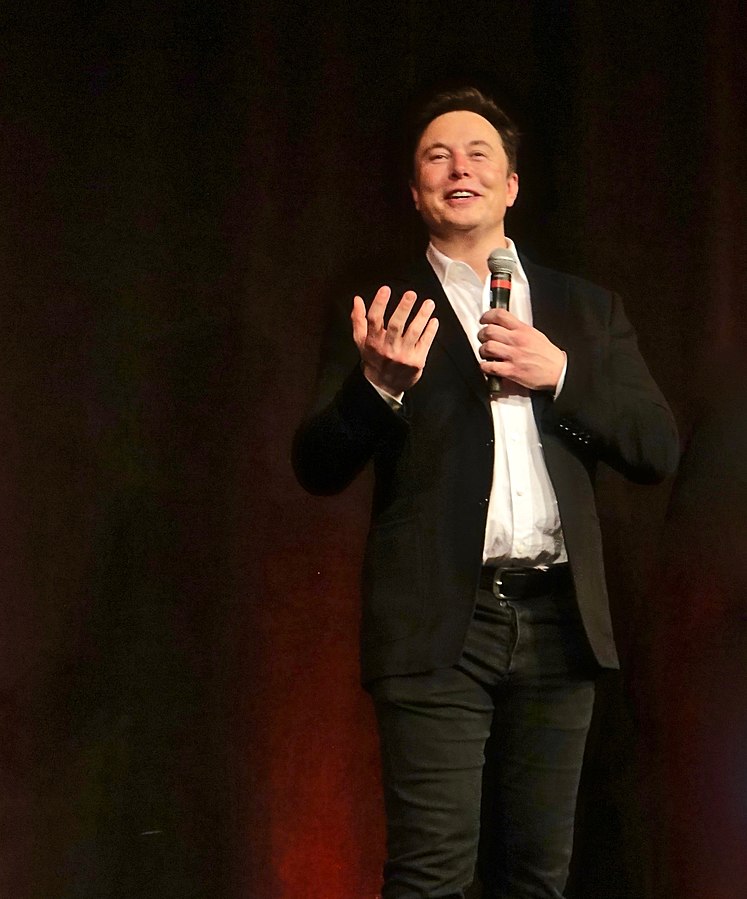
A few schools have already begun the transformation to applicative learning, but one stands way ahead. Elon Musk — yes, that Elon Musk — has built a school, Ad Astra, for highly gifted children. This school is much different than any school you have ever seen. Ad Astra has taken application over memorization to a whole new level. At this school, there are no grades; this may seem bizarre, but Elon’s focus is on the students’ development. According to Business Insider, Peter Diamandis, chairman of the X Prize Foundation, toured the school and was approving of its ethos.
One element that is persistent in that small school of 31 kids is the conversation about ethics and morals, a conversation manifested by debating real-world scenarios that our kids may one day face,
said Peter. Ad Astra zeroes in on real-world scenarios every day. Elon himself explained the main struggle with current education: students are being asked to memorize information without knowing why those pieces are important. Elon and Ad Astra have reached new heights in applicative learning, but if public schools take it step-by-step, their students will benefit immensely.
Change is a word that brings fear to those who do not have an open mind. The methods of teaching for the past 180 years have gone on far too long; change is a necessity. The young minds are our future, and our future is our interest. Thus, students need to be taught in a way that encourages creativity, logical analysis, and accepting challenges. The young minds of today will soon be the minds of tomorrow, but right now they need applicative learning much more than memorization.
“If anything kills over 10 million people in the next few decades, it’s most likely to be a highly infectious virus rather than a war… We’ve actually invested very little in a system to stop an epidemic. We’re not ready for the next epidemic.” -Bill Gates, 2015
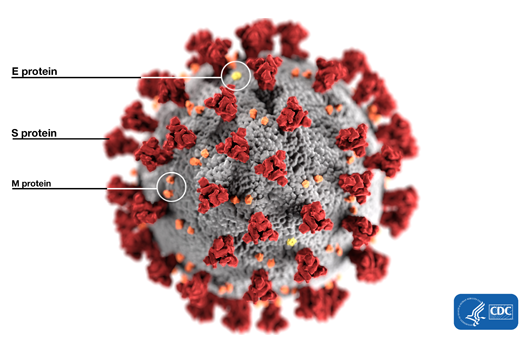
Unfortunately, Bill Gates was exactly right in making this statement in 2015. Coronavirus, more specifically the COVID-19 known to us, is a highly infectious respiratory virus that has caused a global pandemic. Starting in Wuhan, China, it has traveled all around the globe to our comfy homes. Everything is being affected by this virus: economy, manufacturing, production, politics, jobs, but most importantly, our health.
COVID-19 is spreading globally at an exponential rate. It appeared in a city in China called Wuhan in December 2019, and is believed to have come out of a seafood market. Patient zero has still not been identified, but we all know the quickness of this virus. To combat the virus, China quickly put a strict lockdown on the city of Wuhan on January 23. China then locked down their whole country, becoming the first country to do so, in an effort to stop this virus. Travel bans were being held in place and countries slowly started to follow China’s example. South Korea, Italy, and Iran were hit especially hard with the virus. When March finally came, the U.S. finally decided to take some measures and hold restrictions to practice social distancing. Italy surged past other countries with the highest death toll and had the highest number of cases in Europe. Sporting events, concerts, competitions were all getting canceled, including the 2020 Summer Olympics in Tokyo. Finally, we get to now in May, where Wuhan has become virus-free after a 77-day lockdown, and other countries, including the U.S., have started to open up while trying to maintain social distancing.
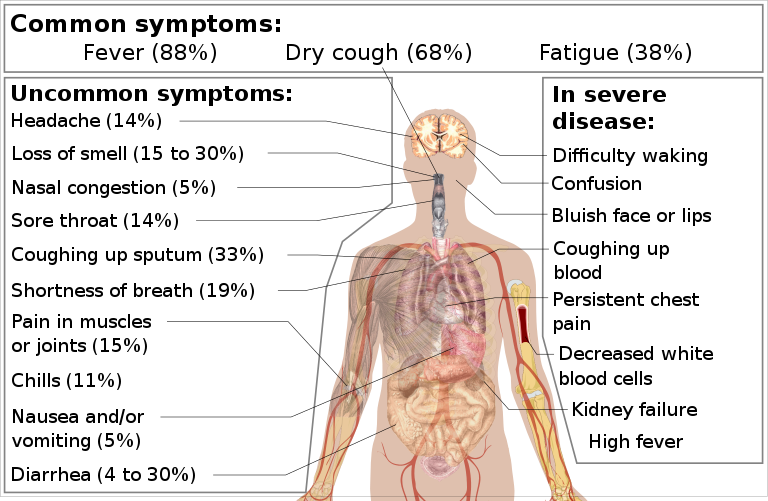
This coronavirus, to some people, just seems like another type of flu or cold. But the reality is, it is much more dangerous than the flu and can become even more dangerous if we don’t take the necessary precautions. The coronavirus spreads through droplets released in the air, like when an infected person sneezes or coughs. Droplets, however, fall to the ground after a few feet, which is why people need to stay 6 feet away from each other and wear masks to not retain any droplets. It can also be spread through surface transmission, making washing your hands and not touching your face out in public very important. It may be possible, however, that you may not even feel the symptoms of COVID-19, especially if you are a younger person. Or you may feel the symptoms after about 14 days of coming in contact with the virus. But, the dangerous thing about this is that you can be a carrier and not even know about it, putting other people, especially elders, at risk. The majority of deaths are coming from older age groups because of their lower level of immunity. This pandemic is similar to the Spanish Flu pandemic in 1918, and the world and the U.S. can learn from the mistakes and successes that different cities made. During that time, Philadelphia held a World War 2 parade, meanwhile St. Louis had put its entire city on lock down. The death rate in St. Louis was about 358 per 100,000 people while Philadelphia suffered 748 deaths per 100,000.
The time when this pandemic will stop is a question every expert is trying to solve right now. Nobody knows what the future of this virus holds. A vaccine is needed to truly live without fear and go back to a normal life. The bad thing is that the vaccine isn’t expected to come sooner than 2021, so we may have to get used to this social distancing. Scientists also don’t know whether COVID is a seasonal virus or will come back every year like the flu. If it comes back in the same strand as before, people will have immunity to it, but it can also come back in different strands like the flu, wherein the vaccine is a very key role in our safety. There is not much we know right now since this virus is so new. The facts we do know are that we have to practice social distancing as much as possible to ensure the safety of ourselves and others by slowing the spread of the virus to not overrun hospitals.
The current focus is on stopping the spread of this virus, but we need to also start planning for our economic recovery after the virus. For companies in the medical field, business is booming, but outside of this, there are many more companies on the verge of collapsing. According to Deutsche Bank, the world’s major economies have the highest debt levels in the past 150 years, excluding World War II. There has been a similar instance, far tougher than what we are going to face, better known as the Great Depression. During the Great Depression, the United States’ GDP declined by nearly 30%, over a course of 43 months. In just the first quarter of 2020, the U.S. GDP has already declined by 4.8%. If we compare these two situations, the economic recovery will be much easier. The first step in the Great Depression comeback was to cut spending by lots. The second step in the process is lowering tax rates on the middle class. This may sound absurd for the government, but it’s a quite simple analogy. The faster people are able to recuperate, the faster the economy will recover. The current global pandemic has hurt the economy in countless variations, but in the famous words of Benjamin Franklin, “There are no gains, without pains.”
The COVID-19 pandemic will go down in history as one of the world’s most major events. No one has seen a virus outbreak this bad since the Spanish Flu of 1918 or a worse economic crisis than the Great Depression. Even with the advanced technology we have, a virus has shown that it is much more powerful. Hopefully, this can prepare the world for what to do next time with a pandemic of this scale. The memories you are experiencing during this time aren’t something many generations will live through. Later in life, this will be what kids study in their history class or what historical fiction novels will be about. Right now, though, we need to be doing everything we can to contain this outbreak and set the world on the right track again.
In our world, a new creature has come into town. It is a devious enemy with a smell vicious enough to make us run away. Its brownish skin taunts you to come closer until you come close enough, and it haunts you forever. It is filling up our space and taking over, preparing to kill us one by one. The worst part is, we are producing it. POOP! Yes, poop, aka as feces, is this diabolical specimen that will be (and currently is) a big problem for the human race. Now, I’m not saying that human waste will smell worse over time and cause us to pass out every time we go to the bathroom. Do you ever wonder where all our human waste goes? Now you’re getting at what I’m saying.
Human waste isn’t the first thing you think of when someone says “crisis,” but this should be near the top of that list. Many humans don’t have access to necessary sanitation–precisely 1,800,000,000 people. Yes, you read that number correctly; nearly a quarter of humans do not have access to basic sanitation, for example, toilets. The result of this is that approximately 200 million tons of waste goes untreated. When sewage is untreated, it can lead to countless health issues. If the feces finds an entrance to the water supply, it will release E. Coli, leading to many diseases. Not only does human waste impact humans, but ecosystems may be destroyed. There was a disease spreading through the coral which decreased the population of coral greatly in the Florida/Caribbean area. This disease was White Pox. This disease spread to the corals as a result of human waste being discarded into the oceans. There are bacteria in the human feces, which we can live with but coral cannot. Many sea creatures lost their homes due to human feces. So, how do we control the amount of feces and how should we discard it?
Controlling feces is something out of the ordinary, meaning it needs an out of the ordinary solution. To control feces, there’s a two-step process. The first step is humans changing their diets to vegetarian or vegan. According to the Mayo Clinic, a leading medical center in the U.S., “Dietary fiber increases the weight and size of your stool and softens it. A bulky stool is easier to pass…” This explicitly states if you eat more fiber, your stool will be easier to pass. This means your body will be producing more waste as it’s heavier and larger. Right about now you are probably thinking to yourself, “I just spent the last 5 minutes reading why we’re producing too much waste, now he’s saying we should make more?” Yes, that’s precisely what I’m saying. The more waste we produce, the more efficient the second step will be.
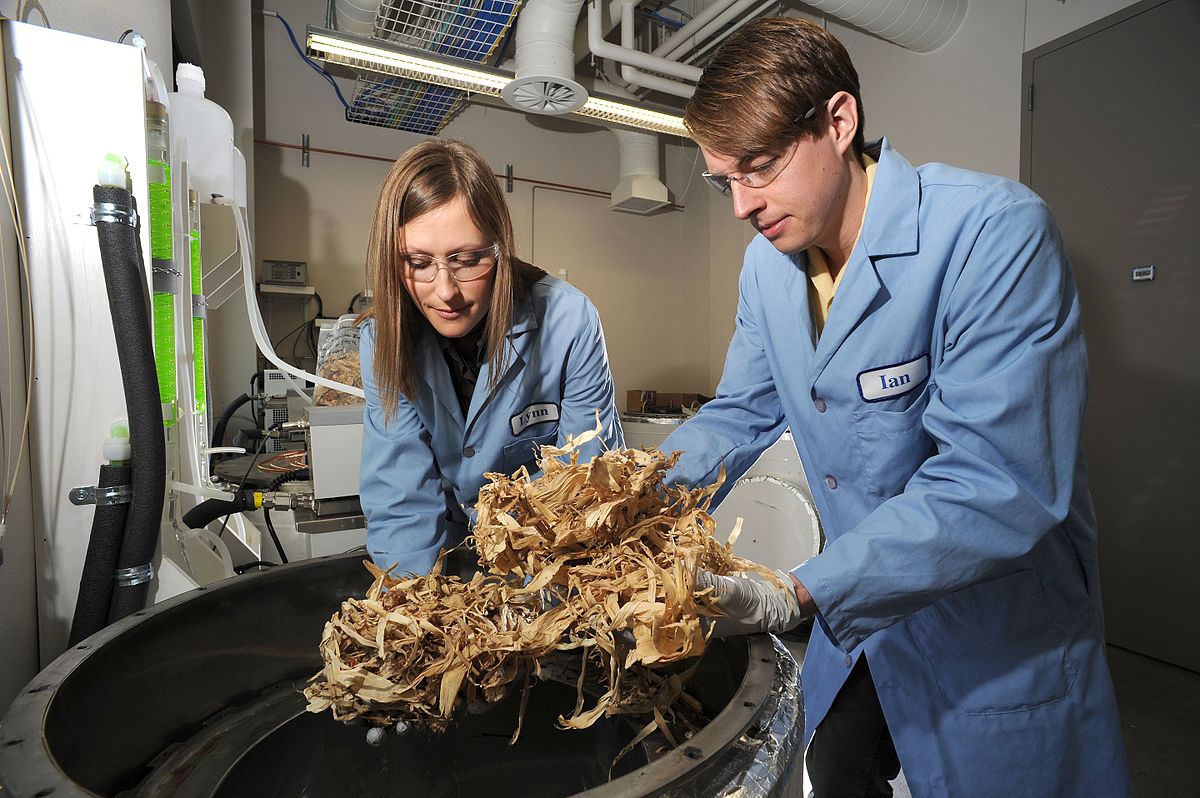
Fecal energy; this is the second part of controlling human waste. Fecal energy is the process of converting biomasses such as human waste into sources of energy. How this works is the toilet has a grinding system that makes the waste odorless and dries it. Once it dries, microbes will biodegrade the waste. This process generates biofuel gasses such as Ethanol. You may think this sounds crazy, turning poop into power, but I can assure you it’s not. There have been multiple instances where biofuel has been beneficial. A small city in Colorado is fueling over 40 vehicles by using biofuel gasses provided by the local waste management company. On the second occasion in Europe, a Netherland’s Dairy company has started a new project. Since their building already has over 175 cows, they decided it would be more efficient to collect their waste and convert it into biogas for the company. Since the cows are constantly eating, and eating fiber, their stool is very efficient. This is where converting to vegetarian and vegan diets come in. If we are able to produce efficient stool by eating more fibers, the result could be very similar to the success in Colorado. If small towns and big businesses can jump into the future, why can’t the big cities (which have more people and more waste) do the same thing?
As you can see, the idea of transforming poop into power is not a fantasy; it’s happening. There have already been multiple instances of people adapting to the process. Biofuel can help countries around the globe, as we don’t need to spend millions on drilling and importing, but we can use that money to develop a cheaper biofuel facility. Innovation is using what you have to make something great. In this case, you are using your waste to produce energy. The poop crisis on Earth may be harsh, but I see it as an opportunity. What do you see?
You are walking on a sidewalk in Chicago minding your own business. Suddenly, a little robot comes up to you, trying to make a sale for some product. You choose to ignore it, just like you do every other robotic salesman. When you pass the robot, another robot cuts you off to make the same sale as the first robot! You try passing this one too, but more robots appear, eventually trapping you in a circle, all of them making the same sale simultaneously. The robots have cornered you; they’ve forced your hand to buy their product. And this is only the first block of your walk.
Okay, it probably won’t be that extreme, but robots are taking over our world one by one, whether you like it or not. The world as we know it will completely change within 10 or 20 years due to the ceaseless increase of automation.
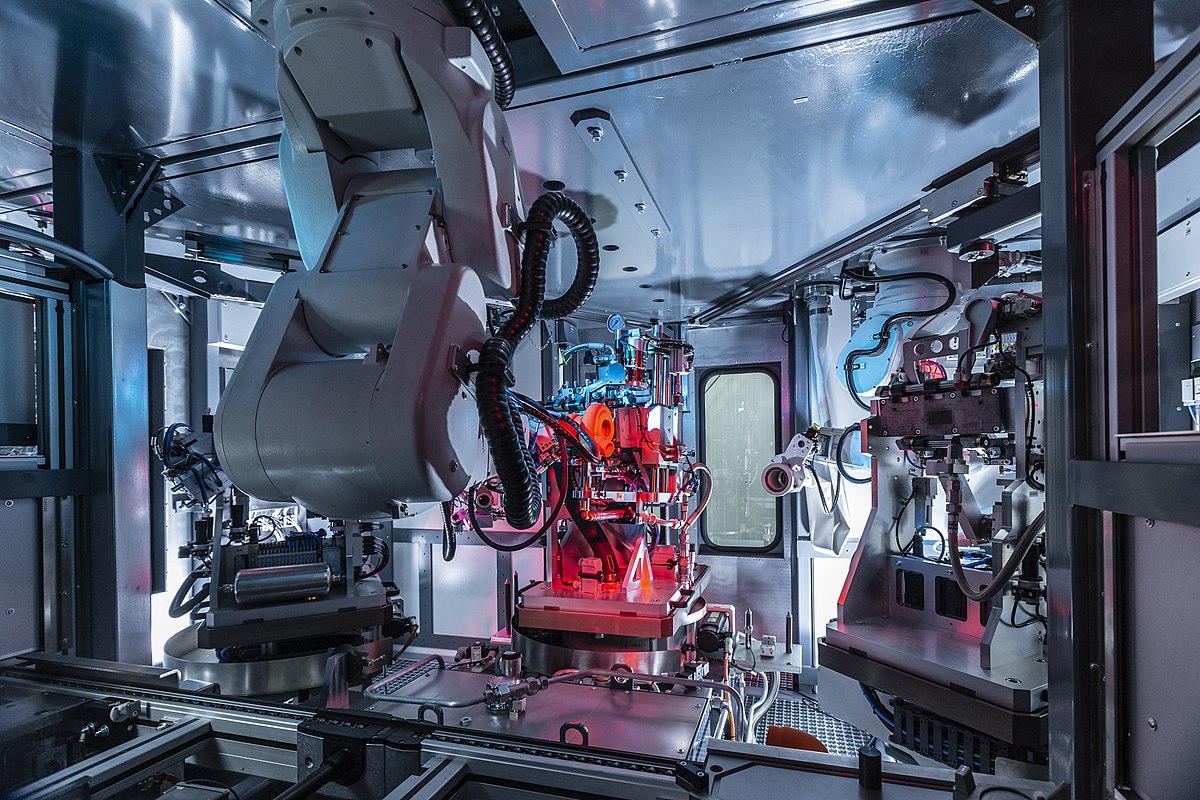
Automation is rapidly changing the job market; millions of jobs which were once done by humans can now be done by machines. You probably already know about the factory jobs, which even basic machines can now do. But, I bet you haven’t heard of the more interesting ones like lawyers, medics or even chefs. A very major AI in making these jobs possible for automation to handle is IBM’s Watson. Watson is an AI program which is capable of analyzing hundreds of thousands of different algorithms and possibilities in a matter of seconds and then choosing the best one. Technology like this can completely change the way doctors diagnose patients. Some doctors have already taken advantage of this opportunity and used Watson or other AI programs in diagnosing conditions, one of them being cancer. Currently, Watson cannot analyze images like X-rays and retina scans, but IBM already has an active research product to expand the capabilities of its AI. Medicine is not the only industry Watson has taken over; “Chef Watson” can now generate new recipes entirely from scratch using its AI mind. It uses its incredible knowledge of mixing flavors and food chemicals to create pairings favorable to the human tongue. Add Miso Robotics Flippy, a robot capable of making food faster than some chefs, along with table delivery drones, and there won’t even be a need for humans. Imagine a whole place fully operated by robots. The thing is, it’s already here. A hotel in Japan called Henn Na Hotel is completely run by automation. From the concierge to the receptionist, every individual staff member is a robot at the human customer’s disposal. All types of other jobs including drivers, telemarketers, and financial analysts can all be taken by robots and may be taken sooner than expected.
The problem with all this automation isn’t the automation itself, it’s what we should do with all us humans. What happens to us if robots are doing everything? The first thing most people think of is unemployment. If a machine is doing your job faster and more efficiently than you, then what is the point of you, a human, doing that job. According to a new study from Oxford Economics,
within the next 11 years there could be 14 million robots put to work in China alone.
As a result of the jobs robots are taking over, more than 1.5 million jobs have been lost to robots in the United States, more than 11 million in China, and almost 2 million across EU member states. Due to this unemployment issue, people lose jobs, and income inequality is then increased in those countries. A former 2020 democratic candidate, Andrew Yang, became famous for addressing this issue by proposing a UBI. A UBI is a universal basic income, which gives every citizen a minimum amount of income. Andrew Yang explained how automation would take many jobs away from Americans, which would leave them with no source of income. According to Andrew Yang, the UBI would allow a lower class American to support themselves with money funded by taxes and wall street speculation.
However, there is a very compelling argument that robots will do much more good to humans than harm. After all, robots were made to make human lives easier, not harder. With all the efficiency of these robots, they can actually open up more jobs instead of only killing them. Ethical sourcing officer, Artificial intelligence business development manager, and A.I. assisted health care technician are all examples of future jobs robots will open up. Most of these future jobs are based around working with the robot like the assisted health care technician, which works with the robot to diagnose patients. The saying “A dog is a man’s best friend” could be changed to “A robot is a man’s best friend,” or maybe even, “a man is a robot’s best friend.” Another possibility for humans is the idea of not working, of growing beyond the paradigm of basic labor as a species. An architect called Buckminister Fuller had the idea of man focusing their mind purely on their creative means. He had said,
We should do away with the absolutely specious notion that everybody has to earn a living. It is a fact today that one in ten thousand of us can make a technological breakthrough capable of supporting all the rest. The youth of today are absolutely right in recognizing this nonsense of earning a living. We keep inventing jobs because of this false idea that everybody has to be employed at some kind of drudgery… The true business of people should be to go back to school and think about whatever it was they were thinking about before somebody came along and told them they had to earn a living.
Fuller’s idea is even more relevant to our society nowadays because of the increasing rise of automation. If humans are losing their jobs, they can still work, not for the goal of earning money, but for the creative or personal goals they set for themselves.
Robots and AI are beautiful works of cutting edge technology. Mankind is always looking for new ways to improve their life or to make it easier on themselves. The first robot, made in 1954, basically sparked a new life form. As automation and AI continues to grow, so will its capabilities, to the point where it may be able to think and learn by itself, going beyond its natural programming. The new life of robots is coming, for better or for worse. Will you be ready for them?
Currently, human societies’ increased reliance on fossil fuels is creating a need in the future for an alternative yet equally functional energy source. The solution is a green, fuzzy, and live organism: algae. Multiple organizations have already taken initiatives and identified algae as a viable energy producer. Algae could very well be the future of energy.
Nowadays, the United States is falling drastically behind the expected reductions in fossil fuel consumption. Fossil fuels are natural fuels of decomposition which take millions of years to replenish. According to a leader in the green energy section in Britain, Ecotricity, at the present usage rate, nearly 11 billion tonnes a year, fossil fuels are expected to run out in about 53 years, with oil running out in less than 35. Fossil fuels are the common route in energy usage, blowing all renewable energy out of the water. Fossil fuels supply a whopping 80.2% of energy, compared to the mere number 11.5% for alternative energy, provided by the PEW Research Center. If this continues at the same rate as the population spike, this date may arrive sooner than expected. An alternative, yet equally efficient solution must be looked at before the time to switch has run out.
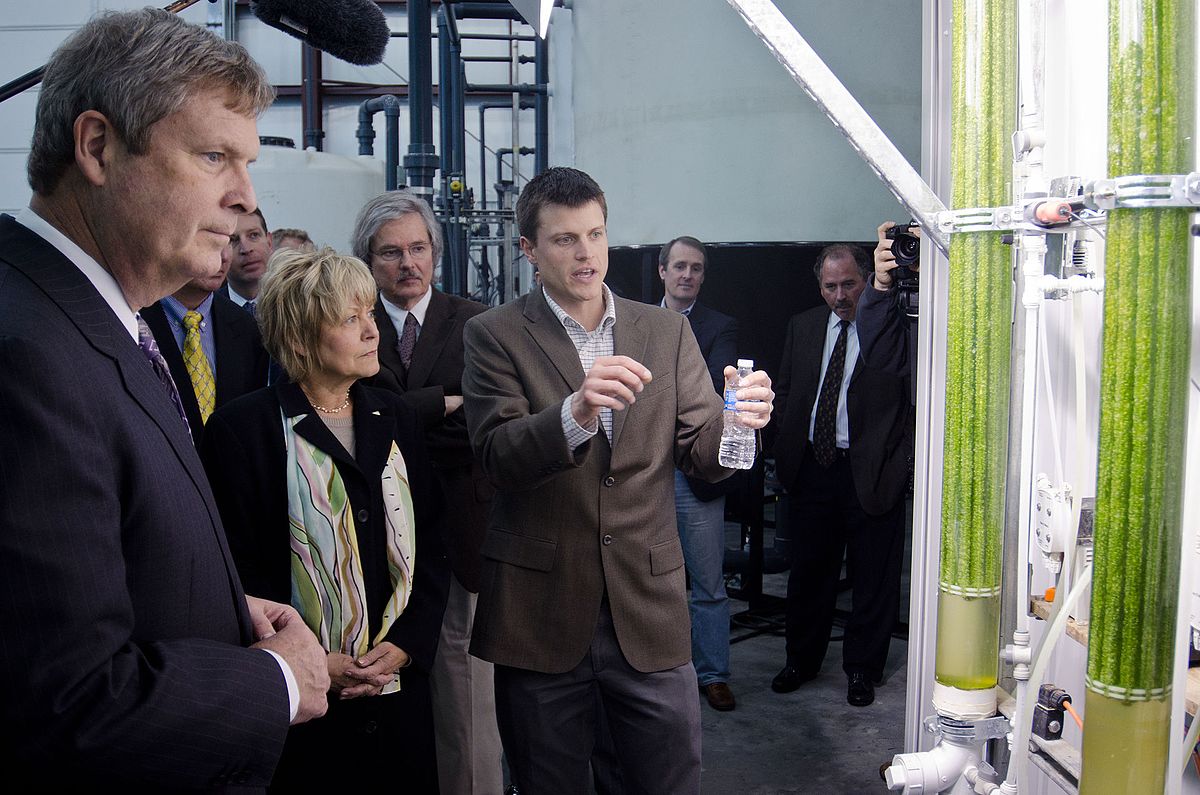
BioProcess Algae technology is used to treat waste products, carbon dioxide, recycled heat and water to mass-produce algae. Algae from this facility are used for animal feeds, pharmaceutical and beauty products. USDA photo by Lance Cheung.
Algae is a simple yet complex alternative to non-renewable and other forms of renewable energy production. To understand how we may use algae for energy, we first have to understand algae itself. Algae is a living organism, specifically a eukaryotic organism. Eukaryotic organisms, as opposed to prokaryotes or archaea, have a nucleus and numerous organelles, among other differences. Eukaryotes can be split into 4 major kingdoms: animals, plants, fungi, and protists. The special part about algae is the growth rate. The average growth for algae is exponential. According to Fahri Koray Sakarya, a Turkish expert in environmental sciences, 0.4 day^-1 is the daily growth rate. This means algae growth will slowly become larger until the point where it grows in large batches at a time. In the words of the Office of Energy Efficiency & Renewable Energy,
…algae, small aquatic organisms that convert sunlight into energy and store it in the form of oil.
This means, once we have harvested the large batches, we will be able to access tons of oil at a time, making up for the depletion of natural fossil fuels. For a while now I’ve been talking about how algae could play a big role in the future, but what about in the present. Where is algae right now?
The green machine will be able to save billions if it becomes the everyday norm and takes over for fossil fuels. If most of the human population were able to swap to algae, fossil fuels could be focused on industrial uses, while residents would be able to access a cleaner and more efficient energy source. Many companies have already hopped on to the algae-fuel train, one being NASA. Seambiotic has partnered with NASA to efficiently grow and harvest the oils of algae. Some farms are already planning to grow nearly 200 gallons of fuel from 1 acre of algae per year. Once technologies and funds have been invested in this idea, the price per barrel will drop significantly, as the industry will be expanding. Algae biofuel farms are becoming the norm for many, and the number will continue to grow. If the U.S. is able to make a push for algae fuel, further globalization will occur, taking algae energy to a whole new stage.
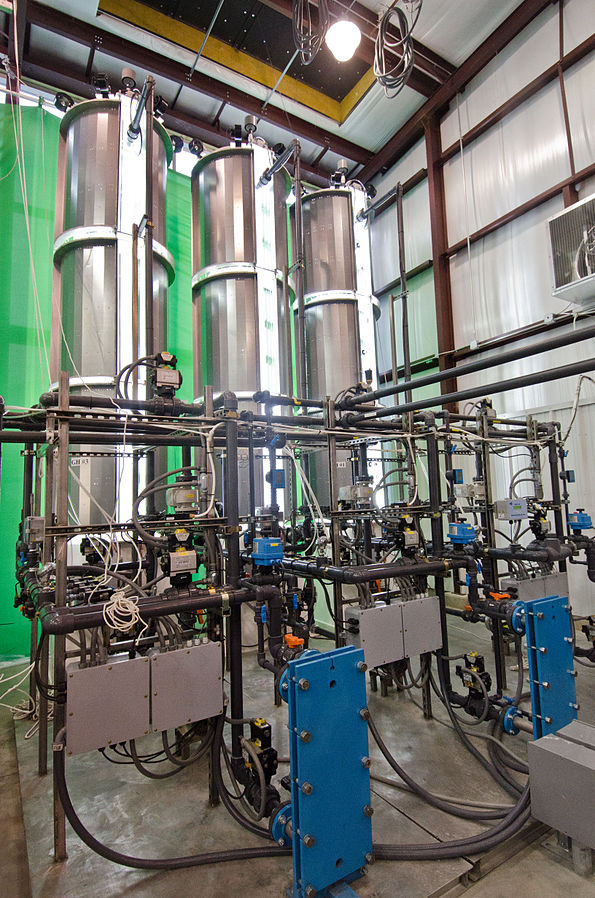
Commercial scale photo bioreactors/harvesters
As one can see, algae is an exceptionally productive source of energy. This solution benefits the environment, as the carbon emissions may drop by a monumental 50 to 70 percent, as well as the economy in the future,as algae will replace fossil fuels. Algae is a perfect fit for the criteria of humans, innovative and efficient, the basis of mankind itself. Algae growth will eventually be enough to supply a global demand, but it is crucial we make the first step into the future right now.
The workplace is anever-changing environment. It is constantly evolving based on new technology, new findings, and new ethical pathways. One way the workplace continues evolving is with the new use of gamification. And, no I don’t mean the use of gamma rays inside an office. We are talking about games. Yes, you heard it correctly–normal video games that all teenagers play are being used to enhance the workplace!
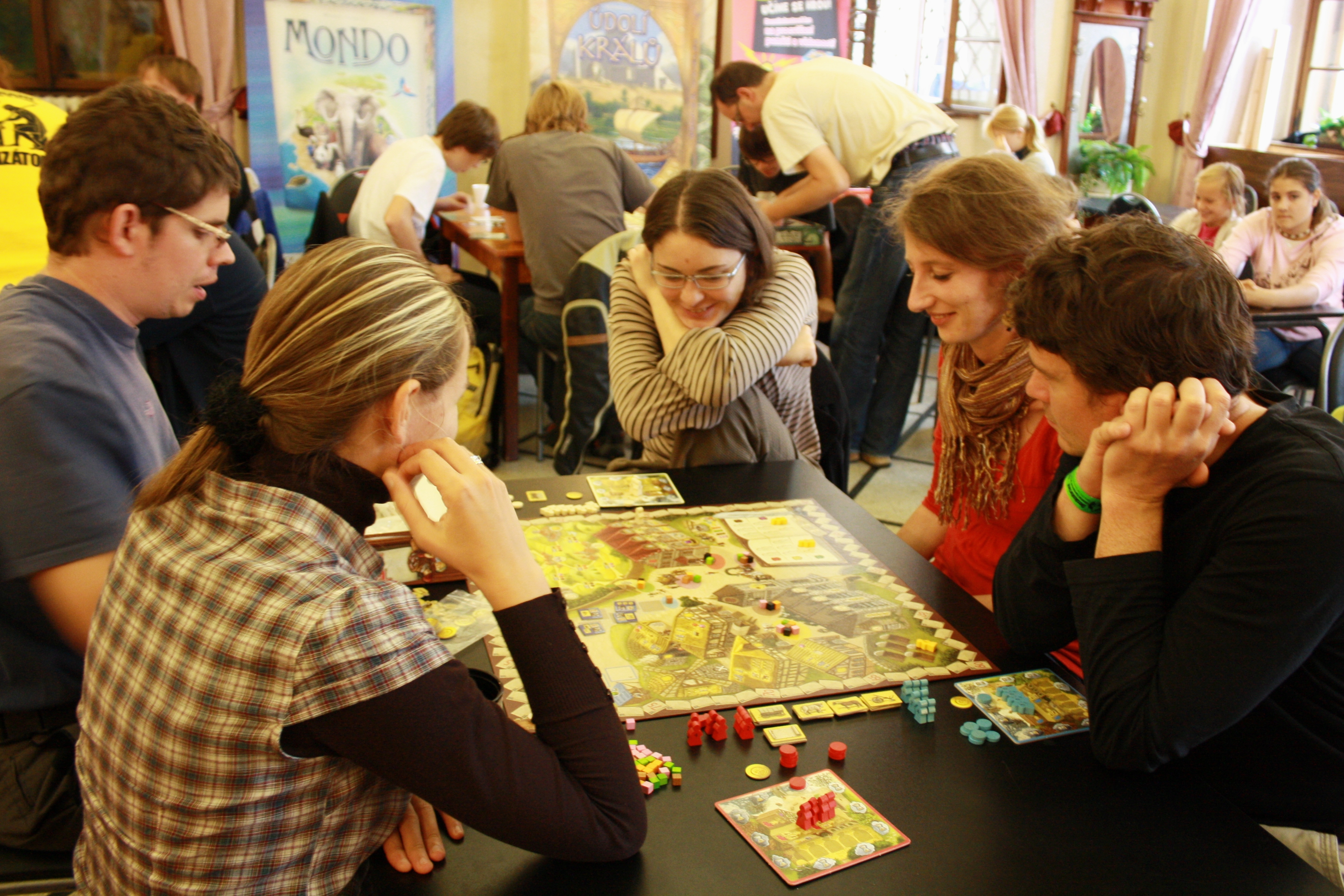
Let’s first delve into what gamification is. Gamification is the use of game elements inside non-game settings or platforms. For example, playing games at work. Gamification involves gaming with a different purpose than recreation, somewhere where a game is not typically played. This can mean either to use more traditional games, like scavenger hunts, or use new technology like VR. The nature of playing games in your office may seem unrealistic, but companies have already started doing it. Google has implemented a travel expense game which focuses on the employees who travel a lot. The game helps them keep track of their travel expenses every time they travel, while also having fun. A new study by four BYU information systems professors found newly-formed work teams experienced a 20 percent increase in productivity on subsequent tasks after playing video games together for just 45 minutes. These 45 minutes could be the time offices implement as their gamification time. Another place where gamification is really making a difference is in school education. Gamification in schools and offices have almost the same objective, except in schools, the games are targeted at a younger audience.
Incorporating games into offices is not an easy task. A lot of issues arise, like what if people get too competitive or what if they get distracted? There have to be games which create a balance of recreation and education. The purpose of these games is to basically educate the workers. According to an article by author Dave Nevogt,
One of the biggest problems with gamification is that it incentivizes winning over other objectives… Working in a corporate environment has traditionally been a relationship of exchanging time and effort for money — and this naturally leads to a lack of motivation in the long term, especially for millennials who want to be engaged in meaningful work.
These issues have to be prioritized if gamification in the workplace can be a realistic market.
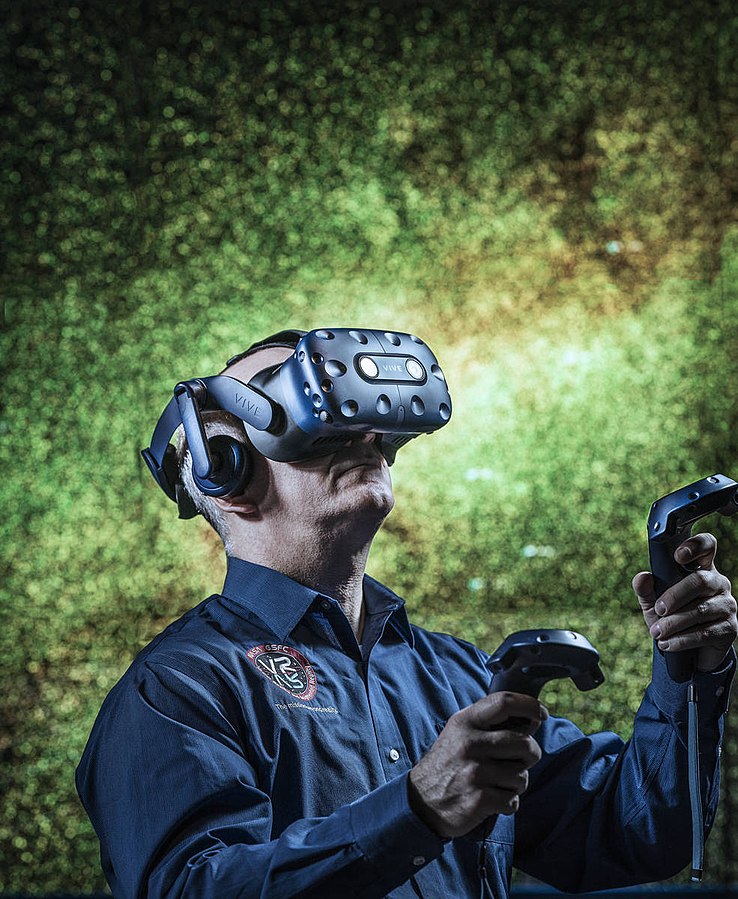
NASA Goddard Engineer Tom Grubb uses VR/AR
As you probably already know, new consoles and games are always coming out, like the Xbox and PlayStation. However, there is a much deeper future than just the normal consoles. That future is the world of VR (virtual reality) and AR (augmented reality). VR is already making a strong push into the gaming industry, especially with new headsets like Sony’s and Oculus’. VR is groundbreaking, but AR is where things get especially exciting. AR is a different type of interactive experience than VR. AR takes computerized graphics and places them in the real environment. One of the first games we saw including AR was Pokemon GO, which displayed an image of different Pokemon fighting in the environment through your device. Another example of AR we don’t notice everyday is in football. All the yellow lines and scoreboards on the field are all possible with AR. Now, you may be wondering what all of this has to do with an office. But, these new tech games are the ones that are going to be used in the workplace. New technologies have a tendency of providing people with fun through novelty, especially young adults just getting started in their adult lives. More excitement in a game makes for a more fun experience, which makes for a more productive game and person. The ultimate goal is to help employees work harder by having fun.
As you can see, games can be used for other purposes than just for teenagers playing around. Games give a sense of entertainment and recreation, which helps a person become more engaged. This concept, which has been used for generations, is now just being used with more technology. If gamification in the workplace can be implemented in all offices, every employee can work and have fun!
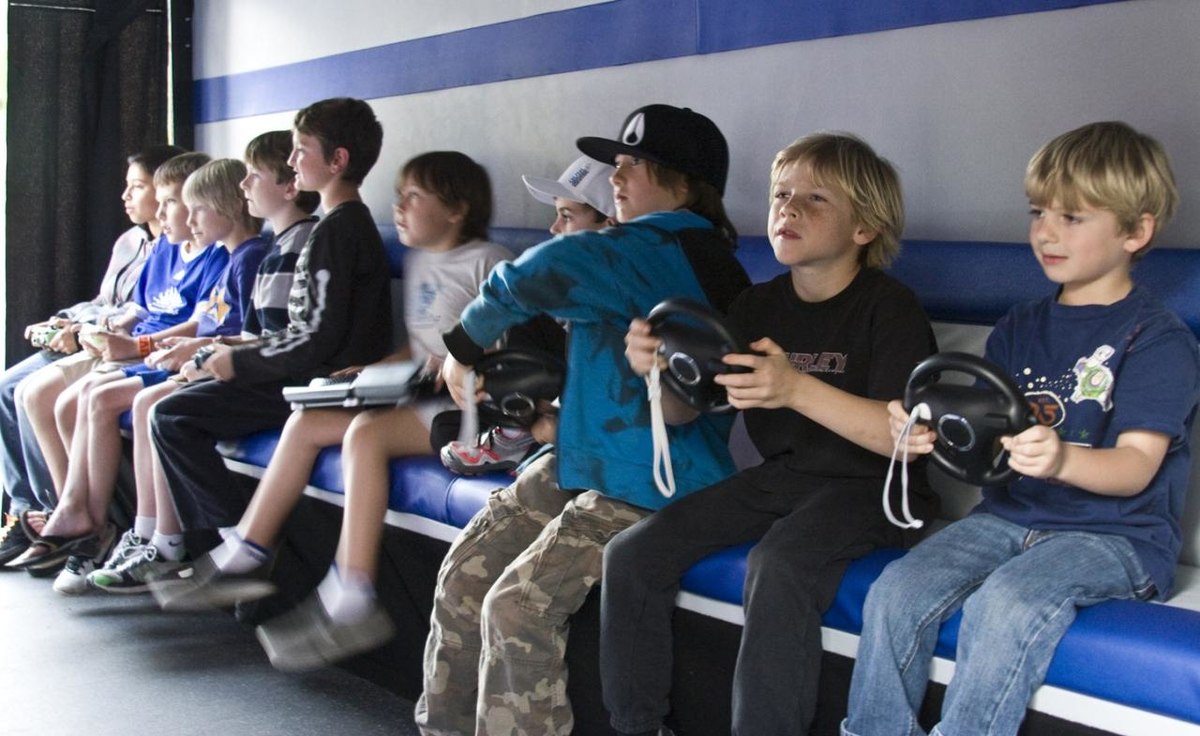
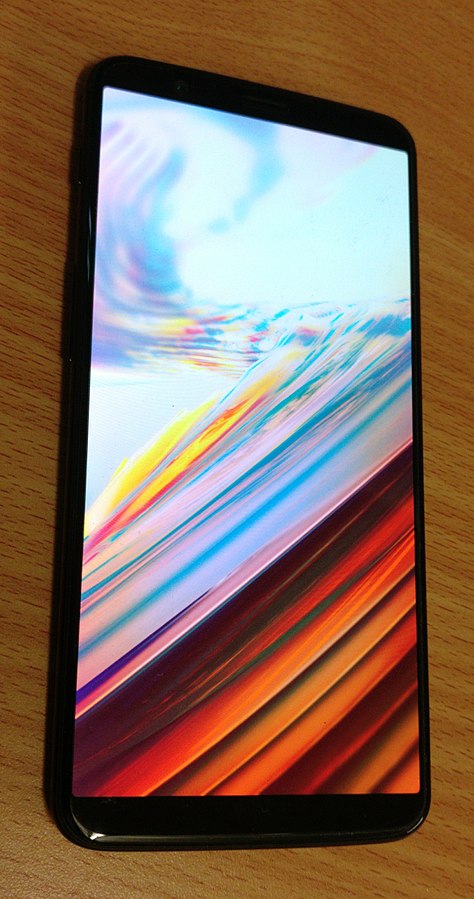
Nowadays, technological screens affect more lives than ever before, both physically and mentally. Some of these effects are lifelong, and cause many struggles. The two main reasons for these struggles are the type of screen, as well as the amount of time spent staring at the screen. At the present time, screens are a large part of kids’ daily routine. The effect a six-inch screen can leave on a person is astonishing.
According to an article written by the Mayo Clinic in 2018, some of the physical effects of a screen are,
Sore, tired, burning or itching eyes, watery or dry eyes, blurred or double vision, sore neck, shoulders or back, increased sensitivity to light…
Most of the negative and positive effects of a screen are related to eyes, but those related to other body parts are harmful as well. Screens not only harm one’s physical state, but their mental state as well. According to a study performed by Gaya Dowling, PhD, on 11,000 nine and ten-year olds,
MRI scans found significant differences in the brains of some children who reported using smartphones, tablets, and video games more than seven hours a day. Children who reported more than two hours a day of screen time got lower scores on thinking and language tests.
This statement shows that children who use electronics from a young age are holding themselves back from optimal performance. The effects of a screen are harmful in countless ways.
Although the use of screens is growing by the second, there is a way to reduce the number of children harmed. The solution is developing an OLED screen. When I say OLED, I do not mean the basic one now being used in iPhones. When I say OLED, I mean using the basics of it and pairing it with psychological software, requiring the children a certain amount of time on educational resources after the software notices at child has been using the screen for a while. Some of the psychological sources required may be reading, solving puzzles, brainstorming, etc. The screen will also scan the user’s eyes to look for redness, twitching, watery or dry eyes, etc. If one of these effects are shown, the screen will display a warning to step away from a screen for a while. Right now, billions of people use a screen and are harmed. With this new OLED screen, the unaware billions could be saved.
Furthermore, upgraded OLED screens could greatly reduce the amount of people affected by a screen. Nowadays, most people in this highly populated world have a phone– nearly 4.68 billion according to the Statista Research Department. Most of these people probably use their phones for more than two hours, meaning they are prone to one of the effects of a screen. If even a hundredth of these users switch to the upgraded OLED screen, that’s nearly 50 million people saved. Who knows how many of those are children.
As one can see, the world needs an effective solution. The screen could monitor the time, protect the eyes, and warn the user. That covers three main categories of harm concerning screens. OLED screens are also proven to be kinder to eyes. This solution will help all ages, both mentally and physically. The upgraded OLED screens are, without a doubt, the way to go.



 This may all seem like a fantasy, but aquifers are now a reality. Aquifers are water-bearing sediments in the oceans, also referred to as water pockets. The reason they are called water pockets instead of ocean pockets is that the waters are two different solidities, two different colors, and two different types. These pockets are not made of Salt water, but rather Fresh water. The pockets were discovered a while ago when a drilling team in search of oil had mistakenly run into them, releasing bits of Fresh water into the sea. Since then, marine biologists have found many more, mainly under the Atlantic ocean. These water pockets are not a few cubic kilometers, but rather 2,800 cubic kilometers. To gain a better perspective, this is nearly equivalent to six Lake Eries. This specific aquifer was found by marine biologists. They perform a technique which uses Electromagnetic(EM) receivers to measure the current in waters. This is applicable in finding Fresh water because it is commonly known that Salt water is a much better conductor than Fresh water. When they notice a fall in current, they know they have found another aquifer. How these pockets were formed is a much deeper question. It is expected this water has been hidden from society since way back during the Pleistocene Ice Age. Our knowledge of aquifers has been around for tens of years, but recently we have taken a deeper interest, which has directly led to our better understanding.
 Aqueous pockets, unlike aquifers, leave an impact on the past instead of the future. It is the common theory by thousands of scientists that there was a large icy comet that had crashed into Earth, which had later melted and formed oceans. This is the common belief because when Earth was forming, it was most likely too hot for any water molecules to survive and cling to any space dust which would eventually become Earth. The newly found aquifers may finally provide a sustainable contradicting theory. The volume of water under Earth’s mantle is expected to be three times that of the surface water. This is much more water than an icy comet could have ever brought down. This means the water on Earth might have come from somewhere else: aquifers. The new theory of how this water came is a massive earthquake that allowed water to slowly seep through the crust and make up the ocean in the given time frame. Some of the water may have taken a much longer route and seeped through more rock. This is the expected path for Fresh water, as rocks serve as a natural filter. Who would have expected a diamond experiment would lead to the altering of a long-lasting belief in the science community.
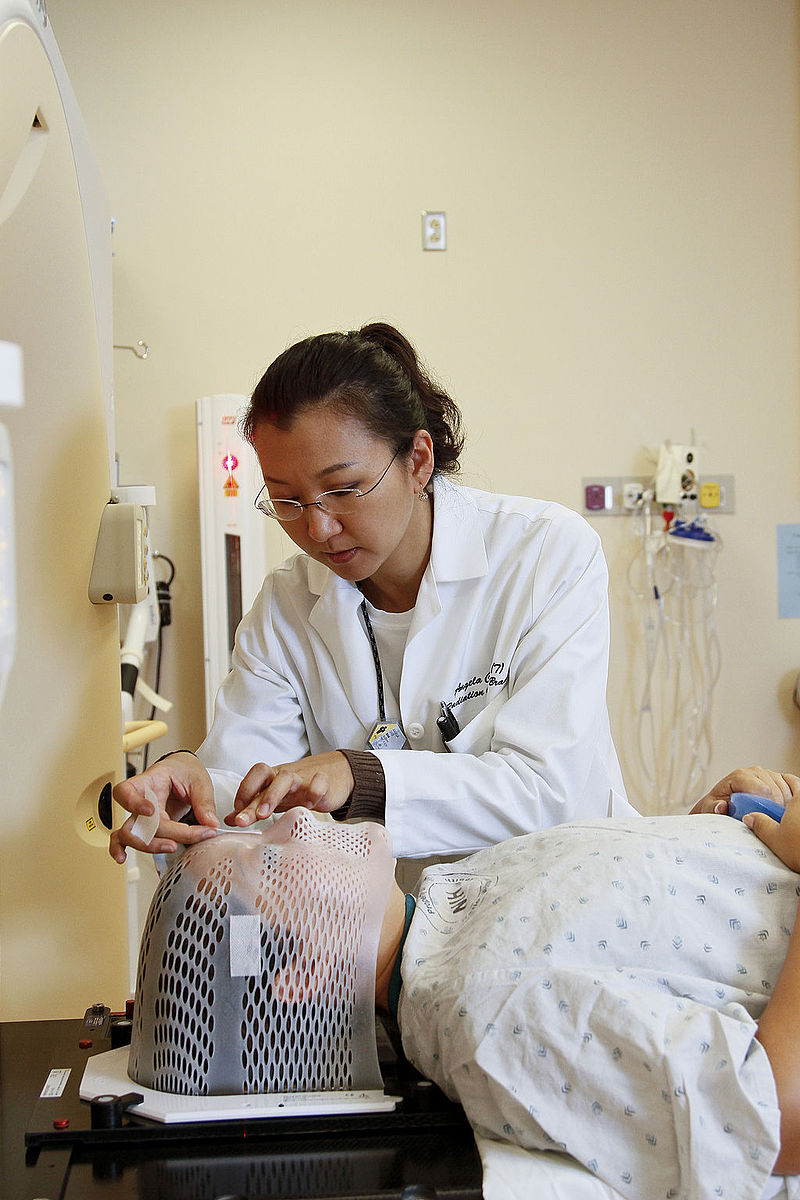 Radiation of high wavelengths has been proven to cause cancer and is widely accepted science. This type of radiation, called ionizing radiation, has enough energy to damage a person’s DNA. The radiation can ultimately disassemble the atoms in the body, which causes the DNA damage in the cells. A lot of side effects can arise from this happening, with a main one being cancer. There are different ways you can be exposed to ionizing radiation. Radon, x-rays and gamma rays are all sources of ionizing radiation harmful to the body. The most likely way to be exposed to gamma rays is from accidents at nuclear power plants or when atomic weapons are made, tested, or used. X-rays like CT scans and MRIs also give out high levels of radiation, but it is very unlikely that you will develop cancer from it. Lastly, radon is a type of radiation which very often gets overlooked for the wrong reasons. Radon, which can be found in your own home as a gas, can create harmful levels of radiation, which is why it’s important to check for it in your own home. The government doesn’t recognize radon as a serious health hazard in homes currently, despite the science. Checking for radon in your home is free and a major step towards lowering the risks for cancer. Another type of radiation is UV radiation from the sun and tanning beds. This can cause skin cancer in the body, and has a simple solution of just using sunscreen and/or not tanning frequently. A type of radiation which CANNOT cause cancer is 5G cell phone towers. The radiation these towers give out is non-ionizing radiation, the same type of radiation radios and microwaves give out. There has been absolutely no evidence of cell phone towers causing cancer, nor is it even possible for this to happen since this type of radiation does not ionize atoms.

 Coronavirus, a highly infectious respiratory virus, has uprooted almost all of our lives. During the months of December – February, the coronavirus was hardly mentioned in our country. America acted as if nothing could touch them. This overconfidence, as we all know, very quickly turned into neglect, and finally into fear. As of June 2020, there have been a confirmed number of 2.14 million cases and 117,000 deaths in the United States attributed to Covid-19. Other countries have nowhere near the amount of cases and deaths we have; even densely populated countries like India and China are doing much better than us. So, what exactly did we do wrong?




 COVID-19 is spreading globally at an exponential rate. It appeared in a city in China called Wuhan in December 2019, and is believed to have come out of a seafood market. Patient zero has still not been identified, but we all know the quickness of this virus. To combat the virus, China quickly put a strict lockdown on the city of Wuhan on January 23. China then locked down their whole country, becoming the first country to do so, in an effort to stop this virus. Travel bans were being held in place and countries slowly started to follow China’s example. South Korea, Italy, and Iran were hit especially hard with the virus. When March finally came, the U.S. finally decided to take some measures and hold restrictions to practice social distancing. Italy surged past other countries with the highest death toll and had the highest number of cases in Europe. Sporting events, concerts, competitions were all getting canceled, including the 2020 Summer Olympics in Tokyo. Finally, we get to now in May, where Wuhan has become virus-free after a 77-day lockdown, and other countries, including the U.S., have started to open up while trying to maintain social distancing.
  a question every expert is trying to solve right now. Nobody knows what the future of this virus holds. A vaccine is needed to truly live without fear and go back to a normal life. The bad thing is that the vaccine isn’t expected to come sooner than 2021, so we may have to get used to this social distancing. Scientists also don’t know whether COVID is a seasonal virus or will come back every year like the flu. If it comes back in the same strand as before, people will have immunity to it, but it can also come back in different strands like the flu, wherein the vaccine is a very key role in our safety. There is not much we know right now since this virus is so new. The facts we do know are that we have to practice social distancing as much as possible to ensure the safety of ourselves and others by slowing the spread of the virus to not overrun hospitals.

 Controlling feces is something out of the ordinary, meaning it needs an out of the ordinary solution. To control feces, there’s a two-step process. The first step is humans changing their diets to vegetarian or vegan. According to the Mayo Clinic, a leading medical center in the U.S., “Dietary fiber increases the weight and size of your stool and softens it. A bulky stool is easier to pass…” This explicitly states if you eat more fiber, your stool will be easier to pass. This means your body will be producing more waste as it’s heavier and larger. Right about now you are probably thinking to yourself, “I just spent the last 5 minutes reading why we’re producing too much waste, now he’s saying we should make more?” Yes, that’s precisely what I’m saying. The more waste we produce, the more efficient the second step will be.

 Fuller’s idea is even more relevant to our society nowadays because of the increasing rise of automation. If humans are losing their jobs, they can still work, not for the goal of earning money, but for the creative or personal goals they set for themselves.



 Most of the negative and positive effects of a screen are related to eyes, but those related to other body parts are harmful as well. Screens not only harm one’s physical state, but their mental state as well. According to a study performed by Gaya Dowling, PhD, on 11,000 nine and ten-year olds,


 Wondergressive


.jpg)