
-
Effects of LSD 100% Positive in New Swiss Study, LSD Still Awesome

LSD alters consciousness in extraordinary ways. http://www.marijuana.com/ The incredible therapeutic properties of LSD have once again been confirmed in a recent Swiss study. It was the first therapeutic study on LSD to take place in 40 years. The study specifically focused on treating anxiety associated with life-threatening illnesses. Psychotherapy was also used in conjunction with LSD to treat participants’ anxiety.
Related Article: Afraid to Wake Up? Conquering Fear and Life

What is so scary about seeing the smell of flowers? pulsatta.blogspot.com 12 participants in total were involved in the study. Amazingly, every single participant reported experiencing major decreases in anxiety levels due to the LSD-assisted psychotherapy. These decreases in anxiety persisted even 12 months after being administered the LSD. Furthermore, no negative effects were reported by any of the participants. The study was led by Peter Gasser, M.D., who stated that,
…we had in 30 sessions (22 with full dose 200 μg LSD and 8 with placebo dose 20 μg LSD) no severe side effects such as psychotic experiences or suicidal crisis or flashbacks or severe anxieties (bad trips)…That means that we can show that LSD treatment can be safe when it is done in a carefully controlled clinical setting.
Subjects receiving 200 µg LSD and psychotherapy, compared to an active placebo of 20 µg LSD, experienced a reduction in anxiety. Because the reduction in anxiety was still present at a 12-month follow up, Gasser believes that LSD has incredible potential for treating a whole array of psychological conditions. This study is particularly remarkable because unlike previous studies on the efficacy of LSD-assisted psychotherapy, this study employed a random, double blind active placebo.
Related Article: Psychiatrists Cannot Distinguish the Sane From Insane
Researchers noted that one of the most important aspects of the study was that the participants were able to freely contemplate and discuss their experiences while under the effects of LSD, as well as after the trip had ended. A structured and supportive environment appears to be crucial in attaining psychological benefits as well as ensuring that a “bad trip” doesn’t occur.

LSD blotter paper depicting Albert Hoffman on Bicycle Day. www.trip-dealer.com Psychedelics of all types have been studied and found almost across the board to be incredibly safe and highly effective tools in psychotherapy. Despite this clearly illustrated fact, psychedelics continue to be irrationally feared and demonized in the same ignorant fashion as cannabis. Interested in LSD? Let’s go for a trip.
Related Article: The Extraordinary Benefits of Psilocybin in Magic Mushrooms
Psychedelics such as LSD, mescaline, and psilocybin do not cause brain damage and are considered by medical professionals to be non-addictive. Over 30 million people currently living in the US have used LSD, psilocybin, or mescaline.
Lysergic acid diethylamide, or LSD, was discovered accidentally by Albert Hoffman on April 16, 1943. He had actually unintentionally created it 5 years prior while attempting to synthesize potentially medicinal active constituents from ergot fungus, a fungus that grows on rye. For 5 years the synthesis collected dust until he decided to reexamine it. While reexamining the LSD a small amount was absorbed into Hoffman’s fingertip. He describes his experience:
Last Friday, April 16,1943, I was forced to interrupt my work in the laboratory in the middle of the afternoon and proceed home, being affected by a remarkable restlessness, combined with a slight dizziness. At home I lay down and sank into a not unpleasant intoxicated-like condition, characterized by an extremely stimulated imagination. In a dreamlike state, with eyes closed (I found the daylight to be unpleasantly glaring), I perceived an uninterrupted stream of fantastic pictures, extraordinary shapes with intense, kaleidoscopic play of colors. After some two hours this condition faded away.
Hoffman was intrigued, and three days later he tried it again, marking April 19, 1943 as the first day a human being ever intentionally consumed LSD. This day is now known as “Bicycle Day,” because Hoffman rode his bike home while he was tripping. Hoffman and his wife spent the rest of their lives advocating the use of LSD, psilocybin, and other psychedelics in the field of psychotherapy. Below is a documentary on LSD which focuses on Albert Hoffman.
The effects of LSD last for 6-11 hours on average. This time period is dependent on various factors such as dosage and body mass.
LSD DurationOralTotal Duration6 – 11 hrsOnset20 – 60 minsComing Up15 – 30 minsPlateau3 – 6 hrsComing Down3 – 5 hrsAfter Effects2 – 5 hrsHangover / Day After– – – The effects of LSD are numerous, and are entirely dependent on set (your personality, goals, desires, mental state, etc.) and setting ( your environment, time of day, people you are surrounded by, etc.). According to Erowid, the potential effects of LSD include:POSITIVE
- mental and physical stimulation
- increase in associative & creative thinking
- mood lift
- increased awareness & appreciation of music
- sensory enhancement (taste, smell, etc)
- closed- and open-eye visuals, including trails, color shifts, brightening, etc.
- life-changing spiritual experiences
- therapeutic psychological reflection
- feeling of oceanic connectedness to the universe; blurring of boundaries between self and other
NEUTRAL- general change in consciousness
- pupil dilation
- difficulty focusing
- increased salivation and mucus production (causes coughing in some people)
- unusual body sensations (facial flushing, chills, goosebumps, body energy)
- unusual thoughts and speech
- change in perception of time
- quickly changing emotions (happiness, fear, gidiness, anxiety, anger, joy, irritation)
- slight increase in body temperature
- slight increase in heart rate
- increase in yawning (without being tired)
- looping, recursive, out of control thinking
NEGATIVE- anxiety
- tension, jaw tension
- increased perspiration
- difficulty regulating body temperature
- nausea
- dizziness, confusion
- insomnia
- megalomania
- over-awareness & over-sensitization to music and noise
- paranoia, fear, and panic
- unwanted and overwhelming feelings
- unwanted life-changing spiritual experiences
- flashbacks

Examples of the creativity involved with LSD blotter paper. http://www.tagohio.com/ Clearly a controlled setting is essential in attaining positive therapeutic results when using LSD. While a “bad trip” is always possible, carefully controlling set and setting can virtually guarantee a positive, life altering experience. As researcher Teri Krebs from the Norwegian University of Science and Technology’s (NTNU) Department of Neuroscience explains,
Everything has some potential for negative effects, but psychedelic use is overall considered to pose a very low risk to the individual and to society. Psychedelics can elicit temporary feelings of anxiety and confusion, but accidents leading to serious injury are extremely rare. Early speculation that psychedelics might lead to mental health problems was based on a small number of case reports and did not take into account either the widespread use of psychedelics or the not infrequent rate of mental health problems in the general population. Over the past 50 years tens of millions of people have used psychedelics and there just is not much evidence of long-term problems.
It is extremely difficult to describe a psychedelic experience, largely because it is so utterly strange relative to the state of consciousness we normally operate in. In a book called The Psychedelic Experience, Timothy Leary, Richard Alpert (Ram Dass) and Ralph Metzner describe a psychedelic trip.
A psychedelic experience is a journey to new realms of consciousness. The scope and content of the experience is limitless, but its characteristic features are the transcendence of verbal concepts, of spacetime dimensions, and of the ego or identity. Such experiences of enlarged consciousness can occur in a variety of ways: sensory deprivation, yoga exercises, disciplined meditation, religious or aesthetic ecstasies, or spontaneously. Most recently they have become available to anyone through the ingestion of psychedelic drugs such as LSD,psilocybin, mescaline, DMT, etc. Of course, the drug does not produce the transcendent experience. It merely acts as a chemical key — it opens the mind, frees the nervous system of its ordinary patterns and structures.
Related Article: Mystery of Death Solved: DMT is the Key
LSD and other psychedelics have the potential to wildly alter a person’s life in extraordinary ways. A great example of this is illustrated by the drastic reduction in recidivism when US prisoners are given just one dose of LSD under the guidance of a trained professional. A recent study on recidivism rates among substance abusing community offenders found that the use of hallucinogens during therapy had incredible success in curbing anti-social behavior and treating addiction. This is great news since the United States has more prisoners than any other country in the world. In many states recidivism rates can be as high as 78%.

Set and setting are the key to any LSD trip. http://www.sevencounties.org/ The fact is that LSD is awesome, as long as it is used in the right way, and under the right circumstances. Then again, the same applies to everything. Hammers are awesome, unless you are using them to break toes at a 5 year old’s party. Noodles are awesome, unless you’re using them to poke people in the eye at a local library. LSD is awesome, as long as it is used by an experienced user or under the guidance of a trained professional.
Related Article: Private Prison Sues State for Not Having Enough Prisoners
Even the CIA is interested psychedlics such as in LSD. MKUltra wasn’t performed just for fun after all. Too bad the CIA was too busy trying to use LSD as a mind control device to recognize its value in giving aid to ailing minds.
Below are two interviews from the 1950s of people who were asked various questions while under the effects of LSD. Although they provide only minimal insight into the actual psychedelic experience, they are interesting to watch nonetheless.
And a more recent one for good measure:
Expand your mind, mind your expansion. Be always growing.
Sources:
http://maps.org/pdf/LDA1_FINAL_CSR_20Aug13.pdf
http://psychedelicfrontier.com/2014/01/maps-completes-first-new-therapeutic-lsd-study-in-40-years/
http://www.psychedelic-library.org/child1.htm
http://www.erowid.org/chemicals/lsd/lsd_effects.shtml
http://jop.sagepub.com/content/28/1/62.abstract
http://www.bjs.gov/index.cfm?ty=tp&tid=17
http://en.wikipedia.org/wiki/Project_MKUltra
http://www.cracked.com/blog/five-fun-facts-about-the-cia-and-lsd/
http://www.ntnu.edu/news/2013-news/lsd-survey
http://www.plosone.org/article/info%3Adoi%2F10.1371%2Fjournal.pone.0063972
-
Chimpanzee Intelligence: Photographic Memory, Communication, and Altruism


Chimpanzee intelligence is shedding light on our own intelligence. http://www.economist.com A recent study on chimpanzee intelligence has revealed that chimpanzees use and dynamically modify intentional hand gestures to communicate, cooperate, and achieve specific goals. The study is part of a larger research project on chimpanzee intelligence led by Dr. Charles Menzel of Georgia State University.
Related Article: The Profound Intelligence and Intuition of Elephants

These symbols, called lexigrams, are what Chimpanzees use to communicate. The participants in the study consisted of two chimps named Panzee (19 year old female) and Sherman (31 year old male), along with a researcher from Menzel’s team. Both chimps were raised by human parents and have been involved in research projects involving language learning, memory, and numerical understanding at some point in their lives. Lexigrams, abstract symbols that represent words (similar to Chinese characters) are a regular part of the chimpanzees’ lives, and are regularly used to communicate with humans.
The study required that the chimpanzees cooperate with one another, along with a human researcher, to find food. The food was hidden at various distances and locations relative to the starting point of the chimpanzees. Instead of the chimps trying to find the food though, their task was to tell the researcher where to look. The researcher in the experiment had no idea where the food was hidden.
Related Article: A Group of Prominent Scientists Agree; Animals are just as Conscious as Us
To accomplish the task the researcher pointed at potential target locations and acted according to the chimpanzees’ feedback. This type of role reversal creates an intriguing scenario. According to Dr. Menzel,
The design of the experiment with the chimpanzee-as-director created new ways to study the primate. It allows the chimpanzees to communicate information in the manner of their choosing, but also requires them to initiate and to persist in communication.

Hand gestures like this one are used to communicate. http://www.nytimes.com Essentially, this study on chimpanzee intelligence is a classic game of “hot-and-cold.” Panzee and Sherman used non-indicative hand gestures at a more rapid rate when the researcher was closer to the food. In the end, Panzee was able to find more food than Sherman because she elaborated her gestures relative to the researcher’s pointing. This is a landmark study in the field of chimpanzee intelligence as it is the first time chimpanzees have been shown to exhibit such flexibility with regards to communication and gestures. Dr. Menzel explains that,
Because of the openness of this paradigm, the findings illustrate the high level of intentionality chimpanzees are capable of, including their use of directional gestures. This study adds to our understanding of how well chimpanzees can remember and communicate about their environment.
The study is certainly amazing, but it’s not surprising. Chimpanzee intelligence is well documented. They share many human behaviors and modes of reasoning. In some cases, chimpanzees have even been shown to markedly outsmart us.
Chimpanzees are exceptional at language acquisition and comprehension relative to other animals. Like Panzee and Sherman, many chimps have successfully been taught to use lexigrams as a form of communication, as well as sign language. A great example of exceptional chimpanzee intelligence is Washoe, a chimpanzee who learned 151 American Sign Language signs over the course of 51 months. A double blind test confirmed that Washoe did in fact learn, understand, and spontaneously use over 350 signs by the end of her life.
Related Article: Birds Recognize and Mourn Their Dead

A male chimpanzee trolling his girlfriend, I assume. http://www.medindia.net Chimpanzee intelligence varies greatly, just like human intelligence. While Washoe learned to communicate with us, other chimpanzees just can’t seem to grasp what we consider language. Another chimpanzee named Nim Chimpsky was thought to have learned sign language, but later tests revealed that his signs were merely trained responses. He did not actually understand what the sign meant relative to himself and the world at large.
Chimpanzees excel in their ability to remember. In fact, chimpanzees have a far greater memory than even the most powerful human minds on the planet. A 30 year study at Kyoto University’s Primate Research Institute revealed that chimpanzees can learn and remember the shape and value of the numbers 1 through 9.
Ayumu, a highly intelligent chimp, has the remarkable ability to use his aptitude for numbers to very easily accomplish a task that is seemingly impossible for humans. In the task, the numbers 1 through 9 are flashed onto a computer screen for less than a quarter of a second before disappearing. Ayumu is able to remember and correctly choose the areas where the numbers once were in ascending order. He can perform this incredible feat in mere seconds and can do it over, and over again, seemingly without any mental strain. This could potentially represent a photographic memory.
Ben Pridmore, a world memory champion, failed the same test on most attempts.
Other examples of chimpanzee intelligence include laughing for many of the same reasons humans do (including being tickled), creating and executing complex social hierarchies, making tools, strategizing during hunts, and using deception and manipulation to gain rank in society or attain rewards. Additionally, they have been shown to spontaneously plan for future events.
Related Article: Sensitive Plant Can Move, Learn and Remember
Chimpanzee intelligence goes even further in some cases as chimps have frequently been shown to act altruistically, sacrificing themselves for the greater good or engaging in helpful activity even when it is clear no reward will be won.
To top it all off, most of the time chimpanzees just want to have fun. Researchers have noted that chimpanzees often solve puzzles just for the thrill of it. I wonder how loyal of an ally a chimpanzee would be in an inter-species game of Risk…

A chimpanzee imparting some age old wisdom to a little girl over a game of chess. tylertretsven.wordpress.com Sources:
http://www.sci-news.com/biology/science-chimpanzees-use-hand-gestures-communicate-01700.html
http://www.nature.com/ncomms/2014/140116/ncomms4088/full/ncomms4088.html
http://www.iowaprimatelearning.org/science/history_of_ape_language/interactive_lexigram/
http://www.sciencemag.org/content/165/3894/664
http://books.google.com/books?id=R1byaqvqVKUC&pg=PA27#v=onepage&q&f=false
http://www.skeptic.com/eskeptic/07-10-31
http://video.nationalgeographic.com/video/kids/weird-wacky-kids/funny-videos-kids/chimp-memory-kids/
http://discovermagazine.com/2003/apr/featlaugh#.Ut9e6RDnbIU
http://www.indiana.edu/~origins/teach/A105/lectures/A105L12.html
http://www.plosone.org/article/info%3Adoi%2F10.1371%2Fjournal.pone.0008901
http://www.ncbi.nlm.nih.gov/pubmed/19278627
-
27 Dimensional Quantum State Directly Measured: Taking a Peek at Schrödinger’s Cat

Direct measurement of the quantum state allows us to peer into Schrödinger’s box. whyevolutionistrue.wordpress.com For the first time ever scientists from the University of Rochester have directly measured the orbital-angular-momentum of photons in a high-dimensional quantum state. The state consists of 27 dimensions to be exact. In actuality this is probably far lamer than it sounds, right? Nope, it’s just as mind blowing as you would imagine.
Related Article: Waking Up: New State of Consciousness Proposed

Spatial dimensions are more numerous than the 3 you are perceiving right now. It’s amazing enough that we have the ability to even theorize a 27-dimensional quantum state, but now we can directly measure one. Our 3-dimensional brains use our eyes to see the world in two dimensions. 3-dimensional sight is actually just a trick evolution has taught us. Despite living in a world defined by length, width, and height, the universe itself actually exists in many more spatial dimensions, possibly an infinite number.
High dimensionality is the stuff of quantum physics (physics of the smallest scales of the universe) since these other dimensions are only apparent at incredibly tiny scales. Although scientists have never physically perceived another dimension of space, extra dimensions are a mathematical inevitability when describing the quantum universe.
Related Article: Long Distance Quantum Teleportation is Reality
Quantum physicists observe a quantum system’s current state and behavior (known as a wavefunction) and attempt to derive the original quantum state as well as the probable future states of the system. The problem is that the act of observation itself alters the state of a quantum system. This is known as the observer effect. The observer is just as much part of the system as what is being observed. Very weird. Additionally, due to the Heisenberg Uncertainty Principle, which states that the more you know about one aspect of a system, the less you will know about another aspect (especially with regards to position vs. momentum), it is impossible to attain accurate data about the entirety of any given system. That is, before the advent of direct measurement.
Before direct measurement, quantum physicists used quantum tomography to derive the various states of a quantum system. Quantum tomography is the process of reconstructing the original quantum state of a wavefunction using bits and pieces of impartial data one bit at a time. It involves taking many measurements of an identical quantum state and comparing the changes made by observation in each one to narrow down the source quantum state. This is like creating a 3d image out of many 2d images. By directly measuring a quantum state, physicists are able to reconstruct the source quantum state without any post-processing. This dramatically speeds up the process and could eventually lead to breakthroughs in the feasibility of quantum computing.
The idea of direct measurement seems to contradict everything we know about quantum physics. If we directly measure something, our act of taking a measurement should alter the system in some way, thus skewing the results and totally collapsing the quantum state. Quantum physicists may not be known for their social prowess, but one thing they are known for is being very clever. Knowing that a direct measurement will collapse a quantum state, physicists take a measurement so gentle that the quantum state is only slightly altered; it doesn’t ever completely collapse.
Related Article: In 1610 God Was a Binary, Fractal, Self-Replicating Algorithm

A schematic of the experimental setup for direct measurement of the quantum state.
http://www.rochester.edu/This “weak” measurement is then followed by a “strong” measurement of another unmeasured variable in the system. This sequence of weak and strong measurements is repeated on many identical quantum systems until the source wavefunction is precisely known. By being less sure about their intended measurement, physicists can take more precise measurements of peripheral variables in the measured field. Remember, the more you know about A, the less you know about B, and vice versa. They measured B more precisely by knowing less about A. It’s a paradoxical but effective method.
The direct measurement technique was first developed in 2011 by scientists at the National Research Council Canada, who used it to determine the position and momentum of photons. This study is the first major breakthrough in the direct measurement of a quantum state wavefunctions since 2011.
Related Article: MIT Discovers New State of Matter and Magnetism
According to lead author Dr. Mehul Malik, a post-doctoral research fellow at the University of Vienna,
It is sort of like peeking into the box to see if Schrödinger’s cat is alive, without fully opening the box. The weak measurement is essentially a bad measurement, which leaves you mostly uncertain about whether the cat is alive or dead. It does, however, give partial information on the health of the cat, which when repeated many times can lead to near certain information as to whether the cat is alive or dead.
Sources:
http://www.nature.com/ncomms/2014/140120/ncomms4115/full/ncomms4115.html
http://www.scec.org/geowall/stereohow.html
http://en.wikipedia.org/wiki/Uncertainty_principle
http://research.physics.illinois.edu/QI/Photonics/Tomography/
http://www.rochester.edu/news/show.php?id=8152
http://quanta.ws/ojs/index.php/quanta/article/view/14
http://www.nature.com/nature/journal/v474/n7350/full/nature10120.html
-
Will Facebook Face the Same Doomed Fate as Myspace?

Forget Facebook! Don’t you miss getting blasted with your friend’s music as you browse their site?
http://www.digitaltrends.com/social-media/three-reasons-why-myspace-is-doomed/Have you ever considered what might be the next trend to die? Which aspect of your daily social life will just fade away? Just as disco, AIM, planking (which seems to have slowed down in popularity), and Myspace.com have all but dissipated, now Facebook is likely doomed to face a similar fate. As the new age of internet-goers show a disinterest in Facebook-ing, it is becoming apparent that other trends and newer social media tools will take its place in the near future. What am I even talking about you say?
Related: Facebook: Glorifying and Depressing
A recent report on Facebook popularity from Istrategylabs has yielded some interesting results. It is clear from the graph below that young people simply aren’t interested in Facebook staling anymore.
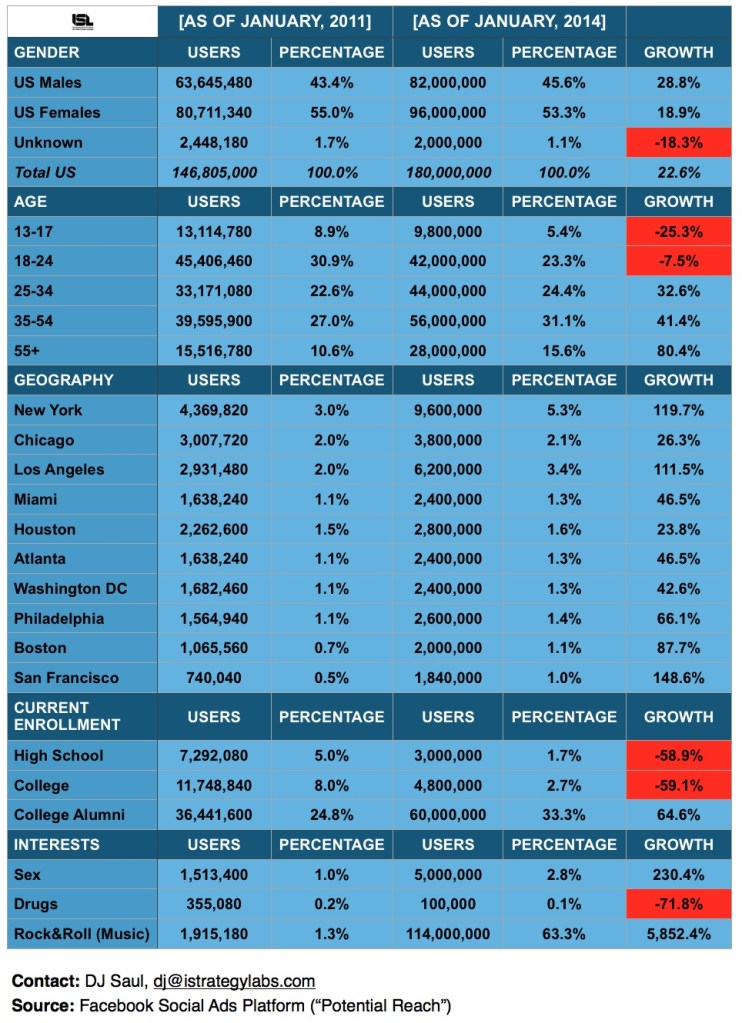
Whoever or whatever unknown is they must have beef with Facebook.
http://istrategylabs.com/2014/01/3-million-teens-leave-facebook-in-3-years-the-2014-facebook-demographic-report/But what can we attribute to the decline in young Facebook users? Actually, a couple different events have occurred over the years that may lead us to an answer. In fact, as you scan over the chart to your left, you may realize what exactly has happened: Facebook has become completely accessible to everyone.
Originally, Facebook was meant to be a hub for college people to keep in touch, to find someone during or after college in hopes of changing their relationship status, to include yourself and others in events, to help keep up with best friends’ lives even after they left the safe confines of the dorm room. All this slowly morphed into much, much more: people now rely on Facebook for chatting, for daily inspiration, or for simply killing time. The age groups grew, the visitors and participants became younger/older, and everyone that knew how to use a computer slowly became a Facebook-er.
So what? Is everyone not entitled to freedom of speech and entertainment? That’s just it though. When you or someone you know joined Facebook they were probably still in college or had just finished college. Now they may be a parent of a child, and that child finds them (unfortunately) very uncool. They don’t get their parents’ lame humor and wish to be alone and unbothered when they are online. In comes the (still cool regardless what the child thinks) parent: ensuring their child is OK by befriending them on Facebook. They comment on life updates and statuses posted by their child, and restrict usage when their child gets out of line. And why not? That is what parents do. Their child is their responsibility and they will do anything to protect their child. As always though, children try to combat this by looking to other forms of entertainment, something the parents do not use, something that is only beginning to trend and takes time to adapt to. And so with younger generations Facebook is slowly becoming uncool because of its accessibility and ease of use.
Related: The Draw of Cell Phones
If you notice, even the media is to blame for Facebook’s decrease in popularity. You would be hard pressed not to find a twitter link nowadays that you can send your opinion to during news broadcasts. Not to mention the recent IPO (initial public offering) of Twitter, which was a huge success and to date has already surpassed the Facebook stock by 4 points. This shows that there is currently more of a vested interest in Twitter and its rising popularity, even in the stock market. With results like that, investors are all but begging for SnapChat to become a new stock on the stock market, which, like Twitter, is experiencing a rise in popularity and future potential among younger media users.
Did I mention Facebook owns Instagram? At least if Facebook dies, Instagram can be the next wave of income for Mark Zuckerberg. It’s almost as if he is trying to let us know what to trend next…
What should you take from all this? Will the king of social media be knocked off his horse? Or is this just another example of too many things at once distracting us from giving our full attention to any single entertainment vessel? If you consider all that the internet allows access to, all the different forms of entertainment that is readily available today: Wondergressive (of course), Twitter, Pintrest, Vine, Snapchat, Tumblr, Stumbleupon, Reddit, etc.; Facebook simply gets lost in the long list of ways to occupy ourselves on the internet. So many, many, many distractions, and I will leave you with just one more! Below is a graph from investment banker Piper Jaffray depicting the popularity of social media sites among teens. Cheers!
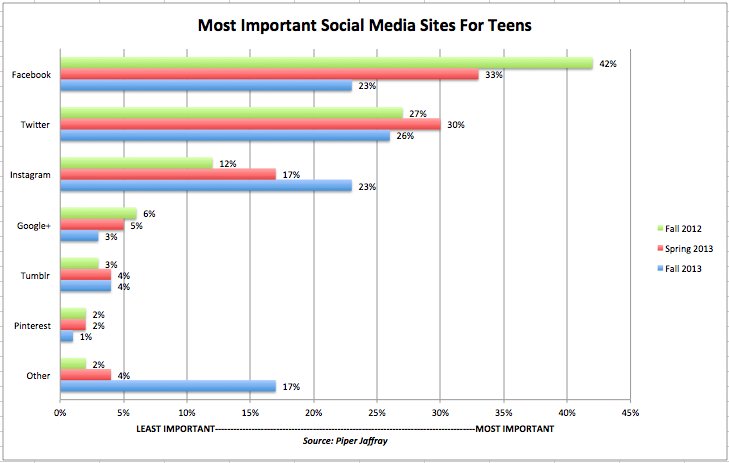
Facebook down, Twitter down a little, Instagram up! Other… Wondergressive!
http://www.piperjaffray.com/2col.aspx?id=287&releaseid=1863548Research:
Wikipedia: AOL Instant Messenger
The 65 Best Planking Pictures From Around The World
NY TIMES: Buys Instagram for $1 Billion
Wondergressive: Oculus Rift and Omni Treadmill, Gaming of the Future!
AIM, aol instant messenging, apps, Cell phones, communication, doom, entertainment, Facebook, facebook trend, fall of facebook, fate, internet, Istrategylabs, Mark Zucke, Mark Zuckerberg, media, Myspace, number facebook users, parents, Pintrest, piper jaffray, Reddit, Snapchat, social media, Social Network, Stumbleupon, trending, Tumblr, tweet, Twitter, twitter IPO, Vine -
Ball Lightning Directly Measured for First Time


A potential photograph of ball lightning. militarythoughts.blogspot.com Ball lightning, an atmospheric electrical anomaly that appears as spherical lightning, is currently at the center of attention in parts of the scientific community. One of the most elusive phenomena occurring in nature, ball lightning has finally been recorded due to a stroke of luck. Although thousands of seemingly credible reports of ball lightning have popped up across the planet for many centuries, no one had actually been able to observe and measure the incredible occurrence. A chance encounter changed all of that.
In July of 2012 Ping Yuan and his team from Northwest Normal University in Lanzhou, China had set up slitless spectrographs (a tool used to capture light from a very narrowly defined region) on the Qinghai Plateau of northwest China. It was supposed to be a run of the mill investigation on lightning that frequents the region.
Related Article: China Launches Moon Rover: Space Age Continues and Why You Should Care

This is a photo of the spectral range of ball lightning. http://physics.aps.org/articles/v7/5 The team got lucky one night when their recording devices captured a spontaneous occurrence of ball lightning 900 meters away. It was a clear case of being at the right place at the right time, with the right type of spectrograph, filming in the specifically required frequency of the light spectrum to view the event. The team got very, very lucky.
The ball lightning lasted for approximately 1 second. During that second the researchers were able to learn that although the ball was much smaller, its ‘glow’ emitted light 5 meters across. It also moved horizontally across the ground for 10 meters followed by a 3 meter ascension. Furthermore, it changed from a white to reddish color. Yuan stated that the ball lightning was generated by a cloud-to-ground lightning strike.
Related Article: Lightning Strikes! A Sit and Learn About Lightning
Ball lightning, not to be confused with St. Elmo’s fire, is still an utter mystery. It was, up until the last decade, largely considered a trick of the eye, or rather a global hallucination. And yet, in 1960 more than 5% of the entire global population reported having seen ball lightning at least once in their lives. Reports of ball lightning from the general global populace along with near identical stories from scientifically trained physicists abound. Ball lightning was even frequently reported by soldiers stationed in submarines during WWII. Many soldiers claimed that balls of lightning would sometimes spontaneously be created when they changed batteries in the submarine. All attempts to reproduce ball lightning in a submarine have failed though.

Potential photograph of ball lightning. Seems legit. http://www.yawp.com/ Although there are dozens of plausible scientific explanations, one hypothesis in particular on the generation of ball lightning comes closest to describing the data attained by Yuan and his team. The hypothesis, proposed by John Abrahamson at the University of Canterbury in New Zealand, basically states that,
when lightning hits the ground, the sudden, intense heat can vaporise silicon oxide in the dirt, and a shockwave blows the gas up into the air. If there’s also carbon in the soil, perhaps from dead leaves or tree roots, it will steal oxygen from the silicon oxide, leaving a bundle of pure silicon vapour. But the planet’s oxygen-rich atmosphere rapidly re-oxidises the hot ball of gas, and this reaction makes the orb glow briefly.
For this hypothesis to be accurate, one would expect to see atomic emission lines of silicon and other soil elements in the light spectrum recorded by a spectrograph. That is precisely what Yuan and his team observed.
Related Article: Earthquake Lights: The Mystery has Been Solved
The the ball lighting, according to the spectrum recorded by the researchers, contained several emission lines from silicon, iron, and calcium—all elements that are abundant in soil. The only element emission line they did not record was that of aluminum, which is also bountiful in soil. However, the emission lines of aluminum could not be recorded due to the limited spectral range their spectrographs were recording in. For this reason, the lack of aluminum emission lines can’t be used to disprove the validity of the find as it relates to Abrahamson’s hypothesis.
This study is unique because it is the first time scientists have ever recorded naturally occurring ball lightning. According to lightning specialist Martin Uman of the University of Florida in Gainesville,
I think that this is a unique observation that is probably of ball lightning, or one type of ball lightning. There have been many research programs that routinely video or photograph natural and triggered lightning, but none, as far as I am aware, has stumbled on a ball lightning.
As for proving Abrahamson’s theory, according to Uman,
This one certainly seems to be made of dirt.
Yuan and his team plan to reproduce the observational conditions and hopefully reconstruct ball lightning in the laboratory.
Sources:
http://prl.aps.org/abstract/PRL/v112/i3/e035001
http://en.wikipedia.org/wiki/Ball_lightning#Historical_accounts
http://en.wikipedia.org/wiki/Slitless_spectroscopy
http://web.ornl.gov/info/reports/1966/3445605482000.pdf
http://en.wikipedia.org/wiki/Ball_lightning#Possible_scientific_explanations
-
K Computer and Exascale Computing: The New Wave
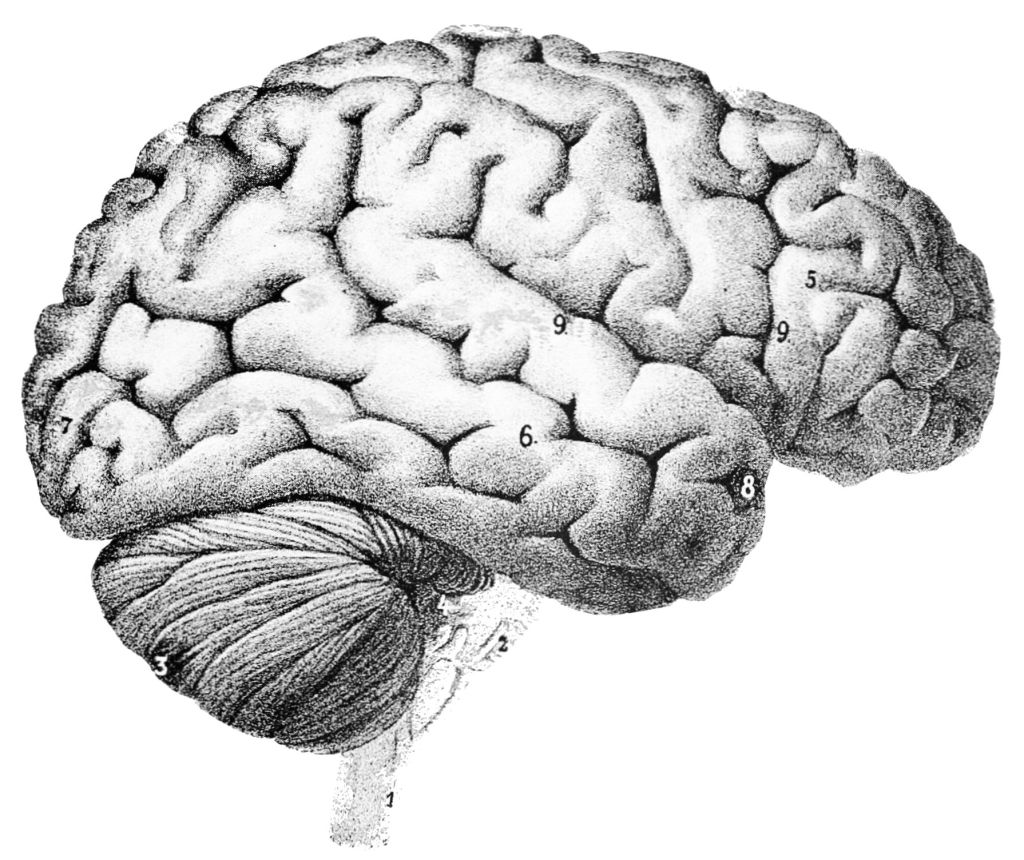
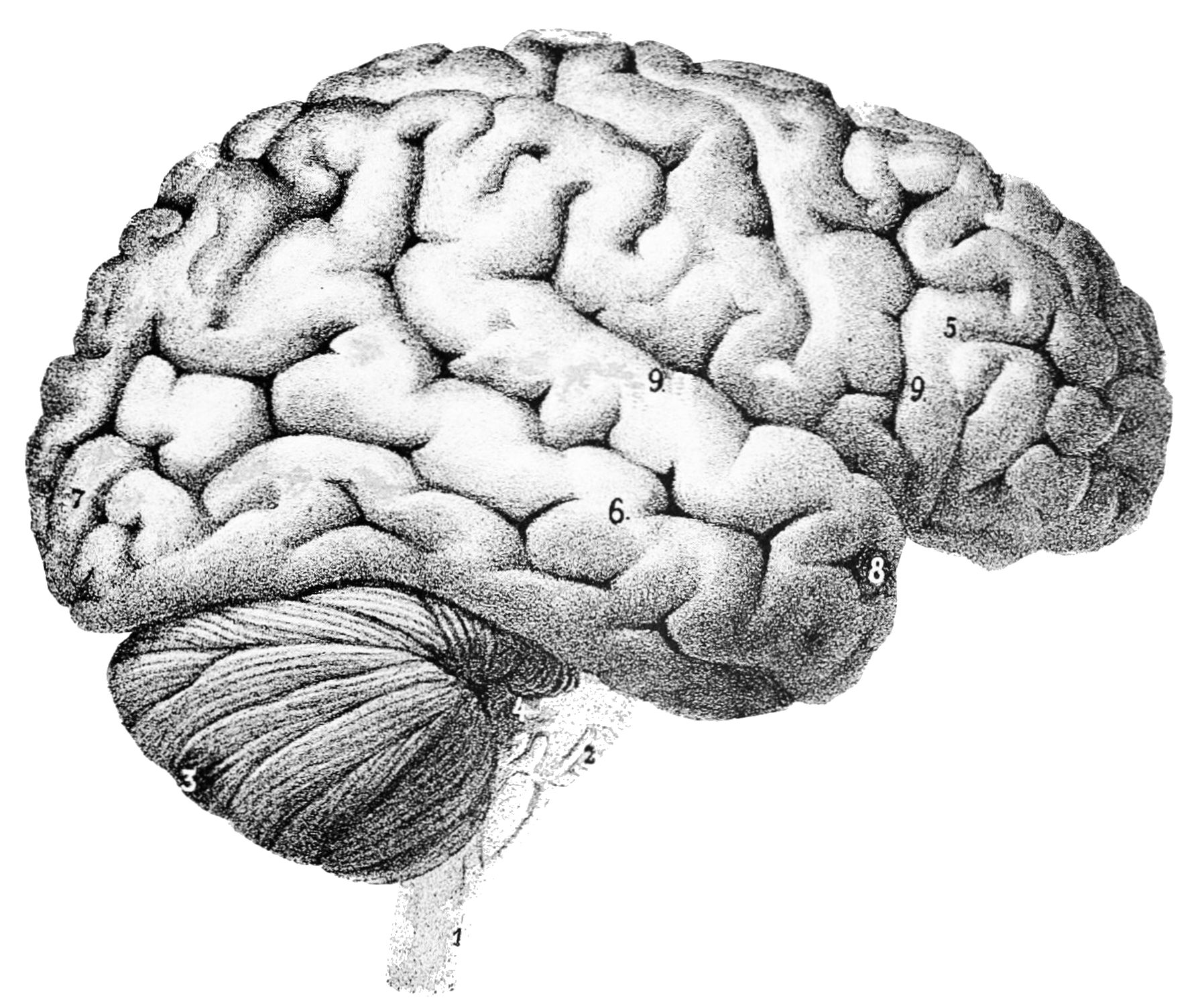
The vast distance between the processing power of the human brain and that of super computers is slowly shrinking. Researchers used K computer, a Japanese petascale computer, to simulate the equivalent of a single second of the brain activity. K computer took 40 minutes to accomplish the feat of simulating approximately 1 percent of the brain’s neural network.
With 705,024 processor cores and 1.4 million GB of RAM at its disposal, the K computer took 40 minutes to model the data in a project designed to test the ability of the supercomputer and gauge the limits of brain simulation.
While computing on this scale is extremely impressive, the abilities of supercomputers are still inadequate in comparison to the insane complexity of the human brain. K computer is the fourth largest super computer in the world and costs about $10 million dollars to operate annually. The Japanese K computer consumes 12.7 megawatts per hour. According to Fujitsu that’s enough energy to power approximately 30,000 homes.
Related Article: Sweden is Running Out of Trash

860 of these cabinets, working at near full capacity for forty minutes, is equal to 1% of your brains capacity in one second. K computer awe http://www.fujitsu.com/global/about/tech/k/whatis/project/ Your brain, on the other hand, needs only three meals a day, weighs only 3.086 lbs (1.4 kgs), and consumes only 20 watts of electricity. That is a third of the energy used to power your 60 watt light bulb! The goal of large scale computing has always been to create a computer with processing power comparable to that of the human brain. In order to achieve this feat, computer engineers will need to think of the universe as something that never had a box. From Brain-Like Chip May Solve Computers Big Problem: Energy by Douglas Fox:It is impressive that our computers are so accurate—but that accuracy is a house of cards. A single transistor accidentally flipping can crash a computer or shift a decimal point in your bank account. Engineers ensure that the millions of transistors on a chip behave reliably by slamming them with high voltages—essentially, pumping up the difference between a 1 and a 0 so that random variations in voltage are less likely to make one look like the other. That is a big reason why computers are such power hogs.
http://www.dailygalaxy.com/ The Neurogrid computer, developed by Kwabena Boahen of Stanford University, aims much smaller than the K computer and by virtue, much larger. While the traditional computer is strict and rigid, the Neurogrid computer is designed to accommodate for the organic nature of the brain. Instead of utilizing the efficient methods of other computer engineers, Boahen attempts to hone in on the organized chaos of the human brain.
Related Article: Electronic Brain Implants Increase Intelligence
The Neurogrid and other computational innovations such as the K computer are likely to usher in a new wave of high level processing where emphasis on power is transferred to an emphasis on the delicate balance between information, energy, and noise. Perhaps by blending the two schools of thought- Large, impressive and small, noisy– we will be able to power machines capable of processing on a similar plane as the human brain. Incorporating efficient practices will also aid in the removal of moral obstructions. Should we power this mega-rad pc or provide the homes of an entire suburb or small village with electricity? Well with efficiency-not to be confused with that dreaded bureaucracy- we may be able to do both!The dreams of computer engineers are likely to come to fruition very, very soon.If petascale computers like the K computer are capable of representing one per cent of the network of a human brain today, then we know that simulating the whole brain at the level of the individual nerve cell and its synapses will be possible with exascale computers – hopefully available within the next decade.For a better understanding of the difference between mega, giga, peta, exa, etc. just remember that each one is 1000 times more than the last. So, an exascale computer is 1,000 times more powerful than a petascale computer (like the K computer), 1,000,000 times more powerful than a terascale computer, and 1,000,000,000 (billion) times more powerful than a gigascale computer (the computers that you and I have).Related Article: The Singularity is Nigh Upon Us: The Merging of Humans with Technology
Sources: -
Sensitive Plant Can Move, Learn and Remember


The cute and sensitive plant just wants to have fun. http://www.pondkoi.com/ I first discovered a mimosa pudica, commonly called “the sensitive plant,” while traveling through Australia. Although it is declared an invasive species in Australia, the sensitive plant garners a great deal of popularity nonetheless. The appeal of a fast-moving plant no longer elicited such strong curiosity in most of my older Australian friends, but for children and foreigners to the region it is like a circus sideshow attraction: “Come one, come all, and watch a plant move away from your finger’s touch.”
Whether you call it the sensitive plant, sleeping plant, bashful plant, or touch-me-not, the mimosa pudica is certainly one of the strangest plant species that exist due to its anomalous behavior as a member of the plant kingdom. It is a fast-moving plant that folds its leaves in response to various stimuli, including physical.
As if a fast-moving plant weren’t enough, a recent study has increased public and scientific inquiry into the life of the sensitive plant even more. It appears that not only can the sensitive plant move, it also possesses the ability to remember.
Related Article: Did You Know That Certain Plants Do Division?
Scientists from Australia and Italy designed a behavior experiment for the sensitive plant with the same framework normally used in an animal behavior study. The results are incredible and have the potential to revolutionize the way we think of plants and imagine consciousness. For the first time ever scientists were able to show that despite the absence of a central nervous system a plant can still learn and remember just as well as would be expected of many animals.

Now you see me, now you don’t. http://www.stuartxchange.com/ The scientists trained sensitive plants’ short and long term memories in both high and low-light by repeatedly dropping water on their leaves. Although the physical stimulus of water dropping predictably caused the sensitive plants to retract their leaves, what wasn’t predictable is that they would eventually learn a different response. In a matter of seconds the plants opened their leaves back up since the stimulus had no harmful consequences. This in and of itself is amazing, but the findings get better.
Related Article: Plants Can Cry For Help
Just like in animals, the sensitive plant exhibited the learned behavior faster in less favorable environments. Most amazingly, the learned behavior persisted over several weeks, despite the return of optimal environmental conditions.
The researchers summarize their study, stating that,
Applying the theory and the analytical methods usually employed in animal learning research, we show that leaf-folding habituation is more pronounced and persistent for plants growing in energetically costly environments. Astonishingly, Mimosa [sensitive plant] can display the learned response even when left undisturbed in a more favourable environment for a month. This relatively long-lasting learned behavioural change as a result of previous experience matches the persistence of habituation effects observed in many animals.

Warning: This book may cause brain melting. Although plants don’t have a nervous system various types of learned responses have been observed in a copious number of plant species. While many hypothesis have been formed regarding how a plant can learn and remember without an immune system, there is no widely accepted conclusion.
The idea of plant sentience is nothing new. It has been explored as a philosophy for countless years, and has been observed experimentally for several decades. The idea is explored extensively in the book The Secret Life of Plants, by Peter Tompkins and Christopher Bird. The book is largely a compilation and analyzation of a large number of experiments dealing with plant sentience performed in the last century It is one of the most intriguing books I have ever read, and has dramatically altered the way I view plants and consciousness as a whole.
Related Article: Life, It’s All Over the Place
This study on the sensitive plant also has the wonderful effect of making purely moral vegans’ heads spin. Alan Watts once asked a Buddhist friend of his, “You refuse to eat meat, but don’t you realize plants have feelings too?” His friend’s response was, “yes, but they don’t scream so loudly.” Although I eat a mostly vegan diet, I think rationalizing a lifestyle choice by favoring one form of life over another is not moral, it’s ignorant. Thanks science.
Edit: With regards to my comments on purely moral vegans, I do not advocate or support the needless suffering and slaughter of animals or plants. I want mass factory farming to end just as much as anyone else, but a strictly moral stance will never reach that goal. Morality is relative and filtered through a subjective mind. There are enough logical reasons we can use to rid the world of sordid animal practices (zoos, factory farms, etc.) without slipping into the realm of morals and ethics. Using morality as a leg to stand on will only weaken the argument and serve as a step backward in our attempts to end pain and suffering for all species around the world.
Sources:
http://link.springer.com/article/10.1007%2Fs00442-013-2873-7
http://www.sci-news.com/biology/science-mimosa-plants-memory-01695.html
http://en.wikipedia.org/wiki/The_Secret_Life_of_Plants
Australia, behavioral study, Invasive species, mimosa pudica, plant behavior, plant behavioral study, plant consciousness, plant intelligence, plant learned behavior, plant memory, plant movement, plant nervous system, plant sentience, plants think, secret life, secret life plants, sensitive plant, The secret life of plants -
Contour Crafting 3D Prints 2500 Square Foot Home in 20 Hours

This is precisely what construction will look like with contour crafting in the near future. craft.usc.edu Contour crafting is the name of a recent breakthrough in the engineering world combining construction and 3D printing technology. The end result is a robot that can 3D print homes in less than a day. The innovator behind contour crafting is Behrokh Khoshnevis, a professor of Industrial and Systems Engineering, and the Director of Manufacturing Engineering Graduate Program at the University of Southern California (USC).
At a TEDx speech in 2012 Khoshnevis presented the idea of contour crafting to an audience. He begins by reminding everyone of Maslow’s basic human needs, and points out that food and shelter are the foundations of our lives. Despite shelter being a basic human need, billions of people around the world live in slums, be it in underpopulated or overpopulated regions. Industries of every type, including agriculture, pharmaceuticals, weaponry, automotive, etc. implement a fleet of fully automated robotics to manufacture their products. Industries of every type, except the construction industry.
Related Article: 3D Printing: The Next Revolution in Creativity
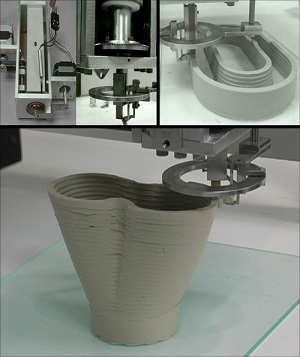
Precision is the name of the game with contour crafting. parasite.usc.edu Despite modern day construction being slow, labor intensive, and inefficient, no serious technological revolution has ever occurred in the industry. Contour crafting has enough momentum and potential to change that once and for all.
Remember that lovely time in 2008 when the whole economy crashed and no one was laughing but the banks? What was the main cause of the crash again? That’s right, subprime mortgage loans; the devil himself. People couldn’t afford a home, so banks loaned these people exorbitant amounts of money, an amount they could never feasibly pay back. We know the rest of the story, but let’s revisit the beginning: People couldn’t afford a home. So many people around the world cannot afford one of the most basic human needs: a shelter. No wonder so many people end up renting property their entire lives. And those are the lucky ones. With the number of homeless people worldwide at 100 million in 2005, the world yearns for a construction revolution.
According to Khoshnevis, modern day construction is dangerous, wasteful, and due to the management process, highly corruptible. All of these factors contribute to inefficiency and a higher costs for homeowners and society as a whole. Contour crafting on the other hand cuts out the waste, danger, and human error by using only a CAD program and sophisticated robot to build a customized structure in less than 24 hours.
Related Article: The Singularity is Nigh Upon Us: The Merging of Humans with Technology
It’s obvious that an automated, robotic 3D printing system will make operations safer, quicker, and cheaper, but what is not obvious is the level of precision and customizable designs involved in contour crafting. Having direct access over the mind of the builder (the contour crafting robot) allows designers to delve into whole new avenues of creative architecture while still retaining optimal structural integrity.
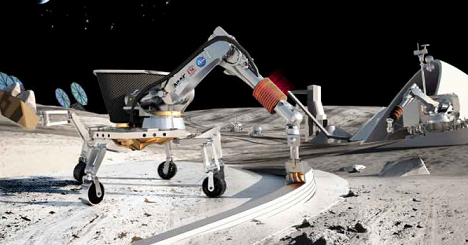
Contour crafting on the moon is set in lunar stone. parasite.usc.edu Khoshnevis shows examples of houses featuring curved walls and exotic geometries with enough reinforcement to withstand high intensity earthquakes in Jordan. Need some extra support? It’s easy for a contour crafting robot to line the walls and foundation of the house with a steel mesh. This type of design would cost thousands more with traditional construction methods.
Printing these exotic designs will cost exactly the same as printing a traditional rectangular box shape home since it’s just a matter of changing the initial design. The building method, speed, and builder are always the same. Building costs will depend solely upon the material and size of the desired structure, not the design. Who knows, maybe contour crafting will one day become a new weekend expenditure. “We’ve had this house all week, let’s design and print a new one.”
Related Article: Dome Homes: Virtually Indestructible
Contour crafting builds structures in layers. The material the printers currently use is a concrete. This concrete is sprayed out of a nozzle in a desired pattern and overall shape. As the printer autonomously lays down the foundation and frame of the house, it simultaneously installs all of the plumbing, electricity, and structural reinforcements. Eventually contour crafting will also be able to handle tiling, carpeting, and even painting too. Literally every square inch of a finished house is accounted for. Check out the building process in the video below. It reminds me so much of building a house in the Sims computer game.
What’s more, due to the precision of the contour crafting printer the structural integrity of the concrete has a strength measured at 10,000 psi, compared to 3,000 psi in traditional concrete structures.
There is no reason the printers cannot use more sustainable materials like cob or adobe as well. After all, NASA has funded a project that will implement contour crafting printers on the moon and Mars. 90% of the materials used in the lunar printer will be gathered from the moon itself with only 10% of construction materials coming from Earth.
We print houses now. Welcome to the future.
Sources:
http://gadgets.ndtv.com/laptops/news/new-giant-3d-printer-can-build-a-house-in-24-hours-470564
http://www.contourcrafting.org/
http://www.nmhc.org/Content.cfm?ItemNumber=55508
http://www.boston.com/bigpicture/2011/12/homelessness_around_the_world.html
http://craft.usc.edu/CC/modem.html
3d print house 3d printing, 3d printing house, 3d printing robot, automated, automation, behrokh khoshnevis, buy vs rent, cad, cad program, construction industry, contour crafting, contour crafting 3d, Earthquake, engineering, food and shelter, homeless people, jordan earthquake, maslow, maslow basic human needs, nasa contour crafting, nasa moon 3d print, overpopulated, rent buy, rent vs buy, robot, shelter, TED, TEDx, worldwide -
HD Visual Working Memory Separates the Young and Old

Contrary to what we have always believed, when it comes to visual working memory there is in fact no neurological difference between young and old people. The elders of society remember just as much as their youthful counterparts. There is however one major difference in the memory of each age group. According to a recent study published in the journal of Attention, Perception and Psycophysics young people have high definition (HD) visual working memory. Older people, on the other hand have fuzzy, low-resolution visual working memory.
Related Article: Computers Improve and Sustain Mind and Memory of the Elderly
Visual working memory is in many senses the same as short term memory. It simply depends on which theory and definition you ascribe to. Visual working memory is used to rapidly store bits of visual information for a very short amount of time in order to compare information in our visual field. Visual working memory involves both the storage and recollection of information. It is a mechanism of memory that we entirely rely upon to go about our daily lives from day to day. It’s no wonder scientists want to learn more about it.

Visual working memory is more complex than you think. http://universe-review.ca/ The study involved 11 older adults of around 67 years of age and 13 younger adults of approximately 23 years of age. Scientists collected behavioral data as well as EEG scans from all members of the group. First, the participants were shown two, three, or four colored dots and asked to memorize their appearance. The dots would disappear, and seconds later a single dot appeared in the garb of either a previously seen color or a new one. The participants simply stated whether the single dot contained a color that was the same or different than the dots shown initially. Additionally, all during the study the scientists took electroencephalographic (EEG) scans of each participant’s brain as it danced along with the technicolor dots.
Related Article: Memory, A Torch Pass
As we would expect, the old people didn’t perform as well on the behavioral test. They had more wrong guesses and exhibited a lower visual working memory capacity. The EEG scans painted a totally different story however. According to the scans both groups had a near equal amount of neural activity in the visual working memory centers of the brain. So although both groups stored the same amount of information, the old people still remembered less. Let’s envision this from another angle.
Let’s say that the visual working memory of the young and old can be represented by an online streaming video. While both old and young videos have the same buffer seed, the young can play at a resolution of 1080p, or maybe even 4k, while the old is stuck at a measly 480p resolution. Although the video is being seen at the same time, and at the same speed, the quality between the two is markedly different. In this way a young and old person will have the same visual working memory speed and capacity. The quality of the memory, however, is what will differ greatly.
Related Article: Tetrachromacy: “Super Vision” Genes
The scientists are not actually positive that HD visual working memory is the reason for the young group’s superior performance, but it seems to be the most likely reason according to Philip Ko of Vanderbilt University. According to Ko, a member of the team that worked on the study,
We don’t know why older adults perform poorly when their neural activity suggests their memory capacity is intact… [However] there is emerging evidence from other labs suggesting that the quality of older adults’ memories is poorer than younger adults. In other words, while older adults might store the same number of items, their memory of each item is ‘fuzzier’ than that of younger adults.
Sources:
http://link.springer.com/article/10.3758/s13414-013-0585-z via
http://www.parentherald.com/articles/3596/20140114/younger-people-high-definition-memories.htm
http://www.ncbi.nlm.nih.gov/pmc/articles/PMC2657600/
http://mindbrain.ucdavis.edu/labs/luck-lab/research-in-visual-working-memorystudy
-
Grey Matter And Pain Tolerance: Why You Hurt More
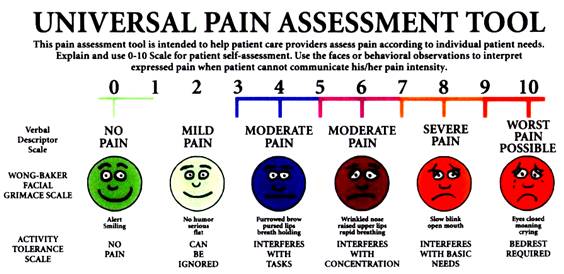

Doctor! It hurts when I do this. OWEEEEEE. Well then grow some grey matter already!
http://blog.chron.com/sciguy/2012/01/women-or-men-who-has-a-higher-pain-tolerance/Our preconceptions of how much pain we can tolerate vary from person to person, but we’ve only just discovered that there is a biological role to play in pain tolerance. According to a recent study,
Highly sensitive individuals had the least grey matter density in the bilateral precuneus, posterior cingulate cortex, posterior parietal cortex, and left primary somatosensory cortex.
This might not mean much at first glance, but its content affects you more than you realize. The density of grey matter, the substance most of the human brain is made of, heavily influences a person’s tolerance for pain.
The study begs the question: Could all the hurt we experienced in the past have been more tolerable had we been someone else? Someone else with more grey matter in their noggin? Do I just give up and submit to the possibility of getting hurt and feeling it more intensely than others? Maybe. But at least you can now justify your pain with science. Good news is possible even in complete disappointment, right?
Now I am not talking about heartbreaks and sensual experiences or anything of that sort; I’m talking good ol’ wrestling hurt. The kind that you get when you step on a nail and it breaks the skin, the kind you experience only when you are drunk and in a shouting match with the bouncer. But most importantly the kind that makes you cringe and say: That’ll hurt in the morning. Yeehah!
Related: Power Posing Can Change Your World
It seems that pain tolerance has more to do with your brain’s grey matter than just your overall size and body build. A study was conducted by the lovely people at the Wake Forest Baptist Medical Center in Winston-Salem, N.C., with the help of 116 volunteers, to prove this hypothesis on pain tolerance. The subjects were exposed to light pain while MRI’s were taken of their brain and its activity. It was found that those with a higher grey matter density in areas of the brain associated with internal thoughts and control of attention, were more resistant to pain than those with a lower grey matter density.
I guess the saying men are tougher than women, just does not apply in this instance. Finally people will understand why my girlfriend is so much tougher than me when it comes to actually going to the gym!
Related: Hairy Men Everywhere Rejoice!
So why exactly is this information useful? Well if you consider soldiers, for instance, and what they have to go through in the army, training and battles, we could potentially build a much stronger army and take over the world if we selectively breed and choose our soldiers. But really, there is some research that points to increasing grey matter density through practice and mindfulness meditation. So go for it; increase your pain tolerance and enjoy some meditation while you are at it. Otherwise, Cheers to World Domination!
Research:
Pain sensitivity is inversely related to regional grey matter density in the brain
Mindfulness Practice leads to increases in regional brain grey matter density
Shambhala Sun – How to do Mindfulness Meditation
Wondergressive: Power Posing Can Change Your World
Wondergressive: Hairy Men Everywhere Rejoice: New Bandages Painlessly Remove From Skin
Wonder about your world…

Take the plunge down the rabbit hole of insanity and wonder in this fast-paced, nonstop psychological thriller that will leave you questioning the very nature of reality and beyond. Part thriller, part romance, part existential horror, A Dream of Waking Life delves into lucid dreaming, psychedelics, existential ontology, video games, the nature of love, the nature of reality, and more.

Mendel’s Ladder delivers an adrenaline-fueled journey set on a dystopian future Earth, brimming with high-stakes action, adventure, and mystery. This epic series opener plunges readers into a world filled with diverse cultures, heart-pounding battles, and characters who will captivate your heart and imagination.

“E.S. Fein is raising the bar for quality as it’s a very well-written and thought-provoking book…There are points and themes in the story that could be discussed for eons as people will have their own idea on where it leads. It’s a book I would highly recommend.” – Andy Whitaker, SFCrowsnest
 Wondergressive