-
TVs, Brains, and Zombies Oh My: TV’s Effect on the Mind
TV, the true Petrus Romanus. How about THAT for an introduction? All you conspiracy junkies out there should take a break from brainwashing and new world order propaganda and give this a good read before your brain turns to mush! The average American watched 34 hours 39 minutes of TV per week in Q4 2010 according to Nielson. Something taking up that much of your time deserves the evil name of Petrus Romanus. That’s over 4 hours of our waking daily life that is consumed by watching TV! Let’s say you are an average daily sleeper of 8 hours (lucky you), you work on average an 8 hour shift daily, commute a total of 1 hour, perform proper hygiene of 1 hour daily including showering, brushing teeth, dressing, etc. and 4 hours of watching television. Are you following me? Your remaining daily time (week days) is only 2 hours for other activities. Why does that matter? Those remaining 2 hours may not be productive at all due to the beforehand act of watching the tube.
When you watch television, your brain activity is focused in the right hemisphere, a crossover that produces endorphins, our body’s natural opiates. Psychophysiologist Thomas Mulholland found that:
After 30 seconds of watching television the brain begins to produce alpha waves, which indicates torpid (almost comatose) rates of activity.
Long story short, you watch TV and your brain relaxes, just like when you ingest opiates (opium, morphine, heroin, etc.). Only difference is that television puts you into a more comatose state. Sounds good right? Unfortunately it is not a good thing for your brain. During this point of relaxation, your brain does not function in its higher regions and no real beneficial brain stimulation is occurring.
Wes Moore, scholar for The Journal of Cognitive Liberties, states:
When you’re watching television the higher brain regions (like the mid brain and the neo-cortex) are shut down, and most activity shifts to the lower brain regions (like the limbic system), in the long run, too much activity in the lower brain leads to atrophy in the higher brain regions
Atrophy in higher brain regions can lead to dementia later in life. As you age, it is better to stay active or involve yourself in your family’s life, especially compared to spending all of your time melting away in front of the tube. However, not only are those that are older are in peril, there are other disadvantages caused by the TUBE for all of us.
A study at ISU found that:
Students who stare at a screen for more than two hours per day are twice as likely to be diagnosed with attention problems.

http://vimeo.com/22872736 look at me video And all this time, I thought that drooling when staring at the TV was normal. Oh well, TV seems to be one of many different reasons why students are as distracted as they are now-a-days, however, it is essential to be in the know about all the different types of distractions technology provides.
Even those that have health problems can now blame something other than big bones and hereditary fat genes. Effects of Television Viewing, an article in JAMA, describes how obese participants that limited their TV viewing would burn more calories than those participants who continued to watch TV at their normal rate. In fact reading, writing, and relaxing without TV was found to increase total calories burned over watching TV. That is, you burn more calories than you do viewing the tube by not even being involved in an activity, not even going to the gym to workout, not even participating in the outside world, by not doing anything at all.
In fact, Visual Voodoo found that:
Kids who watched more than 2 hours a day between the ages of 5 and 15 were more likely to have high cholesterol, reduced fitness, and were at higher risk for diabetes as adults
If that doesn’t persuade you to involve your kids more, how about what Medline Plus has to say about too much screen time:
Makes it harder to get your child to go to bed and fall asleep at night
AND
Increases the chance that your child will develop attention problems, anxiety, and depression
Sounds like something mentioned before.
Solution? (breath) You could…
Read a book, fly a kite, write a book, play an instrument, talk to your kids, talk to your parents, enjoy other people’s company, draw something, paint something, go for a walk, go hiking, volunteer, go snowboarding, mow the lawn, clean the house, write a sonnet, write a rap, read a comic book, write a love letter, solve the world’s problem of hunger, etc. The world lives and moves and continues on whether or not you are a part of it, I think it is high time to be a part of it.
Relate Read: Fun Fact: You’re the Cause of Boredom
Research:
Journal of Cognitive Liberties
Wondergressive Cats are Mind Parasites
adhd, adults, alpha wave, attention disorders, attention problems, brain, brain wave, brainwashing, dementia, diabetes, distractions, endorphin, health problems, healthyheartbeatz, high cholesterol, kids, life, minors, mush, new world order, obesity, opiate, participants, Petrus Romanus, reduced fitness, students, technology, television, TV, vegetable, wondergressive, zombie -
It Says Organic: Does That Mean It’s Non GMO?
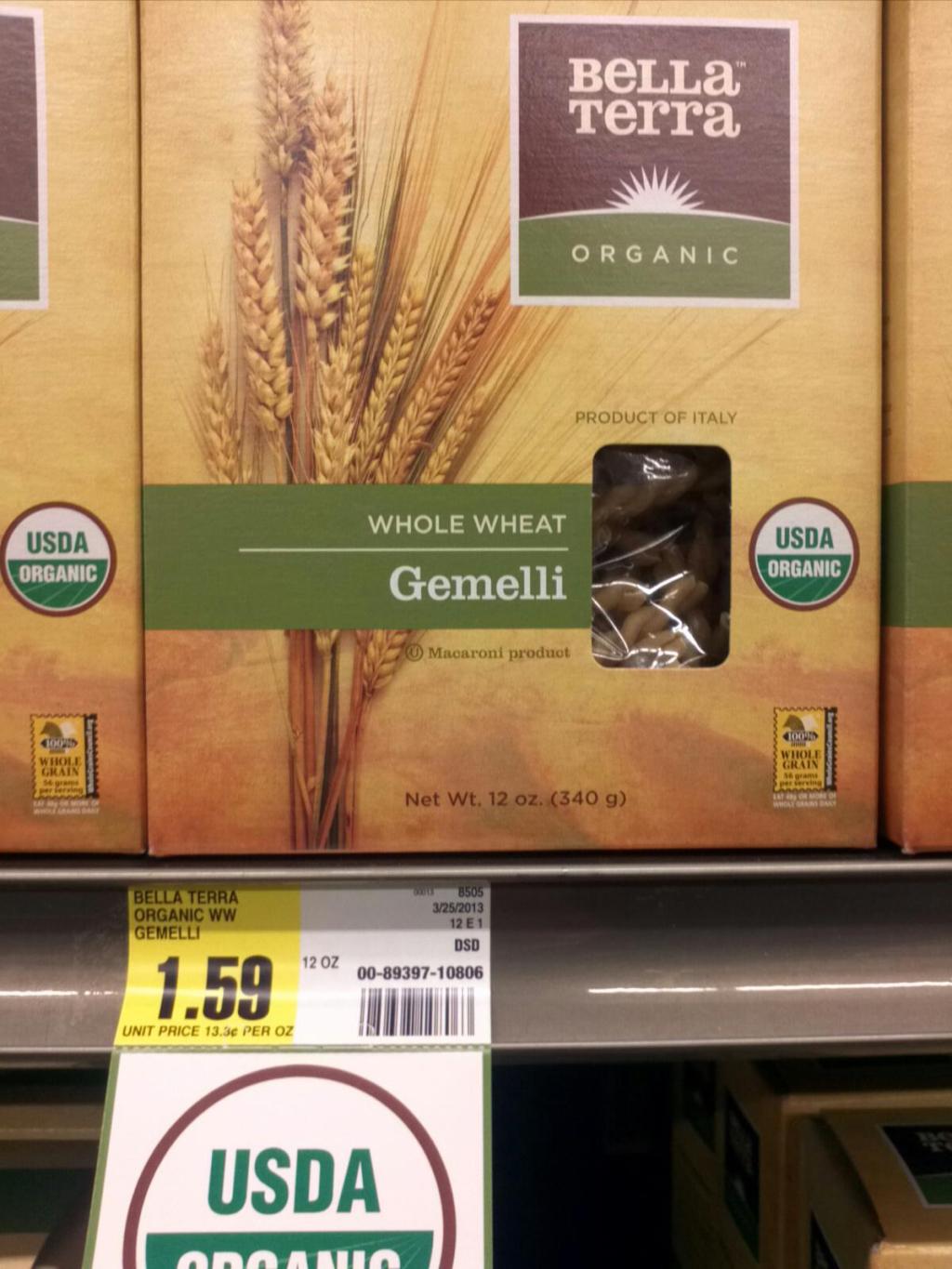

USDA certified organic non GMO Wheat GMO or non GMO? That is the question….
Lately, GMO products have been hit with some bad publicity. I recently went to a local grocery store in Palatine, Illinois and took a photo of this USDA Organic certified wheat package. In case you can’t see it, this is a whole wheat Gemelli brand wheat product with the fancy USDA Organic logo. However, an organic label alone does not guarantee that you are getting a non GMO product.
What’s the Difference?

The agriculture industry has decided the answer to the question for you: “GMO or non GMO?” . newhealthom.com The difference is what each of these terms describe. The term organic is used to define how a product is grown. GMO and non GMO are adjectives that describe whether the product is genetically altered in some way. GMO stands for Genetically Modified Organism. An organism that is genetically modified can still be grown organically.
GMO plants have their genetic code changed in a way deemed beneficial by scientists, not by nature. Before 1997 the USDA Organic label did not specify whether or not the produce grown organically was non GMO or if GMO plants needed to be excluded from the definition of organic. Over the years the USDA has changed it’s stance.
The USDA government website states that,
USDA organic standards describe how farmers grow crops and raise livestock and which materials they may use…
These standards cover the product from farm to table, including soil and water quality, pest control, livestock practices, and rules for food additives.
Organic farms and processors:
- Preserve natural resources and biodiversity
- Support animal health and welfare
- Provide access to the outdoors so that animals can exercise their natural behaviors
- Only use approved materials
- Do not use genetically modified ingredients
- Receive annual onsite inspections
- Separate organic food from non-organic food
These standards specifically state that USDA certified organic products are in fact non GMO products as well. This is not necessarily true for all organic standards and certainly has not been true at all times in the past.
According to NewHope360.com,
In 1997, the U.S. Department of Agriculture (USDA) released its draft National Organic Program rule. At this time, they proposed that organic allow the use of GMOs. This proposal was unacceptable to consumers, manufacturers, retailers, farmers, and basically anyone who had anything to do with organic.
The battle ended with consumers and farmers reigning victorious.
The final rule outlines that an organic operation has to document that it has not used GMOs and takes reasonable steps to avoid contact with GMOs. Whether a product is labeled “100% organic,” “certified organic” (with an allowance of 5% non-organic ingredients) or “made with organic” (a minimum of 70% organic ingredients), none of the ingredients are permitted to use genetic engineering.
That means in a “made with organic” cereal containing 70 percent organic ingredients, the remaining 30 percent non-organic ingredients cannot be produced from genetic engineering. Providers of non-organic ingredients being used in organic products, must also be able to provide proof that their ingredients are non GMO.
So the USDA Organic certification on a product is the government’s guarantee that these products will contain only non GMO ingredients. If you want to avoid GMO products and go only for the non GMO, then this is as sure of a bet as you can get at the grocery store.
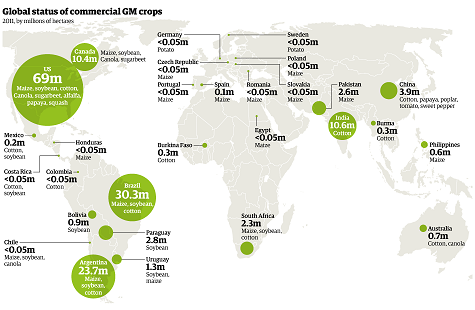
Want to go non GMO in he US? Good luck. eatdrinkbetter.com How To Tell If A Product is Non GMO
If you don’t want to buy exclusively USDA certified organic products but would still like to eat non GMO foods there is another way to go about your grocery shopping. It is common for produce to use short numbers called PLU codes, or price-look-ups, to indicate what kind of product is behind the label. It can be used to indicate manufacturer, color, etc. It is often used to indicate growing conditions. The major benefit of the PLU system is that each PLU code is unique to each product, regardless of where you buy it. This is key for those people going the non GMO route.
The PLU Code user guide states that:
The IFPS shall be responsible for deciding the assignment and definition of qualifying prefix digits
for international recognition. At present, only three digits have been allocated:0 Applies to all non-qualified produce and is generally presented without the leading
“zero” digit.
8 Genetically modified
9 OrganicThis means that if the PLU code is five digits the first digit indicates organic or genetically modified, but it is not mandatory for the producer to specify if they do not want to. If the PLU code is four digits, then PLU code will not indicate whether the product is GMO or non GMO. While it is not currently a requirement in the United States to label GMO produce, in the USA and Canada, food manufacturers are not allowed to label their food as 100% organic if any GMOs are used. To be 100% certain that your food is organic: look for an organic label, a 9 at the beginning of a 5 digit PLU code, or just grown your own.
Sources:
NewHope360.com- USDA says “organic” means “non GMO”
USDA.gov- National Organic Standard
International Federation of Produce Standards
IFPS- Produce PLU Codes User Guide
Organic 101: Can GMOs Be Used in Organic Products?
-
Hey Cat-Lovers, You Have a Mind-Controlling Parasite

http://2.bp.blogspot.com/-GAz4zauH9VQ/T_szDMBse8I/AAAAAAAAAPQ/LiTd3QrBi8g/s1600/zombie-cat.jpg Isn’t it fun to pretend we have control over our bodies? Isn’t it fun to believe that freewill isn’t some fanciful bit of make-believe? I don’t know about you, but that’s one of my favorite late night drunken fantasies (oh yeah, gettin off (or not) to the illusion of choice). Really though, the bag of chemicals we live in is a precarious balance of hormones, enzymes, and other gook, teetering the high wire of sanity by the tiniest margins. If that statement needs any justification, maybe give PCP a try.
The excretions of other life forms have altered our realities and actions for epochs, so the idea is nothing new. Usually we think, however, that these things are mostly under our control. From licking a toad, contracting the stomach flu, or perhaps a total personality makeover after a blow to the head, our body’s chemicals and fluids determine everything. So, keeping that in mind… there’s a good chance you, at this very moment, have a mind-controlling parasite, making your decisions for you. It happens all the time.
Look:
But that’s just ants, right? And they’re stupid.
Nope. And it’s not just ants, either. Countless species are chemically manipulated; there are zombie snails, suicidal grasshoppers, and even, of course, YOU…
Half of the world’s population is currently infected with a fun-loving little fucker known as Toxoplasma, the sci-fi sounding name of a cat poop dwelling parasite that will make you crazy.
Try saying it out loud. Toxoplasma. You’ll feel pretty badass.
Now look to your left. Look to your right. You have a 50% chance of infection of…Toxoplasma. (You said it out loud, right?)
Come on. You can’t be serious?
We already knew bacteria were controlling our minds, but now there’s this little fella, too. He lives in cat poop, we breathe him in, and he sets up shop in our nervous system, excreting enzymes that lead to schizophrenia and overall bat-shittedness (not necessarily a bad thing). Essentially, I get infected, I get this hankering for another cat, then I get more infected, I adopt the conviction “who needs men?” and before you know it my home soon becomes a den of feline chaos.

http://media-cache-lt0.pinterest.com/192x/be/22/3e/be223e23f5910f8b9496569a6e724cce.jpg It seems that society’s obsession with lolcats is actually all a part of some master plan being orchestrated by this little bastard. It flips our brain’s chemistry to, you guessed it, love cats.
The heated war between dog people and cat people will rage for centuries more, but now we know about all the fuss over our feline friends: we are victims of a cat conspiracy to take over our internet memes, one poop at a time.
They sure are cute, though.
Sources:
The Sonoran Desert Toad (erowid.org)
A Model of Personality Change (ncbi.nlm.nih.gov)
Little Mind Benders (sciencenews.org)
Parasitic Mind Control (youtube.com)
Enslaved Ants Regularly Stage Rebellions (wondergressive.com)
How to Control an Army of Zombies (nytimes.com)
World’s Deadliest: Zombie Snails (youtube.com)
Suicide Grasshoppers Brainwashed by Parasite Worms (nationalgeographic.com)
Toxoplasmosis-Schizophrenia Research (stanleyresearch.org)
The Secret World of Bacteria (wondergressive.com)
A Note on the Top 1% (wondergressive.com)
alter, Ant, ants, Bacteria, biology, brain, breed, cat, change, chemical, control, DNA, drug, drugs, drunk, environment, evolution, fantasy, feline, health, hormone, infection, intelligence, lick, love, meme, Mental Health, mind, nature, parasite, pcp, personality, poop, religion, research, schizophrenia, science, society, species, toad, toxoplasma, zombie, zombies -
Cheese: Like Crack
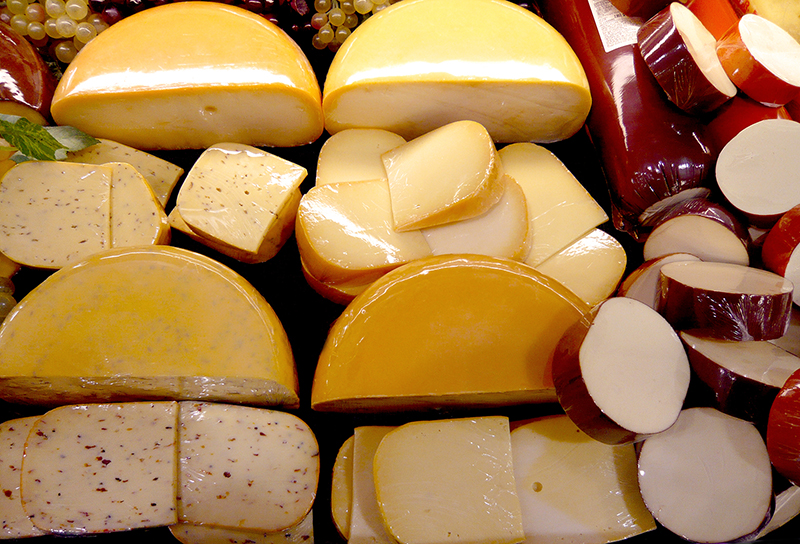
http://www.sxc.hu/photo/792068 We’ve all been there, there’s no shame in admitting it. One minute we’re at a swanky soirée thinking how we’ll just sample a few cubes of cheese, and then…we’ve held everyone hostage demanding to be taken to the Cheese Overlords to fulfill our dairylicious destiny.
Whew. It’s okay, it happens to the best of us—it’s delicious cheese, remember? Not to worry, research and science have your back. As it turns out, we are actually chemically addicted to cheese.
In 1981, Eli Hazum and his colleagues at Wellcome Research Laboratories reported traces of the chemical morphine, a highly addictive opiate. It turns out that morphine is found in cow milk and human, purportedly to ensure offspring will bond very strongly with their mothers and get all the nutrients they need to grow. (Care2.com)
Huh. Well, that makes sense. The problem is that cows are weaned very quickly and so don’t build that dependency the same way human babies do. And of course, once cows are weaned, they no longer consume dairy naturally, whereas humans continue to make milk, yogurt, cheese and other dairy products a regular part of our diets, thus further exposing ourselves to the addictive opiates.
A University of Illinois research paper by Mueen Aslam and Walter L. Hurley states
Casomorphins are peptides produced from the breakdown of CN and possess opioid activity. The term opioid refers to morphine-like effects which include signs of sedation, tolerance, sleep induction, and depression. […] Once absorbed into the blood, these peptides can pass to the brain and various other organs to elicit an opioid effect.
Further research has shown that:
…ingesting milk products with casomorphins is not enough to cause addiction (and we’re talking just cow’s milk here—goat cheese lovers can rejoice without fear of addiction!). But it takes 10 pounds of milk to make just one pound of cheese, meaning there’s much higher concentration of casein (and casomorphins)—not to mention fat—in cheese. This higher concentration also makes it much easier to develop an addiction to the opiate-like compounds. […] The jury is still out on whether everyone who ingests cheese gets the same level of euphoric feelings (or any at all [Greatist.com).
There isn’t enough conclusive evidence to claim boldly that cheese is addictive to everyone, all of the time, forever and ever…so we’re not saying that. However, studies are certainly pointing to some interesting conclusions.
TL;DR? The cheese made you do it.
Sources
Addicted to Cheese? Here’s Why
Biological Activities of Peptides Derived from Milk Proteins
Is Cheese Addictive? -
A Pill That Makes You Sober

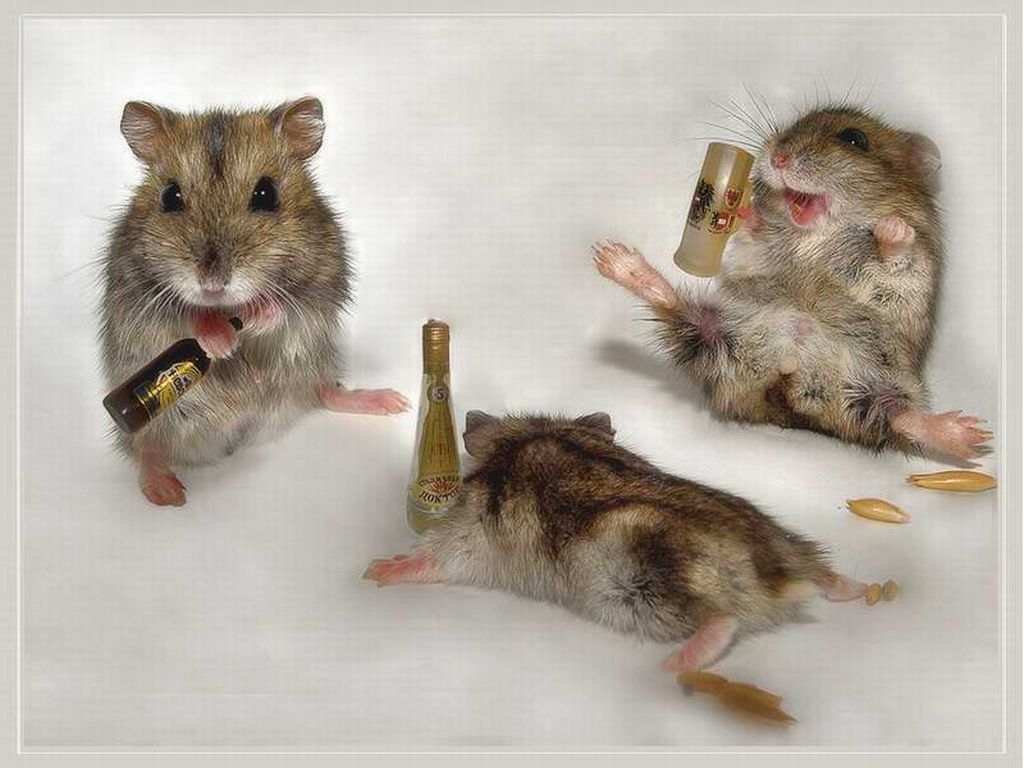
http://www.fanpop.com/clubs/animal-humor/images/1993688/title/drunk-mice-wallpaper Researchers have successfully lowered the blood alcohol content in mice by injecting them with nanocapsules filled with enzymes that break down alcohol. Although this opens the door for a wide world of medical breakthroughs, what this means for us simple drunks is the development of a pill that sobers you up.
Enzymes are directly involved with metabolic processes in the body, so the application of using enzymes that aid in processing alcohol is not a far fetched application. Enzymes are tiny though, so they require an equally tiny container, or shell, if they are to survive in the body long enough to do their job and not degrade into biological waste. That’s where the nanocapsule comes into play.
The research team explained the results of their findings:
Here we show that two or more enzymes with complementary functions can be assembled and encapsulated within a thin polymer shell to form enzyme nanocomplexes. These nanocomplexes exhibit improved catalytic efficiency and enhanced stability when compared with free enzymes. Furthermore, the co-localized enzymes display complementary functions, whereby toxic intermediates generated by one enzyme can be promptly eliminated by another enzyme.
Think of the process as a biological time release that has the ability to exhibit a multitude of different functions on the body via improved biologic function. The specific function that the researchers focused on improving was lowering the blood alcohol levels in mice, a process which worked quickly and efficiently. Yunfeng Lu, one of the leaders of the research team and a professor of chemical and biomolecular engineering at UCLA, said that consuming these nano-encapsulated enzymes would
be like having millions of liver cell units inside your stomach or in your intestine, helping you to digest alcohol.
First researchers created a particle that allows us to live without breathing, and now they’ve given the world an easy fix to waking up naked in the local McDonalds plastered in your own puke. I wonder if bars and clubs of the future will be required to hand these novel pills out to patrons before they leave the dance hall to brave the world with quadruple vision.
Sources:
MIT Tech Review: Nanocapsules Sober Up Drunken Mice
Nature Nanotechnology: Biomimetic Enzyme Nanocomplexes
Wondergressive: No Breathing Required
-
Erase Memories, Because… “Why Not?”


http://www.troll.me/images/ancient-aliens-guy/men-in-black-oh-yeah-thats-my-favorite-documentary.jpg Ripped directly from the headlines of tomorrow comes the announcement that men in black are indeed here now. Never fear though. A bit of future technology, now well into the experimental phase, has effectively been used on test subjects to wipe selective memories.
According to an article in sciencemag.org,
We have shown previously that lateral amygdala (LA) neurons with increased cyclic adenosine monophosphate response element–binding protein (CREB) are preferentially activated by fear memory expression, which suggests that they are selectively recruited into the memory trace. We used an inducible diphtheria-toxin strategy to specifically ablate these neurons.
…Or in lay-speak, “See that bit of brain there? When I scooped it out, he didn’t remember anymore. Cool, huh?”
Wow, how’s that work?
Because memories are found in specific collections of neurons, haphazardly zig-zagging the brain, and digging around in the brain is kind of hard (it’s brain surgery, not simple rocket science), finding the particular cells that carry a memory is like finding a needle in an active volcano.
http://24.media.tumblr.com/tumblr_lzzl1t2gLD1r0gt0xo1_500.gif This new development, however, uses a CREB protein as a marker, dropping the difficulty to finding a needle in a hive of fire-ants. This highlights the role of a particular neuron bundle in a memory (snip, easy as circumcision), and suddenly Uncle Rick is no longer lobbing coffee cups at Thanksgiving dinner when the electric carver reminds him of Charlie back in ‘Nam.
Now, when it comes to memory, we’ve seen how to fix it in the elderly, implant fake memories for entertaining the kids, and even develop photographic recollection, but now: Eternal Sunshine, Total Recall, Memento; take your pick. On Monday, how bout Jason Bourne-ing” the shit out of your parents and when they start to suspect they’re super-soldiers, leap out with an “April Fools, you’re actually a middle-class suburbanite!!!” Get’s ’em every time.
Joking aside, obviously the ramifications of this new procedure are staggering, and the potential for… wait… What was I talking about?
Fun side-note:
Anyway. Almost totally unrelated (segways are for chumps), something you won’t want to forget: kick-start you day being serenaded in Portuguese by a dimply Brazilian girl. Easier to greet the world with a smile…
Sources:
Selective Erasure of a Fear Memory (sciencemag.org)
Erasing a Memory Reveals the Neurons that Encode it (discovermagazine.com)
Computers Sustain and Improve Mind and Memory of the Elderly (wondergressive.com)
Controlling Dreams and Implanting Memories (wondergressive.com)
Experiments in Photographic Memory (Phase 1: Guinea Pig) (wondergressive.com)
biology, brain, Brazil, change, charlie, cool, CREB, depression, DNA, drug, evolution, experiment, future, intelligence, internet, life, memories, memory, men in black, Mental Health, nam, neuron, protien, research, science, sing, surgery, tech, technology, tomorrow -
Don’t Fear Anti-GM Hysteria (Nor the Reaper)!

http://www.forbes.com/sites/jonentine/2012/09/20/scientists-savage-study-purportedly-showing-health-dangers-of-monsantos-genetically-modified-corn/ A couple of weeks ago the New York Times published a short article on how all genetically modified (GM) products sold in Whole Foods Market would have to be labeled as such by 2018. I was pleasantly surprised to see that the editorial board both agreed that a private entity is free to require whatever labels it desires while also denouncing the need for expensive mandatory labeling in other stores throughout America.
The organic food movement, and the labels that go with it, has been surging in popularity for over the past decade. Although some of its tenets, like promoting local produce, are relatively benign and sensical, others are much more pernicious. The most dangerous of these is the completely unsubstantiated idea that GM foods are harmful for a variety of dubious reasons, like that they are less healthy than organic foods or that the pesticides and herbicides used to grow conventional crops are harming humans. The general vibe I get from more militant organic foodies is that GM food is inherently untrustworthy, cannot help feed a growing population, and that it is actively destroying the planet. The fervor I’ve witnessed for these beliefs borders on religious.
For all the vitriol and the-end-is-nigh rhetoric, the bad rap that GM foods gets is entirely a fabrication, the product of campaigns of misinformation by groups like Greenpeace, Friends of the Earth, and Navdanya.
In reality, GMOs are actually extremely beneficial for multiple reasons. For one, they cost less than organic products to the consumer. They also are genetically resistant to chemicals like glyphosate, an herbicide commercially sold as Round Up. This means that farmers no longer have to use other chemicals that are at least three times as toxic as Round Up and stay in the environment about twice as long. This lack of toxicity also helps reduce topsoil erosion by up to 90%. GM crops also allow for more food to be grown on any given acre of land, which helps reduce deforestation.
In September of last year, Stanford University released a meta-analysis of over 200 studies on the effects of conventional and organic foods to determine the nutritiousness and safety of GM products for humans.
“They concluded that fruits and vegetables labeled organic were, on average, no more nutritious than their conventional counterparts, which tend to be far less expensive. Nor were they any less likely to be contaminated by dangerous bacteria like E. coli.
The researchers also found no obvious health advantages to organic meats.
Conventional fruits and vegetables did have more pesticide residue, but the levels were almost always under the allowed safety limits, the scientists said. The Environmental Protection Agency sets the limits at levels that it says do not harm humans.”
These findings should come as no shock as they confirm what many other scientific bodies have already discovered. The National Academy of Sciences noted in a 2004 report that
“no adverse health effects attributed to genetic engineering have been documented in the human population.”
The World Health Organization reports that
“GM foods currently available on the international market have passed risk assessments and are not likely to present risks for human health. In addition, no effects on human health have been shown as a result of the consumption of such foods by the general population in the countries where they have been approved.”
In 2010 the European Commission finished a decade’s worth of research over the GM debate, concluding that
“there is, as of today, no scientific evidence associating GMOs with higher risks for the environment or for food and feed safety than conventional plants and organisms.”
Genetically modified food is simply not the boogeyman many want people to believe it is.
In response to the Stanford study, Roger Cohen penned an op-ed in the Times entitled The Organic Fable in which he gleefully celebrated its findings. His stance and exasperation with the organic movement directly mirrors my own:
“Organic has long since become an ideology, the romantic back-to-nature obsession of an upper middle class able to afford it and oblivious, in their affluent narcissism, to the challenge of feeding a planet whose population will surge to 9 billion before the middle of the century and whose poor will get a lot more nutrients from the two regular carrots they can buy for the price of one organic carrot.”
When groups like Greenpeace denigrate and demonize GM products, they are purposefully denying the incredible things GMOs have accomplished and how many millions of lives they have saved by instead greenwashing the issue with pro-organic propaganda.

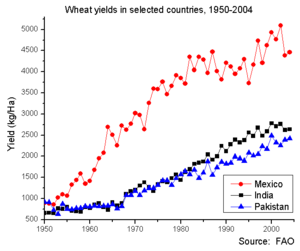
http://www.agbioworld.org/biotech-info/topics/borlaug/ Norman Borlaug provides perhaps my favorite story about the astounding successes of genetically modifying crops. In 1968 Paul Ehrlich published his bestseller, The Population Bomb, in which he predicted that hundreds of millions of people in Southeast Asia would soon starve as the land simply couldn’t provide enough calories to maintain the growing multitudes. Borlaug and his team, however, were already hard at work developing and introducing a special type of high-yield dwarf wheat to the region. The crop was naturally resistant to many pests and diseases and allowed farmers to double or even triple their harvest. Later, a special high-yield variety of rice was developed, spreading the cornucopia across all of Asia.
http://en.wikipedia.org/wiki/Norman_Borlaug For all of his work, Borlaug was awarded the 1970 Nobel Peace Prize. A modern-day saint, he is credited with saving as many as one billion lives from famine and starvation.
In modern times, a GM crop named Golden Rice has been developed over the past 30 years to combat Vitamin A deficiency. This malady kills an estimated 650,000 children under the age of five every year. Despite Golden Rice’s potential to drastically alleviate this tragedy, groups like Greenpeace and Dr. Vandana of Navdanya have not only opposed, but have also consistently delayed the implementation of this breakthrough, maintaining that Golden Rice poses an unnecessary danger to human health and to local farmers through crop contamination.
I am not explicitly against organics or the local food movement; what people purchase and what they eat is none of my business. However, I am strongly opposed to the knee-jerk reactions of some people and organizations that not only classify all GM products as being harmful, but who also lobby to make them illegal for other people to use or benefit from.
People should be free to choose whatever food or technology that they see fit. No well-fed person should sit in their armchair and actively campaign against crops that could drastically improve, or even save the lives of people who might want to cultivate them.
Good on The New York Times for realizing that mandated GM labeling is an onerously expensive and pointless intrusion on private retailers who don’t desire to do so voluntarily. Hopefully supporters of both organic and conventional products can realize that making food more costly only exacerbates problems both at home and around the world.
Sadly, however, I fear that the anti-GM movement has a reflexive, animistic attitude towards food that they deem to be “impure.” For my desire to see billions of sated stomachs in the coming decades, I hope I’m wrong.
Sources:
http://www.nytimes.com/2013/03/15/opinion/why-label-genetically-engineered-food.html?_r=1&
http://www.greenpeace.org/international/en/
http://www.foe.co.uk/resource/press_releases/gm_crops_not_answer_to_food_challenges_03012013.html
http://www.navdanya.org/campaigns/gmo-free
http://www.agweb.com/assets/import/files/ao273f.pdf
http://annals.org/article.aspx?articleid=1355685
http://www.nap.edu/catalog.php?record_id=10977
http://www.who.int/foodsafety/publications/biotech/20questions/en/
http://europa.eu/rapid/press-release_IP-10-1688_en.htm
http://www.nytimes.com/2012/09/07/opinion/roger-cohen-the-organic-fable.html?_r=0
http://www1.umn.edu/news/features/2006/UR_84946_REGION1.html
http://www.project-syndicate.org/commentary/the-costs-of-opposing-gm-foods-by-bj-rn-lomborg
http://online.sfsu.edu/rone/GEessays/goldenricehoax.html
http://www.theawarenessparty.com/?page_id=2925
http://www.dallasobserver.com/2002-12-05/news/green-giant/
-
Stay Away From Antibacterial Soap!
Triclosan. Ever heard of it? Me neither, until now that is. Triclosan was originally registered as a pesticide and it has been labeled as a dangerous chemical over the last couple of years. Apparently it’s a very pervasive and popular chemical used in antibacterial soap, deodorant, and toothpaste. Not only that, but it can sometimes be found in clothing, kitchenware, furniture and toys. How do I know that? The FDA website says so. According to the U.S. Food and Drug Administration or FDA:
At this time, FDA does not have evidence that Triclosan added to antibacterial soaps and body washes provides extra health benefits over soap and water. Consumers concerned about using hand and body soaps with Triclosan should wash with regular soap and water.
Ok, so it’s just fluff added to appeal to the customer right? Yes and NO! A recent study conducted by the University of California, Davis, and the University of Colorado found that:
Triclosan impaired the ability of isolated heart muscle cells and skeletal muscle fibers to contract.
How exactly?
In the presence of Triclosan, the normal communication between two proteins that function as calcium channels was impaired, causing skeletal and cardiac muscle failure.
A higher risk for heart attack or heart failure?! Yes, I ran to my bathroom to check if I had anything that contained it. This of course was followed by the ceremony of throwing out my half-filled soap dispenser; there goes my hard earned 3 dollars, oh well. No real benefits and yet it is in our antibacterial soap, shampoo, and toothpaste! Sounds to me like we don’t really need it. Dr. Sarah Janssen, a physician and senior scientist with the Natural Resources Defense Council agrees:
Triclosan is what we call a stupid use of a chemical. It doesn’t work, it’s not safe and it is not being regulated.
Ways to get around anti-bacterial soap and toothpaste:
Go All Natural!
If you are hardcore: Create your own Soap, Shampoo, Toothpaste!
Or simply start reading labels. It honestly takes 10 seconds to scan through the ingredients, and now you know at least one ingredient to be on the lookout for!
As for the clothes and other cloth items that contain Triclosan… start knitting.
For other ingredients to avoid check out this article on Wheat and Corn! It’ll boggle your mind to find out about those two heavily used items. Yes, everything nowadays seems to be bad for you but avoiding the bad things may lead you to a healthier, longer life! That should be reason enough to avoid something!
Research:
U.S. Food and Drug AdministrationNatural Soap, Shampoo, Toothpaste, Etc.
all natural, antibacterial, chemical, clothing, corn, create your own, dangerous, FDA, furniture, healthyheartbeatz, heart, heart attack, heart failure, ingredient, kitchenware, muscle, pesticide, shampoo, soap, toothpaste, toys, Triclosan, U.S. Food and Drug Administration, UC Davis, university of california, university of colorado, wheat -
DNA Ancestry Checking Is as Cheap as $99

http://www.23andme.com DNA ancestry checking is something that is relatively new. It used to cost thousands upon thousands of dollars to check your DNA. In recent years it has gotten a lot cheaper. In fact it became so cheap that a private company that checks your DNA ancestry called 23andMe has made it commercially available to people who can afford it. Prices were as low as around $800 to get your DNA checked. Later it went down to $400, then around $300.
Now, you can check your DNA ancestry for $99 dollars. What you discover in return is your ancestral lineages, what health issues you are prone to have a higher risk for, as well as what drugs and/or medications are right for you.
The process is really easy. You purchase the saliva kit. You receive it in the mail and register it online. You give your saliva sample and send the kit back. You should see results within 6-8 weeks. You can see your personal overview on their website.
What stood out the most is the very long list of 247 possible health risks such as diabetes, cancer, Crohn’s disease, and high/low blood pressure, to name the very least. This is by far more accurate than asking a fortune teller to predict your future health problems, or even doctors! If you find out that you have a low risk for diabetes, then great, you have one less thing to worry about. On the flip side, if you have a high risk of developing diabetes, then you would be prepared early and be able to take precautionary measures, whether that is going to a doctor early or making dietary changes accordingly.
So now that you know about checking your DNA ancestry for your roots and health risks, there is one more factor to take into consideration before deciding to venture out into buying one of these kits. What if you found out that you had a high risk for a few types or cancers or some other terminal disease? Or what if you found out how most likely you would die. Is it worth it to carry that in the back of your head? Some people are reluctant to try DNA ancestry testing because it may not be worth the stress and melancholy. There is a chance that the extra stress itself may shorten your life. When choosing to get your DNA checked, please keep these points in mind.
Source:
-
Dome Homes: Virtually Indestructible


http://assets.inhabitat.com/files/domeint01.jpg If someone held a gun to my head and screamed, “Quick! Pick the dumbest animated TV character of all time RIGHT NOW!” I’d probably panic (and cry) but ultimately go with Patrick from Spongebob Squarepants. I’d like to think a portion of you readers would agree with me—maybe pat me on the back and console me, y’know? Thanks, readers. It’s good to know you have my back.
I don’t watch the show, so I could be wrong…but I seem to always walk in on someone watching it at the exact moment Patrick is saying something ridiculously stupid. This seems to be expected. On one occasion, however, he and Spongebob had an argument (or domestic dispute—they’re dating or something, right?) and stormed off to their separate residences. That’s when I realized: Patrick lives in a dome home!
From a scientific perspective, dome homes make so much sense it’s a wonder we haven’t all evolved into bubble-based communities like the 90’s had envisioned*. They can withstand most, if not all, natural disasters, are highly energy efficient, and they also require less maintenance with less building materials.
The single biggest reason for living in a dome home is its great super power: it can withstand just about any natural disaster. I really can’t explain this better than with this quote from Valerie Sigler, a dome home resident (emphasis mine):
As we were building the dome, Tropical Storm Isadore came ashore and left a mess, but no damage. Then, in 2004, Hurricane Ivan slammed into Pensacola Beach wreaking enough havoc that it was called Ivan, The Terrible. Although many of my neighbors’ houses were piles of rubble or completely washed away, the dome suffered no structural damage. The Dome’s front staircase was designed to break away (which it did) to avoid damage to the actual structure. The 2005 hurricane season brought several storms to our shore: Tropical Storm Arlene in June; Hurricane Dennis in July; and Katrina in August. Hurricane Dennis was an extremely damaging storm to Pensacola Beach. Much to the community’s dismay, many of the repaired homes and buildings that made it through Ivan were decimated by Dennis. Again, the Dome of a Home suffered no structural damage.
For those keeping track, that was a shit ton of storms that hit Sigler’s area! Holy shit, is there any reason her neighbors didn’t uproot everything and go dome immediately after the Sigler’s house gave Isadore the middle finger?!
From Dome of a Home, we get this little gem:
Since there is no roof to lift off and no straight walls for the tornado to build pressure against, domes are virtually tornado proof.
As if that wasn’t enough, since there is no shingling and your roof isn’t being blown away by tornadoes and the like, dome homes are essentially maintenance-free. Dome homes can be made of various materials. Treehugger.com has noted that with the polyurethane dome kits (they come in pieces to be assembled and can be built in 7 days by 3 or 4 people)
Construction of the Dome House does not produce any waste, nor does it involve any deforestation.
Generally speaking, in non-tropical/beach areas, dome homes are about comparable in price to traditional homes. However, the savings over time are substantial. Things like energy costs, for example:
Geodesic domes use up to 50% less energy than a traditionally built home. Since surface area is minimized compared to the interior volume, these structures hold in plenty of heat as long as their walls are thick and well-insulated. In warm weather, the chimney effect is created, and hot air is drawn up and out of the structure as long as it’s properly ventilated.
Just for a little perspective:
In Alaska, the 8000 square foot Trinity Christian Center has an average heating bill of $72.
So maybe the real idiots are all of us schmucks who don’t live in half-circle structures. Or possibly the sponge who lives underwater in a freaking pineapple!
*To be fair, is there anything the 90’s envisioned that the 2000’s didn’t severely under-deliver on?
Sources
Wikipedia: Patrick Star
Advantages of Domes
Living Small, Cheap and Simple. Try a Dome House
Geodesic Dome Homes
Wonder about your world…

Take the plunge down the rabbit hole of insanity and wonder in this fast-paced, nonstop psychological thriller that will leave you questioning the very nature of reality and beyond. Part thriller, part romance, part existential horror, A Dream of Waking Life delves into lucid dreaming, psychedelics, existential ontology, video games, the nature of love, the nature of reality, and more.

Mendel’s Ladder delivers an adrenaline-fueled journey set on a dystopian future Earth, brimming with high-stakes action, adventure, and mystery. This epic series opener plunges readers into a world filled with diverse cultures, heart-pounding battles, and characters who will captivate your heart and imagination.

“E.S. Fein is raising the bar for quality as it’s a very well-written and thought-provoking book…There are points and themes in the story that could be discussed for eons as people will have their own idea on where it leads. It’s a book I would highly recommend.” – Andy Whitaker, SFCrowsnest


 Wondergressive